How Long Should You Pedal on Stationary Bike

Knowing how long you should pedal on a stationary bike depends on your fitness level, goals, and experience. Whether you want to burn calories, build endurance, or lose weight, the right pedaling duration makes all the difference. This guide breaks down optimal session lengths for beginners and advanced riders alike.
So you have a stationary bike at home or at the gym, and you are ready to start pedaling. But here is the big question: how long should you actually be on that bike? The answer is not one-size-fits-all. Your ideal pedaling duration depends on your fitness goals, your current level, and how your body responds to exercise.
Many people jump on a stationary bike and ride aimlessly for 60 minutes without a plan. Others jump in too hard and burn out after five minutes. Neither approach works well. This guide will walk you through exactly how long you should pedal on a stationary bike, no matter what your goals are. You will learn about beginner routines, advanced strategies, and everything in between.
Whether you want to burn calories, improve heart health, or build endurance, the duration of your ride plays a huge role. Let us break it all down in simple, practical terms.
Key Takeaways
- Start Slow: Beginners should aim for 15 to 20 minutes per session and gradually build up duration over time.
- Weight Loss Goals: Pedaling for 30 to 45 minutes at moderate intensity helps you burn significant calories on a stationary bike.
- Cardio Health: The American Heart Association recommends at least 150 minutes of moderate cardio per week on equipment like a stationary bike.
- Listen to Your Body: Rest days and recovery matter just as much as pedaling time for long-term progress.
- Intensity Matters: Shorter, high-intensity sessions can deliver results similar to longer moderate rides.
- Consistency Wins: Sticking to a regular schedule matters more than any single session length.
📑 Table of Contents
- Why Pedaling Duration Matters on a Stationary Bike
- How Long Should Beginners Pedal on a Stationary Bike
- Optimal Pedaling Duration for Weight Loss
- How Long Should You Pedal for Cardio and Heart Health
- Advanced Riders: How to Extend Your Pedaling Time
- How to Make Every Pedaling Session Count
- Final Thoughts on Pedaling Duration
Why Pedaling Duration Matters on a Stationary Bike
The amount of time you spend pedaling directly affects your results. Too little time and you will not see progress. Too much time and you risk injury or burnout. Finding the sweet spot is the key to long-term fitness success.
When you pedal on a stationary bike, your body goes through different energy phases. In the first few minutes, your muscles warm up and your heart rate rises. Around the 10-minute mark, your body starts burning fat more efficiently. After 20 to 30 minutes, your cardiovascular system gets a serious workout. This is why duration matters so much.
Think of it like cooking a meal. If you pull the food off the heat too early, it is not done. If you leave it too long, it burns. The same principle applies to your cycling sessions. Getting the timing right leads to better endurance training, more calories burned, and fewer injuries.
How Your Body Responds to Different Ride Lengths
Your body reacts differently depending on how long you pedal. Here is a quick look at what happens at each stage:
- 0 to 5 minutes: Your body warms up. Muscles loosen, and your breathing gradually increases.
- 5 to 15 minutes: Your heart rate climbs into the moderate zone. You start burning carbohydrates for fuel.
- 15 to 30 minutes: Fat burning kicks into higher gear. Your cardiovascular system strengthens.
- 30 to 45 minutes: Endurance builds significantly. You burn a large number of calories.
- 45+ minutes: Advanced riders can sustain this, but beginners may risk overtraining.
Understanding these phases helps you plan your sessions better. It also explains why a short stationary bike workout can still be effective if the intensity is right.
How Long Should Beginners Pedal on a Stationary Bike
If you are new to indoor cycling, you do not need to jump into long sessions right away. Starting too aggressively is one of the most common mistakes people make. Your muscles, joints, and cardiovascular system need time to adjust.
For beginners, 15 to 20 minutes per session is a great starting point. This is enough time to get a meaningful workout without overwhelming your body. You can always add more time as your fitness improves.
A typical beginner routine might look like this:
- Warm up for 3 to 5 minutes at a slow, comfortable pace.
- Increase your intensity moderately for 10 to 12 minutes.
- Cool down for 3 to 5 minutes at a slower pace.
This structure keeps things simple and safe. Over the course of a few weeks, you can extend your cycling session length to 25 or 30 minutes. The key is consistency. Riding three to four times per week at a manageable duration will produce better results than one long, exhausting session.
Many people wonder how long should a beginner ride a stationary bike. The answer is: start small, stay consistent, and build up gradually. Your body will tell you when it is ready for longer rides.
Common Beginner Mistakes to Avoid
- Skipping the warm-up: Jumping straight into high intensity can cause muscle strain.
- Pedaling too fast: Speed does not equal progress. Focus on steady, controlled cadence.
- Ignoring resistance: Adjusting the resistance makes your ride more effective and engaging.
- Riding every day without rest: Recovery days are essential for muscle repair and growth.
Optimal Pedaling Duration for Weight Loss
If your main goal is to lose weight, the duration of your stationary bike sessions becomes even more important. Burning calories is the name of the game, and longer rides generally burn more calories. But there is a catch: quality matters just as much as quantity.
For effective weight loss, aim for 30 to 45 minutes per session, five days a week. This aligns with the general recommendation of 150 to 300 minutes of moderate aerobic activity per week. At a moderate pace, a 30-minute ride can burn anywhere from 200 to 400 calories depending on your weight and intensity level.
If you are short on time, you can also try high-intensity interval training, or HIIT. In a HIIT session, you alternate between short bursts of intense pedaling and periods of rest or slow pedaling. A 20-minute HIIT ride can burn as many calories as a 40-minute steady-state ride. This makes it a popular choice for people with busy schedules.
Calorie Burn by Duration
Here is a rough estimate of calories burned during a moderate-intensity stationary bike session for a 155-pound person:
- 15 minutes: Approximately 150 to 200 calories
- 30 minutes: Approximately 300 to 400 calories
- 45 minutes: Approximately 450 to 600 calories
- 60 minutes: Approximately 600 to 800 calories
These numbers vary based on your weight, fitness level, and the resistance you use. But they give you a good idea of how your pedaling time translates into calorie burn.
For those tracking steps, you might also wonder how long on a stationary bike equals 10000 steps. While the exact number depends on your stride and intensity, a 30 to 40-minute ride typically covers a similar step equivalent. This can help you plan your daily fitness routine more effectively.
How Long Should You Pedal for Cardio and Heart Health
Heart health is one of the biggest benefits of regular stationary bike use. Cardiovascular exercise strengthens your heart, improves blood circulation, and lowers the risk of chronic diseases. But how long do you need to pedal to get these benefits?
The American Heart Association recommends at least 150 minutes of moderate-intensity aerobic exercise per week. That breaks down to about 30 minutes a day, five days a week. On a stationary bike, this means pedaling at a pace where you can talk but not sing comfortably.
If you prefer vigorous exercise, the recommendation drops to 75 minutes per week. This means shorter sessions at higher intensity. A 25-minute vigorous ride, three times a week, can meet this requirement.
The beauty of a stationary bike is that you can easily track your heart rate and adjust your pace accordingly. Many modern bikes come with built-in heart rate monitors. This makes it simple to stay in your target zone for the right amount of time.
Regular cardio sessions on a stationary bike also improve your endurance and stamina over time. You will notice that you can pedal longer without getting tired. This is a great sign that your cardiovascular fitness is improving.
Heart Rate Zones for Stationary Bike Riding
Understanding heart rate zones helps you pedal more effectively. Here is a simple breakdown:
- Zone 1 (50 to 60% of max heart rate): Very light. Great for warm-ups and cool-downs.
- Zone 2 (60 to 70%): Moderate. Ideal for longer, steady rides and fat burning.
- Zone 3 (70 to 80%): Vigorous. Improves cardiovascular fitness and endurance.
- Zone 4 (80 to 90%): High intensity. Builds speed and performance.
- Zone 5 (90 to 100%): Maximum effort. Only for short bursts and advanced riders.
For most people, spending the majority of ride time in Zone 2 or Zone 3 provides the best balance of effectiveness and safety. This is especially true for longer stationary bike sessions aimed at heart health.
Advanced Riders: How to Extend Your Pedaling Time
If you have been cycling regularly and feel ready to push your limits, you might wonder how to safely extend your pedaling duration. Advanced riders often aim for sessions of 45 to 60 minutes or even longer.
But longer does not always mean better. The key is to increase duration gradually. Adding 5 to 10 minutes to your ride each week gives your body time to adapt. This approach reduces the risk of overuse injuries and burnout.
Here are some strategies for extending your ride time effectively:
- Mix up the intensity: Alternate between high-intensity intervals and steady pedaling to keep your body challenged.
- Increase resistance gradually: Higher resistance makes your muscles work harder, which can make longer rides feel more manageable.
- Stay hydrated: Drink water before, during, and after your ride, especially for sessions longer than 30 minutes.
- Fuel properly: Eat a balanced meal or snack 30 to 60 minutes before longer rides to maintain energy levels.
- Use music or podcasts: Entertainment helps the time pass and keeps you motivated during extended sessions.
Many experienced riders also benefit from cross-training. Mixing stationary bike sessions with other activities like strength training or yoga prevents boredom and works different muscle groups. This approach supports overall fitness and keeps you engaged with your routine.
If you are training for a specific event or chasing a performance goal, you might also want to explore how long you should exercise on a stationary bike in a single session. Tailoring your duration to your event training plan can help you peak at the right time.
How to Make Every Pedaling Session Count
Duration is important, but so is what you do during those minutes. A focused, well-structured ride produces far better results than a random, aimless pedal. Here are some tips to maximize every session.
Set a clear goal before you start. Are you riding for fat loss, cardio health, or just stress relief? Your goal shapes the intensity and duration of your ride. A weight loss ride might include intervals and higher resistance. A recovery ride might be a gentle, easy-paced session.
Use a timer or interval app. Keeping track of your pedaling time helps you stay on target. Many stationary bikes have built-in timers, or you can use a simple phone app. Knowing exactly how long you have been riding keeps you accountable.
Focus on your form. Good posture and proper pedaling technique make every minute more effective. Keep your back straight, your shoulders relaxed, and your core engaged. This prevents injury and ensures your muscles are working efficiently.
Track your progress. Keeping a log of your ride durations, distances, and how you felt helps you see improvements over time. You might notice that a 30-minute ride that felt exhausting last month now feels comfortable. That progress is motivating and encouraging.
Stay consistent. The best pedaling routine is the one you actually stick to. Even if you can only ride for 15 minutes a day, showing up regularly will deliver results over time. Consistency beats perfection every time.
Remember that your body needs rest to recover and grow stronger. If you feel excessively tired or sore, it is okay to take a day off. Overtraining can lead to injuries that sideline you for weeks. Balance is the key to long-term success on any stationary bike routine.
Final Thoughts on Pedaling Duration
The answer to how long you should pedal on a stationary bike comes down to your personal goals, fitness level, and lifestyle. Beginners should start with 15 to 20 minutes and work their way up. Those focused on weight loss should aim for 30 to 45 minutes of moderate pedaling. Heart health benefits kick in with at least 150 minutes of weekly moderate activity. And advanced riders can push toward 45 to 60-minute sessions with structured intensity.
No matter where you are on your fitness journey, the most important thing is to start and stay consistent. Every minute you spend pedaling brings you closer to your goals. So get on that bike, set your timer, and enjoy the ride. Your future self will thank you.
Frequently Asked Questions
How long should a beginner pedal on a stationary bike?
Beginners should start with 15 to 20 minutes per session, three to four times per week. As your fitness improves, gradually increase your duration to 25 or 30 minutes. Consistency matters more than pushing for long rides right away.
How long should you pedal on a stationary bike to lose weight?
For effective weight loss, aim for 30 to 45 minutes of moderate pedaling, five days a week. You can also try shorter 20-minute HIIT sessions for a time-efficient alternative. Combining your rides with a balanced diet will maximize your results.
Is 30 minutes on a stationary bike enough exercise?
Yes, 30 minutes is considered a solid workout duration for most people. It meets the daily recommendation for moderate aerobic activity and provides meaningful cardiovascular and calorie-burning benefits. For beginners, even 20 minutes counts as a great session.
How long should you pedal on a stationary bike for heart health?
The American Heart Association recommends at least 150 minutes of moderate cardio per week. On a stationary bike, this translates to about 30 minutes a day, five days a week. You can also do 75 minutes of vigorous activity per week for similar benefits.
Can pedaling too long on a stationary bike be harmful?
Yes, overtraining can lead to joint strain, muscle fatigue, and burnout. Beginners should avoid rides longer than 45 minutes until their fitness base is established. Always listen to your body and take rest days when needed.
How does pedaling duration compare to other cardio machines?
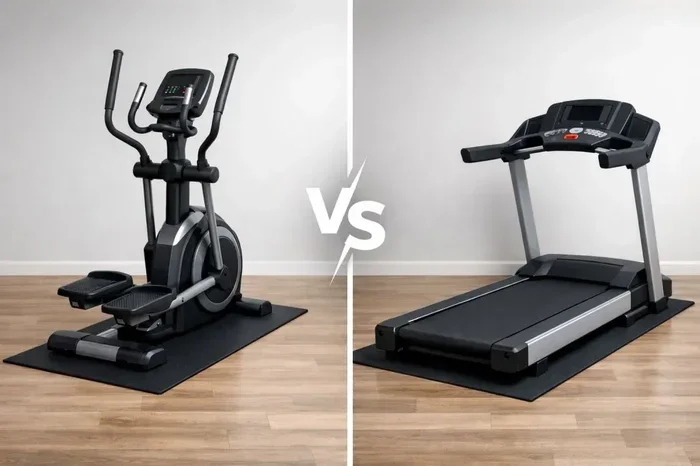
Stationary bike duration is similar to other low-impact cardio machines like ellipticals. A 30-minute ride on a bike provides comparable benefits to 30 minutes on an elliptical or rowing machine. The best duration is the one that fits your goals and feels sustainable for you.