Jumping rope is a fantastic way to burn calories, improve coordination, and build stamina—even if you’ve never tried it before. For beginners, start with short, manageable intervals and gradually increase time and intensity based on your comfort level. Follow our easy‑to‑follow guide to know exactly how long you should jump rope as a beginner and stay motivated every step of the way.
Key Takeaways
- Start small: 30‑second intervals are perfect for absolute beginners.
- Progress gradually: Add 10‑15 seconds each session until you reach 5‑10 minutes.
- Mix intensity: Combine steady jumps with short bursts of high‑intensity intervals.
- Listen to your body: Rest when you feel pain or excessive fatigue.
- Use proper form: Keep elbows close, wrists relaxed, and land softly on the balls of your feet.
- Track progress: Write down time, sets, and how you feel to see improvement.
- Combine with strength work: Pair rope sessions with bodyweight exercises for balanced fitness.
📑 Table of Contents
- Introduction: Why Jump Rope Is a Beginner’s Best Friend
- 1. Understanding the Basics: What “How Long Should I Jump Rope as a Beginner” Really Means
- 2. Setting Up for Success: Gear, Space, and Safety
- 3. The Beginner Timeline: How Long Should I Jump Rope as a Beginner?
- 4. Sample Weekly Schedule (8‑Week Plan)
- 5. Tips to Extend Your Jump Rope Time Safely
- 6. Common Mistakes and How to Fix Them
- Conclusion: Your Path from 30 Seconds to 10 Minutes
Introduction: Why Jump Rope Is a Beginner’s Best Friend
Imagine a piece of equipment that fits in a backpack, burns up to 15 calories a minute, and improves coordination, balance, and heart health all at once. That’s the magic of a jump rope. For many, the idea of “jumping” can feel intimidating—especially if you’ve never held a rope before. But the truth is, you don’t need to be an athlete to start. All you need is a little space, a rope of the right length, and a simple plan that tells you exactly how long you should jump rope as a beginner. This guide breaks down the perfect timing, the why behind each step, and how to keep the momentum going without injury.
In the next few pages, you’ll learn the science of beginner intervals, practical tips for daily practice, and a step‑by‑step progression that takes you from a 30‑second wobble to a confident 10‑minute routine. Ready to lace up those sneakers and start swinging?
1. Understanding the Basics: What “How Long Should I Jump Rope as a Beginner” Really Means
Why Time Matters More Than Speed
When you first ask yourself, “how long should I jump rope as a beginner?” the answer isn’t about sprinting or doing tricks. It’s about building a solid foundation of aerobic endurance and neuromuscular coordination. Short, consistent sessions let your body adapt without overwhelming the joints or the heart.
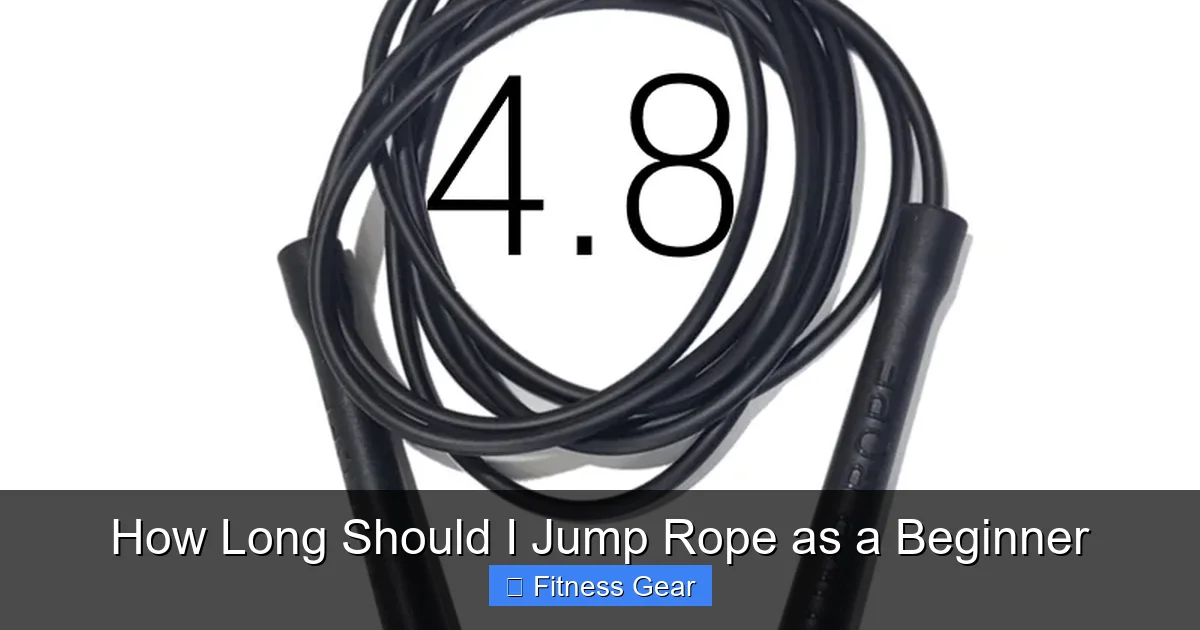
Visual guide about How Long Should I Jump Rope as a Beginner
Image source: images.nexusapp.co
The Role of Cardiovascular Conditioning
Jump rope is essentially a high‑intensity cardio workout. For beginners, the heart needs time to adjust to the rapid rhythm. Starting with 30‑second bursts lets the cardiovascular system warm up, reduces the risk of dizziness, and keeps the workout enjoyable.
Neuromuscular Learning Curve
Coordinating the rope, feet, and wrists is a skill that improves with repetition. Short intervals give your brain the chance to fine‑tune the timing, so you’ll notice fewer tripping mishaps after just a few days.
2. Setting Up for Success: Gear, Space, and Safety
Choosing the Right Rope
Length matters. Stand on the middle of the rope; the handles should reach your armpits. For most adults, a 9‑foot rope works well. If you’re short or tall, adjust accordingly. A weighted rope adds resistance and improves strength, but beginners often prefer a light beaded or PVC rope for speed.
Footwear and Surface
Wear supportive shoes with good cushioning. Jump on a wooden floor, a rubber mat, or a gym surface—avoid concrete. A forgiving surface reduces impact on the knees and ankles, allowing you to focus on duration rather than pain.
Warm‑Up Essentials
- March in place – 1 minute
- Arm circles – 30 seconds each direction
- Ankle rolls – 30 seconds each foot
- Dynamic calf stretch – 1 minute
These moves prepare the joints and muscles for the rhythmic bounce of rope jumping.
3. The Beginner Timeline: How Long Should I Jump Rope as a Beginner?
Week 1: The 30‑Second Test
Start with three sets of 30‑second jumps, followed by 30‑second rest periods. Aim for a total of 5 minutes of work (including rest). This stage is about getting comfortable with the rope’s rhythm.
Week 2: Adding Sets
Increase to four sets of 30‑second jumps, still resting 30 seconds between each. You’ll now be doing about 6‑7 minutes total. Notice how your breathing steadies and your footwork becomes smoother.
Week 3: Extending the Interval
Move to 45‑second jumps with 30‑second rests. Keep the number of sets at four. Total time climbs to roughly 9 minutes. Your body should feel stronger; you may even start to experiment with a basic “single‑under” (the rope passes under your feet once per jump).
Week 4: Reaching the 5‑Minute Mark
Jump for 1 minute, rest for 30 seconds, repeat four times. That’s 6 minutes of work plus rest, totaling about 10 minutes. By now, you’ve built a base of endurance and your coordination is noticeably better.
Weeks 5‑6: Building to 8‑10 Minutes
Gradually add 15‑second increments each session until you can comfortably complete two 5‑minute rounds with 1‑minute rest in between. This aligns with the common beginner goal of 10‑minute continuous jumping.
Beyond 6 Weeks: Personalizing Your Duration
Once you can jump for 8‑10 minutes without major fatigue, you can start tailoring the length to your goals—whether that means longer steady sessions, HIIT intervals (30 seconds fast, 30 seconds slow), or mixing in strength circuits.
4. Sample Weekly Schedule (8‑Week Plan)
Monday – Light Technique Day
Warm‑up → 3 × 30‑second jumps (30‑second rest) → Cool‑down stretch.
Wednesday – Interval Boost
Warm‑up → 4 × 45‑second jumps (30‑second rest) → 2 × 30‑second high‑intensity bursts (15‑second rest) → Cool‑down.
Friday – Endurance Focus
Warm‑up → 2 × 1‑minute jumps (45‑second rest) → 2 × 30‑second jumps (30‑second rest) → Cool‑down.
Saturday – Cross‑Training
Bodyweight circuit (push‑ups, squats, planks) + 5‑minute steady jump rope for cardio.
Rest Days
Take at least two full rest days per week. Light walking or yoga is fine, but give your joints a break from impact.
5. Tips to Extend Your Jump Rope Time Safely
Focus on Form Before Speed
Keep elbows close to your sides, wrists doing the turning, and land softly on the balls of your feet. Good form reduces fatigue and lets you add time without injury.
Use a Metronome or Music
Jumping to a steady beat (around 120‑140 BPM) helps maintain rhythm and makes the minutes feel shorter.
Progressive Overload
Just like weight training, you need to challenge yourself a little each session—add 5‑10 seconds, an extra set, or a faster pace.
Incorporate Active Rest
During rest intervals, march in place or do gentle calf raises. This keeps blood flowing and reduces the shock when you start the next jump.
Stay Hydrated and Fuel Properly
Drink water before and after workouts. A small snack with carbs and protein (like a banana with peanut butter) 30 minutes before jumping can boost stamina.
6. Common Mistakes and How to Fix Them
“I’m Too Out of Shape”
Start with 15‑second jumps if 30 seconds feels impossible. Consistency beats length.
Skipping Warm‑Up
Cold joints lead to shin splints. Always spend 5‑10 minutes warming up.
Using the Wrong Rope Length
If the rope is too long, you’ll constantly trip. Adjust by cutting excess or buying a shorter rope.
Landing Heel‑First
Heel strikes increase impact. Aim for a light bounce on the forefoot.
Ignoring Pain
Soreness is normal, sharp pain is not. Stop and assess if you feel sharp knee or ankle pain.
Conclusion: Your Path from 30 Seconds to 10 Minutes
Answering the question “how long should I jump rope as a beginner” is less about a fixed number and more about a progressive roadmap. Start with 30‑second bursts, add time and sets each week, and listen to your body. Within two months, most beginners comfortably complete 8‑10 minutes of continuous jumping—enough to torch calories, boost heart health, and feel a real sense of achievement.
Remember, the journey is personal. Celebrate every extra 10 seconds, every smoother footwork, and every day you pick up the rope. With the right plan, a little patience, and the tips above, you’ll turn a simple jump rope into a powerful tool for fitness, fun, and confidence.
Frequently Asked Questions
How often should a beginner jump rope?
Three to four times per week is ideal. This frequency allows skill development while giving your muscles and joints enough recovery time.
Can I jump rope on carpet?
It’s possible, but a smooth, low‑pile surface works better. Carpet can snag the rope and increase friction, making it harder to maintain rhythm.
What’s the best rope length for beginners?
Stand on the rope’s middle; the handles should reach your armpits. For most adults, a 9‑foot rope fits this rule, but adjust up or down based on your height.
Should I use a weighted rope as a beginner?
Start with a light PVC or beaded rope. Weighted ropes are great for strength gains, but they require a solid basic technique first.
How do I know when to increase my jump time?
If you finish a session feeling comfortable, with minimal shaking and normal breathing, add 10‑15 seconds to the next workout or add an extra set.
Is jump rope good for weight loss?
Yes. Jumping rope can burn 10‑15 calories per minute, making it an efficient cardio option for fat loss when combined with a balanced diet.