How Long of Jump Rope Do I Need
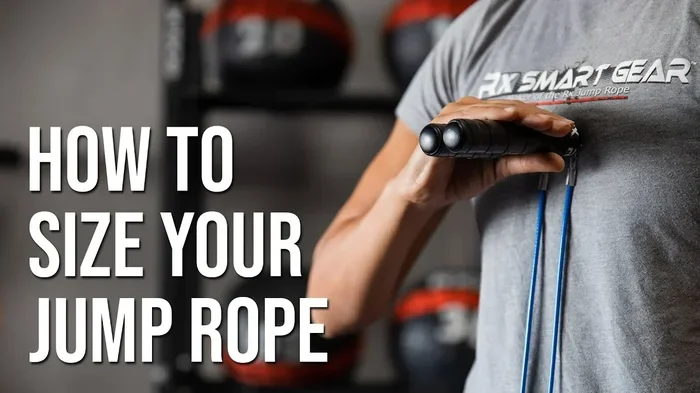
Choosing the right how long of jump rope do I need depends on your height, fitness level, and workout type. A properly sized rope hits your armpits when you stand on the middle. Using the wrong length causes tripping, poor form, and frustration. This guide gives you simple steps to measure and pick the perfect jump rope length every time.
Getting the right how long of jump rope do I need is one of the most important decisions you make as a jumper. A rope that fits your body correctly makes every workout smoother, safer, and more effective. When your rope is the perfect length, you spend less time fixing tangles and more time actually training.
Many people buy a rope and skip the sizing step entirely. They assume one size fits all. It does not. Whether you are a complete beginner or a seasoned athlete, rope length affects your rhythm, your stamina, and even your joints. This guide walks you through everything you need to know about finding your ideal jump rope size.
Key Takeaways
- Stand on the rope: The simplest method to find your ideal jump rope length is to step on the middle and pull the handles up.
- Height matters: Your rope length for height chart should guide your purchase, not guesswork.
- Skill level changes things: Beginners need longer ropes than advanced athletes for better control.
- Workout type matters: Speed ropes and weighted ropes require different sizing approaches.
- Adjustability is key: Always choose a rope you can trim to get the perfect fit.
- Wrong size causes problems: A too-short rope hits your head; a too-long rope tangles and slows you down.
📑 Table of Contents
- Why Jump Rope Length Matters So Much
- How to Measure Jump Rope Length by Height
- Rope Length for Different Skill Levels
- How Rope Type Affects the Right Length
- Step-by-Step: Adjusting Your Jump Rope to the Right Length
- How Tall Should Your Jump Rope Be?
- Signs Your Jump Rope Is the Wrong Length
- How to Choose the Right Jump Rope Based on Your Goals
- Quick Tips for Getting the Perfect Fit Every Time
- Final Thoughts on Finding Your Perfect Jump Rope Length
Why Jump Rope Length Matters So Much
The length of your rope directly impacts your workout quality. A rope that is too short will smack you in the shins or face every rotation. A rope that is too long creates drag, wastes energy, and makes it harder to maintain a steady pace. Both scenarios lead to frustration and can even cause injuries over time.
When you use the correct rope length for your height, you get cleaner revolutions, better breathing control, and smoother transitions between tricks. Your wrists stay relaxed, your elbows stay close to your body, and your jumps stay low and efficient. This is especially important for cardio training and high-intensity interval workouts where rhythm is everything.
The Basics of Rope Sizing
Here is the golden rule of jump rope sizing: when you stand on the middle of the rope and pull the handles upward, the handles should reach your armpits. This simple test works for most people regardless of their experience level. If the handles fall short of your armpits, the rope is too small. If they go way past your shoulders, the rope is too long.
Different rope types have different sizing needs. A speed rope for advanced athletes should be slightly shorter than a weighted rope used for strength training. Your fitness goals and skill level both play a role in finding the perfect fit.
How to Measure Jump Rope Length by Height
The most reliable way to determine your how long of jump rope do I need is by using your height as a starting point. Below is a simple chart that maps common heights to recommended rope lengths.
Quick Measurement Method:
- Stand on the center of the rope with one foot.
- Pull both handles straight up along your body.
- The handles should reach your armpit area.
- If they do not, adjust the rope length accordingly.
For those who prefer a quick reference, here is a general rope length for height guide that works well for most standard beaded and cable ropes:
- Under 5 feet tall: 7 to 8 feet of rope
- 5 feet to 5 feet 4 inches: 8 to 9 feet of rope
- 5 feet 5 inches to 5 feet 9 inches: 9 to 10 feet of rope
- 5 feet 10 inches to 6 feet 2 inches: 10 to 11 feet of rope
- Over 6 feet 2 inches: 11 feet or longer
These numbers give you a solid starting point. But remember, personal preference and workout style can shift your ideal length up or down by a few inches. Always test the rope after adjusting it to make sure it feels right before you commit to cutting or locking it in place.
Using a Rope Length Calculator
If math is not your favorite thing, you can use a rope length calculator online. Many fitness websites and equipment brands offer free tools where you enter your height and skill level, and they give you a recommended rope size. These calculators factor in cable type, handle length, and your preferred workout intensity.
Keep in mind that online calculators give estimates. The physical stand-on test remains the most accurate way to confirm your fit. Use the calculator as a guide, then verify with the hands-on method described above.
Rope Length for Different Skill Levels
Your experience level plays a huge role in determining the right how long of a jump rope do I need. Beginners and advanced jumpers have very different needs when it comes to rope sizing.
Beginners Need Longer Ropes
If you are just starting out, go with a slightly longer rope. Beginners need more time to react and adjust their timing. A longer rope gives you a bigger window to rotate it and jump cleanly. It also helps you develop a smooth rhythm without constantly tripping over the cable.
A good rule for beginners is to add a few extra inches beyond the armpit mark. This extra length makes learning basic jumps, side swings, and simple footwork much easier. As you build confidence and coordination, you can gradually shorten the rope to match your exact ideal length.
Advanced Athletes Need Shorter Ropes
Experienced jumpers who work on double-unders, crossovers, and speed drills benefit from a tighter, shorter rope. A shorter rope rotates faster and gives you more control during complex movements. Advanced athletes often prefer their ropes to hit somewhere between the chest and the armpits when standing on the center.
If you are working on speed rope techniques or training for competitions, precision matters even more. Every inch of rope length affects your rotation speed and timing. Take the time to fine-tune your setup for peak performance.
How Rope Type Affects the Right Length
Not all jump ropes are created equal, and different rope types require different approaches to sizing. The material, weight, and construction of the cable all influence how long your rope should be.
Speed Ropes
Speed ropes are lightweight and thin, designed for fast rotations. Because they are so light, they need to be sized more precisely. Even a few extra inches can cause the rope to drag in the air and slow you down. If you are using a speed rope, aim for a length that hits right at your armpits when you stand on the center.
Speed ropes are popular for HIIT workouts and calorie burning sessions. The right length ensures you maintain a rapid, consistent cadence without wasting energy on unnecessary slack.
Weighted Ropes
Weighted ropes add resistance to build upper body strength and endurance. Because they are heavier, they naturally rotate a bit slower. You can afford to have them slightly longer than a speed rope. Many people find that a rope reaching just below the armpits works well for weighted training.
The extra weight also means you need more clearance space around you. Make sure you have enough room to swing the rope without hitting walls or furniture. Check out our guide on how much room you need to jump rope for tips on setting up your workout space safely.
Beaded and Leather Ropes
Beaded ropes and leather ropes fall somewhere in between. They are heavier than speed cables but lighter than weighted ropes. These ropes are great for beginners learning basic techniques. They provide good feedback through the handles and help you feel the rhythm of each rotation.
For beaded and leather ropes, follow the standard armpit rule. These ropes are also adjustable in most cases, so you can experiment with small length changes until you find your sweet spot.
Step-by-Step: Adjusting Your Jump Rope to the Right Length
Once you know your ideal length, the next step is adjusting your rope. Most modern ropes come with adjustable cables or replaceable sections. Here is a simple process to get it right.
Step 1: Measure and mark the rope at your desired length using the stand-on method. Use a piece of tape or a marker to indicate where you want to cut or lock the rope.
Step 2: If your rope has a screw-adjust mechanism, twist the end cap to shorten the cable. Pull the excess cable out through the other end and secure it properly.
Step 3: If your rope needs to be cut, use sharp scissors and trim at the marked spot. Make sure to seal the cut end with a lighter or heat shrink tube to prevent fraying.
Step 4: Test the adjusted rope immediately. Do a few basic jumps and check if the handles reach your armpits comfortably. Make small adjustments as needed.
Remember, it is always better to cut less than you think you need. You can always trim more, but you cannot add length back once you cut the cable. Take your time and get it right.
Common Mistakes When Adjusting Rope Length
- Cutting the rope too short on the first try.
- Not accounting for the length lost in the handle connection.
- Forgetting to retest after each adjustment.
- Ignoring the rope type and using the same length for all ropes.
Avoid these pitfalls and your jump rope length will be dialed in perfectly every time.
How Tall Should Your Jump Rope Be?
People often ask how tall of a jump rope do I need as if rope height and rope length are the same thing. They are related but not identical. Rope length refers to the total cable measurement, while rope height refers to how high the handles sit when you are standing on the center of the rope.
The ideal handle height is at or near your armpits. If someone asks about how tall of a jump rope do I need, they are really asking about the overall length that will place the handles at the correct height for their body. So the sizing principles remain the same regardless of which term you use.
For a deeper dive into height-based sizing, you can also explore our article on how tall of a jump rope do I need which covers this topic in greater detail.
Signs Your Jump Rope Is the Wrong Length
Sometimes you just know something is off with your rope, but you cannot pinpoint why. Here are clear signs that your jump rope length needs adjustment.
Your rope hits your head or toes: This is the most obvious sign. A rope that is too short will dig into the top of your head or catch your toes on every revolution. A rope that is too long will drag on the ground behind you.
You feel tired too quickly: A rope that is too long requires more effort to rotate. Your shoulders and wrists tire out faster because you are fighting excess cable weight and drag. This kills your workout momentum and makes sessions feel exhausting.
You constantly trip: Frequent tripping during basic jumps often means the rope is not the right length. Even a slight mismatch disrupts your timing and rhythm. Adjust the length and see if your coordination improves immediately.
The rope tangles constantly: Excess rope length creates loops and slack that lead to tangling. If you find yourself untwisting your cable every few minutes, the rope is probably too long for your frame.
If any of these sound familiar, take a few minutes to re-measure your rope using the methods in this guide. A small adjustment can transform your entire workout experience.
How to Choose the Right Jump Rope Based on Your Goals
Your fitness goals should also influence your rope choice and length. Different training objectives call for different setups.
For weight loss and cardio endurance: Choose a lightweight speed rope that hits your armpits. Speed ropes let you maintain a high cadence for longer periods, which maximizes calorie burn. Pair the right rope length with consistent jump rope sessions for the best results.
For building strength and muscle tone: A weighted rope that is slightly longer works best. The added resistance challenges your arms, shoulders, and core. The slightly longer length compensates for the rope’s extra weight and keeps rotations smooth.
For learning tricks and double-unders: Go with a standard speed rope at your exact armpit length. Precision and quick rotations are essential for mastering advanced techniques. A perfectly fitted rope gives you the control you need to progress.
For rehabilitation and gentle fitness: A longer, beaded rope provides a slower, more predictable rotation. This gives your body extra time to react and reduces the intensity slightly, which is helpful during recovery periods.
Quick Tips for Getting the Perfect Fit Every Time
- Always measure your rope before your first workout.
- Wear the shoes you plan to train in when measuring, since sole thickness affects your standing height.
- Re-check your rope length every few months, especially if you grow or change your fitness routine.
- Keep a backup rope at home and one at the gym so you always have the right setup.
- Label your ropes with their correct lengths to avoid confusion.
- When in doubt, go one size longer rather than shorter. You can always trim excess cable.
These simple habits save you time, prevent frustration, and keep your workouts running smoothly. The right how long of jump rope do I need answer is not a one-time fix. It is an ongoing practice that evolves with your fitness journey.
Final Thoughts on Finding Your Perfect Jump Rope Length
Finding the right how long of jump rope do I need does not have to be complicated. With the stand-on method, a basic height chart, and an understanding of your rope type, you can dial in the perfect fit in minutes. The right rope length transforms your workouts from frustrating to fluid. You jump cleaner, train longer, and enjoy every session more.
Take the time to measure properly. Adjust with care. Test and refine until the rope feels like a natural extension of your body. Once you have the right setup, nothing stands between you and a great workout. Grab your rope, clear some space, and get jumping.
For more tips on optimizing your jump rope workouts, check out our guide on how many reps of jump rope you should do to build a structured routine that delivers real results.
Frequently Asked Questions
What happens if my jump rope is too short?
A rope that is too short will hit your head, shins, or toes on every rotation. This causes pain, disrupts your rhythm, and increases your risk of injury. Always make sure your rope is long enough to clear your body comfortably with each turn.
Can I use the same rope length for speed training and strength training?
It is best to adjust your rope slightly for each type of training. Speed training generally calls for a rope that hits right at the armpits, while strength training with a weighted rope allows for a slightly longer length. Small adjustments make a big difference in performance.
How do I know if I need a longer or shorter rope as a beginner?
Beginners should lean toward a slightly longer rope. A longer rope gives you more reaction time and makes it easier to learn basic jumps and rhythms. You can always shorten it later as your skills and confidence grow.
Does rope handle length affect the overall sizing?
Yes, handle length does matter. The handles add several inches to the total rope measurement. When you measure, account for the handle length so you do not end up with a rope that is too long overall. Most sizing guides factor in standard handle sizes.
Should I measure my jump rope with or without shoes?
Always measure while wearing the shoes you plan to train in. Shoe soles add height, and measuring barefoot will give you a rope that is slightly too short once you are in your training shoes. This small detail can make a big difference in fit.
Can I adjust a jump rope that is too long instead of buying a new one?
Absolutely. Most adjustable jump ropes allow you to shorten the cable by a few inches at a time. You can trim the rope gradually until it reaches your ideal length. This saves money and ensures you get the perfect custom fit without replacing the entire rope.