
How Long Do You Boil Eggs Perfectly Every Single Time
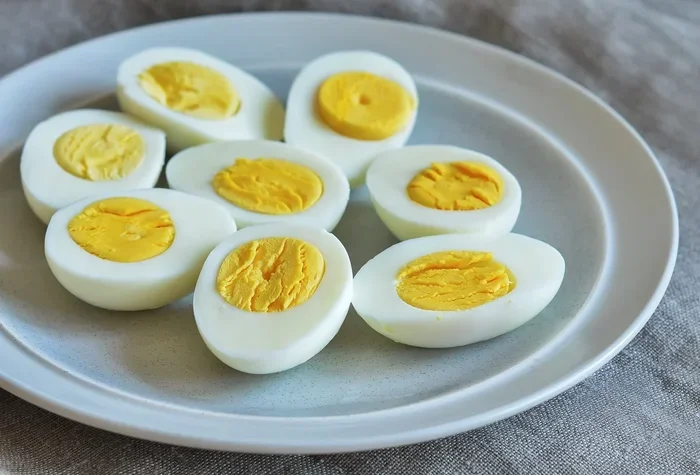
Knowing how long do you boil eggs is the single most important factor in getting perfect eggs every time. Whether you prefer runny soft-boiled yolks or fully set hard-boiled whites, the exact timing and method make all the difference. This guide covers everything from starter water temperature to ice bath tricks that guarantee flawless results.
There is something deeply satisfying about a perfectly boiled egg. The shell cracks cleanly. The white is firm but tender. And the yolk? Exactly the way you like it.
Yet so many people struggle with this simple kitchen task. You set a timer, forget about it, and end up with rubbery whites or gray-green yolks. It does not have to be this way. Once you understand the basics, boiling eggs perfectly becomes second nature.
In this guide, we will walk through every step. From timing to technique to the ice bath secret nobody talks about enough. By the end, you will never second-guess yourself again.
Key Takeaways
- Soft-boiled eggs take 4-6 minutes: Perfect for dipping soldiers or topping rice bowls with a creamy yolk.
- Medium-boiled eggs need 7-9 minutes: A jammy, semi-set yolk that works great in salads and snacks.
- Hard-boiled eggs require 10-12 minutes: Fully set whites and yolks ideal for meal prep and deviled eggs.
- Always use an ice bath: It stops the cooking process and makes peeling a breeze every single time.
- Start with cold water for even cooking: This method prevents cracking and ensures consistent results from batch to batch.
- Egg size and freshness matter: Fresh eggs are harder to peel, so age them a few days for best results.
- A steamer basket is a game-changer: Steaming gives you more control and reduces cracking compared to boiling.
📑 Table of Contents
- Why Timing Matters So Much When You Boil Eggs
- Two Methods for Boiling Eggs: Which One Is Better?
- Exact Timings: How Long Do You Boil Eggs for Each Style
- The Ice Bath: The Secret Most People Skip
- Common Mistakes That Ruin Boiled Eggs
- How to Peel Boiled Eggs Without Losing the White
- How Long Do You Store Boiled Eggs
- Final Thoughts on Boiling Eggs Perfectly
Why Timing Matters So Much When You Boil Eggs
The difference between a great boiled egg and a bad one often comes down to just one or two minutes. That is why understanding how long do you boil eggs is so important. A soft-boiled egg with a runny yolk needs far less time than a hard-boiled one with a fully set center.
Here is why timing is everything:
- Undercooked eggs can be unsafe, especially for young children, pregnant women, or anyone with a weakened immune system.
- Overcooked eggs develop a greenish ring around the yolk. That ring tastes sulfurous and smells unpleasant.
- Even cooking depends on starting temperature, egg size, and whether you drop eggs into boiling water or start them in cold water.
The good news is that once you learn the basic time ranges, you can adjust slightly based on your preferences. No guesswork needed.
The Three Levels of Doneness
Most people fall into one of three categories when it comes to boiled eggs. Let us break them down:
- Soft-boiled: The white is fully set but the yolk is still liquid and creamy. Think of the perfect dip for toast soldiers.
- Medium-boiled: The yolk is jammy and thick but not completely runny. It holds its shape but still has a rich, custard-like center.
- Hard-boiled: Both the white and yolk are fully set. This is the go-to for sliced eggs in salads, deviled eggs, or high-protein snacks.
Each level requires a specific time window. We will cover those in detail below. But first, let us talk about the two main methods you can use.
Two Methods for Boiling Eggs: Which One Is Better?
When it comes to boiling eggs perfectly, there are two popular approaches. Both work well, but they produce slightly different results. Let us compare them.
Method 1: The Cold Start Method
This is the method most home cooks use. You place eggs in a pot, cover them with cold water, bring the water to a boil, and then start timing.
Why people love it: It is simple and forgiving. The eggs heat up gradually, which reduces the chance of cracking. It also cooks them more evenly from edge to center.
When to use it: This method works great for hard-boiled eggs and is ideal for beginners who want consistent results without much fuss.
Method 2: The Boiling Water Method
With this approach, you bring a pot of water to a rolling boil first, then gently lower the eggs in with a spoon or strainer.
Why people love it: It gives you more precise control over timing. The eggs hit the hot water immediately, so the clock starts the second they go in.
When to use it: This method is excellent for soft-boiled eggs where exact timing is critical. The shock of boiling water also helps the shell separate from the membrane, making peeling easier.
Which Method Should You Choose?
If you want foolproof hard-boiled eggs, go with the cold start. If you want precise soft or medium eggs, the boiling water method gives you more control. Honestly, both methods work, and the best one is the one you will actually use consistently.
Some fitness enthusiasts pair their protein-rich eggs with a morning workout routine. If you are curious about how exercise duration affects calorie burn, check out how long you should run on a treadmill for optimal fat loss results.
Exact Timings: How Long Do You Boil Eggs for Each Style
Now for the part you have been waiting for. Here are the precise times for every level of doneness. These timings assume large eggs taken straight from the refrigerator.
Soft-Boiled Eggs: 4 to 6 Minutes
For a runny, liquid yolk with a just-set white, boil for 4 to 6 minutes. At 4 minutes, the white will be barely set and the yolk will flow freely. At 6 minutes, the white is fully set but the yolk is still creamy and spoonable.
Pro tip: Use a slotted spoon to remove the egg immediately. Let it cool for 30 seconds before cracking and eating. Soft-boiled eggs are best enjoyed right away with a pinch of salt and a piece of toast for dipping.
Medium-Boiled Eggs: 7 to 9 Minutes
A medium-boiled egg has a thick, jammy yolk that holds its shape but is not dry. The sweet spot is usually around 7 to 8 minutes. At 9 minutes, the yolk starts to firm up more and approaches a hard-boiled texture.
Pro tip: Medium-boiled eggs are fantastic sliced over avocado toast or added to grain bowls. They add a rich, creamy element that elevates any meal.
Hard-Boiled Eggs: 10 to 12 Minutes
For fully set whites and yolks, boil for 10 to 12 minutes. At 10 minutes, the yolk will be bright yellow and slightly moist. At 12 minutes, it becomes fully cooked with a pale yellow center and no green ring.
Pro tip: If you are batch-cooking eggs for the week, 11 minutes is the sweet spot. It gives you fully cooked eggs that are easy to peel and store well in the fridge.
Quick Reference Timing Chart
Here is a simple summary to keep on your kitchen counter:
- 4 minutes: Very soft, completely liquid yolk, barely set white
- 5 minutes: Soft, thick but runny yolk, fully set white
- 6 minutes: Creamy yolk, fully set white, spoonable texture
- 7 minutes: Jammy yolk, holds shape but still moist
- 8 minutes: Semi-firm yolk, mostly set but still rich
- 9 minutes: Firm yolk, approaching hard-boiled texture
- 10 minutes: Fully hard-boiled, bright yellow yolk
- 11 minutes: Ideal for meal prep, easy to peel
- 12 minutes: Fully set, pale center, no green ring
If you are tracking your calorie intake alongside your fitness goals, eggs are one of the most nutrient-dense foods you can eat. For those interested in how different exercises compare for calorie burn, kettlebell swings are a fantastic full-body workout that pairs well with a protein-rich breakfast of boiled eggs.
The Ice Bath: The Secret Most People Skip
Here is the single most important step in the entire process. The moment your timer goes off, transfer the eggs directly into an ice bath. This is not optional. It is essential.
Why an Ice Bath Matters
When you remove eggs from hot water, the residual heat keeps cooking them. This is called carryover cooking. Without an ice bath, your perfectly timed soft-boiled egg quietly turns into a medium-boiled one while you walk away.
An ice bath does three critical things:
- Stops the cooking immediately, preserving the exact doneness you timed.
- Contracts the egg inside the shell, creating a gap between the egg membrane and the shell for easier peeling.
- Quick-cools the egg, making it safe to handle and ready to eat within minutes.
How to Make the Perfect Ice Bath
Fill a large bowl with equal parts ice and cold water. The ratio should be roughly 50% ice and 50% water. You want the water to be as cold as possible. Drop your eggs in and let them sit for at least 5 minutes. For hard-boiled eggs, 10 minutes in the ice bath works even better.
If you are serious about your fitness routine, you already know consistency is key. The same principle applies to boiling eggs. Consistent timing plus a consistent ice bath equals consistent results every single time.
Common Mistakes That Ruin Boiled Eggs
Even with perfect timing, small mistakes can derail your results. Here are the most common ones and how to avoid them.
Using Eggs Straight from the Fridge
Cold eggs are more likely to crack when dropped into boiling water. If possible, let them sit at room temperature for 5 to 10 minutes before cooking. If you are in a rush, the cold start method helps compensate for this.
Overcrowding the Pot
Too many eggs in one pot means uneven cooking. They bump into each other, crack, and cook inconsistently. Stick to a single layer of eggs with enough water to cover them by at least one inch.
Forgetting to Add Salt or Vinegar
Adding a teaspoon of salt or a splash of vinegar to the water can help if an egg does crack. The salt firms the white faster, and the vinegar helps the egg white solidify before it leaks out of the shell. It is a small trick that saves wasted eggs.
Peeling Eggs Immediately While Still Hot
Wait until the eggs are completely cool before peeling. The shell and membrane cling much more tightly to hot eggs. Once they are chilled in the ice bath, they peel like a dream.
If you are looking for high-protein snacks to fuel your workouts, eggs are a top choice. Pair them with a solid kettlebell workout routine and you have a winning combination for building strength and staying lean.
How to Peel Boiled Eggs Without Losing the White
Peeling should be the easiest part. Yet so many people struggle with it. Here is the foolproof method that works every time.
- Take a cooled egg and gently tap it on a hard surface all around.
- Roll the egg between your palms to create tiny cracks across the entire shell.
- Start peeling at the wider end, where the air pocket is located.
- Slide the spoon under the shell to lift it away cleanly.
- Run the egg under cool water while peeling for even smoother results.
The water method is a game-changer. The water seeps between the shell and the egg white, creating a natural lubricant that prevents tearing. This is especially helpful with fresh eggs, which tend to cling more stubbornly to their shells.
How Long Do You Store Boiled Eggs
Properly stored boiled eggs last up to 5 days in the refrigerator. Keep them in a covered container or a sealed bag. Do not leave them at room temperature for more than two hours.
Hard-boiled eggs should be stored unpeeled until you are ready to eat them. The shell acts as a natural barrier that keeps the egg fresh and prevents it from absorbing fridge odors.
If you are meal prepping for the week, boil a batch on Sunday and store them in the fridge. Grab one or two each morning for a quick, protein-packed breakfast that takes under a minute to prepare.
Final Thoughts on Boiling Eggs Perfectly
Mastering how long do you boil eggs is one of the simplest kitchen skills you can learn. Once you know the timing ranges and the ice bath trick, you will never go back to guessing again. Whether you want a soft-boiled egg for breakfast or a batch of hard-boiled eggs for the week, the method is the same. Set your timer, use cold water or boiling water depending on your preference, and always cool them down fast.
The beauty of boiled eggs is their simplicity. No fancy equipment. No complicated recipes. Just eggs, water, heat, and a little patience. With the guidelines in this article, you will get consistent, perfect results every single time.
So go ahead. Grab some eggs from the fridge. Fill a pot with water. Set your timer. And enjoy one of the most nutritious, delicious, and effortless foods nature has to offer.
For those who are curious about how different exercise durations compare, rowing machine sessions are another great way to build a balanced fitness routine alongside a healthy diet rich in whole foods like eggs.
Frequently Asked Questions
Can I boil eggs without a timer?
You can, but a timer removes all guesswork. Boiled eggs are all about precision, and even a one-minute difference changes the yolk from runny to fully set. Use a phone timer or a kitchen timer for the best results.
Why do my hard-boiled eggs have a green ring around the yolk?
The green ring is caused by overcooking. When eggs boil too long, the yolk reacts with sulfur in the white and forms iron sulfide. Stick to 10-12 minutes and use an ice bath immediately to prevent this.
Are brown eggs different from white eggs for boiling?
No. The color of the shell has no effect on how the egg cooks or tastes. The only thing that matters is egg size, freshness, and starting temperature.
Can I boil eggs in an electric kettle or instant pot?
Yes. Electric kettles heat water fast but require careful timing. Instant pots are excellent for batch cooking and produce very consistent results. Adjust times slightly for pressure cooking methods.
How do I know if a boiled egg is fully cooked?
For hard-boiled eggs, the yolk should be fully set with no liquid center. For soft-boiled eggs, the white should be firm but the yolk should still be liquid and creamy. A quick visual check when you crack the egg open confirms doneness.
Do fresh eggs or older eggs boil better?
Older eggs (7-10 days old) are easier to peel because the air pocket inside grows over time, separating the shell from the egg white. Fresh eggs are great for baking but can be frustrating to peel after boiling.


