How Is Almond Milk Made A Simple Step by Step Guide
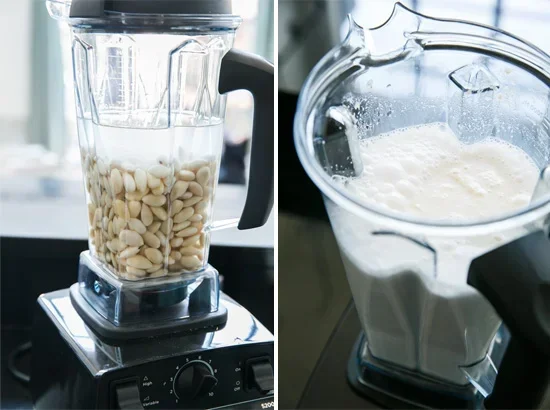
Almond milk is made by soaking raw almonds, blending them with water, and straining the mixture to create a creamy, dairy-free milk. This guide walks you through every step of the process so you can make fresh almond milk at home with just two ingredients and a few simple tools.
Have you ever wondered how is almond milk made? It is one of the most popular plant-based drinks in the world right now. People add it to their coffee, pour it over cereal, and blend it into smoothies. The good news is that making almond milk at home is surprisingly easy. You do not need fancy equipment or a chemistry degree. All you need are raw almonds, water, and a little patience.
In this guide, we will walk you through every single step of the almond milk process. You will learn how to soak your almonds, blend them to perfection, and strain them into smooth, creamy milk. We will also share tips on how to customize your drink and store it properly. Whether you are new to plant-based drinks or a seasoned pro, this article has something useful for you.
Almond milk has been around for centuries. People in the Middle Ages made early versions of it as a dairy alternative during fasting periods. Today, it is a staple in kitchens around the globe. The homemade almond milk recipe we share below is based on traditional methods but simplified for modern kitchens. Let us dive in and explore how this nutritious drink comes together.
Key Takeaways
- Making almond milk is incredibly simple and requires only raw almonds, water, and a blender.
- Soaking the almonds overnight softens them and improves the creamy texture of the final product.
- Straining is the key step that separates the smooth liquid from the pulp, giving you that familiar milky consistency.
- Homemade almond milk lasts 3-5 days in the fridge and contains no added preservatives or sweeteners.
- You can customize your almond milk with dates, vanilla, or cocoa for extra flavor and nutrition.
- Almond milk is a great low-calorie alternative to dairy and works well in smoothies, cereal, and baking.
📑 Table of Contents
- What You Need to Make Almond Milk
- Step-by-Step: How Is Almond Milk Made
- Why Make Almond Milk at Home
- Comparing Homemade vs Store-Bought Almond Milk
- Health Benefits of Almond Milk
- Common Mistakes to Avoid When Making Almond Milk
- Creative Ways to Use Homemade Almond Milk
- Frequently Asked Questions
- Final Thoughts
What You Need to Make Almond Milk
Before you start, gather your ingredients and tools. The almond milk ingredients list is short and simple. You probably already have most of these items in your kitchen.
Ingredients
- 1 cup raw almonds — Look for raw, unsalted almonds. These work best for a clean, neutral flavor.
- 3 to 4 cups filtered water — For soaking and blending. Filtered water tastes better and removes impurities.
- Pinch of salt — Optional. It enhances the natural flavor of the almonds.
- Sweetener — Optional. Use dates, honey, or maple syrup if you like a sweeter drink.
- Vanilla extract — Optional. A small splash adds a lovely aroma and taste.
Tools You Will Need
- A large bowl — For soaking the almonds overnight.
- A high-speed blender — A standard blender works fine. A high-speed blender produces a smoother result.
- A nut milk bag or cheesecloth — This is essential for straining the almond pulp from the liquid.
- A fine mesh strainer — Optional but helpful for extra smoothness.
- A glass jar or bottle — For storing your finished almond milk in the fridge.
Once you have everything ready, you are just minutes away from making your own fresh almond milk recipe at home. The process is straightforward and satisfying.
Step-by-Step: How Is Almond Milk Made
Now let us get into the heart of the matter. Here is the full almond milk process broken down into simple steps. Follow along and you will have fresh, creamy homemade almond milk by the end of the day.
Step 1: Soak the Almonds
Place your raw almonds in a large bowl. Cover them with about 2 cups of filtered water. The almonds should be fully submerged with at least an inch of water above them. Let them sit on your counter overnight, or for at least 8 to 12 hours.
Soaking is a critical step in the almond milk process. It softens the almonds, making them easier to blend. Soaking also helps remove phytic acid, which can interfere with nutrient absorption. After soaking, drain the water and rinse the almonds thoroughly under cool running water.
Quick Tip: The water you soak the almonds in contains enzymes and nutrients. Some people save this water for baking or cooking. However, for the smoothest almond milk, always rinse the almonds with fresh water before blending.
Step 2: Blend the Almonds with Water
Add the soaked almonds to your blender. Pour in 3 to 4 cups of fresh filtered water. The ratio of water to almonds determines how thick or thin your milk will be. Use 3 cups for a creamier consistency. Use 4 cups for a lighter, more watery milk.
Blend on high speed for about 1 to 2 minutes. You want the mixture to look completely smooth and uniform. The almonds should be broken down into a fine pulp suspended in the water. Stop and check the texture. If it still feels gritty, blend for another 30 seconds.
Quick Tip: Do not overfill your blender. Leave some space for the mixture to move around. Blending in batches gives you a smoother result and protects your blender motor.
Step 3: Strain the Mixture
This is the step that transforms your blended mixture into actual milk. Place your nut milk bag or cheesecloth over a large bowl or pitcher. Pour the blended mixture slowly into the bag.
Gather the edges of the bag and twist them together. Squeeze firmly but gently. You will watch the creamy white liquid squeeze through into the bowl below. The leftover almond pulp stays inside the bag. Keep squeezing until you extract as much liquid as possible.
Quick Tip: Do not throw away the almond pulp. It is full of fiber and nutrients. You can add it to smoothies, bake with it, or mix it into oatmeal for extra nutrition.
Step 4: Customize and Flavor
Now comes the fun part. Your base almond milk is ready, but you can make it your own. Here are some popular almond milk recipe variations to try:
- Sweet Almond Milk: Add 2 to 3 Medjool dates and blend again for 30 seconds. Strain as usual.
- Vanilla Almond Milk: Add half a teaspoon of vanilla extract and a pinch of salt. Mix well.
- Chocolate Almond Milk: Add two tablespoons of cocoa powder and a date for sweetness. Blend and strain.
- Unsweetened Almond Milk: Skip all add-ins and enjoy the natural, mild flavor of almonds.
Each variation gives you a different taste experience. Feel free to experiment and find your favorite combination. Homemade almond milk recipe versions are always better than store-bought because you control exactly what goes in.
Step 5: Store and Enjoy
Pour your finished almond milk into a clean glass jar or bottle. Seal it tightly and place it in the refrigerator. Homemade almond milk without preservatives will stay fresh for about 3 to 5 days.
You may notice the milk separating after a day or two. This is completely natural. Just give it a good shake before pouring. The separation happens because there are no stabilizers or emulsifiers in your homemade version.
Quick Tip: Always use a clean jar and a clean spoon when handling your almond milk. This helps prevent bacteria growth and keeps your drink fresh for the full 3 to 5 days.
Why Make Almond Milk at Home
You might be wondering why you should bother making almond milk yourself when you can buy it at the store. There are several great reasons to try the homemade route.
You Control the Ingredients
When you make almond milk at home, you know exactly what is in it. Store-bought versions often contain added sugars, thickeners, preservatives, and artificial flavors. With a homemade recipe, you decide how sweet it is and what goes into it.
It Tastes Fresher
Homemade almond milk has a clean, fresh taste that store-bought versions cannot match. The flavor is mild and nutty. It blends beautifully into coffee and tea without curdling or separating.
It Saves Money
A bag of raw almonds costs less than buying several cartons of almond milk at the grocery store. When you factor in how much milk one cup of almonds produces, the savings add up quickly over time.
It Is Better for the Environment
Making your own plant-based milk reduces packaging waste. You reuse your blender, your nut milk bag, and your glass jars. There are no plastic cartons ending up in the recycling bin every week.
Comparing Homemade vs Store-Bought Almond Milk
Not sure whether to stick with store-bought or switch to homemade? Here is a quick comparison to help you decide.
| Factor | Homemade Almond Milk | Store-Bought Almond Milk |
|---|---|---|
| Ingredients | Just almonds and water | Often contains additives and preservatives |
| Shelf Life | 3 to 5 days | Several weeks to months |
| Cost | Lower per serving | Higher per serving |
| Taste | Fresh and natural | Varies by brand |
| Customization | Fully customizable | Limited options |
| Convenience | Requires preparation | Ready to drink |
| Nutritional Value | Higher in actual almonds | Often diluted with more water |
As you can see, homemade almond milk wins in several categories. It is healthier, cheaper, and tastes better. The only trade-off is convenience. Store-bought almond milk is faster to grab off the shelf. But once you start making your own, you will never go back.
Health Benefits of Almond Milk
Almond milk is not just a tasty dairy-free option. It also offers several health benefits that make it a smart choice for many people.
Low in Calories
Unsweetened almond milk is very low in calories. A one-cup serving typically contains around 30 to 50 calories. This makes it an excellent choice for people watching their calorie intake. It is a popular addition to weight management plans, including those focused on cardio exercise like using a rowing machine for weight loss or an exercise bike for weight loss. You can enjoy a refreshing glass without worrying about extra calories.
Rich in Vitamins and Minerals
Almonds naturally contain vitamin E, magnesium, and calcium. When you make almond milk at home, you retain many of these nutrients. Some store-bought brands also add extra vitamins and minerals during production.
Lactose-Free and Dairy-Free
Almond milk contains no lactose, making it a perfect alternative for people with dairy sensitivities. It is also suitable for vegans and those following a plant-based diet. This makes almond milk one of the most accessible dairy-free options available.
Heart-Healthy Fats
Almonds are a source of healthy monounsaturated fats. These fats support heart health and help manage cholesterol levels. Drinking almond milk as part of a balanced diet can contribute to your overall wellness.
No Artificial Additives
When you make your own, you avoid the carrageenan, gums, and artificial sweeteners found in many commercial brands. This is especially important for people with sensitive stomachs or those who prefer clean-label foods.
Common Mistakes to Avoid When Making Almond Milk
Even though the process is simple, there are a few common mistakes that can ruin your batch. Here is what to watch out for.
Skipping the Soaking Step
Some people try to blend dry almonds with water. This does not work well. The almonds will not break down properly, and your milk will taste gritty and unpleasant. Always soak your almonds for at least 8 hours before blending.
Using Too Little Water
If you do not add enough water during blending, the mixture will be too thick and pasty. You will struggle to strain it properly. Stick to the recommended ratio of about 3 to 4 cups of water per cup of almonds.
Not Straining Thoroughly
Rushing the straining step leads to a grainy, uneven texture. Take your time. Squeeze the nut milk bag slowly and evenly. If you want ultra-smooth milk, strain it a second time through a fine mesh strainer.
Storing It in the Wrong Container
Always store your almond milk in a clean, airtight glass jar. Plastic containers can absorb odors and may leach chemicals over time. A glass jar keeps your almond milk recipe tasting fresh and safe.
Forgetting to Shake Before Pouring
Separation is normal in homemade almond milk. The natural oils in almonds will rise to the top. Always shake the jar well before pouring to mix the water and nutrients back together.
Creative Ways to Use Homemade Almond Milk
Once you master the basic process, you will find all kinds of uses for your fresh almond milk. Here are some ideas to get you started.
- Smoothies: Use it as the base for fruit and vegetable smoothies. It pairs well with banana, berries, and spinach.
- Overnight Oats: Pour it over oats with chia seeds and your favorite fruit for a quick breakfast.
- Baking: Replace dairy milk with almond milk in pancakes, muffins, and cakes.
- Coffee and Tea: Add a splash to your morning coffee or herbal tea for a creamy finish.
- Soups: Use almond milk as a base for creamy soups like tomato or butternut squash.
- Ice Cream: Blend frozen bananas with almond milk and a touch of vanilla for a healthy frozen treat.
The versatility of homemade almond milk is one of the best things about making it yourself. You can use it in nearly any recipe that calls for dairy milk. It is a staple ingredient in any health-conscious kitchen.
Frequently Asked Questions
Can I reuse the almond pulp after straining?
Yes, absolutely. The leftover almond pulp is full of fiber and nutrients. You can add it to smoothies, mix it into oatmeal, or use it in baking recipes like muffins and crackers. Do not throw it away — it is still very useful.
How long does homemade almond milk last in the fridge?
Homemade almond milk without preservatives stays fresh for about 3 to 5 days when stored in a clean glass jar in the refrigerator. Always shake it before using, as natural separation occurs over time.
Do I need a special blender to make almond milk?
No, a standard household blender works perfectly fine. A high-speed blender will produce a smoother result, but any decent blender can handle the job. Just make sure to blend for at least 1 to 2 minutes on high speed.
Is homemade almond milk better than store-bought?
Most people find that homemade almond milk tastes fresher and contains fewer additives. You control the ingredients, the sweetness level, and the thickness. It is also more cost-effective in the long run and better for the environment.
Can I make almond milk without soaking the almonds first?
You can, but the results will not be as good. Unsoaked almonds are harder and more difficult to blend. The milk will likely be grainy and less creamy. Soaking for at least 8 hours produces a much smoother and better-tasting result.
Is almond milk a good source of protein?
Almond milk is lower in protein compared to cow’s milk. A one-cup serving of homemade almond milk contains about 1 to 2 grams of protein. If you need more protein, consider adding a scoop of protein powder or pairing your almond milk with protein-rich foods.
Final Thoughts
Now you know exactly how is almond milk made. The process is simple, rewarding, and incredibly easy to fit into your daily routine. From soaking the almonds to blending and straining, each step brings you closer to a fresh, healthy drink that you can enjoy all week long.
Making almond milk at home gives you full control over what goes into your body. You avoid unnecessary additives, save money, and reduce packaging waste. The health benefits of almond milk make it a smart choice for almost any diet or lifestyle.
Start with the basic recipe and experiment with flavors as you get comfortable. Add dates for sweetness, vanilla for aroma, or cocoa for a chocolatey twist. The possibilities are endless. Once you taste the difference between homemade and store-bought, you will wonder why you ever bought it from a carton.
So grab a bag of raw almonds, set aside a few minutes, and give it a try. Your taste buds and your body will thank you. Fresh, creamy, and completely customizable — homemade almond milk is one of the simplest and most rewarding things you can make in your kitchen today.