How to Build Endurance on an Exercise Bike
Building endurance on an exercise bike is one of the smartest moves you can make for your heart, lungs, and overall fitness. This guide walks you through proven training methods, nutrition tips, and common mistakes to avoid so you can ride longer and stronger. Whether you are a beginner or returning to cycling, you will find a clear path to better stamina and cardiovascular fitness right here.
Want to know how to build endurance on an exercise bike? You have come to the right place. Building stamina on a stationary bike is one of the best ways to improve your heart health and reach your fitness goals. This guide covers everything from beginner routines to advanced training methods that actually work. You will learn practical tips, common mistakes to avoid, and expert strategies backed by real results. By the end, you will have a clear plan to ride longer, stronger, and with more confidence than ever before.
Riding an exercise bike is a fantastic way to stay active without putting stress on your joints. Many people start indoor cycling to improve their cardiovascular fitness and burn calories. But here is the real question: how do you actually build lasting endurance on the bike?
Endurance is not something you develop overnight. It takes consistent effort, smart planning, and a lot of patience. Whether you are new to endurance training or looking to push past a plateau, this article has you covered. We will walk you through every step of the process in a simple and easy-to-follow way.
Key Takeaways
- Start with clear goals: Setting realistic targets keeps you motivated and on track.
- Use steady-state and interval training: Both methods build stamina in different but complementary ways.
- Apply progressive overload: Gradually increase duration, resistance, or speed to keep improving.
- Fuel and recover properly: Nutrition and rest are just as important as the ride itself.
- Avoid common mistakes: Skipping warm-ups and riding at the same intensity every day can stall progress.
- Track your progress: Monitoring your rides helps you stay motivated and see real results.
📑 Table of Contents
Understanding Endurance and Why It Matters
What Does Endurance Really Mean?
Endurance is your body’s ability to sustain physical effort over a long period of time. When you ride an exercise bike regularly, your heart, lungs, and muscles all work together to keep you going. This is called aerobic capacity, and it is the foundation of every great cycling routine.
Think of endurance like a fuel tank. The bigger your tank, the longer you can ride without feeling tired. The good news is that everyone can grow their tank with the right approach. You do not need to be a professional athlete to see real gains. Even short, consistent sessions add up over time.
When you use an exercise bike to lose weight and build stamina at the same time, you are getting a double benefit. The bike works your large muscle groups in the legs, which increases your calorie burn and improves your overall cardiovascular fitness. This makes it one of the most efficient tools for total body conditioning.
Why an Exercise Bike Is Perfect for Stamina Building
An exercise bike offers a low-impact cardio workout that is gentle on your knees, hips, and back. Unlike running or jumping, cycling puts very little stress on your joints. This makes it ideal for people of all ages and fitness levels who want to build stamina safely.
Here are some reasons why an exercise bike is great for stamina building:
- Easy on your joints: You can ride every day without worrying about soreness or injury.
- Adjustable intensity: You can increase or decrease the pedal resistance to match your fitness level.
- Convenient: You can exercise at home any time of day without worrying about weather or traffic.
- Consistent training: A stationary bike lets you maintain a steady pace, which is key for building endurance.
- Heart healthy: Regular cycling strengthens your heart and improves blood circulation throughout your body.
How to Start Building Your Exercise Bike Endurance
Set Clear and Realistic Goals
Before you hop on the bike, take a moment to define what you want to achieve. Are you trying to ride for 30 minutes straight? Do you want to complete a 60-minute session? Setting clear fitness goals gives you direction and motivation.
Start with goals that feel challenging but still achievable. For example, aim to ride for 15 minutes without stopping in your first week. Then add five minutes each week. This gradual approach keeps you from burning out and helps your body adapt safely.
Your training plan should include both short and long rides. Short rides build your base fitness, while longer rides push your endurance limits. Balance is the key to steady progress. Write your goals down and revisit them every few weeks to see how far you have come.
Create a Weekly Cycling Routine
Consistency is the secret ingredient when it comes to building endurance. Aim to ride your bike at least three to four times per week. Each session should last between 20 and 45 minutes to start.
Here is a simple weekly schedule you can follow:
- Monday: Easy 20-minute ride at a comfortable pace
- Wednesday: 30-minute steady-state session with moderate resistance
- Friday: 25-minute interval workout (alternating fast and slow speeds)
- Saturday: 40-minute long ride at a relaxed pace
As your body adapts, you can increase the duration and frequency of your rides. The important thing is to show up and put in the work. Over time, you will notice that you can ride longer without getting tired as quickly.
Many people wonder whether they should focus on speed or duration first. The answer is simple: build duration first. Once you can comfortably ride for 45 minutes or more, you can start working on speed and intensity. This approach keeps your exercise bike workout safe and effective.
Also, consider how how effective an exercise bike is for losing weight when you combine endurance training with a healthy diet. The bike burns calories during the ride and keeps your metabolism elevated afterward. This makes it a powerful tool for anyone looking to improve their body composition while building stamina.
The Best Training Methods for Stamina
Start with Steady-State Cardio
Steady-state cardio means riding at a consistent pace and resistance for an extended period. This is the foundation of any good endurance program. It trains your heart and lungs to deliver oxygen more efficiently to your working muscles.
To do a steady-state ride, set a comfortable resistance level and maintain a steady cadence. You should be able to hold a conversation while riding. If you are gasping for air, slow down. The goal is to stay in a heart rate zone where your body burns fat and builds aerobic capacity.
Start with 20-minute steady-state rides and gradually increase to 45 minutes or more. This type of training is the backbone of endurance training and should make up the majority of your weekly rides. Over several weeks, you will notice that your resting heart rate drops and your energy levels rise throughout the day.
Add Interval Training to Your Workout
Once you have a solid base, it is time to add interval training to your routine. Intervals alternate between high-effort bursts and recovery periods. This method is one of the fastest ways to boost your stamina and improve your overall fitness.
Here is a beginner-friendly interval workout you can try:
- Warm up for 5 minutes at an easy pace
- Ride hard for 30 seconds (increase resistance or speed)
- Recover for 90 seconds at an easy pace
- Repeat this cycle 8 to 10 times
- Cool down for 5 minutes
Interval training pushes your body beyond its comfort zone. This forces your muscles and cardiovascular system to adapt and grow stronger. Over time, you will notice that your regular rides feel easier and more enjoyable.
You can also adjust the workout intensity based on your current fitness level. If 30 seconds feels too short, try 45 seconds. If 90 seconds of recovery feels too long, shorten it to 60 seconds. The key is to challenge yourself without overdoing it. Always listen to your body and adjust as needed.
Use Progressive Overload to Keep Improving
Progressive overload means gradually increasing the demands on your body over time. This principle applies to all forms of fitness, and cycling is no exception. Without it, your body gets used to the same routine and stops making progress.
There are several ways to apply progressive overload to your rides:
- Increase duration: Add 5 minutes to your ride each week
- Increase resistance: Turn up the tension slightly every couple of sessions
- Increase frequency: Add one more ride day per week
- Increase speed: Try to maintain a slightly faster cadence
You do not need to change everything at once. Pick one variable to adjust each week and give your body time to adapt. This steady approach prevents injury and ensures long-term progress. Within just a few months of consistent progressive overload, you will be amazed at how much your endurance has grown.
Nutrition and Recovery for Better Endurance
Fuel Your Body the Right Way
What you eat plays a huge role in how well you perform on the bike. Your body needs the right fuel to sustain long rides and recover quickly afterward. A balanced diet rich in carbohydrates, protein, and healthy fats supports calorie burn and energy production.
Before a ride, eat a light meal or snack that is easy to digest. A banana, a slice of toast, or a small bowl of oatmeal works great. After your ride, focus on protein to help your muscles repair and grow. Lean chicken, eggs, Greek yogurt, or a protein shake are all excellent choices.
Staying hydrated is equally important. Drink water throughout the day, and sip water during your ride. Dehydration can cause fatigue, dizziness, and poor performance. Keep a water bottle within arm’s reach every time you get on the bike. Proper hydration also helps your muscles maintain leg strength during longer sessions.
Prioritize Rest and Recovery Time
Many people forget that endurance is built during rest, not during the ride itself. When you give your body time to recover, your muscles repair and grow stronger. Skipping rest days can lead to burnout, injury, and stalled progress.
Make sure you are getting 7 to 9 hours of sleep each night. Sleep is when your body does its most important repair work. On rest days, you can take a light walk or do some gentle stretching to stay active without overloading your system.
Also, listen to your body. If you feel unusually tired or sore, take an extra rest day. Pushing through pain is a fast track to injury. Smart training means knowing when to go hard and when to back off. Recovery is not laziness, it is part of the process.
One more thing to keep in mind: your breathing technique matters a lot during endurance rides. Practice deep, rhythmic breathing through your nose and out through your mouth. This delivers more oxygen to your muscles and helps you maintain a steady pace for longer periods.
Common Mistakes That Slow Your Progress
Building endurance takes time, but certain mistakes can slow you down significantly. Here are the most common ones to avoid:
- Skipping warm-ups: Jumping straight into a hard ride puts unnecessary strain on your muscles. Always spend 5 to 10 minutes warming up at an easy pace.
- Riding at the same intensity every day: Your body needs variety to keep improving. Mix easy rides with challenging ones for the best results.
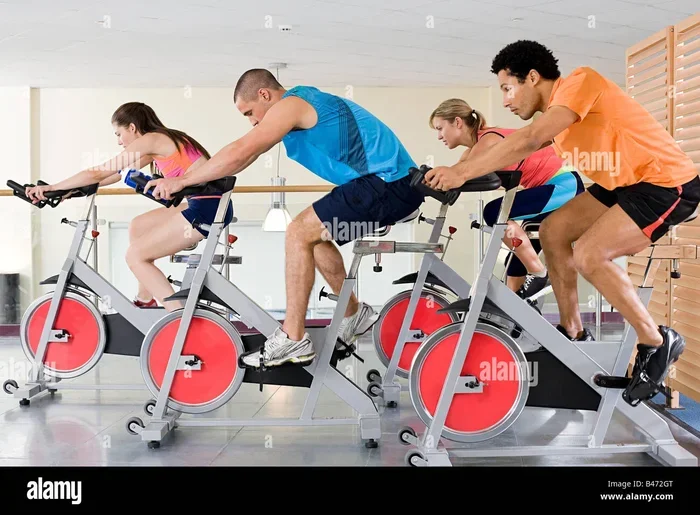
- Neglecting proper form: Slouching on the handlebars or locking your knees can cause pain and reduce your efficiency. Sit up straight, keep a slight bend in your elbows, and adjust your seat height properly.
- Setting unrealistic goals: Expecting to double your ride time in one week is a recipe for frustration. Set small, achievable milestones and celebrate each one.
- Ignoring nutrition: You cannot build endurance on an empty stomach. Fuel your body properly before and after every ride.
If you are new to cycling, you might also wonder how long you should be on an exercise bike each session to see real results. A good starting point is 20 to 30 minutes per ride, three to four times per week. You can learn more about optimal session length in our guide on how long you should be on an exercise bike for the best outcomes.
Tracking Your Progress and Staying Motivated
Keeping track of your rides is one of the most powerful tools for building endurance. Most modern exercise bikes come with built-in screens that track your distance, speed, calories burned, and heart rate. Use this data to monitor your progress over time.
You can also use a simple notebook or a fitness app to log your sessions. Write down how long you rode, what resistance level you used, and how you felt afterward. After a few weeks, you will start to see clear patterns of improvement. Seeing your numbers go up is incredibly motivating.
Staying motivated can be tough, especially in the early weeks when progress feels slow. Here are a few tips to keep you going:
- Find a cycling partner: Having someone to share your journey with makes it more fun and keeps you accountable.
- Set mini-milestones: Instead of focusing only on big goals, celebrate small wins like completing a 30-minute ride or beating your previous time.
- Mix up your playlist: Music can make a huge difference in your motivation. Create playlists with songs that energize you.
- Reward yourself: Treat yourself to something nice after hitting a milestone. It does not have to be big, just something that makes you feel proud.
Many people also ask whether indoor cycling is effective for weight loss. The answer is yes. Cycling burns calories and helps build lean muscle, which boosts your metabolism. To learn more about how an exercise bike supports your goals, check out our article on how an exercise bike helps you lose weight for a deeper look at the science behind it.
Conclusion
Building endurance on an exercise bike is a journey that requires patience, consistency, and smart planning. You have learned how to set goals, create a routine, use interval training, fuel your body properly, and avoid common mistakes. These strategies work together to help you ride longer, feel stronger, and enjoy the process.
Remember, every expert was once a beginner. Do not get discouraged if progress feels slow at first. Trust the process, stay consistent, and celebrate every small victory along the way. Your future self will thank you for showing up today.
Now that you have all the tools and knowledge you need, it is time to get on the bike and start building your endurance. Your fitness goals are within reach, and every ride brings you one step closer. Start small, stay consistent, and watch your stamina grow. The best time to begin was yesterday, and the second best time is right now.
Frequently Asked Questions
How long does it take to build endurance on an exercise bike?
Most people start noticing improvements in their stamina within two to four weeks of consistent riding. Significant gains in endurance usually become obvious after six to eight weeks of regular training. Your results depend on how often you ride, your starting fitness level, and how well you follow a structured plan.
Is 30 minutes on an exercise bike enough to build endurance?
Thirty minutes is a great starting point for building endurance, especially if you are a beginner. As your fitness improves, you can gradually increase your ride time to 45 or 60 minutes. The key is consistency, so riding 30 minutes four times a week will produce better results than one long session.
Should I build endurance on an exercise bike every day?
Riding every day is not necessary and can lead to burnout or injury. Aim for three to five rides per week, with at least one or two rest days. On rest days, you can do light stretching or a gentle walk to stay active without overloading your body.
Can beginners build endurance on an exercise bike?
Absolutely. Exercise bikes are perfect for beginners because you can control the intensity and duration of every session. Start with short, easy rides and gradually increase your time and resistance. The beauty of indoor cycling is that you can go at your own pace without any pressure.
What is the best resistance level for building endurance?
A moderate resistance level that challenges you but still allows you to maintain a steady cadence is ideal for endurance building. You should feel your legs working but not be struggling to keep going. As your stamina improves, you can slowly increase the resistance to continue making progress.
Does building endurance on an exercise bike help with weight loss?
Yes, building endurance on an exercise bike supports weight loss by increasing your calorie burn and improving your metabolic rate. Longer rides burn more calories, and regular endurance training helps your body become more efficient at using fat for fuel. Combine your cycling routine with a balanced diet for the best results.