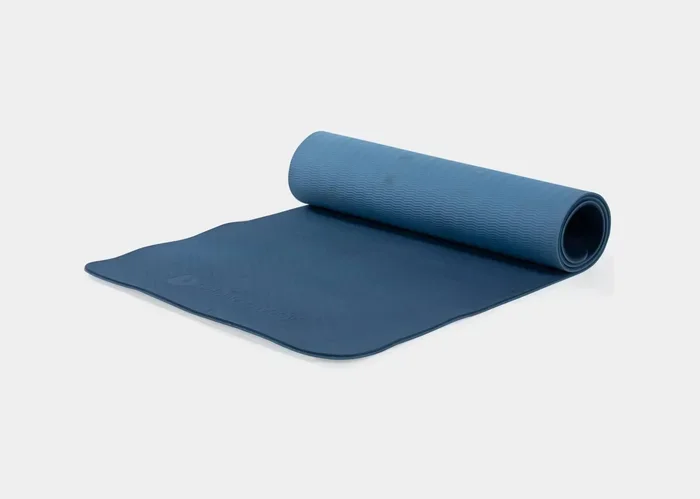
How Do I Choose a Yoga Mat 2
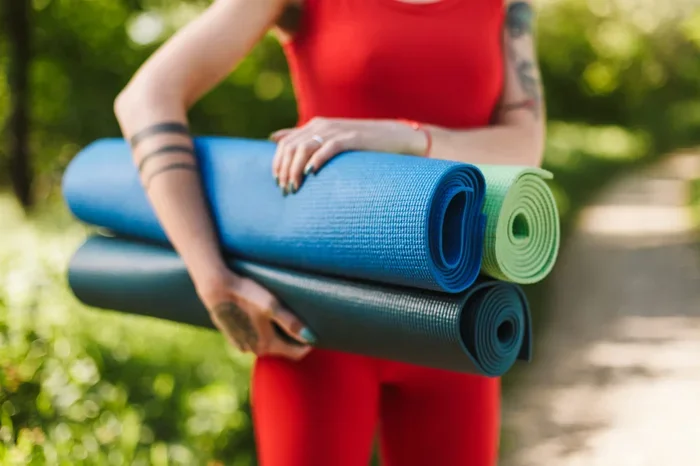
Choosing the right yoga mat starts with knowing your body, your style, and your goals. This guide walks you through thickness, material, size, grip, and budget so you can pick with confidence. Whether you are a beginner or a seasoned practitioner, you will find clear advice to match your mat to your practice.
Finding the right yoga mat can feel overwhelming. There are so many sizes, materials, and thicknesses to consider. You might wonder if a thicker mat is always better or if budget mats actually work. The truth is, the best mat depends on your body, your practice style, and your goals.
This guide breaks everything down in simple terms. You will learn about yoga mat thickness, different materials, how to pick the right size, and what to look for in grip and cushioning. By the end, you will feel confident choosing a mat that truly fits your needs.
Key Takeaways
- Thickness matters most for joint comfort: thicker mats cushion knees and wrists better during floor poses.
- Material affects grip and durability: TPE, PVC, rubber, and cork each offer different feel and longevity.
- Size and dimensions should match your height: a mat that is too short or narrow can throw off your balance.
- Budget-friendly options exist at every level: you do not need to spend a fortune to get a great mat.
- Grip and texture prevent slipping: look for a non-slip surface that keeps you stable during sweaty sessions.
- Consider portability if you travel: lightweight and foldable mats make it easy to practice anywhere.
📑 Table of Contents
- Why Choosing the Right Yoga Mat Matters
- Yoga Mat Materials Explained
- How to Choose the Right Yoga Mat Size
- Grip, Texture, and Non-Slip Performance
- Budget and Price: How Much Should You Spend?
- Common Mistakes When Choosing a Yoga Mat
- Expert Insights on Finding Your Perfect Mat
- Final Thoughts on Choosing Your Yoga Mat
Why Choosing the Right Yoga Mat Matters
Your yoga mat is the foundation of every practice. It is the surface you stand on, stretch on, and balance on. A poor-quality mat can cause slipping, discomfort, or even injuries. On the other hand, a well-chosen mat supports your joints, keeps you stable, and makes every session more enjoyable.
Think about it this way. You would not run a marathon in shoes that do not fit. Your yoga practice deserves the same care. The right yoga mat for beginners can make the difference between quitting and falling in love with the practice.
How Yoga Mat Thickness Affects Your Practice
Yoga mat thickness is one of the first things to consider. Thickness is measured in millimeters, and it directly impacts how much cushion your joints receive. Most mats range from 3mm to 8mm, and each level serves a different purpose.
A thin mat, around 3mm to 5mm, offers a grounded feel. It gives you better balance because you are closer to the floor. This is great for power yoga or vinyasa flows where stability matters most. However, thin mats provide less padding for knees and wrists during long holds.
A thick mat, around 6mm to 8mm, gives you extra cushioning. This is ideal if you have sensitive joints or if you practice restorative yoga. The extra thick yoga mat absorbs more shock and protects your body during floor poses like cobra or child’s pose.
Here is a quick comparison to help you decide:
- 3mm to 5mm: Best for balance-focused practices and travel. Lightweight and portable.
- 5mm to 6mm: The sweet spot for most practitioners. Good cushion without sacrificing stability.
- 6mm to 8mm: Maximum cushioning. Great for gentle yoga, pilates, or anyone with joint sensitivity.
If you are still unsure about the right thickness, check out our guide on how thick of a yoga mat do I need for more detailed advice.
Yoga Mat Materials Explained
The material of your mat affects everything from grip to durability to how it feels under your hands. Each material has pros and cons, so understanding them helps you make a smart choice.
TPE Yoga Mats
TPE (Thermoplastic Elastomer) mats are lightweight and affordable. They are a popular choice for beginners because they are gentle on the budget. TPE mats are usually free of harmful chemicals like PVC and latex. They offer decent grip and come in many colors and patterns.
However, TPE mats can wear out faster than other materials. They may also lose their cushioning over time with heavy use. If you practice a few times a week, TPE works well. If you practice daily, you might want something more durable.
PVC Yoga Mats
PVC (Polyvinyl Chloride) mats are the most common type on the market. They are durable, easy to clean, and provide good grip. PVC mats tend to be thicker and offer excellent cushioning for the price.
The downside is that PVC is not eco-friendly. It contains synthetic chemicals that are not biodegradable. If you care about sustainability, a PVC mat might not align with your values.
Rubber Yoga Mats
Natural rubber mats are heavy but incredibly durable. They offer superior grip, especially when wet. If you sweat a lot during your practice, a rubber mat is a fantastic choice. The texture creates a non-slip yoga mat surface that keeps you stable in every pose.
Rubber mats are also eco-friendly if they are made from natural sources. The only downside is the weight. A rubber mat can be hard to carry to class or on trips. They also have a strong natural smell when new.
Cork Yoga Mats
Cork mats are the premium eco-friendly option. Cork is naturally antimicrobial, so it resists bacteria and odor. It also provides a unique textured grip that improves with moisture. Cork mats look beautiful and feel luxurious under your hands.
They are lightweight and biodegradable, making them a top choice for environmentally conscious yogis. The trade-off is price. Cork mats tend to cost more than other options, but they last a long time with proper care.
How to Choose the Right Yoga Mat Size
Size is just as important as thickness. A mat that is too short can leave your toes hanging off the edge, which throws off your balance. A mat that is too wide might feel cumbersome in small spaces.
The standard yoga mat is about 68 inches long and 24 inches wide. This works well for most people under 5 feet 8 inches tall. If you are taller, you may want a longer mat, often called a extra long yoga mat, which is around 72 to 74 inches.
For width, 24 inches is standard. Some mats come in wider sizes of 26 or 30 inches, which is helpful if you need more space for gentle stretches or if you practice with a partner.
To get the perfect fit, check out our guides on how big of a yoga mat do I need and how long of a yoga mat do I need. These resources help you match your mat dimensions to your body perfectly.
Quick Tips for Sizing
- Stand on the mat barefoot. Your feet should fit comfortably with a few inches to spare.
- If you are over 6 feet tall, go for a 72-inch or longer mat.
- Wider mats are great for restorative yoga or if you move a lot during practice.
- Consider the space where you practice. A smaller room calls for a compact mat.
Grip, Texture, and Non-Slip Performance
Nothing ruins a yoga session faster than slipping. A mat that slides around on the floor or feels slick under your palms can be dangerous. Grip and texture are critical factors, especially if you practice hot yoga or any style that makes you sweat.
Texture refers to the surface feel of the mat. Some mats have a smooth finish, while others have a pebbled or waffle-like texture. Textured surfaces create more friction between your skin and the mat, which improves stability.
Non-slip performance is about how well the mat stays in place. A good mat grips the floor and prevents sliding during transitions. Look for mats with a textured bottom layer that anchors to the ground. This is especially important if you practice on hardwood or tile floors.
If you struggle with slipping, our article on how do I stop slipping on my yoga mat has practical solutions that complement your mat choice.
What Makes a Mat Grippy?
- Closed-cell surface: Prevents sweat from soaking in and reduces slipping.
- Open-cell texture: Absorbs moisture and creates natural grip as it gets wet.
- Rubber or TPE blends: Offer excellent traction on both dry and sweaty hands.
- Textured patterns: Add micro-grip points that keep fingers and toes stable.
Budget and Price: How Much Should You Spend?
Yoga mats come in a wide range of prices. You can find basic mats for under $20 and premium options over $100. The key is knowing what you get at each price point and where to invest your money wisely.
Budget mats under $25 are usually TPE or thin PVC. They work fine for casual practitioners or those trying yoga for the first time. These mats may not last forever, but they get the job done.
Mid-range mats between $25 and $60 offer the best balance of quality and affordability. You get better materials, stronger grip, and longer durability. Most regular practitioners do very well in this range.
Premium mats above $60 use high-end materials like natural rubber or cork. They are built to last years and offer superior comfort and performance. If you practice regularly and take your yoga seriously, investing in a premium mat pays off.
For more guidance on spending, check out how much should I spend on a yoga mat. It breaks down value at every price level.
Where to Buy a Yoga Mat
You can buy yoga mats at sporting goods stores, department stores, and online retailers. Online shopping gives you access to more reviews and a wider selection. Before purchasing, read customer feedback about durability, grip, and thickness accuracy.
If you prefer to see and feel the mat before buying, visit a local store. Test the mat by standing on it and doing a few poses. Pay attention to how it feels under your hands and whether it slips on the floor.
Common Mistakes When Choosing a Yoga Mat
Avoid these common pitfalls so you do not end up with a mat that does not work for you.
- Choosing based on looks alone: A pretty mat might feel terrible under your feet. Always prioritize function over appearance.
- Ignoring your body type: Taller and heavier yogis need different mats than shorter and lighter practitioners. Consider your weight and height.
- Skipping the test: If possible, try the mat before you buy it. Stand on it, do a few poses, and check for slippage.
- Overlooking maintenance: Some mats need regular cleaning to maintain grip. Factor in care when choosing your material.
- Buying too thick for balance work: An extra thick mat can make standing poses harder because it compresses under your weight.
Expert Insights on Finding Your Perfect Mat
Experienced yoga instructors often say that the best mat is the one you actually use. Do not overthink the decision. Start with a mid-range mat that suits your primary practice style, and upgrade later if needed.
Many teachers recommend trying different materials over time. You might prefer a TPE mat for gentle sessions and a rubber mat for hot yoga. Having the right mat for each style enhances your overall experience and keeps you motivated to practice more often.
Remember, your yoga mat is a personal tool. What works for your friend might not work for you. Listen to your body, test different options, and trust your instincts. The perfect mat is out there waiting for you.
Final Thoughts on Choosing Your Yoga Mat
Choosing a yoga mat does not have to be complicated. Focus on thickness, material, size, grip, and budget in that order. Each of these factors plays a real role in how your practice feels and how long your mat lasts. A well-chosen mat supports your body, keeps you safe, and makes every session more enjoyable.
Take your time, do a little research, and do not be afraid to spend a bit more on quality. Your joints, your balance, and your practice will thank you. Start with the basics, grow with your practice, and upgrade when the time feels right. The right mat is an investment in your health and your yoga journey.
Frequently Asked Questions
What is the best thickness for a yoga mat?
The best thickness depends on your practice and body. Most people do well with a 5mm to 6mm mat, which balances cushion and stability. If you have sensitive joints, go for 6mm to 8mm. For balance-focused styles like vinyasa, a thinner 3mm to 5mm mat works better.
Which yoga mat material is the most durable?
Natural rubber mats are the most durable option. They resist wear, maintain grip even when wet, and last for years with proper care. Cork mats are also very durable and eco-friendly. PVC mats are durable but less sustainable.
Can I use a yoga mat for other exercises like pilates or barre?
Yes, yoga mats work well for pilates and barre classes. The cushioning and grip support a variety of floor exercises. For pilates specifically, check out our guide on how thick should a yoga mat be for pilates to find the ideal thickness.
How do I know if a yoga mat is non-slip?
Look for mats with textured surfaces or open-cell materials that grip when wet. Rubber and TPE mats generally offer the best non-slip performance. You can also test a mat in the store by doing a few poses and checking for any sliding.
Should I buy a yoga mat online or in-store?
Online shopping gives you more options and customer reviews, which helps you make an informed choice. In-store shopping lets you test the mat before buying. If you buy online, check the return policy in case the mat does not meet your expectations.
How often should I replace my yoga mat?
A yoga mat typically lasts 1 to 5 years depending on how often you use it and the material quality. Signs that it is time to replace include thinning cushion, loss of grip, and visible wear. Regular cleaning extends your mat’s lifespan significantly.