Fully Cooked Ham Cooking Chart Guide For Perfect Results
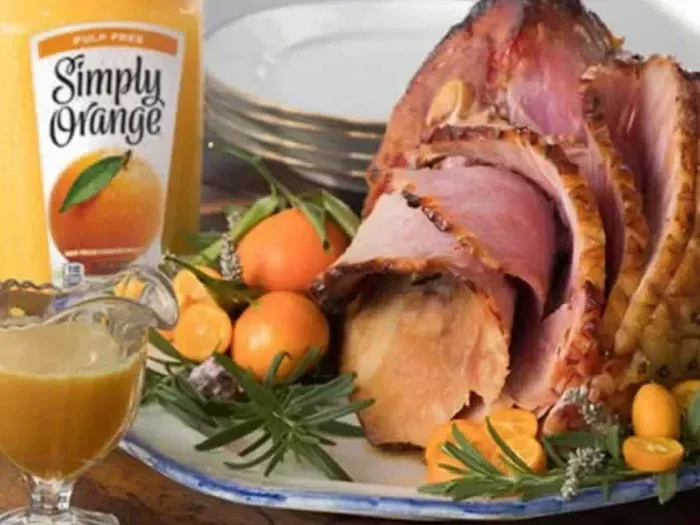
A fully cooked ham cooking chart is your go-to tool for baking the perfect ham with ease. Whether you are preparing a spiral ham for the holidays or a bone-in ham for a family dinner, this guide covers everything you need. You will learn the right oven temperature, ham cooking time, and ham glaze recipes that deliver juicy, flavorful results every single time. Keep this chart handy and never second-guess your ham recipe again.
A fully cooked ham cooking chart takes all the guesswork out of baking ham. If you have ever stood in front of a oven wondering how long to cook a ham, you are not alone. Many people buy a beautiful spiral ham or a bone-in ham and feel unsure about the next steps. The good news is that cooking a pre-cooked ham is much simpler than cooking raw meat. You just need the right information and a little confidence.
This guide gives you everything you need to know. From oven temperature settings to ham glaze recipes, we have you covered. You will find a detailed fully cooked ham cooking chart, step-by-step instructions, and tips that make the process easy and fun. Whether you are a beginner or a seasoned cook, you will find practical advice here. Let us dive in and make your next ham dinner a hit.
Key Takeaways
- Use the right temperature: Always bake a fully cooked ham at 325°F for safe, even heating.
- Follow the cooking chart: A fully cooked ham cooking chart tells you exactly how long to cook based on weight.
- Glaze it right: Apply your ham glaze during the last 15 to 20 minutes for a beautiful caramelized finish.
- Check the internal temperature: A ham thermometer ensures your ham reaches 140°F for the best texture.
- Avoid common mistakes: Overcooking and skipping the glaze are the top errors home cooks make.
- Leftovers are delicious: Ham leftovers make incredible sandwiches, soups, and casseroles throughout the week.
📑 Table of Contents
What Is a Fully Cooked Ham?
A fully cooked ham has already been cured, smoked, or baked before it reaches your kitchen. This means you do not need to cook it to kill bacteria. Instead, your goal is simply to heat it through and add flavor. This is why a fully cooked ham cooking chart focuses on time and temperature rather than food safety cooking times.
There are two main types of fully cooked ham you will find at the store. A bone-in ham has the leg bone still inside, which adds flavor during cooking. A boneless ham is easier to slice and serve, making it a popular choice for large gatherings. Both work wonderfully with a ham recipe that includes a sweet glaze.
Spiral ham is another popular option. It comes pre-sliced in a spiral pattern, which makes serving a breeze. Many people love spiral ham for holiday dinners because it looks impressive and tastes amazing. No matter which type you choose, a fully cooked ham cooking chart will help you get perfect results every time.
Why Choose Fully Cooked Ham?
Choosing a pre-cooked ham saves you a lot of time and stress. You do not need to monitor the internal temperature as carefully as you would with raw pork. The ham is safe to eat once it reaches a warm temperature. This makes it ideal for holiday ham dinners, potlucks, and weeknight family meals.
Another great reason is flavor. Fully cooked ham has already developed deep, rich flavors from the curing and smoking process. When you reheat it properly, those flavors only get better. A good ham glaze adds a sweet, sticky coating that everyone loves. It is no wonder that bone-in ham and spiral ham remain crowd favorites year after year.
How to Use the Fully Cooked Ham Cooking Chart
A fully cooked ham cooking chart is simple to use. You just need to know the weight of your ham and the oven temperature. Most charts recommend baking at 325°F, which is the standard temperature for heating pre-cooked ham. The chart will then tell you how many minutes per pound to cook.
Here is a basic breakdown of what to expect:
- Boneless ham: About 10 to 12 minutes per pound at 325°F.
- Bone-in ham: About 12 to 15 minutes per pound at 325°F.
- Spiral ham: About 10 to 12 minutes per pound at 325°F.
These times are just guidelines. Always use a ham thermometer to check the ham internal temperature. The goal is to reach 140°F at the center. This ensures the ham is warm and juicy without drying it out. A fully cooked ham cooking chart works best when you combine it with a reliable thermometer.
Understanding Ham Weight and Cooking Time
The weight of your ham is the most important factor. A smaller ham, around 5 pounds, will cook much faster than a larger one at 12 pounds. Here is a quick reference for common sizes:
- 5-pound ham: About 50 to 60 minutes total cooking time.
- 8-pound ham: About 80 to 96 minutes total cooking time.
- 10-pound ham: About 100 to 120 minutes total cooking time.
- 12-pound ham: About 120 to 180 minutes total cooking time.
As you can see, a fully cooked ham cooking chart helps you plan your meal timing with confidence. You will know exactly when to put the ham in the oven so it is ready when your guests arrive. This is especially important during the holidays when everything else is cooking at the same time.
Oven-Baked Ham: Step-by-Step Instructions
Baking a fully cooked ham is easy when you follow these simple steps. This method works for bone-in ham, boneless ham, and spiral ham alike.
Step 1: Preheat Your Oven
Set your oven to 325°F and let it fully preheat. A steady oven temperature is key to even cooking. While the oven heats, remove the ham from the refrigerator and let it sit at room temperature for about 30 minutes. This helps it cook more evenly.
Step 2: Prepare the Ham
Place the ham cut-side down in a roasting pan or baking dish. If you are using a spiral ham, you can place it directly in the pan. Some people like to add a half cup of water or apple juice to the bottom of the pan. This creates steam and keeps the ham moist.
Step 3: Cover and Bake
Tent the ham loosely with aluminum foil. This traps heat and prevents the outside from drying out before the inside is warm. Follow your fully cooked ham cooking chart for the right baking time based on weight. Check the ham occasionally to make sure the foil is still in place.
Step 4: Apply the Glaze
Remove the foil during the last 15 to 20 minutes of cooking. This is when you brush on your ham glaze. A simple brown sugar ham glaze or a honey ham glaze works beautifully. The glaze caramelizes in the heat and creates a sticky, delicious coating.
Step 5: Check the Temperature and Rest
Use a ham thermometer to check that the ham internal temperature has reached 140°F. Once it does, remove the ham from the oven and let it rest for 10 to 15 minutes before slicing. Resting allows the juices to redistribute, making every ham slice moist and tender.
Ham Glaze Recipes to Elevate Your Meal
The right ham glaze can turn a good ham into a great one. Glazes add sweetness, depth, and a beautiful shine. Here are three easy ham recipe ideas you can try with your next fully cooked ham cooking chart session.
Classic Brown Sugar Glaze
This is the most popular glaze for a brown sugar ham. It is simple, sweet, and crowd-pleasing. Mix one cup of brown sugar with two tablespoons of mustard and a splash of pineapple juice. Spread it over the ham during the last 15 minutes of baking. The result is a caramelized, slightly tangy coating that everyone loves.
Honey Mustard Glaze
A honey ham glaze adds a lovely golden color and sweet flavor. Combine half a cup of honey with three tablespoons of Dijon mustard and a teaspoon of apple cider vinegar. Brush it on the ham in the final 15 minutes. This glaze pairs especially well with bone-in ham because the honey complements the smoky flavor.
Pineapple Bourbon Glaze
For a more adventurous ham recipe, try a pineapple bourbon glaze. Mix one cup of pineapple juice with two tablespoons of bourbon, a quarter cup of brown sugar, and a tablespoon of apple cider vinegar. Simmer it on the stove until it thickens slightly. Then brush it on the ham during the last 20 minutes. This glaze adds a rich, complex flavor that is perfect for special occasions.
Common Mistakes to Avoid When Cooking Ham
Even with a great fully cooked ham cooking chart, mistakes can happen. Here are the most common ones and how to avoid them.
Overcooking the Ham
The biggest mistake people make is cooking the ham too long. Since it is already cooked, you only need to heat it through. Overcooking dries out the meat and makes it tough. Always set a timer and use a ham thermometer. Once the ham internal temperature reaches 140°F, take it out of the oven.
Skipping the Glaze
A fully cooked ham tastes good on its own, but a glaze adds so much more. It adds sweetness, color, and texture. Do not skip this step. Apply your ham glaze during the last 15 to 20 minutes for the best results. A plain ham simply cannot compare to a beautifully glazed one.
Not Letting the Ham Rest
Resting is just as important for ham as it is for other meats. When you skip this step, the juices run out when you slice, leaving the meat dry. Let the ham rest for at least 10 minutes after removing it from the oven. This small step makes a big difference in the final result.
Using the Wrong Oven Temperature
Some recipes call for higher temperatures, but 325°F is the sweet spot for fully cooked ham. A higher temperature can scorch the outside while leaving the inside cold. Stick with 325°F and follow your fully cooked ham cooking chart for the best results.
Expert Tips for the Best Ham Every Time
Want to take your ham dinner to the next level? These expert tips will help you serve the most delicious ham every time.
Score the Ham for Better Glaze Absorption
Before applying your ham glaze, use a sharp knife to make shallow diamond cuts across the surface. This is called scoring. Scoring allows the glaze to seep into the meat and creates a beautiful presentation. It also helps the ham cook more evenly by exposing more surface area to the heat.
Save the Ham Bone
If you are cooking a bone-in ham, do not throw away the bone after serving. The ham bone is packed with flavor. Use it to make ham soup, split pea soup, or a flavorful bean pot. Ham leftovers are incredibly versatile, and the bone adds richness to any dish you make with it.
Plan Your Ham Serving Size
A good rule of thumb is to plan for about one-quarter to one-third of a pound of ham serving size per person. If you are serving a bone-in ham, plan for a bit more since the bone takes up space. This helps you buy the right size ham without wasting food or running short.
Get Creative with Leftovers
Ham leftovers are one of the best parts of cooking a big ham. Use ham slices in omelets, sandwiches, pasta dishes, and fried rice. You can also dice leftover ham and add it to soups, casseroles, and quiches. The possibilities are endless, and your family will love the variety.
Pair Your Ham with the Right Sides
A great holiday ham deserves great sides. Classic pairings include scalloped potatoes, green bean casserole, and honey-glazed carrots. For something lighter, try a fresh garden salad or roasted seasonal vegetables. The right sides complement the rich, savory flavor of the ham and make your meal feel complete.
Final Thoughts
Cooking a fully cooked ham does not have to be stressful. With the right fully cooked ham cooking chart, a simple ham glaze, and a reliable ham thermometer, you can serve a show-stopping meal with confidence. Whether you are preparing a spiral ham for Christmas, a brown sugar ham for Easter, or a honey ham for a weekend family dinner, the principles are the same.
Remember to bake at 325°F, follow the cooking times based on weight, and apply your glaze in the final minutes. Avoid overcooking, let the ham rest, and get creative with your leftovers. A fully cooked ham cooking chart is more than just a reference tool. It is your shortcut to a perfect ham every single time. Keep it handy, share it with friends, and enjoy the delicious results.
Frequently Asked Questions
How long does it take to bake a fully cooked ham?
Baking time depends on the weight of the ham. A fully cooked ham cooking chart typically shows about 10 to 15 minutes per pound at 325°F. A 10-pound ham will take roughly 100 to 150 minutes, or about 2 to 2.5 hours. Always use a ham thermometer to confirm the ham internal temperature reaches 140°F.
What temperature should a fully cooked ham be when done?
The target ham internal temperature is 140°F. This is the temperature at which a pre-cooked ham is warm, juicy, and safe to eat. Using a ham thermometer is the best way to ensure you do not overcook or undercook the meat.
Do I need to cover the ham while baking?
Yes, cover the ham with aluminum foil for most of the cooking time. This keeps the moisture inside and prevents the outside from drying out. Remove the foil during the last 15 to 20 minutes so the ham glaze can caramelize properly.
Can I use a spiral ham with this cooking chart?
Absolutely. A spiral ham works perfectly with a fully cooked ham cooking chart. Follow the same time and temperature guidelines based on the ham’s weight. Spiral hams are already sliced, so they tend to heat up a bit faster than unsliced hams.
What is the best glaze for a fully cooked ham?
The best glaze depends on your taste. A classic brown sugar ham glaze is the most popular choice. A honey ham glaze adds a touch of sweetness and beautiful color. For something more unique, try a pineapple bourbon glaze. Apply any glaze during the last 15 to 20 minutes of baking.
How do I store leftover ham?
Wrap leftover ham slices tightly in plastic wrap or foil and store them in the refrigerator. They will keep for up to 4 days. You can also freeze leftover ham for up to 3 months. Ham leftovers make excellent additions to sandwiches, soups, and casseroles throughout the week.