Filet Mignon Internal Temperature Chart
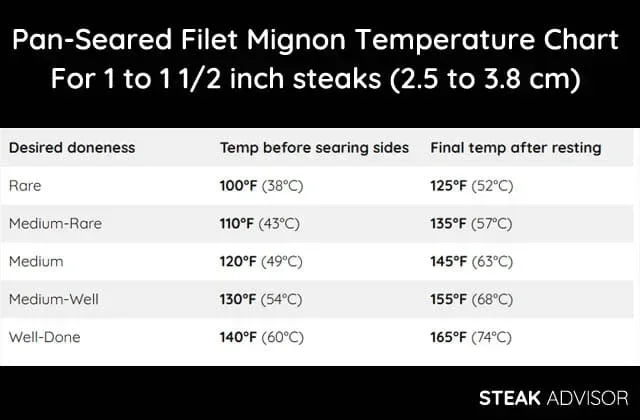
This guide gives you the filet mignon internal temperature chart for every doneness, from rare to well-done. You’ll learn how to use a thermometer, avoid common mistakes, and get a perfect steak every time. We cover pan-searing, grilling, and sous vide methods so you can cook with confidence.
There’s nothing quite like a perfectly cooked filet mignon. The tender, buttery texture and rich flavor make it a favorite for special occasions. But achieving that perfect steak requires more than just high heat. The secret lies in knowing the exact filet mignon internal temperature you’re aiming for. Whether you prefer a rare, juicy center or a more cooked steak, a reliable temperature chart is your best tool. In this guide, we’ll walk you through every doneness level, the best ways to measure temperature, and tips for flawless results every time.
A great steak doesn’t happen by accident. It starts with understanding how heat moves through the meat and how internal temperature relates to texture and color. This filet mignon internal temperature chart removes the guesswork. You’ll learn the exact numbers for rare, medium-rare, medium, and beyond. We’ll also cover how to use a thermometer correctly, why resting matters, and the pitfalls that turn a beautiful cut into a tough disappointment. By the end, you’ll feel confident enough to cook filet mignon to perfection, whether on the stovetop, grill, or sous vide machine.
Key Takeaways
- Know Your Target Temperatures: A filet mignon internal temperature of 130°F (54°C) gives a classic medium-rare steak, while 140°F (60°C) yields a perfect medium.
- Use a Thermometer: A digital instant-read thermometer is the only reliable way to check doneness. The touch test is helpful but less accurate.
- Rest Your Steak: Letting the steak rest for 5–10 minutes allows carryover cooking to raise the temperature by 5–10°F and keeps juices inside.
- Adjust for Cooking Method: Pan-searing, grilling, and sous vide all require slight timing differences, but the internal temp target stays the same.
- Avoid Common Mistakes: Skipping the rest, cooking from cold, and relying solely on time are the top reasons filet mignon turns out dry.
- USDA Safety Note: While many prefer medium-rare, cooking to at least 145°F (63°C) with a 3-minute rest meets USDA guidelines for beef steaks.
📑 Table of Contents
- Why Internal Temperature Is the Key to Perfect Filet Mignon
- The Complete Filet Mignon Internal Temperature Chart
- How to Measure Your Steak’s Temperature Correctly
- Cooking Methods and Their Temperature Targets
- The Power of Resting: Carryover Cooking Explained
- Common Mistakes That Ruin Your Filet Mignon
- Bringing It All Together: Your Path to Perfect Filet Mignon
Why Internal Temperature Is the Key to Perfect Filet Mignon
The Science of Steak Doneness
When you cook a steak, the heat causes proteins to denature and moisture to change. The internal temperature of a filet mignon determines how much of that moisture remains. A lower temperature keeps more juice trapped inside, while a higher temperature squeezes out liquid and firms the muscle fibers. That’s why the difference between a 125°F steak and a 155°F steak feels like eating two completely different cuts.
Understanding steak doneness helps you set a target before you even turn on the heat. The filet mignon internal temperature chart below translates numbers into textures. Rare steak has a cool red center, medium-rare is warm and red, medium is pink, and medium-well starts to turn gray-brown with just a hint of pink. Each level has its fans, and knowing your preference lets you cook with intention.
Why Filet Mignon Deserves Special Attention
Filet mignon comes from the tenderloin, a muscle that does very little work. That makes it incredibly tender but also leaner than ribeye or strip steak. Because it has less intramuscular fat, it can dry out faster if you overcook it. This is exactly why a precise filet mignon internal temperature matters so much. A fattier cut might forgive a few extra degrees, but filet mignon rewards accuracy.
Many home cooks rely on time alone, but time varies wildly with thickness, starting temperature, and heat source. A 2-inch thick filet seared on high heat behaves very differently than a 1-inch filet on a cooler grill. The only consistent way to know doneness is to measure the internal temp for steak directly. That’s where a good thermometer becomes your best kitchen friend.
The Complete Filet Mignon Internal Temperature Chart
Rare to Well-Done Temperature Ranges
Here is the definitive filet mignon internal temperature chart for every level of doneness. Use this as your go-to reference when cooking filet mignon in any method.
| Doneness | Internal Temp (°F) | Internal Temp (°C) | Color & Texture | Time to Reach (approx.) |
|---|---|---|---|---|
| Rare | 120–125°F | 49–52°C | Cool red center, very soft | 1–2 min after searing |
| Medium Rare | 130–135°F | 54–57°C | Warm red center, juicy | 3–4 min after searing |
| Medium | 140–145°F | 60–63°C | Pink center, firm but tender | 5–6 min after searing |
| Medium Well | 150–155°F | 66–68°C | Slight pink hint, firmer | 7–8 min after searing |
| Well Done | 160°F+ | 71°C+ | Gray-brown throughout, little juice | 9+ min after searing |
The most popular target for filet mignon is medium-rare, which lands at 130–135°F. This temperature preserves the buttery texture and deep beef flavor that make filet mignon special. If you prefer a more cooked steak, medium at 140°F still keeps the steak tender and juicy, while medium-well starts to lose some moisture. Remember that the temperature will rise 5–10°F after you pull the steak off the heat, a phenomenon called carryover cooking.
Visual Cues and the Touch Test
While a thermometer is the gold standard, you can also use visual and touch cues to estimate doneness. A rare steak will look dark red on the inside and feel very soft when you press it. Medium-rare has a warm red center and a slight spring when touched. Medium steak shows a pink center and feels firm but still yielding. As you move toward well-done, the color turns gray-brown and the texture becomes very firm with little give.
The touch test compares the firmness of the steak to the feel of your palm. Touch your thumb to your index finger and press the base of your thumb—that’s the feel of a rare steak. Thumb to middle finger is medium-rare, thumb to ring finger is medium, and thumb to pinky is well-done. This steak doneness trick works well as a backup, but it takes practice. For consistent results, always pair the touch test with a quick read from a steak thermometer.
How to Measure Your Steak’s Temperature Correctly
Choosing the Right Thermometer
Not all thermometers are created equal. A dial thermometer can be slow and less accurate, while a digital instant-read thermometer gives you a reading in just 2–3 seconds. For the best results, invest in a probe thermometer with a thin, sharp tip. Some cooks also use leave-in probe thermometers that stay in the steak throughout cooking, giving real-time updates. Whatever you choose, make sure it’s calibrated. Test it in ice water—it should read 32°F (0°C). A misread thermometer can ruin a perfect steak.
Where to Insert the Probe
The placement of the probe matters just as much as the tool itself. Insert the thermometer into the thickest part of the filet mignon, straight through the center. Avoid touching the bone, fat, or the pan surface, as those areas give false readings. If the steak is particularly thick, check the temperature at multiple depths to ensure even cooking. For a uniform filet, one reading in the center is usually enough. Wait 10–15 seconds for the digital display to stabilize before reading.
Many people make the mistake of poking the thermometer into the side of the steak, which can let juices escape. Instead, insert from the top or bottom, going deep but not all the way through. A clean, precise measurement ensures your filet mignon internal temperature is accurate every single time.
Cooking Methods and Their Temperature Targets
Pan-Searing and Oven Finish
Pan-searing gives filet mignon a beautiful, caramelized crust while keeping the inside tender. Start by patting the steak dry and seasoning generously with salt and pepper. Heat a cast-iron skillet over high heat until it just begins to smoke. Add a high smoke-point oil, then lay the filet mignon in the pan. Sear for 2–3 minutes per side without moving it. Then transfer the skillet to a preheated 400°F (200°C) oven to finish cooking.
The oven finish allows gentle, even heat to raise the internal temp for steak without burning the crust. For a 2-inch thick filet, 4–6 minutes in the oven typically brings the center to medium-rare. Use the thermometer to check early and often. Once the steak is 5°F below your target, pull it out and let it rest.
Grilling Filet Mignon
Grilling filet mignon adds a smoky flavor that pairs beautifully with the tender meat. Set up your grill for two-zone cooking: one side with direct high heat, the other with indirect low heat. Sear the steak over the hot zone for 2 minutes per side to get grill marks and a flavorful crust. Then move it to the cooler side with the lid closed. Close the lid and let the filet mignon internal temperature climb slowly. This method prevents the outside from charring before the inside is done.
Grill times vary based on thickness and heat level, so rely on temperature rather than the clock. A 1.5-inch filet might take 6–8 minutes total over indirect heat to reach medium-rare. Always oil the grates before placing the steak to prevent sticking. Let the steak rest for a full 5 minutes before cutting to keep those juices inside.
Sous Vide Filet Mignon
Sous vide cooking offers the ultimate control over steak doneness. Seal the seasoned filet mignon in a vacuum bag and submerge it in a water bath set to your exact target temperature. For medium-rare, set the circulator to 130°F (54°C) and cook for 1–2 hours. Because the water surrounds the steak evenly, the entire cut reaches the same temperature from edge to edge. There’s no risk of a gray band over a pink center.
After the sous vide bath, pat the steak dry and sear it in a screaming-hot skillet for 30–60 seconds per side. This brief sear adds color and texture without raising the internal temperature much. Sous vide is perfect for cooking filet mignon ahead of time, as the steak can be held at the target temperature for an extended period without overcooking. It’s a foolproof way to nail the perfect filet mignon internal temperature every single time.
The Power of Resting: Carryover Cooking Explained
What Is Carryover Cooking?
Carryover cooking is the gradual rise in temperature that continues after you remove the steak from the heat source. The outer layers, which are hotter than the center, transfer heat inward as the steak rests. This carryover can raise the filet mignon internal temperature by 5–10°F depending on thickness and starting heat. For this reason, you should pull the steak off the heat before it reaches your final target.
For example, if you want a medium-rare filet at 135°F, pull it off the heat when it reads 128–130°F. The temperature will climb during the resting period and settle right at 135°F. Skipping this step means you’ll overshoot your doneness and end up with a steak that’s more medium or even medium-well. That small difference in temperature makes a big difference in juiciness.
How Long to Rest Your Filet
A filet mignon needs at least 5 minutes of rest, and 10 minutes is even better for thicker cuts. Place the steak on a warm plate and tent it loosely with aluminum foil. The foil traps some heat without creating steam that would soften the crust. During this rest, the muscle fibers relax and reabsorb the juices that were pushed toward the center during cooking. If you cut too soon, those juices run out onto the plate instead of staying inside the steak.
Resting also gives you time to prepare a simple pan sauce from the fond left in the skillet. A quick deglaze with beef broth, a knob of butter, and fresh herbs turns those browned bits into a rich finishing sauce. This step elevates a simple filet mignon into a restaurant-quality meal without much extra effort.
Common Mistakes That Ruin Your Filet Mignon
Overcooking and Undercooking
The most common mistake is leaving the steak on the heat too long. Filet mignon is lean and lacks the forgiving fat marbling of a ribeye. Even a few extra minutes can push it from perfect medium-rare to dry medium-well. Conversely, undercooking can leave the steak too cold in the center, which some diners find unappetizing. The filet mignon internal temperature chart helps you avoid both extremes by giving a clear target.
Another trap is cooking a frozen steak without adjusting time and temperature. A frozen center takes much longer to reach the target, which often means the outside is overcooked before the inside is done. Always thaw your filet mignon in the refrigerator overnight for the most even cooking results.
Relying Only on Time
Time-based cooking is unreliable because every steak is different. Thickness, starting temperature, pan material, and heat source all affect how fast the internal temp for steak rises. A recipe that says “cook for 4 minutes per side” might work for one filet but not another. Use time as a rough guide, but always verify with a thermometer. This one habit will transform your steak cooking from guesswork to precision.
Not Letting the Steak Come to Room Temperature
Placing a cold steak straight from the refrigerator onto a hot pan or grill causes the outside to overcook before the inside reaches the target temperature. Take your filet mignon out of the fridge 20–30 minutes before cooking. This small step allows the steak to cook more evenly from edge to center. It’s an easy habit that leads to more consistent medium-rare filet results every time.
Bringing It All Together: Your Path to Perfect Filet Mignon
Cooking a great filet mignon is less about complicated techniques and more about paying attention to temperature. The filet mignon internal temperature chart gives you a clear roadmap from raw to perfectly cooked. Pair that with a reliable thermometer, proper resting, and a little patience, and you’ll serve steaks that rival any steakhouse. Remember that practice makes perfect, and each cook teaches you something new about your own equipment and preferences.
Start with the medium-rare range of 130–135°F as your baseline. Once you’re comfortable with that, experiment with other doneness levels. Try a rare 125°F steak for a more delicate texture, or a 145°F medium for a firmer bite. Each level has its charm, and knowing the exact temperature takes the anxiety out of cooking. Soon, checking the internal temperature of filet mignon will become second nature, and you’ll never serve a dry or undercooked steak again.
So the next time you’re ready to cook a beautiful filet, keep this chart handy. Trust your thermometer, respect the rest, and enjoy the process. A perfectly cooked filet mignon isn’t just a meal—it’s a rewarding experience you can share with the people you love.
Frequently Asked Questions
What is the best internal temperature for filet mignon?
The most popular target is 130–135°F (54–57°C), which is medium-rare. This temperature keeps the steak juicy, tender, and full of beef flavor. If you prefer a firmer texture, medium at 140–145°F is also excellent. Ultimately, the best temperature is the one that matches your personal preference.
Can you eat filet mignon at 120°F?
Yes, 120°F is considered rare and is safe to eat if the steak is fresh and properly handled. The USDA recommends cooking beef steaks to at least 145°F with a 3-minute rest for food safety, but many chefs and steak lovers enjoy the texture and flavor of a rare filet. Use high-quality, fresh beef and a clean thermometer to ensure the best experience.
How do you know when filet mignon is done without a thermometer?
You can use the touch test by comparing the firmness of the steak to the feel of your palm. Press the base of your thumb with your fingers to gauge rare, medium-rare, medium, and well-done. However, this method takes practice and is less reliable than a thermometer. For consistent results, always use a steak thermometer to check the filet mignon internal temperature.
What is carryover cooking and how does it affect temperature?
Carryover cooking is the rise in internal temperature that continues after you remove the steak from the heat. The hot outer layers transfer heat to the cooler center, raising the temperature by 5–10°F. To account for this, pull the filet mignon off the heat a few degrees below your target and let it rest. This ensures the final temperature lands exactly where you want it.
Is filet mignon safe at medium doneness?
Yes, cooking filet mignon to medium (140–145°F) is safe and still keeps the steak tender. The USDA recommends a minimum internal temperature of 145°F for whole cuts of beef, followed by a 3-minute rest. This temperature is well within the safe zone for beef steaks and produces a juicy, pink center that most people enjoy.
Should you let filet mignon rest before cutting?
Absolutely. Resting for 5–10 minutes allows the juices to redistribute throughout the steak. If you cut too soon, those juices run out onto the plate and the steak dries out faster. A proper rest also lets the carryover cooking finish bringing the internal temperature of filet mignon up to the target, resulting in a perfectly juicy bite.