The Best Dough Sheeter for Home and Professional Bakers
A dough sheeter is a game-changing machine that rolls and flattens dough to a uniform thickness with ease. Whether you bake croissants, pizza, or bread at home or run a busy bakery, the right dough sheeter saves time and boosts consistency. In this guide, we break down the top models for both home and professional use. You will learn what features matter most, how to pick the best one, and how to use it like a pro.
If you love baking bread, croissants, or pizza, you know how much time rolling dough can take. A dough sheeter changes all of that. It is a machine that feeds dough through rollers to create a flat, even sheet in seconds. Whether you are a weekend baker or a professional pastry chef, a dough sheeter can transform your workflow.
In this article, we will explore the best dough sheeter options on the market today. We will look at what makes each one special, which features to prioritize, and how to get the most out of your machine. By the end, you will know exactly which dough sheeter fits your needs and budget.
Key Takeaways
- A dough sheeter speeds up rolling and ensures even thickness every time.
- Home models are compact and affordable, while professional units handle high volume with ease.
- Look for adjustable thickness settings, stainless steel rollers, and a sturdy build.
- Proper maintenance keeps your dough sheeter running smoothly for years.
- Laminated doughs like croissants and puff pastry benefit the most from a dough sheeter.
- Even beginners can master a dough sheeter with a little practice and the right technique.
- Investing in the right dough sheeter improves both speed and baking quality.
📑 Table of Contents
- What Is a Dough Sheeter and Why Do You Need One?
- Top Features to Look for in a Dough Sheeter
- Best Dough Sheeters for Home Bakers
- Best Dough Sheeters for Professional Bakers
- How to Use a Dough Sheeter Like a Pro
- Dough Sheeter Maintenance and Care Tips
- Comparison: Home vs. Professional Dough Sheeters
- Final Thoughts on Choosing the Best Dough Sheeter
What Is a Dough Sheeter and Why Do You Need One?
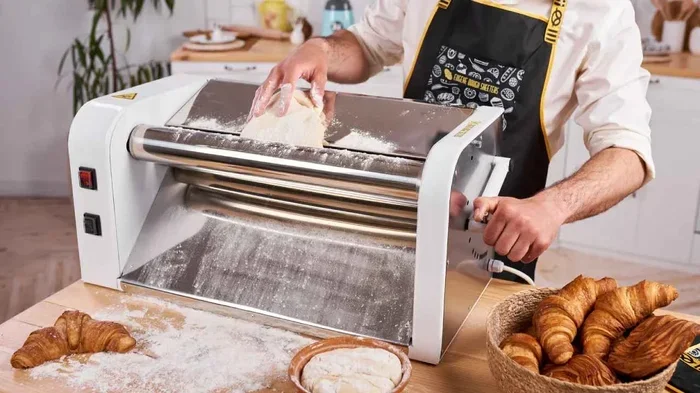
A dough sheeter is a baking machine that passes dough through a set of rollers. The rollers compress and flatten the dough to a consistent thickness. Think of it as a high-tech rolling pin that does the hard work for you. You feed the dough in, adjust the gap between the rollers, and out comes a perfectly even sheet.
The dough sheeter is especially popular for making laminated doughs. Croissants, puff pastry, and Danish pastries all require thin, even layers of dough and butter. Trying to achieve this by hand takes skill and patience. A dough sheeter makes it faster and far more consistent.
Beyond laminated doughs, a dough sheeter works great for pizza dough, pasta sheets, and even bread dough. If you bake regularly, this tool is a worthy addition to your kitchen. It frees up your hands and cuts down on prep time significantly.
Home vs. Professional Dough Sheeters
Not all dough sheeter machines are the same. Home models are smaller, lighter, and more affordable. They sit comfortably on a kitchen counter and handle moderate amounts of dough. Professional dough sheeter units are built for high-volume use. They feature heavier motors, wider rollers, and more robust construction.
Home bakers typically need a dough sheeter that can handle a few pounds of dough at a time. Professional bakeries may need a machine that processes dozens of pounds per hour. Understanding your volume and baking goals is the first step in choosing the right one.
Top Features to Look for in a Dough Sheeter
When shopping for a dough sheeter, not all features are created equal. Some matter more than others depending on your baking style. Here are the key features to keep in mind.
Adjustable Thickness Settings
The ability to control dough thickness is essential. A good dough sheeter lets you set the gap between rollers in small increments. This means you can roll dough thin for phyllo or thick for pizza crust. Look for a machine with a dough thickness gauge or numbered settings for easy adjustments.
Stainless Steel Rollers
Stainless steel rollers are the gold standard for a dough sheeter. They are durable, non-stick, and easy to clean. Cheaper models may use coated or chrome-plated rollers, which wear down faster. Investing in stainless steel ensures your machine lasts for years of daily use.
Motor Power and Speed
For a commercial dough sheeter, motor power is critical. A strong motor handles stiff bread dough and large batches without overheating. Home models need less power but should still run smoothly and quietly. Speed settings let you control how fast the dough moves through the rollers, which matters for delicate laminated doughs.
Size and Counter Space
A dough sheeter is not a small appliance. Measure your available counter space before buying. Home models are more compact, but they still need room for the dough input and output ends. Professional units are larger and may require dedicated counter or table space.
Ease of Cleaning
Baking is messy, and a dough sheeter is no exception. Look for a machine with removable parts that are dishwasher safe. A dough sheeter with smooth surfaces and minimal crevices makes cleanup much faster. Some models even include a built-in dough cutter for portioning after rolling.
Best Dough Sheeters for Home Bakers
If you bake at home and want a dough sheeter that fits your kitchen, you have great options. These machines balance performance, size, and price perfectly.
Sunmile SM-508 Dough Sheeter
The Sunmile SM-508 is a popular choice for home bakers. It features adjustable thickness settings and stainless steel rollers. The compact design fits easily on a kitchen counter. This dough sheeter handles pizza dough, bread dough, and pastry dough with ease. Its affordable price makes it one of the best entry-level options available.
Bertoia NWD-1300 Dough Sheeter
The Bertoia NWD-1300 is a step up in performance. It has a powerful motor and wider rollers, making it great for serious home bakers. The dough thickness gauge is easy to read and adjust. This machine works well for laminated doughs and can handle larger batches than most home models. It is a favorite among baking enthusiasts who want professional results.
Robot Coupe RCO 904 Dough Sheeter
The Robot Coupe RCO 904 is a premium home and small bakery option. It is built with a heavy-duty motor and high-quality stainless steel rollers. This dough sheeter delivers consistent results batch after batch. While it costs more, its durability and performance make it a long-term investment for dedicated bakers.
Best Dough Sheeters for Professional Bakers
Professional bakers need a dough sheeter that can handle volume, speed, and tough doughs day after day. These machines are built to last and perform under pressure.
Spiral Mixer Dough Sheeter Combo
Many professional bakeries use a countertop mixer combined with a dough sheeter. This setup streamlines the entire process. You mix the dough in the mixer, then feed it directly into the sheeter. Brands like Spiral and G. Panizzoli offer combo units that save space and time in busy bakery environments.
Bertoia Professional Dough Sheeter Line
Bertoia also makes excellent professional dough sheeter models. Their heavy-duty machines feature wide rollers, powerful motors, and precise thickness control. These units are designed for bakeries that produce large quantities of laminated pastries, pizza bases, and bread sheets daily. The build quality is outstanding, and they are built for thousands of hours of use.
Makita Dough Sheeter for High-Volume Bakeries
Makita offers a line of commercial dough sheeter machines trusted by bakeries worldwide. These units feature industrial-grade stainless steel rollers and high-speed motors. They can process large volumes of dough quickly while maintaining uniform thickness. If you run a bakery or pastry shop, a Makita dough sheeter is a reliable choice.
How to Use a Dough Sheeter Like a Pro
Using a dough sheeter is simple once you understand the basics. Follow these steps for the best results every time.
- Prepare your dough. Make sure your dough has rested for at least 30 minutes. This allows the gluten development to relax, making the dough easier to roll. Cold, stiff dough can jam the rollers.
- Set the thickness. Start with the widest gap between the rollers. You will pass the dough through multiple times, narrowing the gap each time.
- Feed the dough in. Place the dough sheet between the rollers and turn the handle or switch on the motor. Let the machine do the work. Do not force the dough through.
- Fold and repeat. For laminated doughs, fold the sheet in thirds like a letter, then pass it through again. This creates the layers that make croissants and puff pastry so flaky.
- Decrease the thickness gradually. Narrow the roller gap little by little. Going too thin too fast can tear the dough or cause it to stick.
- Use the dough cutter to portion. Once you have reached your desired thickness, use a dough cutter or knife to cut the sheet into portions for your recipe.
Quick Tips for Better Results
- Lightly flour your dough before each pass to prevent sticking.
- Keep your dough sheeter clean after every use to maintain performance.
- Let the dough rest if it becomes too warm or sticky during rolling.
- Use a dough thickness gauge to track your settings for consistent results.
- Do not overwork the dough — pass it through the minimum number of times needed.
Dough Sheeter Maintenance and Care Tips
A dough sheeter is an investment, and proper care keeps it running smoothly. Follow these maintenance tips to extend the life of your machine.
Clean After Every Use
After each session, remove any dough residue from the rollers and surfaces. Use a soft brush or damp cloth. Do not submerge the motor unit in water. Wipe down the stainless steel rollers with a dry cloth to prevent rust or buildup.
Oil Moving Parts Regularly
Check the manufacturer’s instructions for lubrication recommendations. Most dough sheeter machines benefit from a light food-grade oil on the gears and moving parts. This reduces friction and keeps the machine running quietly.
Inspect Rollers Periodically
Over time, the rollers on your dough sheeter may wear down. Check for scratches, dents, or uneven surfaces. Worn rollers can create inconsistent thickness in your dough sheets. Replace them when needed to maintain peak baking performance.
Store Properly
If you are storing your dough sheeter for a period of time, cover it with a dust cover or clean cloth. Keep it in a dry area away from moisture. Proper storage prevents corrosion and keeps the machine in top shape for your next baking session.
Comparison: Home vs. Professional Dough Sheeters
| Feature | Home Dough Sheeter | Professional Dough Sheeter |
|---|---|---|
| Motor Power | 1/4 to 1/2 HP | 1/2 HP to 2 HP |
| Roller Width | 6 to 8 inches | 10 to 16 inches |
| Thickness Range | Adjustable, 5-10 settings | Adjustable, 10+ settings |
| Batch Size | 1-3 pounds per batch | 5-20+ pounds per batch |
| Price Range | $150 to $600 | $800 to $3,000+ |
| Best For | Home bakers, hobbyists | Bakeries, restaurants, cafés |
| Counter Space Needed | Small footprint | Large footprint |
| Cleaning | Easy, removable parts | Easy, removable parts |
As you can see from the table, the main differences come down to size, power, and capacity. A home dough sheeter is perfect for casual bakers who want to improve their results. A professional dough sheeter is essential for bakeries that need speed and consistency at scale.
Both types share important features like adjustable thickness settings and stainless steel rollers. No matter which category you choose, a dough sheeter will elevate your baking experience and save you valuable time in the kitchen.
Final Thoughts on Choosing the Best Dough Sheeter
Choosing the right dough sheeter comes down to your baking needs, volume, and budget. For home bakers, a compact machine with adjustable settings and stainless steel rollers is all you need. For professional bakers, a heavy-duty commercial dough sheeter with a powerful motor and wide rollers is the way to go.
The dough sheeter is one of those tools that truly changes how you bake. It makes laminated doughs easier, speeds up pizza and bread prep, and delivers consistent results every single time. Whether you are a beginner or a seasoned baker, adding a dough sheeter to your setup is a decision you will not regret.
Take your time, compare the options, and pick the machine that fits your kitchen or bakery best. With the right dough sheeter, you will wonder how you ever baked without one.
Frequently Asked Questions
What is a dough sheeter used for?
A dough sheeter is used to roll and flatten dough to a uniform thickness. It is especially popular for making croissants, puff pastry, pizza dough, and pasta sheets. The machine saves time and delivers more consistent results than hand-rolling.
Can a beginner use a dough sheeter?
Absolutely. A dough sheeter is beginner-friendly and easy to learn. Start with the widest roller gap and work your way down gradually. With a few practice sessions, you will feel confident using the machine for all your baking projects.
How do I clean my dough sheeter?
Remove any dough residue from the rollers and surfaces after each use with a soft brush or damp cloth. Most dough sheeter machines have removable parts that are easy to wipe down. Never submerge the motor unit in water, and dry all parts thoroughly before storing.
What is the difference between a dough sheeter and a pasta maker?
A dough sheeter is designed for a wide range of dough types, including bread, pastry, and pizza dough. A pasta maker is specifically designed for making flat pasta sheets and shapes. While they look similar, a dough sheeter is more versatile and built for heavier doughs.
How often should I maintain my dough sheeter?
Clean your dough sheeter after every use and oil the moving parts weekly or as recommended by the manufacturer. Inspect the rollers monthly for wear. Regular maintenance keeps your machine running smoothly and extends its lifespan significantly.
Is a dough sheeter worth the investment?
Yes, for anyone who bakes regularly, a dough sheeter is absolutely worth it. It saves time, improves consistency, and makes complex recipes like laminated pastries much more achievable. The right dough sheeter pays for itself in saved effort and better baking results.
=== CONCLUSION ===
A dough sheeter is one of the most valuable tools a baker can own. Whether you are making flaky croissants at home or producing hundreds of pizza bases in a commercial bakery, the right machine makes all the difference. From adjustable thickness settings to stainless steel rollers, the features you need are clear. Choose a model that matches your volume, fits your space, and fits your budget, and you will enjoy faster, more consistent baking for years to come.