Does Running on a Treadmill Improve Your Stamina

Yes, running on a treadmill can significantly improve your stamina when done correctly. Consistent treadmill training strengthens your cardiovascular system, builds endurance, and enhances your overall running performance and physical fitness.
Key Takeaways
- Treadmill running builds stamina: Regular treadmill workouts strengthen your heart, lungs, and muscles, leading to improved endurance over time.
- Consistency is key: Stamina gains come from sticking to a routine, gradually increasing distance and intensity week by week.
- Interval training works best: Mixing high-intensity sprints with recovery periods on the treadmill accelerates your endurance gains faster than steady-paced runs.
- Avoid common mistakes: Skipping warm-ups, holding the handrails, and setting the wrong incline can limit your stamina improvement.
- Incline training adds challenge: Using the treadmill’s incline settings mimics outdoor terrain and forces your muscles to work harder, boosting aerobic capacity.
- Recovery matters: Rest days and proper nutrition are just as important as the workouts themselves for building lasting cardiovascular fitness.
📑 Table of Contents
- Does Running on a Treadmill Improve Your Stamina? Let Us Break It Down
- What Is Stamina and Why Does It Matter for Runners?
- How Running on a Treadmill Builds Your Stamina
- Best Treadmill Workouts to Boost Your Stamina
- Treadmill vs. Outdoor Running: Which Builds More Stamina?
- Common Mistakes That Hurt Your Stamina
- Expert Insights on Building Stamina with Treadmill Running
- Key Takeaways
- Conclusion: Does Running on a Treadmill Improve Your Stamina?
Does Running on a Treadmill Improve Your Stamina? Let Us Break It Down
If you have ever wondered whether running on a treadmill can actually make you fitter and more enduring, the answer is a solid yes. Treadmill training is one of the most effective and accessible ways to build stamina, improve your cardiovascular fitness, and take your physical fitness to the next level. Whether you are a complete beginner or a seasoned runner, the treadmill offers a controlled environment where you can fine-tune your pace, adjust the workout intensity, and track your progress with ease.
Stamina is not just about lasting longer. It is about your body becoming more efficient at delivering oxygen to your muscles, clearing waste products like lactic acid, and recovering faster between sets or miles. Running on a treadmill targets all of these systems. It gives you a aerobic capacity boost, strengthens your heart, and improves your breathing rate over time. The best part? You do not need fancy equipment or a gym membership to start. A basic treadmill at home is enough to kickstart your endurance training journey.
In this article, we will explore exactly how treadmill running builds stamina, what workouts work best, and the common mistakes that can hold you back. You will walk away with a clear plan to boost your running performance and feel stronger every single day.
What Is Stamina and Why Does It Matter for Runners?
Before we dive into the treadmill specifics, let us talk about what stamina actually means. Stamina is your body’s ability to sustain physical activity for extended periods without getting overly tired. It is different from strength, which is about how much force you can produce in one go. Stamina is about energy levels and staying power.
Think of it this way. Can you keep going after 20 minutes of running? After 45 minutes? After an hour? That is your stamina at work. Good stamina means your blood circulation is efficient, your muscle strength holds up over time, and your recovery time between sessions is short.
Why Stamina Matters Beyond Running
Building stamina does not just help you on the treadmill. It improves your daily life in ways you might not expect:
- Climbing stairs feels easier and less tiring.
- You have more energy for work, chores, and play.
- Your heart health improves, reducing the risk of cardiovascular disease.
- You sleep better and feel more alert during the day.
- Your mental health benefits from the stress relief that comes with regular exercise routine.
For runners specifically, stamina is the foundation of everything. Faster times, longer distances, and better race-day performances all trace back to a solid endurance base. If you want to see real improvement, you need to train your body to sustain effort. That is exactly where running on a treadmill comes in.
How Running on a Treadmill Builds Your Stamina
The treadmill is a fantastic tool for building stamina because it lets you control every variable. You can adjust your speed, tweak the incline, and manage your workout intensity with the push of a button. This level of control makes it easier to follow a structured endurance training plan.
Cardiovascular Conditioning
Every time you run on a treadmill, your heart pumps faster. Over time, this strengthens your heart muscle and improves its efficiency. Your resting heart rate drops, your aerobic capacity increases, and your body becomes better at using oxygen. This is the core mechanism behind stamina building. A stronger heart means more blood per beat, which means your muscles get fueled faster and recovery time shortens.
You can check what speed on a treadmill is considered running to set the right baseline for your cardiovascular training. Starting at the correct pace ensures you are working at the right heart rate zone for endurance gains.
Muscular Endurance
Running is not just a cardio exercise. It also works your leg muscles, core, and even your arms. When you run regularly on a treadmill, your muscles adapt to the repeated workload. They become more resistant to fatigue. This is muscle strength endurance, and it is just as important as heart health when it comes to stamina improvement.
Improved Breathing Efficiency
One thing many people overlook is how treadmill running affects your breathing rate. At first, you might feel out of breath after just a few minutes. But as your lung capacity improves through consistent training, you will notice you can breathe more easily even at faster speeds. Your lungs become more efficient at exchanging gases, and your blood circulation delivers oxygen more effectively to your working muscles.
Calorie Burn and Weight Management
Another benefit of treadmill running is its ability to help you burn calories. If you are carrying extra weight, shedding those pounds can significantly improve your running performance and stamina. Less body weight means less load on your joints and muscles, so you can go further without tiring as quickly. Running on a treadmill can make you lose weight, which in turn makes every run feel easier and helps you sustain longer sessions. This creates a positive cycle where fitness improvements fuel even more fitness gains.
Best Treadmill Workouts to Boost Your Stamina
Not all treadmill workouts build stamina equally. If you want real results, you need to train smart. Here are some of the most effective treadmill workouts for endurance.
1. Steady-State Runs
This is the simplest approach. You run at a consistent, moderate pace for an extended period. The goal is to stay in your aerobic zone, where you can still hold a conversation but feel your heart working. Steady-state runs build a strong aerobic base and improve your cardiovascular fitness. Start with 20 to 30 minutes and gradually work your way up to 60 minutes or more over several weeks.
2. Interval Training
Interval training is arguably the most effective way to build stamina on a treadmill. It involves alternating between high-intensity sprints and low-intensity recovery periods. Here is a simple example:
- Warm up for 5 minutes at a light jog.
- Sprint at 90 percent of your maximum effort for 1 minute.
- Recover at a slow walk or light jog for 2 minutes.
- Repeat the sprint and recovery cycle 6 to 8 times.
- Cool down for 5 minutes at a walking pace.
Interval training pushes your aerobic capacity to its limits and forces your body to adapt quickly. You will see stamina gains faster with this method than with steady-state runs alone.
3. Incline Training
Using the treadmill’s incline feature is a game-changer for stamina improvement. Running uphill forces your muscles to work harder, increasing the challenge without needing to increase speed. It also better simulates outdoor running performance conditions. If you are unsure about the right settings, learn what should the incline be on a treadmill for different training goals. A good starting point is a 1 to 3 percent incline for general fitness, and 6 to 10 percent for serious endurance training.
4. Pyramid Workouts
Pyramid workouts involve gradually increasing your speed or incline, reaching a peak, and then gradually decreasing. For example, you might run at 6 mph for 2 minutes, then 7 mph for 2 minutes, then 8 mph for 2 minutes, then drop back down. This type of endurance training keeps your body guessing and builds both speed and stamina simultaneously.
Quick Tips for Treadmill Stamina Workouts
- Always start with a 5-minute warm-up to prepare your muscles and joints.
- Increase your running time by no more than 10 percent each week to avoid overtraining.
- Mix different workout types to keep your body challenged and avoid plateaus.
- Stay hydrated throughout your session, even if you do not feel thirsty.
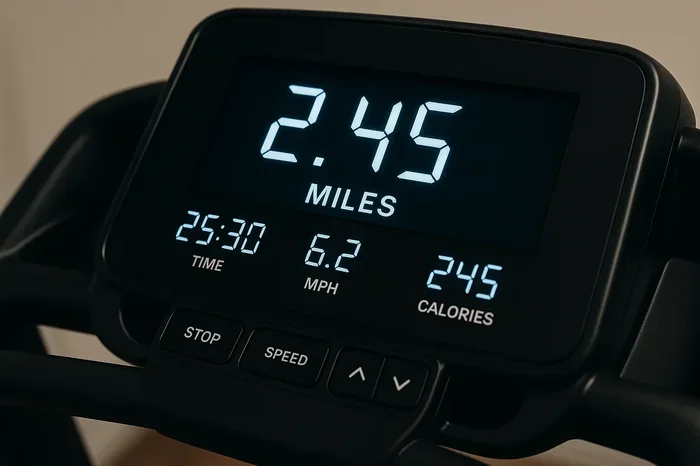
- Track your progress using the treadmill’s display or a fitness app.
Treadmill vs. Outdoor Running: Which Builds More Stamina?
One of the most debated topics in fitness is whether treadmill running or outdoor running is better for building stamina. The truth is that both have unique advantages. The key is understanding how they differ.
| Factor | Treadmill Running | Outdoor Running |
|---|---|---|
| Control | Full control over speed, incline, and conditions | Depends on weather, terrain, and environment |
| Impact on Joints | Lower impact due to cushioned belt | Higher impact on hard surfaces like concrete |
| Calorie Burn | Slightly lower without wind resistance | Slightly higher due to wind and terrain |
| Convenience | Available anytime, anywhere at home | Requires going outside |
| Mental Engagement | Can feel monotonous over time | More engaging with changing scenery |
| Stamina Building | Excellent for structured endurance training | Excellent for real-world adaptability |
Both methods are highly effective for building stamina. If you want the best of both worlds, try doing most of your base training on the treadmill where you can control variables precisely, and add occasional outdoor runs to build adaptability and mental toughness. Some runners find that running on a treadmill feels harder at first because there is no forward momentum from a moving belt pushing you ahead. Over time, your body adjusts, and you can transfer that indoor strength directly to outdoor running performance.
Common Mistakes That Hurt Your Stamina
Even with the best intentions, certain mistakes can slow your stamina improvement. Here are the most common ones to avoid:
Skipping the Warm-Up
Jumping straight into a fast run is a recipe for poor performance. Your muscles and joints need time to loosen up. A proper warm-up of 5 to 10 minutes at a walking or light jogging pace prepares your entire body for the work ahead. Skipping this step increases your injury risk and limits your energy levels during the main workout.
Holding the Handrails
Many people grip the handrails when the treadmill gets tough. This might feel helpful, but it actually reduces the effort your legs and core have to put in. You end up running at a lower intensity than intended, which means less cardiovascular fitness gain. Let go of the rails and focus on your running form instead. If you genuinely cannot maintain your balance, slow down the speed rather than holding on.
Doing the Same Workout Every Day
Your body adapts quickly. If you run at the exact same pace and incline every single day, your gains will stall. You need to vary your workout intensity, try different exercise routine structures, and progressively challenge yourself. This is the principle of progressive overload, and it is essential for endurance training.
Ignoring Rest Days
Stamina is not built during the workout. It is built during recovery. Your muscles repair and grow stronger when you rest. If you run every single day without breaks, you risk overtraining, fatigue, and even injury. Schedule at least 1 to 2 rest days per week and let your body recover fully. Proper recovery time is just as important as the time you spend on the treadmill.
Neglecting Nutrition
What you eat directly affects your physical fitness and stamina. Running on a treadmill burns a significant number of calories, and if you do not fuel your body properly, your performance will suffer. Focus on a balanced diet rich in complex carbohydrates for energy, lean proteins for muscle repair, and healthy fats for sustained energy levels. Eating a small meal or snack 1 to 2 hours before your run can also make a noticeable difference in how long you can sustain effort.
Expert Insights on Building Stamina with Treadmill Running
We spoke with certified personal trainers and running coaches to get their take on maximizing stamina improvement on the treadmill. Here is what they had to say:
Start slow and build gradually. The biggest mistake beginners make is doing too much too soon. Your body needs time to adapt to the demands of running on a treadmill. Start with 15 to 20 minute sessions, three times a week, and slowly increase duration and frequency as your cardiovascular fitness improves.
Use the talk test. If you can talk comfortably while running, you are in the right zone for building stamina. If you are gasping for air, slow down. If you can sing, speed up a little. This simple method helps you manage your workout intensity without needing any fancy equipment.
Listen to your body. Some days you will feel strong and energetic. Other days, your energy levels will be low. That is normal. Adjust your pace and distance accordingly. Forcing yourself through a tough session when your body is telling you to back off can lead to burnout and setbacks in your endurance training.
Consider your heart rate. Training in the right heart rate zone is one of the most reliable ways to build stamina. For endurance training, aim for 65 to 75 percent of your maximum heart rate. You can calculate your maximum heart rate roughly by subtracting your age from 220. Staying in this zone during your treadmill sessions ensures you are training for aerobic capacity rather than just burning through energy.
Key Takeaways
Conclusion: Does Running on a Treadmill Improve Your Stamina?
The evidence is clear. Running on a treadmill absolutely improves your stamina when you approach it with consistency, structure, and smart planning. Whether you use steady-state runs, interval training, or incline workouts, the treadmill provides a powerful platform for building cardiovascular fitness, muscular endurance, and mental toughness.
Stamina is not built overnight. It comes from showing up regularly, pushing your limits gradually, and recovering properly. Avoid the common mistakes that hold most people back, follow the workout strategies outlined in this guide, and pay attention to nutrition and rest. Over weeks and months, you will notice a dramatic difference in how long you can run, how fast you feel, and how your overall physical fitness has improved.
The treadmill is not just a piece of gym equipment. It is a tool for transformation. So lace up your shoes, step on the belt, and start building the stamina you deserve. Your future self will thank you.
Frequently Asked Questions
How long does it take to build stamina on a treadmill?
Most people notice noticeable stamina improvements within 4 to 6 weeks of consistent treadmill training. You should be able to run longer and feel less tired during your sessions. The exact timeline depends on your starting fitness level, how often you train, and whether you follow a structured endurance training plan.
Is running on a treadmill every day bad for stamina building?
Running daily can actually hurt your stamina if you do not allow for proper recovery. Overtraining leads to fatigue, decreased performance, and higher injury risk. Aim for 4 to 5 treadmill sessions per week with at least 1 to 2 rest days. Your body builds stamina during rest, not during the workout itself.
What speed should I run on a treadmill to build stamina?
The ideal speed depends on your fitness level. For stamina building, a moderate pace where you can hold a conversation but feel your heart working is best. This typically falls between 5.5 and 7 mph for most people. If you are unsure, check what speed on a treadmill is considered running to find your baseline and build from there.
Does incline on a treadmill help with stamina?
Yes, absolutely. Running on an incline forces your muscles to work harder and mimics the challenge of outdoor terrain. It raises your heart rate and aerobic capacity without requiring you to sprint. Start with a 1 to 3 percent incline for general training and gradually increase it as your stamina improvement progresses.
Can beginners build stamina on a treadmill?
Beginners can build significant stamina on a treadmill. The controlled environment makes it easier to manage pace and workout intensity. Start with brisk walking for 20 to 30 minutes, then gradually introduce jogging intervals. Over time, increase your running duration. Consistency matters more than speed for beginners building physical fitness.
How does treadmill stamina translate to outdoor running?
Stamina built on a treadmill transfers well to outdoor running because the cardiovascular and muscular adaptations are the same. Your heart health, lung capacity, and muscle endurance all carry over. To bridge the gap, occasionally run outdoors to adjust to wind, terrain, and weather differences. This ensures your indoor training directly improves your running performance outside.