Cooking Salmon in the Oven With These Simple Tips and Tricks
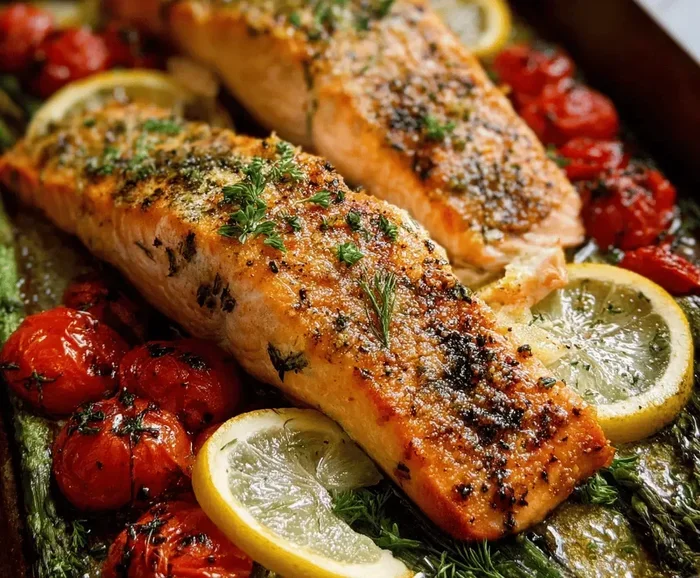
Cooking salmon in the oven is one of the easiest and healthiest ways to prepare a delicious meal at home. With the right temperature, seasoning, and timing, you can achieve restaurant-quality salmon with crispy skin and a tender, flaky center. This guide covers everything from choosing the best fillet to mastering your favorite baked salmon recipe.
There are few things in the kitchen as satisfying as cooking salmon in the oven. It is fast, it is easy, and it looks impressive on the plate. Whether you are a beginner in the kitchen or a seasoned home cook, mastering the art of oven-baked salmon will change your weeknight dinners forever.
Salmon is one of the most popular healthy proteins out there. It is packed with omega-3 fatty acids, high-quality protein, and essential vitamins. Many people love baked salmon recipe ideas because the oven does most of the work for you. You just season the fish, pop it in, and wait for that beautiful golden finish.
In this guide, you will learn everything you need to know about oven-baked salmon. We will cover how to choose the right fillet, the best seasoning combos, exact temperatures and times, and how to get that crispy skin everyone loves. By the end, you will feel confident enough to make salmon a regular part of your healthy salmon dinner rotation.
If you are serious about staying fit and eating clean, you might also enjoy learning about proper nutrition after a workout. For example, many people combine their healthy salmon dinner with a morning exercise routine. Activities like jumping rope are great for warming up your body before a meal. You can read more about Is It Good To Jump Rope In The Morning to build a balanced fitness and nutrition lifestyle.
Key Takeaways
- Perfect Temperature: Bake salmon at 400°F for 12-15 minutes for a juicy, flaky result.
- Choose Fresh Fillets: Look for bright-colored salmon with a fresh ocean smell for the best flavor.
- Crispy Skin Starts with Dry Fish: Pat the skin dry and let it come to room temperature before baking.
- Season Simply: Olive oil, lemon, garlic, and salt are all you need for a flavorful salmon dinner.
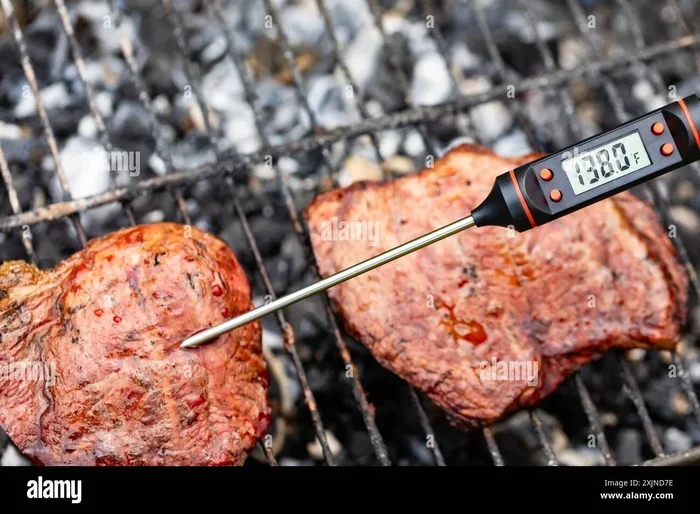
- Don’t Overcook: Use a meat thermometer and pull the salmon at 145°F internal temperature.
- Meal Prep Friendly: Oven-baked salmon stores well and makes great healthy leftovers for the week.
- Pair with Easy Sides: Roasted vegetables, rice, or a fresh salad complement salmon perfectly.
📑 Table of Contents
Why Oven-Baked Salmon Is a Great Choice
When it comes to preparing salmon, the oven is your best friend. There are many ways to cook fish, but baking in the oven gives you consistent results with very little effort. Let us look at why this method works so well.
Health Benefits of Salmon
Salmon is often called a superfood, and for good reason. A single serving provides a large dose of omega-3 fatty acids, which support heart health, brain function, and reduced inflammation. It is also rich in B vitamins, potassium, and selenium.
Unlike fried fish, oven-baked salmon does not add extra fat or calories from oil. You get all the nutrition without the guilt. It is one of the cleanest ways to prepare protein for a healthy salmon dinner. Pair it with vegetables and whole grains, and you have a balanced meal that fuels your body well.
For those who lead an active lifestyle, salmon fits perfectly into a fitness-focused diet. Many athletes and gym-goers rely on baked fish for their protein needs. If you are interested in how exercise and nutrition work together, you might want to explore how to How To Use A Rowing Machine In The Gym to burn calories and build endurance alongside a clean diet.
Why the Oven Works Best for Salmon
The oven provides gentle, even heat that cooks salmon beautifully. Unlike a stovetop, where you have to flip and monitor the fish closely, the oven lets you set it and forget it. The hot air surrounds the fillet evenly, which means no hot spots and no burnt edges.
Another big advantage is that the oven allows the skin to crisp up nicely. When you bake salmon skin-side down on a lined sheet pan, the skin becomes crunchy while the flesh stays moist and tender. This is something that is hard to achieve with other cooking methods.
Using the oven also gives you flexibility. You can bake one fillet for yourself or a whole tray for a family dinner. It scales up easily, which makes cooking salmon in the oven perfect for meal prep. You can bake several portions at once and store them for the week ahead.
How to Prepare Salmon for the Oven
Good preparation is the secret to great-tasting baked salmon. Taking a few extra minutes before the fish goes in the oven makes a huge difference in the final result.
Choosing the Right Salmon Fillet
Start with a fresh or high-quality frozen salmon fillet. Look for fillets that are about one inch thick. This thickness cooks evenly and gives you a juicy center without drying out the edges.
When choosing salmon fillet oven cuts, pay attention to the color. Fresh salmon should have a vibrant orange or pink color. It should smell like the ocean, not fishy or sour. If the fillet looks dull or has a strong ammonia smell, it is best to choose a different piece.
You can buy skin-on or skinless fillets. Skin-on fillets are better for getting that crispy texture we love. Skinless fillets are easier to eat if you do not enjoy the skin. Both work great in the oven, so it really comes down to personal preference.
If you are on a budget, you might be wondering about the cost of quality ingredients. Cooking at home is almost always cheaper than eating out. For example, if you are curious about equipment costs for a home gym, check out What Is The Cost Of Treadmill In India to see how affordable fitness gear can be. The same idea applies to cooking — simple ingredients like salmon and vegetables cost very little compared to restaurant meals.
Seasoning Ideas for Flavorful Salmon
The beauty of cooking salmon in the oven is how well it pairs with simple seasonings. You do not need a complicated recipe to make it taste amazing. Here are some easy combinations to try:
- Classic Lemon Herb: Olive oil, fresh lemon juice, minced garlic, salt, pepper, and dried dill.
- Asian-Inspired: Soy sauce, honey, grated ginger, sesame oil, and a sprinkle of sesame seeds.
- Mediterranean Style: Olive oil, lemon zest, oregano, capers, and sliced olives.
- Simple and Clean: Just salt, pepper, olive oil, and a squeeze of lemon for the purest salmon flavor.
- Spicy Kick: Paprika, cayenne pepper, garlic powder, olive oil, and a touch of honey.
Keep it simple, especially when you are just starting out. A good rule of thumb is to use olive oil as your base, add salt and pepper, and then pick one or two extra flavors. Over-seasoning can mask the natural taste of the fish, and that is what makes salmon so special.
Step-by-Step Cooking Guide
Now that your salmon is seasoned and ready, let us get it in the oven. This step-by-step guide will walk you through the process so you get perfect results every single time.
Temperature and Time for Perfect Salmon
The ideal salmon cooking temperature is 400°F (200°C). This high heat cooks the fish quickly while allowing the skin to crisp up. Here is a simple breakdown:
- Preheat your oven to 400°F. Let it fully heat before placing the salmon inside.
- Prepare a baking sheet by lining it with parchment paper or aluminum foil. This makes cleanup a breeze.
- Place the fillet skin-side down on the prepared sheet. Leave space between fillets if baking more than one.
- Season the salmon with your chosen spices and a drizzle of olive oil.
- Bake for 12 to 15 minutes for a fillet that is about one inch thick. Thinner fillets may need only 10 minutes.
- Check for doneness by gently pressing the thickest part of the fillet with a fork.
For the best salmon cooking time, always check the internal temperature with a meat thermometer. The target is 145°F (63°C) at the thickest part. Once it reaches this temperature, remove the salmon from the oven immediately.
Checking for Doneness
Knowing when your oven-baked salmon is done can be tricky if you have never cooked it before. Here are three reliable ways to check:
- Meat Thermometer: Insert it into the thickest part. 145°F means it is perfectly done.
- Flake Test: Gently press the top of the fillet with a fork. If it flakes easily and looks opaque throughout, it is ready.
- Color Check: The center should be slightly translucent and pink, not raw and red. Over time, the salmon will continue to cook slightly after you take it out of the oven.
Many people make the mistake of leaving salmon in the oven too long. This dries out the fish and makes it tough. It is always better to pull it out a little early because the residual heat will continue cooking the fillet as it rests on the pan.
Tips for Perfectly Crispy Salmon Skin
If you love crispy salmon skin, you are not alone. It is one of the most delicious parts of the fish. Here is how to get it just right every time.
First, pat the salmon fillet completely dry with paper towels before seasoning. Moisture is the enemy of crispy skin. The drier the surface, the crispier the result. Some people even let the fillet sit uncovered in the fridge for 30 minutes before baking to help dry the skin further.
Second, make sure your oven is fully preheated. A hot oven is essential for crisping the skin. If the oven is not hot enough, the skin will steam instead of crisp.
Third, place the fillet skin-side down on the baking sheet. Do not move it around while it cooks. Let the skin sit in direct contact with the hot pan for the entire baking time. This consistent contact is what creates that satisfying crunch.
Finally, if you really want crispy skin, you can finish the salmon under the broiler for the last 1-2 minutes. Watch it closely during this step because the broiler can go from perfectly crispy to burnt in seconds.
Easy Oven Salmon Recipes to Try
Once you understand the basics, you can get creative with different flavors. Here are three simple salmon recipe easy ideas that work beautifully in the oven:
1. Garlic Butter Salmon — Melt two tablespoons of butter with minced garlic and a squeeze of lemon. Pour it over the seasoned fillet and bake at 400°F for 12 minutes. The butter creates a rich, glossy finish that is absolutely delicious.
2. Honey Mustard Salmon — Mix two tablespoons of Dijon mustard with one tablespoon of honey and a pinch of salt. Spread it over the fillet before baking. The sweet and tangy glaze caramelizes beautifully in the oven.
3. Herb Crust Salmon — Combine chopped fresh parsley, thyme, and breadcrumbs with olive oil. Press the mixture gently onto the top of the fillet. Bake for 15 minutes until the crust is golden and the fish is cooked through.
Each of these recipes takes less than 20 minutes from start to finish. They are perfect for busy weeknights when you want something nutritious and satisfying. Salmon dinner ideas like these make it easy to eat well without spending hours in the kitchen.
Common Mistakes to Avoid When Baking Salmon
Even though cooking salmon in the oven is straightforward, there are a few common mistakes that can ruin the result. Here is what to watch out for:
- Starting with cold fish: Always let the salmon sit at room temperature for 10-15 minutes before baking. Cold fish cooks unevenly, which means the edges overcook while the center stays raw.
- Skipping the preheat: A cold oven leads to uneven cooking. Always wait until the oven reaches the target temperature before putting the salmon in.
- Overcrowding the pan: Give each fillet space. If the pieces are touching, the steam gets trapped and the skin turns soggy instead of crispy.
- Using too much oil: A light coating of olive oil is enough. Too much oil can make the fish greasy and prevent the seasoning from sticking.
- Overcooking the fish: This is the number one mistake. Salmon continues to cook after you remove it from the oven, so pulling it at 140°F and letting it rest will give you a perfect 145°F result.
By avoiding these simple errors, you will notice a huge improvement in your baked salmon every time. Practice makes perfect, and after a few attempts, you will know exactly how your oven and your preferred fillet thickness work together.
Storing and Reheating Leftover Salmon
If you have leftovers from your healthy salmon dinner, you will be happy to know that baked salmon stores well. Let the salmon cool completely before storing it in an airtight container. It will keep in the refrigerator for up to three days.
To reheat, place the salmon in the oven at 275°F for about 10 minutes. This low temperature warms the fish gently without drying it out. Avoid microwaving leftover salmon if possible, as the microwave tends to make the fish rubbery and unevenly heated.
Leftover salmon also makes a great addition to salads, sandwiches, and pasta dishes the next day. It is one of the most versatile proteins for meal prep. If you are planning to build a home gym alongside a healthy kitchen, you might want to check out how to How To Get A Treadmill In The House for setting up a convenient workout space at home.
Conclusion
Cooking salmon in the oven is one of the simplest and most rewarding things you can do in the kitchen. With the right temperature, a few quality ingredients, and a little attention to timing, you can create restaurant-quality salmon at home. The oven method gives you crispy skin, a tender and juicy center, and endless flavor possibilities.
Remember to start with a fresh, quality fillet, pat it dry, season it simply, and bake it at 400°F for 12 to 15 minutes. Avoid the common mistakes we covered, and do not be afraid to experiment with different seasonings and recipes. Once you master the basics, you will find yourself making oven-baked salmon at least once a week.
Salmon is not just delicious. It is also one of the healthiest proteins you can eat. It supports your heart, your brain, and your overall well-being. Whether you are cooking for yourself, your family, or meal prepping for the week, baked salmon recipe ideas will never let you down.
So preheat that oven, grab a fresh fillet, and get cooking. You deserve a healthy salmon dinner that is as easy to make as it is good to eat.
Frequently Asked Questions
What is the best temperature to cook salmon in the oven?
The best temperature for cooking salmon in the oven is 400°F (200°C). This heat cooks the fish evenly and creates a beautifully crispy skin while keeping the inside moist and tender. Bake for about 12 to 15 minutes for a one-inch-thick fillet, and always check that the internal temperature reaches 145°F before serving.
How long does it take to bake salmon in the oven?
Baking time depends on the thickness of the fillet. A standard one-inch-thick salmon fillet takes about 12 to 15 minutes at 400°F. Thinner fillets may need only 10 minutes, while thicker pieces could need up to 18 minutes. Using a meat thermometer is the best way to ensure perfect doneness every time.
Should I cook salmon skin-side up or skin-side down?
Always cook salmon skin-side down when baking in the oven. This allows the skin to crisp up evenly and protects the delicate flesh from direct heat. The skin also acts as a natural barrier that helps keep the fish moist during cooking. Place the fillet directly on a parchment-lined baking sheet for the best results.
Can I use frozen salmon for baking?
Yes, you can bake frozen salmon, but thawing it first gives you much better results. If you are using frozen salmon, place it in the refrigerator the night before to thaw slowly. If you need to cook it from frozen, add a few extra minutes to the baking time and check the internal temperature carefully to make sure it cooks evenly throughout.
What are the best seasonings for oven-baked salmon?
Simple seasonings work best for oven-baked salmon. Olive oil, salt, pepper, and lemon are the classic combination. You can also try garlic, fresh herbs like dill or thyme, honey mustard glaze, or a soy sauce and ginger mix. The key is to keep it light so the natural flavor of the salmon shines through.
How do I know if my salmon is fully cooked?
The easiest way to tell if salmon is fully cooked is to use a meat thermometer. Insert it into the thickest part of the fillet, and when it reads 145°F, the salmon is done. You can also check by gently pressing the fish with a fork. If it flakes easily and looks opaque throughout, it is ready to serve. Avoid overcooking, as salmon will continue to cook slightly after being removed from the oven.