Common Car Detailing Problems
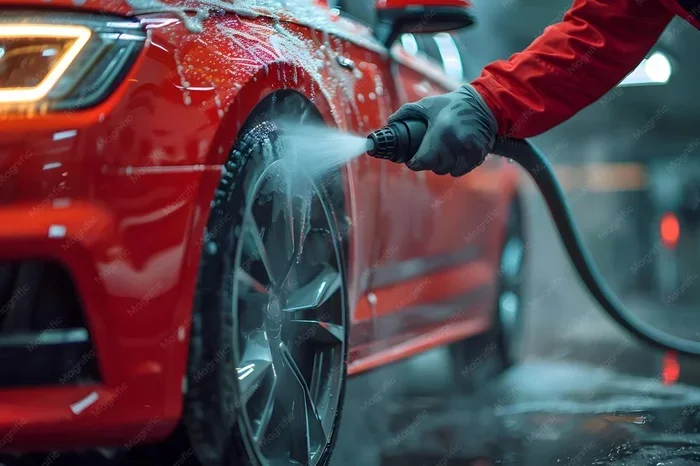
Common car detailing problems like swirl marks, water spots, and paint oxidation can ruin your vehicle’s appearance. This guide reveals the top mistakes people make and provides simple, actionable solutions to protect your car’s finish. Whether you are a beginner or a seasoned enthusiast, you will find practical tips to avoid these errors and keep your car looking showroom-ready.
Every car owner loves that fresh, just-detailed look. But here is the truth. Common car detailing problems can sneak up on you fast, even when you think you are doing everything right. Water spots, swirl marks, faded paint, and streaky interiors are just the tip of the iceberg. The good news is that most of these issues are completely preventable. You just need to know what goes wrong and how to fix it.
In this guide, we break down the biggest detailing mistakes people make every single day. We also give you easy, practical solutions you can start using right away. Whether you detail your car at home or visit a professional, understanding these problems puts you ahead. Let us dive in and save your vehicle from avoidable damage.
Key Takeaways
- Water spots and etching are among the most common car detailing problems and can cause permanent damage if not treated quickly.
- Swirl marks and scratches often result from improper washing techniques and cheap materials.
- Paint oxidation happens over time but is preventable with regular care and quality products.
- Interior detailing mistakes like using the wrong cleaners can damage leather, plastic, and fabric.
- Using the wrong buffer pads or polish leads to uneven finishes and wasted effort.
- Skipping clay bar treatment leaves embedded contaminants that dull your paint.
- Consistency and the right products are the keys to avoiding most common car detailing problems.
📑 Table of Contents
- Water Spots and Etching: The Silent Destroyers
- Swirl Marks and Scratches: The Washing Mistakes
- Paint Oxidation: When Your Car Starts to Fade
- Interior Detailing Blunders That Ruin Your Car
- Polish and Waxing Errors That Waste Your Time
- Skipping the Clay Bar Treatment
- Common Car Detailing Problems Comparison Table
- Expert Insights on Avoiding Detailing Disasters
- Conclusion: Take Control of Your Car Detailing Results
Water Spots and Etching: The Silent Destroyers
Nothing frustrates a car lover more than water spots. These ugly marks appear after rain, sprinklers, or even a simple hose rinse. What many people do not realize is that water spots are not just a cosmetic issue. When water evaporates, it leaves behind minerals like calcium and lime. Over time, these minerals eat into your clear coat and cause etching.
Water spots and etching are among the most widespread common car detailing problems. The damage gets worse the longer you leave them untreated. Here is how to prevent and fix them.
How Water Spots Form
When water dries on your car, it leaves mineral deposits behind. Hard water is the worst culprit. If you live in an area with high mineral content in your tap water, your car is more vulnerable. Even rainwater can cause spots because it picks up pollutants and minerals from the air.
Prevention Tips
- Dry your car immediately after washing using a soft microfiber towel.
- Use filtered or distilled water for your final rinse.
- Apply a quality ceramic coating or wax to create a protective barrier.
- Never let your car air dry in direct sunlight.
How to Remove Existing Water Spots
For light spots, a simple iron remover spray works wonders. For deeper etching, you may need a light compound and a dual-action polisher. The key is to act fast. The longer you wait, the harder the spots become to remove.
Swirl Marks and Scratches: The Washing Mistakes
Swirl marks are those fine, circular scratches you see on your paint, especially under direct light. They make even a brand-new car look dull. The sad part is that most swirl marks come from poor washing habits. It is not the car that causes the damage. It is how you clean it.
Why Swirl Marks Happen
Using a dirty chamois, dragging a towel across dry dirt, or washing with a rough sponge are the top causes. Even a seemingly harmless mistake like using a single bucket without rinsing your mitt can drag dirt across your paint and create fine scratches.
How to Avoid Swirl Marks
- Use the two-bucket method. One bucket for soapy water and one for rinsing your mitt.
- Always use a grit guard in your buckets.
- Choose a soft microfiber wash mitt instead of a sponge.
- Wash from top to bottom where dirt is least concentrated.
- Never wash your car in direct sunlight. The soap dries too fast and leaves residue.
Fixing Existing Swirl Marks
Light swirl marks respond well to a quality paint polish and a foam pad on a dual-action polisher. For deeper scratches, you may need a professional paint correction treatment. Always finish with a layer of wax or sealant to protect your freshly corrected paint.
Just like you would not leave your treadmill loose in your car and risk damage, you should never treat your car’s paint carelessly during washing. Prevention is always easier and cheaper than repair.
Paint Oxidation: When Your Car Starts to Fade
Paint oxidation is one of the most visible common car detailing problems. It happens when your car’s clear coat breaks down from exposure to UV rays, pollution, and weather. The paint starts to look chalky, dull, and faded. In severe cases, the clear coat can peel entirely.
What Causes Paint Oxidation
- Prolonged sun exposure without a protective layer.
- Acid rain and environmental pollutants.
- Neglecting regular washing and waxing.
- Parking outdoors without a cover for months.
Can Oxidation Be Reversed?
For mild oxidation, a compound polish followed by a good wax can restore the shine. For heavy oxidation, you may need to sand and repaint the affected panels. This is why prevention matters so much. A simple layer of wax every few months goes a long way.
Best Products to Fight Oxidation
- Clay bar treatment removes embedded contaminants before they cause damage.
- UV-protectant sealants add a durable shield against the sun.
- Ceramic coatings offer long-lasting protection that wax alone cannot match.
If you have ever wondered about storing items in your car, check out whether you can leave a yoga mat in your car without causing interior damage. The same principles of heat and UV exposure apply to your car’s paint and interior surfaces.
Interior Detailing Blunders That Ruin Your Car
People often focus all their attention on the exterior and forget the interior. But a stunning paint job means nothing if your cabin looks neglected. Interior detailing mistakes are surprisingly common and can lead to cracked leather, stained fabric, and a stale smell that just will not go away.
Using the Wrong Cleaners
This is the number one mistake. Household cleaners like Windex or all-purpose sprays are too harsh for car interiors. They strip away the protective coatings on leather and plastic, leaving them dry and prone to cracking. Always use cleaners designed specifically for automotive interiors.
Common Interior Problems and Solutions
- Stained fabric seats: Use an enzyme-based cleaner for organic stains like coffee or food.
- Cracked leather: Apply a quality leather conditioner every few months to keep it supple.
- Dusty vents and crevices: Use a soft brush and compressed air to reach tight spots.
- Sticky dashboard: An anti-static interior detailer prevents dust from settling.
Pro Tip for a Fresh Smell
Baking soda is a fantastic natural deodorizer. Sprinkle it on your carpet and seats, let it sit for 15 minutes, and vacuum it up. Your car will smell fresh without any harsh chemicals. If you are also dealing with tire care, make sure your tire shine products are non-splattering so they do not land on your freshly cleaned interior.
Polish and Waxing Errors That Waste Your Time
Waxing and polishing sound simple, but they are easy to get wrong. These mistakes lead to streaky finishes, hazy residue, and wasted product. Understanding the basics saves you time and money.
Using the Wrong Buffer Pads
Not all buffer pads are the same. Foam pads come in different grades for cutting, polishing, and finishing. Using an aggressive cutting pad for a final finish will leave swirl marks behind. Match your pad to the stage of your work.
Applying Too Much Product
More product does not mean better results. In fact, applying too much wax or polish creates a thick, gummy mess that is hard to remove. Less is more. Work in small sections and use thin, even layers.
Polishing in the Wrong Conditions
Always polish and wax in a shaded area. Direct sunlight causes the product to dry too quickly, leaving you with streaks and hazing. Work in temperatures between 60 and 80 degrees Fahrenheit for the best results.
Skipping the Clay Bar Treatment
A clay bar treatment is one of the most overlooked steps in car detailing. After washing, your paint still has embedded contaminants like rail dust, tree sap, and industrial fallout. These particles sit below the surface and make your paint feel rough. Skipping the clay bar means you are polishing over contaminants, which causes more scratches.
Use a detailing clay with a lubricant after every wash or at least once a month. Your paint will feel silky smooth and look noticeably brighter. This simple step prevents a host of common car detailing problems down the road.
Common Car Detailing Problems Comparison Table
| Problem | Cause | Prevention | Fix |
|---|---|---|---|
| Water Spots | Mineral deposits from hard water | Dry immediately, use distilled water | Iron remover or light polish |
| Swirl Marks | Improper washing technique | Two-bucket method, microfiber mitt | Paint polish and correction |
| Paint Oxidation | UV exposure and neglect | Regular waxing, ceramic coating | Compound polish or repaint |
| Interior Stains | Wrong cleaner type | Use automotive-specific products | Enzyme cleaner or leather conditioner |
| Wax Streaks | Too much product or wrong conditions | Thin layers, shade work area | Remove with a clean microfiber cloth |
| Embedded Contaminants | Skipping clay bar treatment | Clay bar every 1-2 months | Detailing clay with lubricant |
Understanding these problems and their solutions gives you a huge advantage. You do not need to be a professional to achieve professional results. You just need the right knowledge and the right routine.
Expert Insights on Avoiding Detailing Disasters
Professional detailers see the same mistakes over and over. Here is what the experts want you to know.
- Invest in quality microfiber towels. Cheap towels scratch paint and leave lint behind. A set of good microfiber towels is the best investment you can make.
- Read product labels. Not every product works on every surface. A cleaner safe for plastic may damage leather.
- Work in sections. Do not try to detail your entire car in one go. Break it into panels or areas for the best results.
- Maintain a regular schedule. Detailing is not a one-time event. Set a routine and stick with it.
Much like maintaining your vehicle with proper tire pressure using a bike pump for car tires prevents bigger mechanical issues, consistent small efforts in detailing prevent major cosmetic damage over time.
Conclusion: Take Control of Your Car Detailing Results
Common car detailing problems do not have to ruin your vehicle. With the right knowledge, the right products, and a consistent routine, you can keep your car looking incredible for years. The biggest takeaway is this: prevention is always easier than repair. Dry your car properly, wash with care, use the right products, and never skip protective layers like wax or ceramic coating.
Start small if you are new to detailing. Master the basics first. Learn how to wash without creating swirl marks. Get comfortable with a clay bar. Then move on to polishing and waxing. Each step builds on the last, and soon you will be detailing like a pro. Your car deserves the best care, and now you have the tools to give it exactly that.
Frequently Asked Questions
What are the most common car detailing problems?
The most frequent issues include water spots, swirl marks, paint oxidation, interior stains, wax streaks, and embedded contaminants. Most of these problems are caused by poor washing habits, wrong products, or neglecting regular maintenance.
How do I prevent water spots on my car?
Dry your car immediately after washing with a soft microfiber towel. Use distilled or filtered water for your final rinse, and apply a protective layer of wax or ceramic coating to repel minerals and contaminants.
Can swirl marks be completely removed?
Yes, most swirl marks can be removed with a quality paint polish and a dual-action polisher. Deep swirl marks may require professional paint correction, but light marks are easily fixable at home with the right technique.
How often should I detail my car?
A full interior and exterior detailing session every three to four months is ideal. Washing your car weekly and applying a quick detailer spray between washes helps maintain protection and keeps problems from building up.
Is it okay to use household cleaners inside my car?
No. Household cleaners are too harsh for automotive surfaces. They strip protective coatings from leather and plastic. Always use cleaners specifically formulated for car interiors to avoid damage.
What is the best way to fix paint oxidation?
For mild oxidation, use a compound polish followed by a quality wax. For severe oxidation, the affected paint may need to be sanded and repainted. Regular waxing and UV protection are the best ways to prevent oxidation from forming in the first place.