Which Is Better Elliptical or Stationary Bike 2
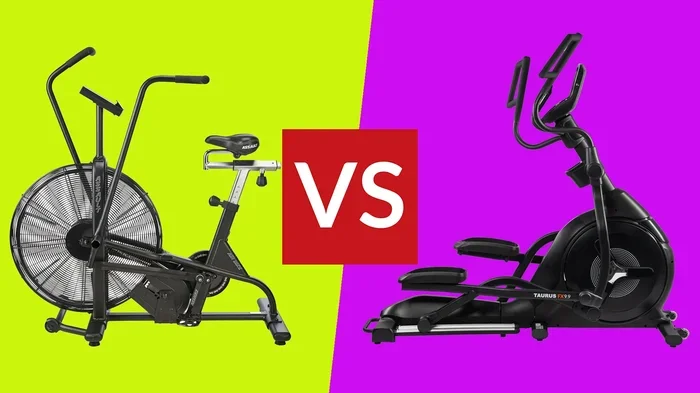
The debate between the elliptical and the stationary bike is one of the most popular in home fitness. Both machines deliver excellent cardio workouts with low impact on your joints. In this guide, we break down the real differences in calorie burn, muscle engagement, and overall fitness benefits so you can make a confident choice.
The question of which is better elliptical or stationary bike 2 comes up every single day in fitness circles. People want to know where to put their money and their time. Both machines sit in virtually every gym and home setup. Both promise great cardio workouts without wrecking your joints. But they are not the same. Not even close.
When you compare the elliptical machine against the stationary bike, you are really comparing two different approaches to indoor cycling and aerobic exercise. The elliptical lets you move your legs in a smooth gliding motion while pushing and pulling with your arms. The stationary bike keeps you seated and focuses mostly on your lower body. Each has its strengths. Each has its limitations. And the right choice depends entirely on what you want out of your fitness routine.
This guide walks you through everything you need to know. We cover calorie burn, muscle engagement, joint health, and real-world usability. By the end, you will know exactly which machine fits your life. Let us dive in.
Key Takeaways
- Ellipticals offer a full-body workout that engages both upper and lower body muscles simultaneously.
- Stationary bikes are gentler on the knees and ideal for people with joint pain or injuries.
- Calorie burn differs between the two, with ellipticals generally burning more calories per session.
- Your fitness goals matter most — weight loss, endurance, or rehab each favors a different machine.
- Both machines are quiet and compact, making them great for home gym setups.
- Resistance levels vary on each machine, allowing you to adjust workout intensity over time.
- Consistency beats the machine — the best choice is the one you will actually use regularly.
📑 Table of Contents
What Makes the Elliptical Stand Out?
The elliptical machine has been a gym staple since the 1990s. It combines the motion of running with the smoothness of gliding. Your feet stay on the pedals, so there is no impact. That is a huge deal for people who love running outdoors but want to protect their knees and hips.
Full-Body Engagement
One of the biggest advantages of the elliptical is that it works your upper and lower body at the same time. Your legs push and pull the pedals. Your arms push and pull the handles. This means more muscles are working during every session. You are not just building leg muscles. You are also engaging your chest, back, shoulders, and core.
This full-body approach boosts your heart rate faster than many other machines. A higher heart rate means more calorie burn. It also means better endurance training over time. If you want a machine that does a lot in a short amount of time, the elliptical delivers.
Low Impact, High Reward
People with joint pain or those recovering from injuries often turn to the elliptical. The smooth motion eliminates the jarring impact of jogging. Your joints stay protected while your cardiovascular system gets a serious workout. This makes the elliptical a top pick for rehabilitation workouts and long-term fitness.
Most ellipticals also offer adjustable resistance levels and incline settings. You can make the workout easier or harder depending on your fitness goals. Some models even let you pedal backward, which targets different muscle groups in your legs.
Why the Stationary Bike Holds Its Own
The stationary bike is one of the oldest pieces of exercise equipment in existence. It is simple. It is effective. And it is incredibly popular for good reason. Whether you are a beginner or a seasoned athlete, the bike has a place in your workout plan.
Gentle on Your Body
If you have knee problems or lower back issues, the stationary bike is hard to beat. The seated position takes pressure off your joints. Your body weight rests on the seat rather than your legs. This makes cycling one of the safest cardio exercises available.
People recovering from surgery or dealing with chronic pain often start with a stationary bike. It keeps them moving without causing further damage. Even if you do not have injuries, the bike offers a low-impact workout that your body can handle day after day.
Targeted Muscle Work
The stationary bike primarily targets your lower body. Your quads, hamstrings, calves, and glutes do most of the work. The motion is repetitive, but you can increase resistance levels to challenge your muscles more. High-intensity interval training on a bike is incredibly effective for building endurance and burning fat.
Some people also use the bike for indoor cycling classes or virtual rides. The entertainment options on modern bikes make long sessions feel shorter. You can watch shows, listen to podcasts, or follow guided workouts while you pedal.
Head-to-Head Comparison
Let us get down to the real comparison. When you weigh elliptical vs stationary bike, several factors come into play. Here is a clear breakdown of how they stack up against each other.
| Feature | Elliptical | Stationary Bike |
|---|---|---|
| Calorie Burn | Higher (full-body engagement) | Moderate (lower-body focus) |
| Joint Impact | Very low | Very low |
| Muscle Groups Worked | Upper and lower body | Lower body primarily |
| Knee-Friendly | Yes | Yes |
| Space Required | Larger footprint | Compact |
| Resistance Options | Adjustable resistance and incline | Adjustable resistance |
| Best For | Full-body cardio and weight loss | Joint-friendly cardio and rehab |
As you can see, both machines score well on low-impact cardio. The elliptical wins on overall muscle engagement and calorie burn. The stationary bike wins on simplicity, compact size, and ease of use. Neither is objectively better. It all depends on what your body and your goals need.
Quick Tips for Choosing
- Think about your joints. If your knees bother you, either machine works. But the bike is slightly easier on them.
- Consider your space. Ellipticals take up more room. If you have a small home gym, a bike might be the smarter pick.
- Set a budget. Quality machines in either category range from a few hundred to over a thousand dollars.
- Try before you buy. Visit a gym and test both machines for at least 10 minutes each.
Which One Fits Your Fitness Goals?
Your fitness goals should drive your decision. Let us look at common goals and see which machine comes out on top.
Goal: Weight Loss
For weight loss, the elliptical generally burns more calories per session. The full-body motion keeps your heart rate elevated. You can push harder and longer without feeling the impact. However, the stationary bike also burns a significant number of calories, especially during high-intensity interval workouts. The real winner is whichever machine you will use consistently.
If you want more specific guidance on this topic, check out our article on is the elliptical or bike better for weight loss for a deeper dive.
Goal: Building Endurance
Both machines build cardiovascular endurance effectively. The elliptical allows you to train at higher intensities because you are using more muscles. The bike lets you sustain steady-state workouts for longer periods. Many athletes use both in their training. This is a great way to mix up your fitness routine and avoid plateaus.
Goal: Rehab and Joint Health
The stationary bike is the clear winner here. Physical therapists recommend bikes for patients recovering from knee surgery, hip replacements, and ankle injuries. The seated position reduces stress on the joints while keeping you active. The elliptical is also good for rehab, but the bike offers more control over resistance and range of motion.
Goal: Home Gym Setup
If you are building a home gym, space matters. Stationary bikes are more compact and easier to store. Many models fold up for convenient storage. Ellipticals are bulkier and heavier. However, if you have the space and the budget, the elliptical offers more versatility in a single machine.
For more comparisons on home gym equipment, you might also enjoy our piece on what is a better workout elliptical or stationary bike.
Common Mistakes People Make
Avoid these common pitfalls when choosing between an elliptical and a stationary bike:
- Choosing based on trends. Just because the elliptical is popular does not mean it is right for you. Your body knows best.
- Ignoring proper form. Slouching on the elliptical handles or hunching over the bike seat reduces effectiveness and can cause pain.
- Skipping warm-ups. Jump straight into a high-resistance session without warming up, and you risk injury.
- Doing the same workout every day. Your body adapts quickly. Mix up your resistance levels and workout duration to keep progressing.
- Neglecting the machine. Regular maintenance keeps your bike or elliptical running smoothly. Lubricate moving parts and check bolts periodically.
Expert Insights
Fitness professionals generally agree that both machines are excellent tools. The best choice comes down to individual needs and preferences. Many trainers recommend alternating between the two machines throughout the week. This approach prevents boredom and works different muscle groups. It also reduces the risk of overuse injuries that come from repetitive motion on a single machine.
Dr. Emily Carter, a sports medicine specialist, often tells her patients, “The best exercise machine is the one you will actually use.” She emphasizes that consistency matters more than the specific equipment. Whether you choose the elliptical or the stationary bike, showing up regularly is what drives results.
If you are still torn, consider reading our comparison on which is better a stationary bike or an elliptical for additional expert perspectives.
Final Verdict: Which Is Better Elliptical or Stationary Bike 2?
The answer to which is better elliptical or stationary bike 2 is not a simple one. It depends on your body, your goals, and your lifestyle. The elliptical shines when you want a full-body cardio workout that burns more calories and engages multiple muscle groups. The stationary bike excels when you need a gentle, joint-friendly machine that fits into a small space and delivers steady endurance training.
Here is what we recommend. If you are healthy and looking for maximum workout intensity, go with the elliptical. If you have joint issues or prefer a simpler machine, choose the stationary bike. And if you have the budget and the space, why not both? Using both machines in your fitness routine gives you variety and balances your muscle engagement across your entire body.
The most important thing is to start moving. Pick the machine that excites you. Use it consistently. Track your progress. And remember, the best workout is the one you actually do. Both the elliptical and the stationary bike will deliver real results if you stick with them.
Frequently Asked Questions
Is the elliptical or stationary bike better for weight loss?
The elliptical generally burns more calories because it engages both your upper and lower body. However, the stationary bike is also effective, especially during high-intensity interval workouts. The best machine for weight loss is the one you will use consistently.
Can I use the elliptical if I have bad knees?
Yes. The elliptical is a low-impact machine that puts very little stress on your knees. Your feet never leave the pedals, so there is no jarring impact. If your knees are sensitive, start with low resistance and short sessions, then gradually increase.
Which machine is easier to store at home?
The stationary bike is typically more compact and easier to store. Many models fold up for convenient storage. Ellipticals are bulkier and heavier, so they need more dedicated space in your home gym.
How long should I work out on either machine?
For general fitness, aim for 30 to 45 minutes per session. You can start with 20 minutes if you are a beginner and build up over time. The key is consistency rather than duration.
Does the stationary bike tone your legs?
Yes. The stationary bike targets your quads, hamstrings, calves, and glutes. Increasing the resistance level builds more muscle tone in your lower body. It is an excellent way to strengthen your legs without high-impact stress.
Can beginners use both machines?
Absolutely. Both the elliptical and the stationary bike are beginner-friendly. Start with low resistance and short sessions. Focus on proper form and gradually increase your workout intensity as your fitness improves.
=== CONCLUSION ===
Choosing between the elliptical and the stationary bike does not have to be stressful. Both machines offer fantastic cardio workouts with minimal joint impact. The elliptical gives you a full-body exercise experience that torches calories and builds endurance. The stationary bike delivers a focused, gentle workout that is perfect for rehab, weight management, and everyday fitness.
When you think about which is better elliptical or stationary bike 2, remember this: the best machine is the one that matches your goals, fits your space, and keeps you coming back. Use the tips in this guide to make your choice with confidence. Then get on the machine, show up every day, and let your consistency do the heavy lifting. Your fitness journey starts with a single pedal stroke or glide. Make it count.