Can You Use Lysol Wipes on Yoga Mat
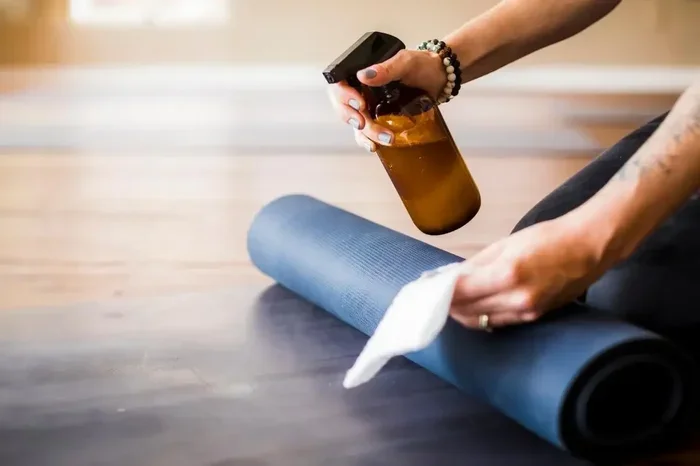
Using Lysol wipes on a yoga mat is possible but comes with important caveats. The harsh chemicals in Lysol can break down certain mat materials over time, causing cracking, stickiness, or odor issues. Always check your mat type first, and consider gentler yoga mat sanitizer options for long-lasting mat care.
So you just finished a tough yoga session. Your mat is sweaty, a bit grimy, and you want to clean it fast. The first thing you reach for might be a Lysol wipe. It makes sense, right? You use Lysol on countertops, doorknobs, and other surfaces. Why not your yoga mat?
The short answer is yes, you can use Lysol wipes on a yoga mat. But the full answer is a bit more complicated. Not all mats react the same way to harsh chemicals. Some materials handle disinfectants just fine. Others can crack, peel, or develop a sticky texture that ruins your practice. This guide breaks down everything you need to know about cleaning a yoga mat with Lysol safely and effectively.
Whether you own a thick PVC mat, a natural rubber mat, or a travel towel mat, understanding how disinfectants affect your gear is key. Let us walk through the details so you can keep your mat fresh without wrecking it.
Key Takeaways
- Lysol wipes can be used on yoga mats but may damage certain materials like natural rubber or TPE over time.
- Always check your mat material before using any chemical cleaner, including Lysol.
- Gentler alternatives like vinegar solutions or mild soap and water are often safer for regular yoga mat cleaning.
- Rinse and air dry your mat after using any disinfectant to remove chemical residue.
- Deep clean your yoga mat weekly and spot-clean after every use for best exercise mat hygiene.
- Avoid Lysol on porous mats since chemicals can seep in and affect your skin during practice.
📑 Table of Contents
- What Happens When You Use Lysol Wipes on a Yoga Mat?
- Which Yoga Mat Materials Can Handle Lysol?
- How to Safely Use Lysol Wipes on Your Yoga Mat
- Best Alternatives to Lysol Wipes for Yoga Mat Cleaning
- How Often Should You Clean Your Yoga Mat?
- Common Mistakes People Make When Cleaning Yoga Mats
- Expert Insights on Yoga Mat Hygiene
- Quick Tips for Keeping Your Yoga Mat Fresh
- Final Thoughts
What Happens When You Use Lysol Wipes on a Yoga Mat?
The Chemical Composition of Lysol Wipes
Lysol wipes contain active ingredients like benzalkonium chloride and various quaternary ammonium compounds. These are powerful antimicrobial agents designed to kill bacteria, viruses, and fungi on hard surfaces. They work great on kitchen counters and bathroom fixtures. But yoga mats are not kitchen counters.
Your yoga mat is made from soft, porous, or semi-porous materials. These materials absorb liquids differently than a hard surface does. When you wipe a Lysol wipe across your mat, the chemicals can seep into the material. Over time, this absorption can cause real problems.
Short-Term Effects
Right after using a Lysol wipe, your mat might feel damp and smell strongly of chemicals. The surface could become slightly slippery or tacky. For a quick cleanup, this might not seem like a big deal. But if you roll up the mat while it is still wet, you risk trapping moisture inside. That leads to mold and mildew, which creates a whole new set of problems.
Long-Term Damage
Repeated use of Lysol wipes can cause serious wear on your mat. Here are the most common long-term effects:
- Material breakdown: The chemicals can degrade PVC, TPE, and even some synthetic blends. Your mat may start to crack or flake.
- Loss of grip: A sticky or slippery surface makes poses dangerous, especially during hot yoga or balance work.
- Odor buildup: Chemicals mixed with sweat create a persistent smell that is hard to get rid of.
- Skin irritation: Residue left on the mat can cause rashes or allergic reactions, especially for people with sensitive skin.
These issues are why many yoga experts recommend avoiding harsh disinfectants. If you want to keep your mat in great shape, consider gentler yoga mat cleaning solutions instead.
Which Yoga Mat Materials Can Handle Lysol?
Not all mats are created equal. The material your mat is made from determines whether Lysol wipes are a safe option. Here is a breakdown of common mat materials and how they react to Lysol.
PVC Mats
PVC (polyvinyl chloride) mats are the most common type. They are affordable, durable, and widely available. PVC can handle Lysol wipes better than most other materials. The surface is relatively non-porous, so chemicals do not soak in as deeply. However, frequent use of Lysol can still cause the surface to become sticky or lose its texture over time.
Natural Rubber Mats
If you own a natural rubber mat, think twice before reaching for Lysol. Natural rubber is porous and biodegradable. The harsh chemicals in Lysol can break down rubber fibers quickly. You may notice cracking, discoloration, or a strong chemical smell that never fully goes away. For rubber mats, stick to mild soap and water or a dedicated yoga mat sanitizer.
TPE Mats
Thermoplastic Elastomer (TPE) mats are popular for their lightweight feel and eco-friendly reputation. TPE is more sensitive than PVC. Lysol wipes can cause the material to degrade, warp, or lose its cushioning. A gentle cleaning approach is always best for TPE mats.
Cotton and Towel Mats
Cotton yoga mats and yoga towels are machine-washable in most cases. You do not need Lysol wipes for these. Toss them in the washing machine with mild detergent and let them air dry. Using Lysol on fabric mats can leave chemical residues that irritate your skin during practice.
How to Safely Use Lysol Wipes on Your Yoga Mat
If you decide to use Lysol wipes despite the risks, follow these steps to minimize damage. Proper technique matters a lot when it comes to yoga mat maintenance.
- Spot test first. Wipe a small, hidden area of your mat. Wait 24 hours and check for discoloration, cracking, or texture changes.
- Wipe lightly. Do not soak the mat. Use gentle pressure and avoid letting excess liquid pool on the surface.
- Rinse after cleaning. Use a damp cloth with plain water to wipe away any chemical residue. This step is crucial for exercise mat hygiene.
- Air dry completely. Hang your mat over a railing or lay it flat on a clean towel. Never roll it up while wet.
- Limit frequency. Reserve Lysol wipes for occasional deep cleaning, not daily use. Overuse accelerates material breakdown.
Following these steps helps you get the disinfecting benefits of Lysol without destroying your mat. But honestly, there are better options for everyday cleaning a yoga mat routine.
Best Alternatives to Lysol Wipes for Yoga Mat Cleaning
Many yoga practitioners prefer gentler cleaning methods. These alternatives are effective, safe for most mat materials, and much easier on your wallet. Let us look at the top options.
Vinegar and Water Solution
A mix of white vinegar and water is one of the most popular yoga mat cleaning solutions. Vinegar is a natural disinfectant that kills most common bacteria and germs. It also neutralizes odors caused by sweat. Mix one part vinegar with three parts water in a spray bottle. Spray lightly, wipe with a soft cloth, and air dry.
Mild Soap and Water
A gentle dish soap like Dawn mixed with warm water works wonders. This is probably the safest option for all mat types. It cleans effectively without damaging materials. For more details on using Dawn, check out this article on Can I Use Dawn To Clean My Yoga Mat.
Commercial Yoga Mat Cleaners
Several brands make cleaners specifically designed for yoga mats. These products are formulated to be gentle on materials while still providing strong antimicrobial action. They often come in spray bottles with reusable cloths. Look for options that are free of alcohol, bleach, and harsh fragrances.
Hydrogen Peroxide Solution
A diluted hydrogen peroxide spray (3% concentration) is another effective and gentle option. It disinfects without the harsh side effects of Lysol. Spray it on, let it sit for a minute, then wipe clean with a damp cloth.
Alcohol-Free Wipes
If you want the convenience of a wipe without the damage, look for alcohol-free, chemical-free yoga mat wipes. These are widely available online and in fitness stores. They are designed specifically for mat surface cleaning without degrading the material.
How Often Should You Clean Your Yoga Mat?
Frequency matters just as much as the method you use. Cleaning too often with harsh products causes damage. Cleaning too little leads to bacteria buildup and unpleasant odors.
After Every Use
Give your mat a quick wipe-down after each session. Use a damp cloth with mild soap or a light vinegar spray. This removes sweat and prevents bacteria from settling into the surface. This simple habit is the foundation of good yoga mat care.
Weekly Deep Clean
Once a week, give your mat a more thorough cleaning. This is when you can use a stronger solution, but still avoid harsh chemicals like Lysol for regular use. A deep clean removes built-up sweat, oils, and dead skin cells that accumulate over the week.
Monthly Sanitizing
Once a month, consider a full sanitizing session. This is when a Lysol wipe might be appropriate if you have been traveling or using the mat in a shared space. Just remember to rinse thoroughly and air dry completely.
For more information on mat care routines and alternative cleaning methods, visit our guide on What Can You Use To Clean a Yoga Mat.
Common Mistakes People Make When Cleaning Yoga Mats
Even well-meaning yogis make mistakes that shorten the life of their mats. Here are the most common errors to avoid.
- Using too much liquid: Soaking your mat causes water to seep into the core, leading to mold and odor. Always use a lightly damp cloth.
- Skipping the rinse: Any cleaner, including Lysol, leaves residue. Always follow up with a plain water wipe.
- Rolling up a wet mat: This traps moisture and creates the perfect environment for bacteria and mildew. Always dry your mat fully before storing.
- Using bleach or harsh solvents: These destroy mat materials faster than almost anything else. Stick to gentle, mat-safe products.
- Ignoring the smell: A persistent odor means bacteria are thriving deep in the material. Do not just mask it with spray. Clean it properly.
- Never replacing a worn mat: Even with perfect mat maintenance, all mats wear out eventually. A mat that is cracking, peeling, or losing grip is a safety hazard. Know when it is time for a replacement.
Avoiding these mistakes keeps your mat clean, safe, and lasting for years. If your mat has seen better days, explore options for what to use instead of a yoga mat in the meantime by checking out our guide What Can You Use Instead Of A Yoga Mat.
Expert Insights on Yoga Mat Hygiene
We asked fitness professionals and yoga instructors about their mat cleaning routines. Here is what they had to say.
Sarah, 200-hour certified yoga instructor: “I tell all my students to avoid Lysol and bleach. A simple vinegar and water spray does the job perfectly. It is cheap, natural, and safe for every mat type.”
Mike, personal trainer and gym owner: “In our gym, we use mild antibacterial soap on all shared mats. We never use harsh chemicals because they damage the equipment and can irritate users’ skin. A quick wipe after each class keeps things hygienic.”
Dr. Chen, sports medicine specialist: “From a skin health perspective, chemical residues on yoga mats are a real concern. People with sensitive skin or eczema should especially avoid Lysol and alcohol-based cleaners. Gentle, fragrance-free cleaners are the safest bet.”
These expert opinions align with the science. Harsh chemicals are not necessary for effective yoga mat sanitation. A gentle approach protects both your mat and your body.
Quick Tips for Keeping Your Yoga Mat Fresh
- Wash your hands before practicing to reduce oil transfer onto the mat.
- Use a yoga towel during hot or sweaty sessions to absorb excess moisture.
- Never leave your mat in a hot car or direct sunlight for extended periods.
- Store your mat rolled loosely, not folded, to prevent creasing and cracking.
- Air your mat out in a well-ventilated area after cleaning.
- Consider a UV yoga mat sanitizer for a chemical-free deep clean option.
These small habits make a big difference in how long your mat lasts and how clean it stays. Consistency is the key to yoga mat hygiene.
For those who also use their mat for other fitness activities, you might wonder about its versatility. Check out our article on Can You Use A Yoga Mat For Jump Rope to learn more about alternative uses for your mat.
Final Thoughts
So, can you use Lysol wipes on a yoga mat? Yes, you can. But should you? Probably not for everyday use. Lysol wipes are effective at killing germs, but they come with real risks for your mat’s material, your grip, and your skin. The chemicals can break down your mat over time, leaving it cracked, sticky, or smelly.
The best approach is a balanced one. Use gentle, mat-safe cleaners for your regular routine. Reserve Lysol for occasional, emergency situations where you need quick disinfection. Always rinse your mat after using any chemical cleaner, and let it air dry completely before rolling it up.
Your yoga mat is an investment in your health and practice. Treat it well with proper mat cleaning habits, and it will serve you for years. Stick with mild soap and water, vinegar solutions, or dedicated yoga mat cleaners. Your mat, your skin, and your practice will all thank you.
Remember, the goal of cleaning your mat is not just to kill germs. It is to create a safe, comfortable surface for your practice. Keep it simple, keep it gentle, and keep coming back to your mat with confidence every time you roll it out.
Frequently Asked Questions
Can Lysol wipes damage my yoga mat?
Yes, repeated use of Lysol wipes can damage certain yoga mat materials, especially natural rubber and TPE. The harsh chemicals can cause cracking, peeling, and a loss of grip over time. PVC mats are more resistant but can still develop a sticky surface with frequent use.
What is the best way to clean a yoga mat after using Lysol?
Always rinse your mat with a damp cloth using plain water after using Lysol wipes. This removes chemical residue that can irritate your skin. Then hang the mat to air dry completely before rolling it up or storing it.
Are there Lysol wipes safe for yoga mats?
Standard Lysol wipes are not specifically designed for yoga mats. Some people use them without immediate issues, especially on PVC mats. However, there are dedicated yoga mat wipes available that are gentler and safer for regular use.
How do I get Lysol residue off my yoga mat?
Wipe the mat thoroughly with a cloth dampened with plain water. You can add a small drop of mild dish soap for extra cleaning power. Repeat the rinse process two or three times if the chemical smell persists, and let the mat air dry fully.
Can I use Lysol spray instead of Lysol wipes on my yoga mat?
Lysol spray is even more likely to oversaturate your mat than wipes. The liquid can seep deep into the material, causing more damage. If you must use Lysol, spray it onto a cloth first and then wipe the mat lightly rather than spraying directly.
What should I do if my yoga mat smells like Lysol after cleaning?
Air your mat outside in a shaded area for several hours. You can also wipe it down with a mixture of baking soda and water to help neutralize the chemical odor. If the smell does not fade after a few days, the chemicals may have penetrated too deeply, and it may be time to consider replacing the mat.