Can You Use a Yoga Mat on Carpet
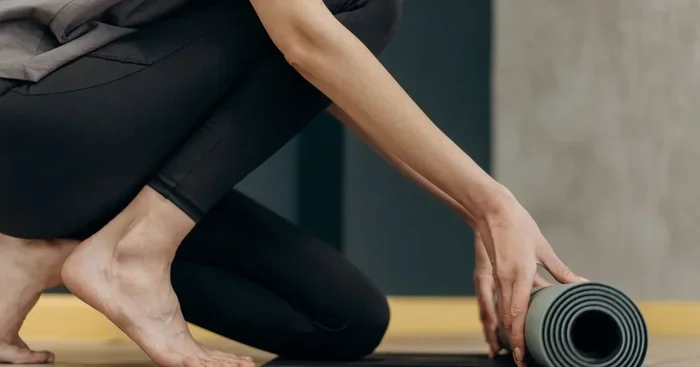
Yes, you can use a yoga mat on carpet, but it comes with trade-offs in grip, stability, and hygiene. A yoga mat on carpet can offer extra cushioning, yet it may slide or trap dirt and fibers. This guide covers everything you need to know about using a yoga mat on carpet, including the best mat types, cleaning tips, and when to choose an alternative surface instead.
Ever walked into a room with carpet and wondered if it is a good spot for your yoga practice? You unroll your mat, take a deep breath, and then… your hand starts sliding. Or maybe you feel like you are standing on a fluffy cloud instead of a solid base.
The question can you use a yoga mat on carpet comes up more often than you might think. Whether you are at home, in a studio, or traveling, carpet is one of the most common surfaces people encounter. But does it actually work well for yoga?
The short answer is yes. You can use a yoga mat on carpet. But the longer answer is more nuanced. Carpet changes how your mat performs. It affects grip, cushioning, stability, and even cleanliness. In this guide, we will walk through everything you need to know about practicing yoga on carpet with a mat. You will learn what works, what does not, and how to get the best experience no matter what surface you are on.
Key Takeaways
- Yoga mats work on carpet: You can use a yoga mat on carpet, but the carpet fibers affect grip and stability in different ways depending on mat type.
- Mat thickness matters: Thicker mats provide more cushioning on carpet, but they may reduce your balance and grounding.
- Hygiene is a concern: Carpet fibers can stick to your mat, and dirt from the carpet can transfer to your mat during practice.
- Some mats work better than others: Closed-cell mats and rubber mats tend to grip carpet better than open-cell foam mats.
- Alternatives exist: If carpet doesn’t work for your practice, there are other surfaces and yoga mat alternatives to consider.
- Cleaning is essential: Regular cleaning keeps your mat hygienic when used on carpet, and you should place your mat properly to avoid debris buildup.
- Towels can help: A yoga towel over your mat can improve traction on carpet and reduce fiber buildup.
📑 Table of Contents
- What Happens When You Put a Yoga Mat on Carpet?
- Best Types of Yoga Mats for Carpet
- How to Improve Your Yoga Mat Grip on Carpet
- Hygiene and Cleaning Tips for Yoga Mats on Carpet
- When to Avoid Using a Yoga Mat on Carpet
- Alternatives to Using a Yoga Mat on Carpet
- Final Thoughts on Using a Yoga Mat on Carpet
What Happens When You Put a Yoga Mat on Carpet?
Carpet is not a flat, hard surface like wood or tile. It has fibers that rise up and create texture. When you place a yoga mat on top of carpet, several things happen at once. Understanding these effects helps you make smart choices about your practice.
The Grip Factor
Your yoga mat relies on its bottom surface to stay in place. On a hard floor, the mat grips the surface directly. On carpet, the mat sits on top of carpet fibers instead. This changes the friction dynamics completely.
Some mats grip carpet really well. Others slide around like crazy. It all depends on the material. Rubber mats tend to hold onto carpet fibers tightly. Foam mats, especially thin ones, may slide more easily because they compress into the carpet and lose contact with the base.
If you have ever tried a sun salutation on carpet and felt your feet shift mid-pose, you know how frustrating this can be. The yoga mat sliding on carpet is one of the biggest complaints people have.
The Cushioning Effect
One big plus of using a yoga mat on carpet is the extra cushioning. Carpet already provides some give. Add a yoga mat on top, and you get a softer surface for your knees, wrists, and spine.
This can feel great for restorative yoga or gentle stretching. But for balance poses, too much cushioning becomes a problem. You lose the solid grounding you need to hold poses like tree pose or warrior III confidently.
The Fiber Problem
Here is something many people do not think about. Carpet sheds fibers. Those tiny fibers stick to your mat, especially to mats with textured surfaces. Over time, your mat collects carpet lint, dust, and dirt particles.
This is more than just a nuisance. It affects hygiene. Those trapped fibers create a breeding ground for bacteria if you do not clean your mat regularly. So practicing yoga on carpet means you need to be more diligent about yoga mat cleaning than you would on a hard floor.
Best Types of Yoga Mats for Carpet
Not all yoga mats perform the same on carpet. The right mat makes a huge difference in your practice. Here are the best options and why they work well on carpeted surfaces.
Rubber Mats
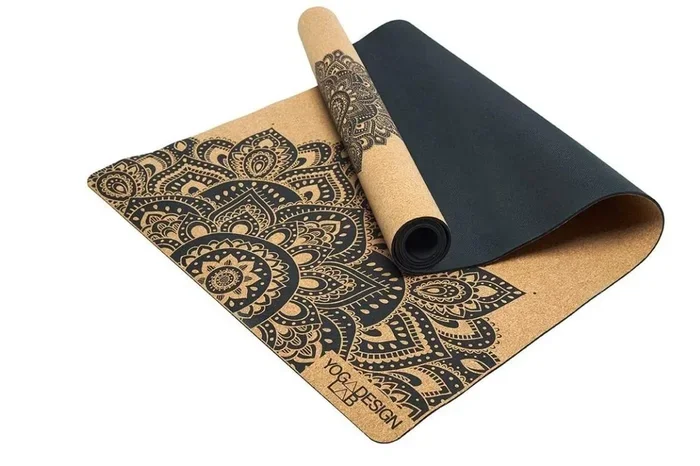
Rubber yoga mats are often the best choice for carpet. They have a dense, solid structure that pushes into carpet fibers rather than sliding on top of them. The natural grip of rubber creates strong friction against the carpet base.
Rubber mats also provide decent cushioning. They are durable and long-lasting, which makes them a solid investment if you practice on carpet often. The downside is that some rubber mats can be heavy and may have a strong smell when new.
Closed-Cell Foam Mats
Closed-cell foam mats have a smooth, sealed surface that does not absorb carpet fibers easily. They are lighter than rubber mats and still offer good grip on carpet. The closed-cell structure means dirt and moisture stay on the surface rather than soaking in.
These mats work well for people who want a balance of cushioning and stability. They are also easier to clean than open-cell foam mats. If you are wondering about yoga mat surface types, closed-cell foam is one of the top choices for carpet use.
Thick Mats vs. Thin Mats
When it comes to carpet, thickness matters a lot. Here is a quick comparison to help you decide:
- Thick mats (6mm and above): Great cushioning but may reduce balance. Good for gentle yoga and floor work.
- Standard mats (4-5mm): The sweet spot for most people. Enough cushion for comfort without sacrificing stability.
- Thin mats (2-3mm): Maximum grounding and balance. Less cushioning but better for standing poses and transitions.
If your carpet is very plush or high-pile, a thinner mat will perform better. Thick mats tend to sink too far into deep carpet, which throws off your alignment and balance.
How to Improve Your Yoga Mat Grip on Carpet
If your mat slides on carpet, you are not alone. This is a common problem with simple solutions. Here are practical tips to improve your yoga mat grip on carpet and keep your practice stable.
Use a Yoga Towel on Top
A yoga towel placed over your mat adds a layer of texture that grips carpet fibers better. Microfiber towels are especially effective. They absorb sweat and create friction against both your hands and the carpet surface.
This is a great trick if you have a smooth mat that slides on carpet. The towel essentially creates a new, grippier surface on top of your existing mat. Some people also use a regular towel folded over the mat for the same effect.
Choose the Right Carpet
Not all carpets are the same. Low-pile carpet works much better for yoga than high-pile or shag carpet. Short fibers create a flatter, more stable base for your mat.
If you have thick, plush carpet at home, consider moving your practice to a lower-pile area. A carpeted surface yoga session on low-pile carpet feels very different from one on a deep shag rug. The lower the pile, the more stable your mat will be.
Add a Base Layer
Some yogis place a thin blanket or a non-slip pad under their yoga mat on carpet. This adds an extra layer of stability and prevents the mat from shifting. A folded blanket also adds cushioning, which can be helpful on hard carpet underneath.
You can also find non-slip yoga mat carriers and base layers designed specifically to keep mats in place on uneven surfaces. These are worth trying if you practice on carpet regularly.
Hygiene and Cleaning Tips for Yoga Mats on Carpet
Using a yoga mat on carpet raises some hygiene concerns you should not ignore. Carpet holds dust, allergens, and bacteria that can transfer to your mat during practice. Keeping your mat clean is even more important when you use it on carpet.
Why Carpet Affects Mat Hygiene
Carpet acts like a filter for your home. It collects dust mites, pet dander, pollen, and dirt from shoes. When you place your mat on carpet, these particles transfer to the bottom of your mat. Over time, they build up and create an unhygienic surface for your skin to press against.
This is especially important if you do hot yoga or sweat heavily during your sessions. Moisture combined with trapped carpet fibers creates the perfect environment for bacteria to grow.
How to Clean Your Mat After Carpet Use
Cleaning your mat after using it on carpet should become a habit. Here are some simple steps:
- Shake out your mat after each session to remove loose carpet fibers and dust.
- Wipe it down with a damp cloth or a yoga mat spray. Use a gentle cleaner that is safe for your mat material.
- Avoid harsh chemicals like bleach or strong solvents. These can damage the mat material and leave residues that irritate your skin.
- Let it air dry completely before rolling it up. Moisture trapped in a rolled mat leads to mold and mildew.
- Deep clean weekly if you practice on carpet every day. A thorough wash removes built-up fibers and bacteria.
For a natural cleaning option, mix water with a small amount of mild dish soap or white vinegar. Spray it lightly on the mat, wipe gently, and hang it to dry. This keeps your mat fresh without exposing you to harsh chemicals.
When to Avoid Using a Yoga Mat on Carpet
While using a yoga mat on carpet works in many situations, there are times when it is not the best idea. Knowing when to avoid carpet helps you protect your practice and your joints.
During Balance-Heavy Practices
If your yoga routine focuses heavily on balance poses, carpet may not be the best surface. The extra cushioning and potential for sliding can throw off your alignment. Poses like half moon, eagle, and dancer require a stable, grounded base that carpet and thick mats sometimes cannot provide.
In these cases, a hard floor with a thinner mat works much better. The firm surface gives you the feedback you need to engage your stabilizing muscles properly.
For Hot Yoga or Heavy Sweating
Hot yoga on carpet with a yoga mat is a hygiene risk. The heat and sweat create moisture that soaks into both the mat and the carpet beneath. This combination promotes bacterial growth and can lead to skin irritation or infections.
If you love hot yoga, consider practicing on a hard floor instead. If carpet is your only option, make sure to clean both your mat and the carpet area thoroughly before and after each session.
On Dirty or Unmaintained Carpet
If your carpet has not been cleaned in a while or has visible dirt and stains, do not roll out your mat there. Dirty carpet transfers grime directly to your mat and then to your body. Always practice on clean carpet to avoid skin issues and allergies.
Alternatives to Using a Yoga Mat on Carpet
If carpet is not working for your yoga practice, you have options. There are several yoga mat alternatives and surfaces that can give you a better experience. Sometimes the problem is not the mat, but the carpet itself.
Try a Yoga Towel Instead
A yoga towel can work as a lightweight alternative to a full mat on carpet. It lies flat, grips the carpet fibers, and provides a clean surface for your hands and feet. Yoga towels are especially popular for hot yoga and travel.
If you are exploring options, you might also consider using a regular bath towel folded to the right thickness. It is not as durable as a dedicated yoga towel, but it works in a pinch.
Use a Hard Floor When Possible
Hard floors like wood, tile, or laminate give you the most stable and hygienic surface for yoga. If you have access to a hard floor in your home, try moving your practice there. The difference in stability and grip can be dramatic.
Some people place a thin mat on a hard floor and still get great results. The key is finding the surface that gives you the right amount of cushioning without sacrificing balance.
Invest in a Portable Yoga Mat
If you practice in different rooms or locations, a portable yoga mat can be a game-changer. These mats are lightweight, easy to carry, and work on multiple surfaces including carpet. Some portable mats come with built-in alignment lines, which help you maintain proper yoga pose alignment no matter where you practice.
Final Thoughts on Using a Yoga Mat on Carpet
Using a yoga mat on carpet is totally doable, and many people do it every day without issues. The key is choosing the right mat, preparing your surface, and staying on top of hygiene. A rubber or closed-cell foam mat works best on carpet, and adding a yoga towel can solve most grip problems.
Remember that carpet changes how your mat performs. It adds cushioning but can reduce stability. It feels soft but may trap dirt and fibers. The more you understand these trade-offs, the better you can adapt your practice to any room in your home.
If carpet is your only option, embrace it. With the right mat and a few simple adjustments, you can enjoy a full, effective yoga practice on carpet. And if carpet is not working for you, explore the many yoga mat alternatives available. The most important thing is that you show up on your mat and move your body. The surface underneath is just one piece of the puzzle.
So go ahead, unroll your mat on that carpet, and enjoy your practice. With the tips and insights from this guide, you are fully prepared to make the most of every session, no matter what surface you are on.
Frequently Asked Questions
Is it safe to do yoga on carpet with a mat?
Yes, it is generally safe to do yoga on carpet with a mat. However, make sure your mat has good grip so it does not slide during poses. Choose low-pile carpet for better stability, and always check that your mat and carpet are clean before practicing.
What type of yoga mat works best on carpet?
Rubber mats and closed-cell foam mats work best on carpet. They have natural grip and do not compress as much as open-cell foam. A standard thickness mat (4-5mm) offers the best balance of cushioning and stability on most carpet surfaces.
Can carpet damage my yoga mat?
Carpet does not typically damage yoga mats. However, carpet fibers can stick to the mat and accumulate over time. This buildup can affect the mat’s texture and hygiene. Regular cleaning prevents any long-term damage from carpet use.
How often should I clean my yoga mat after using it on carpet?
You should shake out your mat after every session and wipe it down with a gentle cleaner. A deeper cleaning once a week is recommended if you practice on carpet daily. Keeping your mat clean prevents bacteria buildup from trapped carpet fibers and dirt.
Can I use a yoga towel on carpet instead of a mat?
Yes, a yoga towel works well on carpet as a lightweight alternative. It grips carpet fibers, provides a clean surface, and is easy to carry. However, a towel offers less cushioning than a full yoga mat, so it may not be ideal for longer sessions or poses that put pressure on your knees and wrists.
Why does my yoga mat slide on carpet?
Your mat may slide on carpet because the bottom surface lacks enough friction against the carpet fibers. Smooth or thin mats are more prone to sliding. Using a rubber mat, adding a yoga towel on top, or placing a non-slip base underneath can fix this problem effectively.