Can You Run on a Treadmill Without Shoes
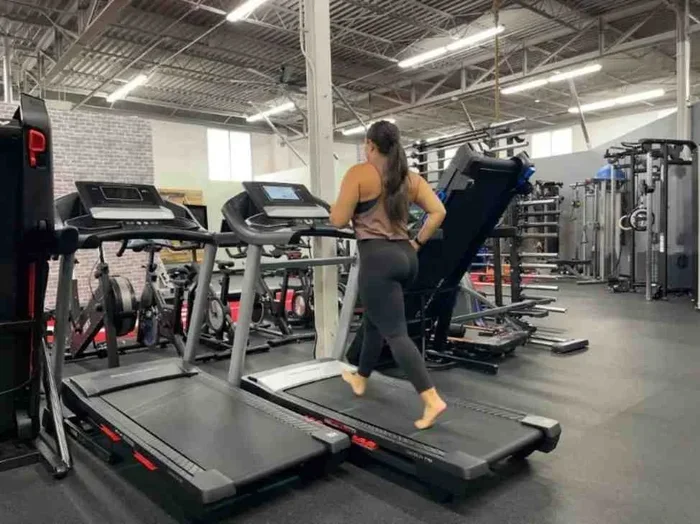
So, can you run on a treadmill without shoes? The short answer is yes, but it comes with important caveats. Barefoot treadmill running can strengthen foot muscles and improve your running technique, yet it also raises the risk of foot injury and treadmill belt damage. This guide covers everything you need to know about running on a treadmill barefoot, including safety tips, benefits, and when to skip the shoes.
Have you ever looked down at your feet mid-treadmill workout and thought, “Do I really need these shoes?” It is a question more runners are asking lately. The idea of barefoot treadmill running has gained traction in the fitness world. Some people love it. Others warn against it. So, what is the truth?
Can you run on a treadmill without shoes? Absolutely. But should you? That depends on your goals, your foot health, and your experience level. In this article, we will break down everything you need to know. We will cover the benefits, the risks, and practical tips to keep you safe. Whether you are curious about exercise without shoes or just exploring new fitness routines, this guide has you covered.
Key Takeaways
- Yes, you can run barefoot on a treadmill: It is technically possible, but not always recommended.
- Barefoot running changes your form: It encourages a midfoot or forefoot strike, which can reduce joint impact.
- There are real risks: Blisters, calluses, and lack of foot protection are common concerns.
- Treadmill belts can wear out faster: Bare feet may affect belt longevity and hygiene.
- Start slow and listen to your body: Gradual adaptation is key if you want to try barefoot treadmill running.
- Shoes are still the safer choice for most people: Especially for beginners or those with existing foot conditions.
📑 Table of Contents
- What Happens When You Run Barefoot on a Treadmill
- The Benefits of Running on a Treadmill Without Shoes
- The Risks of Running on a Treadmill Barefoot
- Who Should Try Barefoot Treadmill Running
- How to Safely Try Barefoot Treadmill Running
- Expert Opinions on Barefoot Treadmill Running
- Common Mistakes People Make When Running Barefoot on a Treadmill
- Final Thoughts
What Happens When You Run Barefoot on a Treadmill
Running without shoes on a treadmill changes how your body moves. Your feet are designed to absorb shock and adapt to surfaces. When you remove shoes, your feet get more sensory feedback from the treadmill surface. This can actually improve your running form over time.
When you run barefoot, you naturally land on the middle or front of your foot. This is called a midfoot strike. Traditional running shoes often encourage a heel-first landing. That heel strike sends a jarring force up through your ankles, knees, and hips. Barefoot running reduces this ground reaction force, which may lower your risk of certain injuries.
The Science Behind Barefoot Running
Your feet contain over 200,000 nerve endings. These sensors help you balance and adjust your stride. When you run barefoot, these nerves become more active. They send real-time signals to your brain about pressure, texture, and temperature. This heightened awareness can lead to a lighter, more efficient running technique.
Studies on barefoot running show mixed results. Some research suggests it strengthens the small muscles in your feet. Other studies point to a lower rate of certain knee injuries. However, barefoot running also shifts stress to the Achilles tendon and calf muscles. This means your body adapts in new ways, and not all of those adaptations are pain-free.
How Your Stride Changes
When you ditch the shoes, your stride naturally shortens. You take quicker, lighter steps. This is because your feet can feel the moving belt beneath them. You instinctively avoid heavy impacts that would hurt without foot protection.
Many runners report feeling more connected to their workout when running barefoot. You can feel the belt moving, the slight flex of the deck, and the warmth of friction. This sensory experience can make treadmill workouts feel more engaging and natural.
The Benefits of Running on a Treadmill Without Shoes
There are several real advantages to trying barefoot treadmill running. Let us look at the top benefits that keep people coming back to the treadmill without laces.
Stronger Foot Muscles
Your feet have 33 joints and over 100 muscles, tendons, and ligaments. Most of these get ignored inside supportive shoes. Running barefoot forces all of those structures to work. Over time, your foot muscles get stronger. This can improve your foot arch support naturally.
Stronger feet mean better stability. They can also help prevent common issues like plantar fasciitis. When your foot muscles do the work, your shoes are not doing all the heavy lifting.
Improved Balance and Proprioception
Proprioception is your body’s ability to sense its position in space. Running barefoot on a treadmill challenges and improves this sense. Your feet constantly adjust to the moving belt, which trains your balance systems.
Better proprioception translates to fewer ankle rolls and stumbles in daily life. It is one of the most underrated benefits of exercise without shoes.
More Natural Running Form
Barefoot running encourages a cleaner, more natural stride. Without thick soles, you cannot heel-strike hard. Your body naturally gravitates toward a gentler landing. This can reduce stress on your knees and hips over long treadmill workouts.
Many coaches now recommend barefoot drills on a treadmill to help runners fix form issues. It is a simple way to feel what proper running form should feel like.
The Risks of Running on a Treadmill Barefoot
Now for the not-so-great news. There are real risks involved in running without shoes on a treadmill. Understanding these risks is essential before you try it.
Foot Injuries and Irritation
The treadmill belt is not a soft trail. It is a synthetic surface that moves continuously. Without shoes, your feet are directly exposed to this surface. Over time, this can cause blisters, calluses, and raw spots on your soles.
You also risk friction burns, especially in the first few sessions. Your skin is not used to the repetitive motion against the belt. Even a short barefoot run can leave your feet sore if you are not careful.
Hygiene Concerns
Let us talk about something nobody wants to think about. Bare feet on a treadmill can leave sweat, skin cells, and bacteria behind. Treadmill belts are shared surfaces in many gyms. Running barefoot raises hygiene concerns that are hard to ignore.
Even at home, sweat from bare feet can break down the treadmill belt material over time. It can also create a slippery surface that affects your treadmill safety.
Lack of Cushioning and Support
Running shoes do more than protect your feet. They provide cushioning that absorbs impact. They offer arch support that keeps your feet aligned. Without shoes, all of that shock goes straight into your joints.
If you have flat feet, high arches, or any existing foot condition, barefoot treadmill running can make things worse. You may experience pain in your heels, arches, or ankles after just a few minutes.
Treadmill Belt Wear
Here is a risk many people overlook. Bare feet can actually affect the treadmill belt itself. The oils and sweat from your skin can degrade the belt material faster. This means more frequent maintenance and potentially higher costs for treadmill maintenance.
Some treadmill manufacturers explicitly advise against barefoot running for this reason. Always check your treadmill manual before trying it.
Who Should Try Barefoot Treadmill Running
Not everyone should jump right into barefoot treadmill running. Certain people benefit more than others. Let us break down who might want to try it and who should stick with shoes.
Experienced Runners
If you already run regularly and have strong, healthy feet, barefoot treadmill running might work for you. Experienced runners understand their running form and can adjust their stride to avoid injury. You should already have good foot arch support built up through training.
Start with very short sessions. Five minutes at a slow pace is a good beginning. Gradually increase the duration as your feet adapt. Never push through pain.
People Focused on Natural Movement
If you follow a natural movement or minimalist fitness philosophy, barefoot treadmill running fits your goals. This approach emphasizes letting the body move as it was designed to. It aligns with the principles of natural running and barefoot training.
Who Should Avoid It
Beginners should avoid barefoot treadmill running. Your feet need time to adjust to the demands of running. Without shoes, the learning curve is steeper and the injury risk is higher. Also, anyone with diabetes, poor circulation, or existing foot injuries should avoid it entirely. The risk of unnoticed cuts or blisters is too great.
How to Safely Try Barefoot Treadmill Running
If you are still curious and want to give it a try, here is how to do it safely. Proper preparation makes all the difference.
Start with Short Sessions
Do not attempt a full barefoot run right away. Begin with just two to three minutes at a very slow treadmill speed. Walk first, then try a light jog. Pay attention to how your feet feel after each session.
Increase the duration by one minute per week. This gradual approach lets your skin and muscles adapt without overwhelming them.
Keep the Treadmill Clean
Wipe down the belt before and after your barefoot session. This protects your hygiene and the treadmill itself. Use a gentle cleaner safe for treadmill belts. Dry the surface thoroughly before you start.
Focus on Form
Keep your strides short and light. Land on the middle of your foot, not your heel. Lean slightly forward from your ankles, not your waist. Good running technique is even more important when you are barefoot.
Listen to Your Body
If you feel any pain, stop immediately. Discomfort is different from pain. Mild soreness is normal at first. Sharp or persistent pain is a warning sign. Respect what your body is telling you.
Consider a Transitional Shoe
If you want some of the benefits of barefoot running but not the full exposure, try a minimalist shoe. These shoes have thin soles and no arch support. They let your feet feel the belt while still offering basic foot protection. Check out Can You Use Trail Running Shoes On A Treadmill for more guidance on shoe options.
Expert Opinions on Barefoot Treadmill Running
Fitness experts are divided on barefoot treadmill running. Some strongly advocate for it. Others firmly advise against it. Here is what the professionals have to say.
Dr. Emily Splichal, a podiatrist and barefoot training expert, supports barefoot exercise on safe surfaces. She says the sensory benefits of barefoot movement are well-documented. However, she always reminds clients that the treadmill belt is not a natural surface. It moves and generates heat, which adds unique risks.
Many certified running coaches recommend a hybrid approach. They suggest doing short barefoot warm-ups on the treadmill to improve form. Then, switch to proper running shoes for the main workout. This gives you the benefits of barefoot running without the full risk.
If you want deeper insight into treadmill running safety and best practices, read Should You Run On A Treadmill Without Shoes for a thorough breakdown of the topic.
Common Mistakes People Make When Running Barefoot on a Treadmill
Even with good intentions, many people make avoidable mistakes. Here are the most common ones and how to prevent them.
- Skipping the warm-up: Cold feet are stiff feet. Always warm up with a brisk walk before jogging barefoot.
- Going too fast too soon: High speeds increase friction and impact. Stick to a comfortable pace for your first few sessions.
- Ignoring foot pain: Soreness is normal. Pain is not. If something hurts, stop and rest.
- Neglecting treadmill cleanliness: A dirty belt increases the risk of skin irritation and infection. Always clean before use.
- Running too long: Your feet need time to build tolerance. Keep early sessions short and sweet.
Final Thoughts
So, can you run on a treadmill without shoes? Yes, you can. But it is not a decision to make lightly. Barefoot treadmill running offers real benefits like stronger feet, better balance, and improved form. It also carries risks like blisters, joint stress, and hygiene concerns.
The best approach is to start slow, stay mindful, and listen to your body. If you are new to running or have foot issues, stick with proper shoes. If you are an experienced runner looking to refine your running technique, barefoot treadmill sessions can be a valuable addition.
Remember that every runner is different. What works for one person may not work for another. The key is making informed choices that keep you safe and help you reach your fitness goals. Whether you run with shoes or without, the most important thing is that you keep moving.
For more tips on optimizing your treadmill workouts, check out What Speed Should You Run On A Treadmill to find the right pace for your fitness level.
Frequently Asked Questions
Is it safe to run barefoot on a treadmill?
It can be safe if you take the right precautions. Start with short sessions at low speeds. Keep the treadmill belt clean. Listen to your body and stop if you feel pain. People with existing foot conditions should consult a doctor first.
What are the main benefits of barefoot treadmill running?
The main benefits include stronger foot muscles, improved balance, and a more natural running form. Barefoot running also increases sensory feedback from your feet, which can enhance your overall running technique and body awareness during cardio exercise.
Can barefoot running damage a treadmill belt?
Yes, it can. Sweat and oils from bare feet can degrade the belt material over time. This may lead to more frequent maintenance needs. Always wipe the belt clean after barefoot sessions to minimize this risk.
How long should I run barefoot on a treadmill when starting out?
Start with just two to three minutes per session. Gradually increase by one minute each week. This slow progression allows your feet to build tolerance and reduces the risk of blisters and soreness.
Do I need special shoes if I want to try barefoot-style running?
You do not need special shoes to start, but minimalist shoes can be a great middle ground. They offer thin soles that let you feel the belt while still providing basic foot protection. Look for shoes designed for natural running or barefoot training.
Can barefoot treadmill running help me lose weight?
Running on a treadmill, whether barefoot or with shoes, can contribute to weight loss by burning calories. The key factor is consistency and intensity. To learn more about calorie burn, check out How Many Calories Can You Burn On A Treadmill for detailed insights.