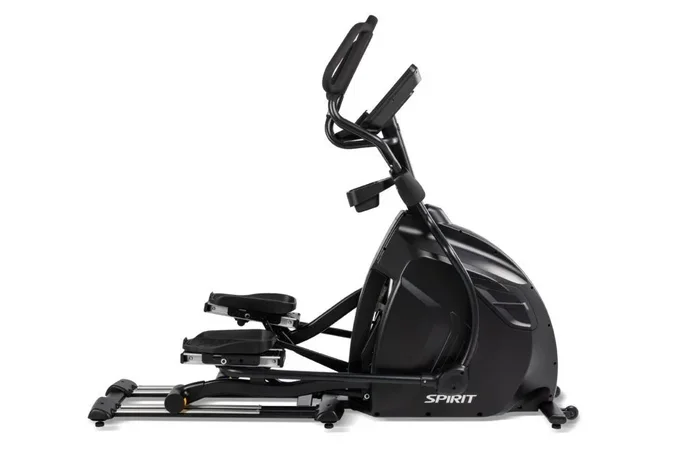
Can You Put a Treadmill on Hardwood Floor

Yes, you can put a treadmill on hardwood floors, but you need the right protection. Without a proper mat or underlayment, your treadmill can scratch, dent, or damage your beautiful hardwood. Using a quality treadmill mat and following a few simple placement tips will keep both your floors and your machine in great shape for years to come.
You just got a shiny new treadmill, and you are ready to start working out. But then you look down at your beautiful hardwood floors and wonder — can you put a treadmill on hardwood floor without ruining it? This is a question many home gym owners ask before they unbox their equipment.
The short answer is yes. You absolutely can put a treadmill on hardwood floors. But the real question is how to do it safely. Without the right precautions, your treadmill can leave marks, scratches, or even permanent damage on your flooring. The good news is that with a few simple steps, you can protect your floors and enjoy your workouts worry-free.
Treadmill placement is one of the most overlooked parts of setting up a home gym. People focus on the machine itself but forget about what sits underneath it. Your treadmill weighs a lot — often between 200 and 400 pounds — and it puts pressure on a small area of your floor. Over time, this can cause real problems if you are not careful.
In this guide, we will walk you through everything you need to know about placing a treadmill on hardwood. We will cover the risks, the best protective options, how to choose the right mat, and expert tips to keep your floors looking great. Whether you are a casual walker or a serious runner, this article has you covered.
Key Takeaways
- Hardwood floors are safe for treadmills as long as you use a protective mat or underlayment to prevent scratches and dents.
- Rubber treadmill mats are the best option because they absorb shock, reduce vibration, and protect the floor surface.
- Treadmill weight can exceed 300 pounds, so make sure your hardwood floor can handle the load and is properly installed.
- Placement matters a lot — avoid direct sunlight, moisture areas, and uneven surfaces when setting up your treadmill.
- Regular maintenance of both your treadmill belt and floor surface will extend the life of your equipment and your floors.
📑 Table of Contents
Why Hardwood Floors Need Special Protection
Hardwood floors are beautiful, but they are also sensitive. Unlike carpet or concrete, wood can easily show signs of wear from heavy equipment. Understanding why hardwood needs extra care will help you make smarter decisions about your treadmill setup.
The Weight Factor
A treadmill is not a light piece of equipment. Even a folding treadmill can weigh over 150 pounds. When you combine that with the force of running or walking, the pressure on your floor increases significantly. The concentrated weight can cause the wood to dent or warp over time, especially if the floor is older or not properly sealed.
Hardwood floors are also sensitive to moisture. Sweat from your workouts can drip down and seep into the gaps between boards. This can lead to swelling, warping, or discoloration if you are not careful. Keeping your floors dry is essential when you have a treadmill on hardwood.
Vibration and Movement
Every time your foot hits the treadmill belt, it creates vibration. These vibrations travel through the machine and into your floor. Over weeks and months, this constant movement can cause the finish on your hardwood to wear down. It can also loosen floorboards if the vibration is strong enough.
This is where vibration absorption becomes critical. A good mat acts as a buffer between the treadmill and the floor. It absorbs the shock and reduces the impact on your hardwood. Without this buffer, you are essentially grinding your machine against your floor with every step.
Can You Put A Treadmill On Hardwood Floor Without a Mat?
Technically, yes. You can place a treadmill directly on hardwood without a mat. But should you? That is a different story. Skipping the mat is one of the most common mistakes people make when setting up a home gym. Here is why you should think twice before going bare.
Risks of Skipping a Mat
Placing your treadmill directly on hardwood comes with several risks:
- Scratches and scuffs — The feet of the treadmill can scratch the wood surface, especially during intense workouts when the machine shifts slightly.
- Dents and dings — Heavy weights and repeated impact can leave permanent dents in softer woods like pine or oak.
- Finish damage — The vibration from running wears away the protective finish on your hardwood, making it look dull and worn over time.
- Moisture damage — Sweat and condensation can seep into the wood, causing stains or even mold growth in humid environments.
- Floorboard movement — Constant vibration can loosen nails or screws in your floor, leading to creaky or uneven boards.
These risks are real, but they are completely avoidable. A simple treadmill mat solves nearly all of these problems. Think of it as insurance for your floors — a small investment that saves you from expensive repairs down the road.
When It Might Be Okay Without a Mat
There are a few rare cases where you might get away without a mat. If you have very hard, dense wood like Brazilian walnut or engineered hardwood with a thick finish, the risk is lower. Also, if you only walk lightly on the treadmill and never run, the vibration is much less intense. But even in these cases, a mat is still a smart choice.
Best Mats and Protectors for Hardwood Floors
Not all mats are created equal. When it comes to protecting your hardwood, you need the right type of material and the right thickness. Let us break down the best options available.
Rubber Treadmill Mats
Rubber mats are the gold standard for treadmill floor protection. They are thick, durable, and excellent at absorbing vibration. A quality rubber mat will prevent scratches, reduce noise, and keep your treadmill stable during workouts.
Look for mats that are at least 1/4 inch thick. Thicker is better if you have a heavier treadmill. The mat should also be slightly larger than the base of your treadmill on all sides. This catches any sweat or debris and prevents it from reaching your hardwood.
EVA Foam Mats
EVA foam mats are another popular choice. They are lightweight, easy to clean, and provide good cushioning. These mats work well for lighter treadmills and walking workouts. However, they may not hold up as well under heavy running or high-impact use.
One thing to watch out for with foam mats is that they can compress over time. You may need to replace them more often than rubber mats. But for a budget-friendly option, EVA foam is a solid choice.
Carpet Protectors and Floor Tiles
Interlocking rubber floor tiles are a versatile option. They are easy to install and can be customized to fit any space. These tiles also work well if you plan to expand your home gym area in the future. You can find them in various thicknesses and colors to suit your style.
If you already have carpet in your workout area, a carpet protector pad works well. It keeps the treadmill from snagging on carpet fibers and prevents the machine from sinking into the pile.
How to Choose the Right Treadmill Mat for Hardwood
Choosing the right mat is not just about picking the first one you see. There are a few key factors to consider that will help you make the best decision for your floors and your machine.
Size Matters
Measure the base of your treadmill carefully. The mat should extend at least 2 to 3 inches beyond the treadmill on every side. This extra margin catches sweat and prevents it from pooling under the machine. A mat that is too small will not fully protect your floor.
Thickness and Density
Thicker mats provide better shock absorption. For hardwood floors, aim for a mat that is at least 1/4 inch thick. If your treadmill is on the heavier side, go with 1/2 inch or thicker. The density of the mat also matters — denser rubber provides better stability and lasts longer.
Material Quality
Not all rubber is the same. Look for mats made from high-quality, non-marking rubber. Cheap rubber mats can leave dark marks on your hardwood, which defeats the whole purpose. Check reviews and product descriptions to make sure the mat is safe for hardwood floors.
Easy to Clean
Your treadmill mat will get sweaty. It needs to be easy to wipe down and clean. Mats with a smooth surface are easier to maintain. Some mats are even machine washable, which is a nice bonus if you work out frequently.
Best Placement Tips for Your Treadmill on Hardwood
Choosing the right spot in your home is just as important as choosing the right mat. Where you place your treadmill affects both your workout experience and the health of your floors.
Avoid Direct Sunlight
Sunlight can fade and damage hardwood floors over time. It can also affect the treadmill belt and motor. Place your treadmill away from windows where direct sunlight hits the floor for long periods. This protects both your floors and your machine.
Keep Away from Moisture
Hardwood and moisture do not mix well. Do not place your treadmill near bathrooms, kitchens, or areas prone to humidity. Sweat from your workouts will drip, and if it sits on the floor, it can cause water damage. A dry, well-ventilated room is the best choice.
Check the Floor Level
An uneven floor can cause your treadmill to wobble, which creates extra vibration and stress on both the machine and the floor. Use a level to check the surface before you set up. If the floor is uneven, consider using adjustable leveling feet on your treadmill or placing a shim under the mat.
Consider the Room Size
Make sure you have enough space around the treadmill for safe use. You need at least 2 feet of clearance on each side. This gives you room to get on and off safely and allows air to circulate around the machine. Good airflow also helps prevent moisture buildup around the treadmill.
Think About Noise
If you have downstairs neighbors or live in an apartment, noise is a real concern. A thick rubber mat not only protects your floor but also reduces the noise transmitted to the floor below. This is a practical benefit that many people overlook when choosing a mat.
Common Mistakes to Avoid
Even with the best intentions, people make mistakes when setting up a treadmill on hardwood. Here are the most common ones and how to avoid them.
- Using the wrong mat size — A mat that is too small leaves parts of your floor exposed and vulnerable to damage.
- Skipping the mat entirely — Some people think they do not need one. Trust us, your floors will thank you later.
- Ignoring moisture — Wipe up sweat promptly and keep the area dry to prevent long-term damage to your hardwood.
- Placing the treadmill on an uneven surface — This causes wobbling, extra vibration, and potential damage to both the floor and the machine.
- Using a mat that leaves marks — Always test a new mat in a hidden spot first to make sure it does not discolor your hardwood.
One more thing to keep in mind: if you are ever unsure about your floor’s ability to handle a treadmill, you can always consult a flooring expert. They can assess the condition of your hardwood and recommend the best approach for your specific situation.
Final Thoughts
So, can you put a treadmill on hardwood floor? Absolutely. With the right mat, the right placement, and a little regular maintenance, your hardwood floors will stay beautiful while you enjoy your workouts. The key is preparation — taking the time to set things up correctly from the start.
Investing in a quality treadmill mat is one of the best decisions you can make for your home gym. It protects your floors, reduces noise, keeps your treadmill stable, and extends the life of both your equipment and your flooring. It is a small price to pay for peace of mind.
Now that you know what to do, go ahead and set up your treadmill with confidence. Your hardwood floors will stay in great shape, and you can focus on what really matters — reaching your fitness goals.
Frequently Asked Questions
Will a treadmill damage my hardwood floor?
Not if you take the right precautions. Using a quality rubber treadmill mat prevents scratches, dents, and moisture damage. The mat absorbs vibration and protects the floor surface from the constant impact of your workouts.
What is the best mat for a treadmill on hardwood floors?
A thick rubber mat, at least 1/4 inch, is the best choice for hardwood floors. It provides excellent shock absorption, is durable, and does not leave marks. Look for non-marking rubber mats specifically designed for gym equipment.
Can I put my treadmill on carpet instead of hardwood?
Yes, you can, but carpet has its own challenges. The treadmill may sink into the pile, and carpet fibers can get caught under the machine. A carpet protector pad helps, but a hard, flat surface like hardwood is generally better for treadmill stability.
How do I clean my treadmill mat on hardwood floors?
Wipe the mat down with a damp cloth and mild soap after each workout. For deeper cleaning, you can spray it with a mixture of water and vinegar. Make sure the mat is completely dry before placing the treadmill back on it.
Do I need to check my floor weight capacity before placing a treadmill?
Yes, this is a smart step. Most modern hardwood floors can handle the weight of a treadmill, but older or damaged floors may not. If you are unsure, consult a flooring professional to assess your floor’s condition and load-bearing capacity.
Can I move my treadmill around on hardwood without damaging it?
Moving your treadmill frequently can increase the risk of scratches. Always lift the treadmill rather than dragging it. If you must slide it, place a furniture pad or moving blanket under the feet to protect the hardwood surface.