Can You Lose Belly Fat Walking on Incline Treadmill
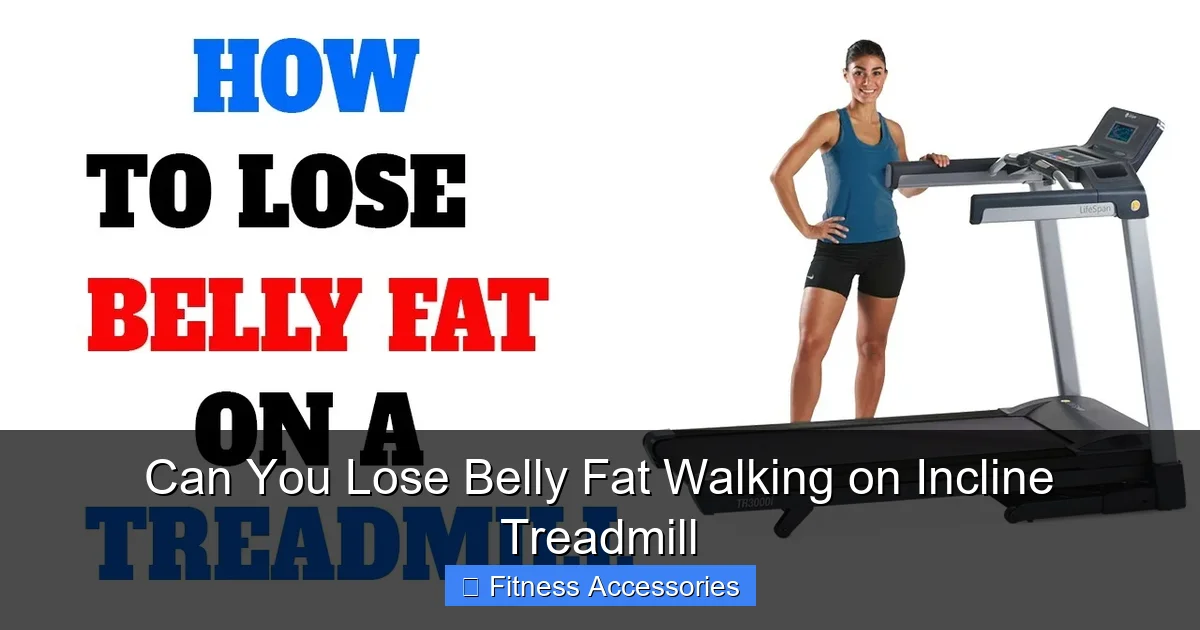
Yes, you can lose belly fat by walking on an incline treadmill. This low-impact exercise significantly boosts calorie burn and intensely engages your core muscles to stabilize your body against gravity. Unlike flat walking, the incline forces your abdominal and oblique muscles to work harder with every step, promoting overall fat loss while building a stronger, more toned midsection. It’s a sustainable, joint-friendly way to create the calorie deficit necessary to shrink belly fat.
Key Takeaways
- Incline walking torches more calories: By increasing the gradient, you dramatically increase the energy expenditure of your walk, creating a larger calorie deficit essential for losing fat from your belly and entire body.
- It directly engages and strengthens your core: Your abs and obliques must contract isometrically to keep you upright and stable on the slope, providing a subtle but constant core workout that flat walking does not.
- It improves metabolic health: Regular incline walking enhances insulin sensitivity and can help regulate stress hormones like cortisol, both of which are closely linked to the storage of visceral belly fat.
- It’s a sustainable, low-impact exercise: The reduced impact on joints compared to running makes it easier to perform consistently, which is the ultimate key to long-term fat loss success.
- You cannot spot-reduce, but you can target the area: While you can’t tell your body to burn fat only from your belly, incline walking’s high full-body engagement and calorie burn make it one of the most effective cardio methods for overall fat loss, which will eventually include your midsection.
- Form and posture are non-negotiable: To maximize core engagement and prevent injury, you must maintain a tall, proud posture with your core braced and avoid holding onto the handrails.
- Consistency and progression beat intensity: A regular routine (4-5 times a week) where you gradually increase incline, duration, or speed will yield far better and more lasting results than occasional extreme workouts.
📑 Table of Contents
- The Truth About Belly Fat: Why It’s So Stubborn
- How Incline Walking Works: The Science of the Slope
- Incline vs. Flat Treadmill Walking: A Clear Winner for Midsection Goals
- Designing Your Ultimate Incline Treadmill Routine for Fat Loss
- The Missing Piece: Why Your Nutrition Matters More Than the Treadmill
- Beyond the Treadmill: Maximizing Results and Avoiding Plateaus
- Conclusion: Your Path to a Leaner Midsection Starts with a Hill
The Truth About Belly Fat: Why It’s So Stubborn
Let’s start with the most important fact: you cannot “spot reduce” belly fat. Doing a thousand crunches will not melt the fat sitting directly over your abs. Fat loss is a systemic process; your body decides where it takes fat from based on genetics, hormones, and overall body composition. For many people, especially men and post-menopausal women, the belly is the last place fat wants to leave. This stubborn fat, often visceral fat (deep around your organs), is metabolically active and linked to health risks.
So, if we can’t target it directly, how do we get rid of it? The answer is creating a sustained calorie deficit through a combination of increased energy expenditure (exercise) and controlled energy intake (nutrition). This is where the humble treadmill, set to an incline, becomes a powerhouse tool. It’s not magic, but it’s a highly efficient, accessible, and joint-friendly method to burn a significant number of calories and stimulate the metabolic changes that lead to overall fat loss, including from your midsection.
How Incline Walking Works: The Science of the Slope
When you set a treadmill to an incline, you’re fundamentally changing the physics of your walk. On a flat surface, gravity assists you. On a hill, you must fight against it. This has two profound effects.
Visual guide about Can You Lose Belly Fat Walking on Incline Treadmill
Image source: snackinginsneakers.com
1. Massive Calorie Burn Escalation
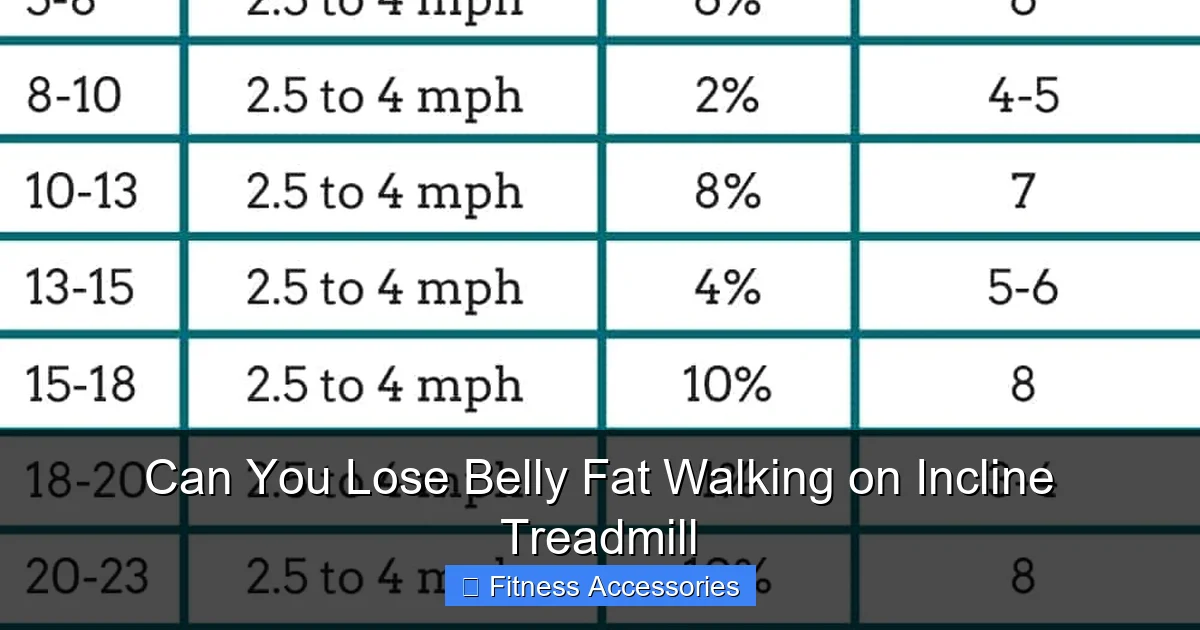
Walking at a 3.5 mph pace on a 0% grade might burn around 300 calories per hour for an average person. Increase that incline to just 5%, and that same speed can burn over 450 calories per hour. At a 10% incline, you could be burning 600+ calories. The steeper the climb, the more muscle mass you recruit—primarily in your glutes, hamstrings, and calves—and the more oxygen and energy your body requires. This elevated metabolic cost directly contributes to the calorie deficit needed for fat loss.
2. Core Activation: Your Secret Weapon
This is the key differentiator for belly fat. On an incline, your center of gravity shifts backward. To prevent yourself from falling backward, your entire core complex—the rectus abdominis (six-pack), obliques (sides), and deeper transverse abdominis (corset muscle)—must engage isometrically. Think of it as a constant, full-body plank while you walk. This isn’t a crunching motion, but a stabilizing one. You are building endurance and strength in the muscles that form your midsection’s “natural girdle.” While this doesn’t burn the fat *over* the muscle directly, it strengthens and tightens the underlying structure, so as the fat layer shrinks from overall calorie deficit, a more toned, defined core is revealed.
Incline vs. Flat Treadmill Walking: A Clear Winner for Midsection Goals
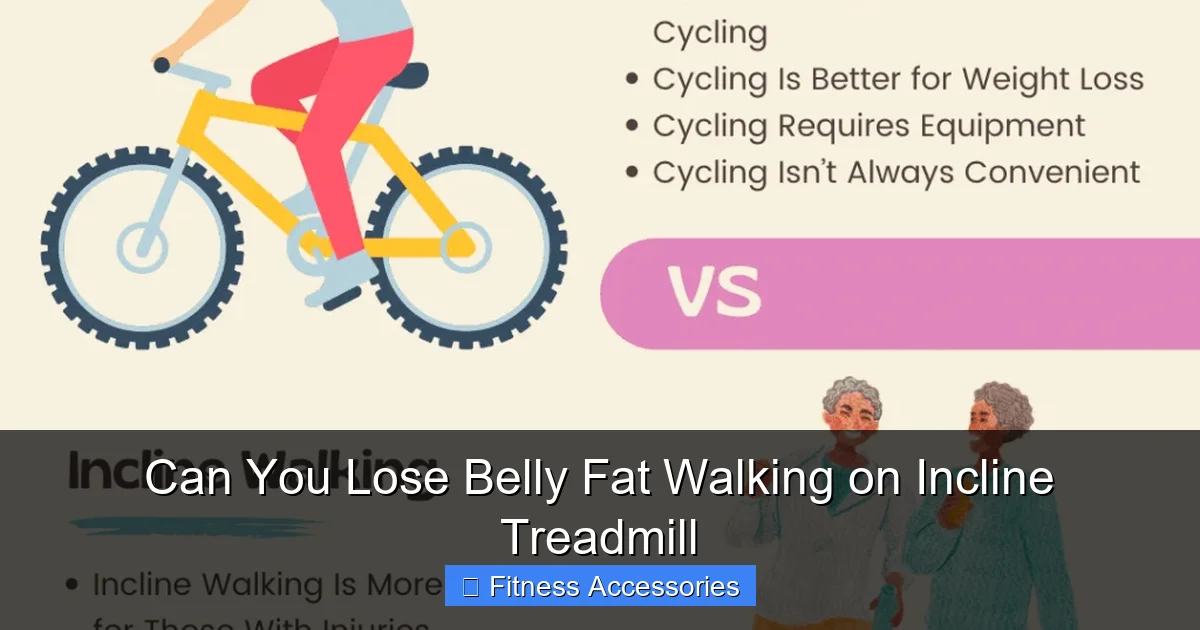
Why not just walk faster on a flat treadmill? Speed has its limits, especially for joint health and sustainability. Incline offers unique advantages.
Visual guide about Can You Lose Belly Fat Walking on Incline Treadmill
Image source: bicycle2work.com
- Greater Muscle Recruitment: Flat walking is predominantly a lower leg exercise (calves, shins). Incline walking turns it into a full posterior chain and core workout, engaging larger muscle groups that burn more fuel at rest and during activity.
- Lower Perceived Impact: You can often walk at a higher incline at a slower speed than you could run, achieving a similar or greater calorie burn with far less pounding on your knees, hips, and spine.
- Metabolic Afterburn (EPOC): The more intense muscle recruitment from incline training leads to a higher Excess Post-exercise Oxygen Consumption (EPOC). Your body continues to burn calories at an elevated rate for hours after your workout as it works to repair muscle tissue and restore homeostasis.
- Functional Strength: The motion mimics real-world hill climbing, building practical strength that translates to better posture and easier movement in daily life—both of which contribute to a flatter-looking stomach.
Practical Tip: A great comparison is to try a 30-minute session: 30 minutes at 4.0 mph, 0% incline vs. 30 minutes at 3.5 mph, 6% incline. You’ll feel the dramatic difference in muscle engagement and likely see a higher heart rate and sweat response with the incline, all at a more manageable pace.
Designing Your Ultimate Incline Treadmill Routine for Fat Loss
Showing up is step one. Having a smart plan is step two. Here’s how to structure your workouts for maximum belly fat-fighting efficiency.
Visual guide about Can You Lose Belly Fat Walking on Incline Treadmill
Image source: media.self.com
The Foundation: Steady-State Incline Walks
This is your bread and butter. Aim for 30-45 minutes at a consistent, challenging but conversational pace. The “conversational” test means you could speak in full sentences, but it would be a struggle. A good starting point: 3.5-4.0 mph at a 4-6% incline. As you get fitter, you can increase the incline, the speed, or the duration. The goal is to keep your heart rate in the “fat-burning zone” (typically 60-70% of your max heart rate) for the majority of the session. This builds aerobic capacity and burns a high percentage of calories from fat stores.
The Accelerator: High-Intensity Interval Training (HIIT) on the Incline
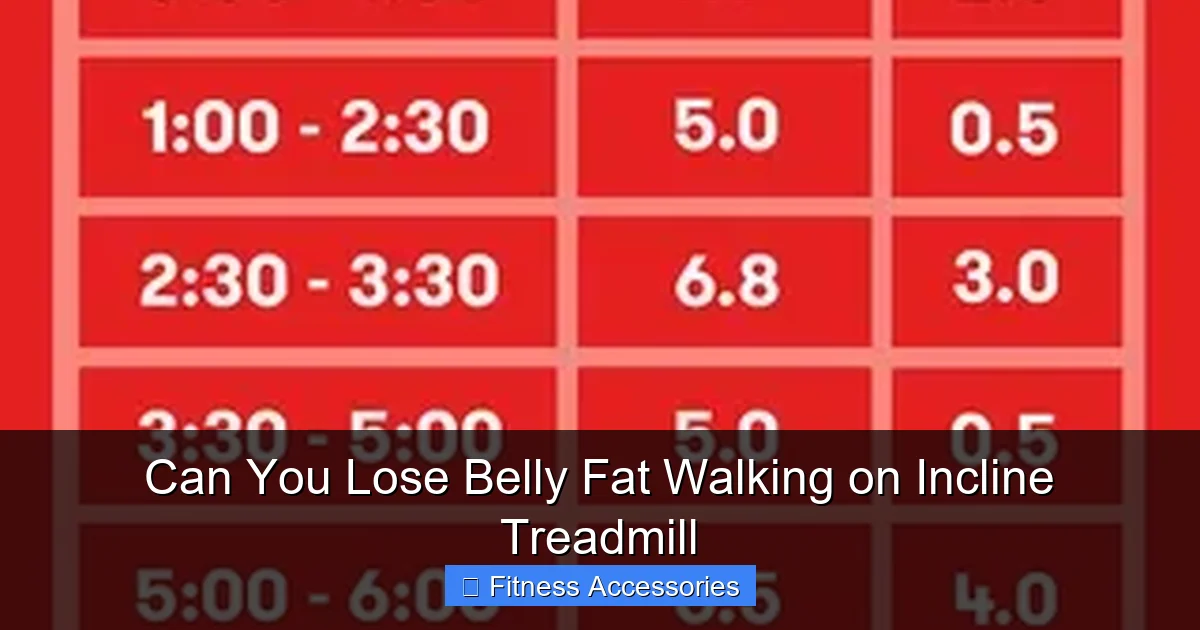
Once you have a base of steady-state walks, incorporate 1-2 HIIT sessions per week. This shocks your system and maximizes EPOC. Example protocol:
- Warm-up: 5 min walk, 0% incline.
- Repeat 8 times: 1 minute at a very steep incline (8-10%) at a pace that feels “hard but controlled.” 2 minutes of recovery at 0% incline and a slower pace.
- Cool-down: 5 min easy walk.
These short, brutal bursts recruit fast-twitch muscle fibers and create a huge metabolic disturbance. The recovery periods allow you to push harder during the work intervals.
The Non-Negotiable: Posture and Form
All the incline in the world won’t help if your form is off. Do not hold the handrails. Leaning on them negates the core engagement, reduces calorie burn, and alters your gait. Stand tall. Imagine a string pulling the crown of your head toward the ceiling. Keep your shoulders down and back. Engage your core by gently pulling your belly button toward your spine. Land on the mid-foot and roll through to the toe. Short, quick steps are often more efficient than long, lunging strides on steep inclines.
The Missing Piece: Why Your Nutrition Matters More Than the Treadmill
You can out-eat any workout. This is the universal law of fat loss. The treadmill creates the *opportunity* for a deficit, but your diet creates the *reality*. To lose belly fat, you must consume fewer calories than you burn. Walking on an incline will increase the “burn” side of that equation, but if your nutrition is poor, you’ll either not see results or will hit a frustrating plateau.
- Prioritize Protein: Aim for 0.7-1 gram of protein per pound of target body weight. Protein preserves lean muscle mass (including the core muscles you’re building), increases satiety, and has a higher thermic effect (your body burns more calories digesting it).
- Manage Carbs and Fats: Focus on complex, fiber-rich carbs (vegetables, oats, sweet potatoes) and healthy fats (avocado, nuts, olive oil). Minimize refined sugars and trans fats, which are strongly linked to increased visceral fat storage.
- Hydration is Key: Often, thirst is mistaken for hunger. Drink plenty of water throughout the day. Some studies suggest that drinking water can temporarily boost metabolism.
- Mindful Eating: Use your incline walking time to plan your meals. Are you eating enough vegetables? Are you snacking out of boredom? The mental clarity from exercise can help you make better food choices.
Think of it this way: the incline treadmill is your powerful fat-burning engine, but nutrition is the high-quality fuel. Put low-grade fuel in a high-performance engine, and it will sputter.
Beyond the Treadmill: Maximizing Results and Avoiding Plateaus
Your body is an adaptation machine. If you do the same 30-minute, 5% incline walk every day for a month, it will become easier, and you’ll burn fewer calories. You must progress.
Progressive Overload is Essential
Each week, try to slightly advance one variable:
- Incline: Add 0.5-1% to your steady-state walk.
- Duration: Add 2-5 minutes to your total time.
- Speed: Increase by 0.1-0.2 mph while maintaining the same incline.
- Frequency: Add an extra day of walking if you’re currently under 5 days a week.
This constant, gradual challenge ensures your metabolism stays elevated and your muscles continue to adapt and grow (which further boosts metabolism).
Complement with Strength Training
While incline walking is fantastic, it’s primarily cardiovascular. Adding 2-3 days of full-body strength training (squats, deadlifts, presses, rows) is the single best thing you can do for long-term body composition change. More muscle mass means a higher resting metabolic rate—you burn more calories 24/7, even when you’re not exercising. A stronger core from lifts like planks and Pallof presses will also synergize with the core stability work from your incline walks.
Prioritize Recovery and Sleep
Chronic stress and poor sleep elevate cortisol, a hormone that promotes the storage of visceral belly fat. Your incline walking is a stressor (a good one, but still a stressor). Ensure you’re getting 7-9 hours of quality sleep per night and managing life stress through mindfulness, leisure walks, or other hobbies. Your recovery determines your results.
Conclusion: Your Path to a Leaner Midsection Starts with a Hill
So, can you lose belly fat walking on an incline treadmill? The unequivocal answer is yes, but with the crucial understanding that it’s part of a holistic strategy. The incline treadmill is arguably one of the best single tools for this specific goal because it uniquely combines high-calorie expenditure, direct core strengthening, and exceptional sustainability. It turns a mundane walk into a full-body, fat-burning, core-toning workout that you can do year after year without wrecking your joints.
Start where you are. Find an incline that challenges you but allows for good form. Be consistent—aim for at least 4 sessions per week, mixing steady-state and interval training. Pair this unwavering consistency with a mindful, protein-rich nutrition plan. Add in some strength training and prioritize sleep. This is not a quick fix; it’s a sustainable lifestyle adjustment. The fat will come off, slowly and steadily from all over your body, and as it does, the strong, engaged core you’ve been building on that treadmill will be revealed. Your journey to a flatter, healthier belly doesn’t require fancy equipment or extreme diets. It might just require you to start walking uphill.
Frequently Asked Questions
Can I lose belly fat by just walking on an incline without changing my diet?
You may see some initial changes, but significant and lasting belly fat loss will be very difficult. Exercise creates the opportunity for a calorie deficit, but you must consume fewer calories than you burn to tap into fat stores. Nutrition is the primary driver of fat loss; exercise is the powerful catalyst.
How often should I use the incline treadmill to see results?
For noticeable results, aim for 4-5 sessions per week, lasting 30-45 minutes each. Consistency is far more important than occasional long, grueling sessions. Combine these with 1-2 days of strength training and proper nutrition for optimal results within 4-8 weeks.
How long will it take to see a difference in my belly?
This varies greatly based on starting body fat percentage, genetics, diet, and consistency. Most people begin to see subtle changes in how their clothes fit and slight definition in 4-6 weeks with a dedicated routine. Visible six-pack abs require a much lower overall body fat percentage, which can take many months of sustained effort.
Is it better to walk on a high incline slowly or a lower incline faster?
Both are effective for calorie burn, but they serve different purposes. A higher incline at a slower speed (e.g., 8% at 3.0 mph) maximizes muscle engagement in the glutes/hamstrings and core, builds strength, and is lower impact. A lower incline at a faster speed (e.g., 2% at 4.5 mph) is more cardiovascular. A mix of both in your weekly routine is ideal.
Who should avoid incline treadmill walking?
Anyone with acute lower back pain, severe knee or hip osteoarthritis, or balance issues should consult a doctor or physical therapist first. The incline places more demand on these areas. Proper form is critical to avoid strain, so beginners should start with very low inclines (1-2%) to learn the movement pattern.
Should I hold onto the handrails for support on steep inclines?
No. Holding the rails significantly reduces the workload on your legs and core, cutting calorie burn by up to 30% and eliminating the core-stabilizing benefit. It also promotes poor posture. Use the side rails only for safety when getting on/off or if you feel you might truly fall. Your hands should be at your sides or lightly resting on the front bar for balance without leaning.