Can You Lose Belly Fat on a Exercise Bike
Yes, you can absolutely lose belly fat using an exercise bike. It’s a highly effective, low-impact cardio tool that burns calories and targets harmful visceral fat. However, spot reduction is a myth; you’ll reduce overall body fat, which includes your belly. Success requires consistent, strategiccycling combined with a calorie-conscious diet and strength training for the best, sustainable results.
Key Takeaways
- Cycling Burns Calories & Visceral Fat: Regular sessions on an exercise bike create the calorie deficit needed to mobilize and burn stored fat, including the dangerous visceral fat deep in your abdomen.
- Spot Reduction Is a Myth: You cannot choose to burn only belly fat. The body loses fat systemically. Cycling helps shrink your overall body fat percentage, leading to a smaller waist as a result.
- Intensity & Consistency Are Key: High-Intensity Interval Training (HIIT) on the bike is exceptionally effective for fat burning, but steady-state rides build endurance. A consistent weekly routine is non-negotiable.
- Diet is 80% of the Battle: No amount of cycling will overcome a poor diet. You must consume fewer calories than you burn to create a sustainable deficit for fat loss.
- Combine with Strength Training: Building muscle through resistance exercises boosts your resting metabolism, helping you burn more calories 24/7 and creating a leaner, toned appearance as fat decreases.
- Patience and Non-Scale Victories (NSVs): Belly fat is often the last to go. Track progress via measurements, how clothes fit, and energy levels, not just the scale.
- Form and Posture Matter: Engaging your core while cycling improves stability and can help strengthen abdominal muscles, contributing to a tighter midsection as fat reduces.
📑 Table of Contents
- Can You Really Lose Belly Fat on an Exercise Bike? The Straight Answer
- Understanding Belly Fat: It’s Not All the Same
- How an Exercise Bike Torches Calories and Fat
- Crafting the Ultimate Belly-Fat-Burning Bike Workout Plan
- The Diet Equation: You Can’t Out-Cycle a Bad Diet
- Common Mistakes That Sabotage Your Belly Fat Loss
- The Final Pedal: Putting It All Together for Success
Can You Really Lose Belly Fat on an Exercise Bike? The Straight Answer
Let’s cut to the chase. Yes, you can lose belly fat with an exercise bike. It’s one of the most accessible, joint-friendly, and effective pieces of home gym equipment for burning calories and shedding unwanted fat. But before you hop on and expect a miracle flat stomach by next week, we need to talk about how fat loss actually works. The idea that you can do endless crunches or pedal specifically to melt away just your belly bulge is what we call “spot reduction,” and it’s largely a fitness myth. Your body decides where it pulls fat from, based on genetics, hormones, and overall fat percentage. So, the real goal isn’t to “target” belly fat; it’s to lower your total body fat percentage. An exercise bike is a powerhouse tool for achieving that exact goal. It gets your heart rate up, burns a significant number of calories, and when used correctly, can be a cornerstone of a belly-fat-fighting strategy.
Think of your belly fat as the fuel in your car’s tank. The exercise bike is the engine that burns that fuel. But if you keep pouring more fuel in (through your diet), the tank will never empty, no matter how hard you pedal. This article is your complete roadmap. We’ll dive deep into the science of fat loss, how to structure your bike workouts for maximum metabolic impact, why your diet is the ultimate boss in this journey, and how to combine everything for a stronger, leaner, healthier you. Forget quick fixes; we’re building sustainable habits.
Understanding Belly Fat: It’s Not All the Same
To fight it, you must know it. Not all belly fat is created equal, and this is crucial for understanding why a holistic approach works.
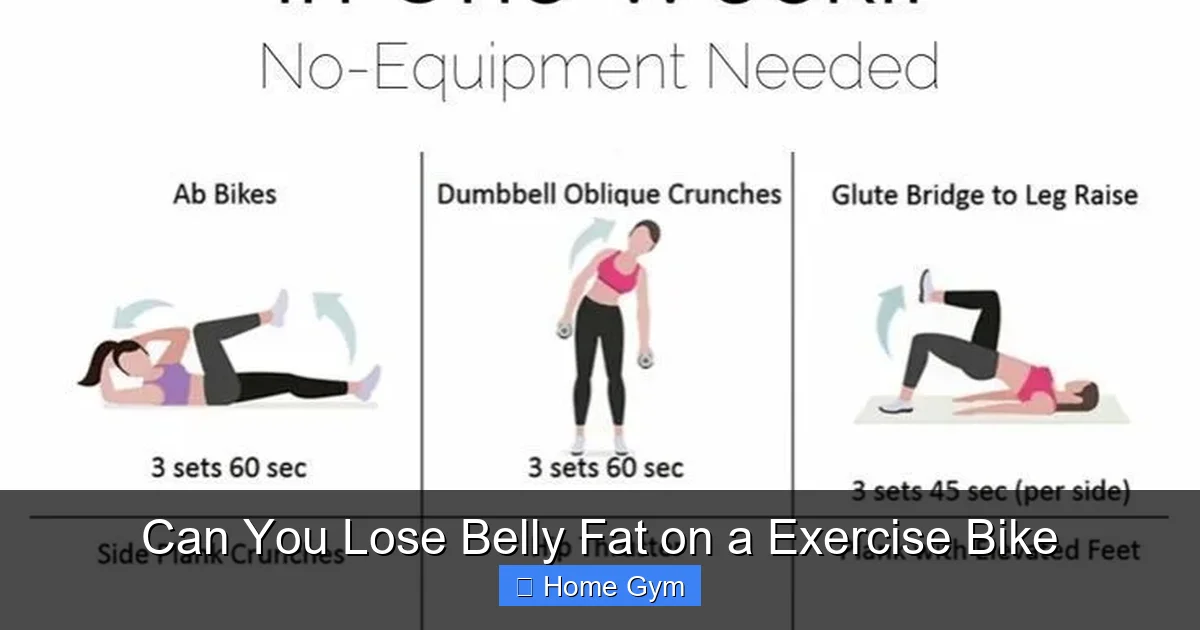
Visual guide about Can You Lose Belly Fat on a Exercise Bike
Image source: i.pinimg.com
Subcutaneous vs. Visceral Fat
You have two main types of fat in your abdominal area:
- Subcutaneous Fat: This is the fat you can pinch with your fingers, sitting just under the skin. It’s the “soft” belly. While many dislike its appearance, it’s metabolically less active and less dangerous.
- Visceral Fat: This is the deep, hard fat that surrounds your internal organs like your liver, pancreas, and intestines. You can’t see or pinch it, but it’s the truly dangerous stuff. High levels of visceral fat are strongly linked to insulin resistance, type 2 diabetes, heart disease, and certain cancers. The great news? Visceral fat is often the first to respond to consistent cardio exercise like cycling. So, when you start losing weight with your bike, you’re likely making a profound positive impact on your long-term health, even before you see a major change in the mirror.
- The Protocol: Warm up for 5 minutes at an easy pace. Then, perform 8-10 rounds of: 30 seconds of MAXIMUM effort (resistance high enough that you’re gasping, legs spinning fast or pushing hard) followed by 60-90 seconds of easy recovery pedaling. Cool down for 5 minutes.
- Total Time: 20-25 minutes.
- Why It Works: It pushes your body into an anaerobic state, triggering that powerful afterburn effect (EPOC) and improving insulin sensitivity.
- The Protocol: 45-60 minutes at a pace where you can hold a conversation (about 60-70% of your max heart rate). Maintain a steady cadence and moderate resistance.
- When to Do It: 1-2 times per week, on days you’re not doing HIIT.
- Important: Stay hydrated. Listen to your body. If you feel dizzy or weak, stop and eat. This is not for everyone.
- Monday: HIIT (20-25 min)
- Tuesday: Steady-State Ride (45-60 min) OR Upper Body Strength Training
- Wednesday: Rest or Light Active Recovery (walking)
- Thursday: HIIT (20-25 min)
- Friday: Steady-State Ride (45-60 min)
- Saturday: Lower Body & Core Strength Training
- Sunday: Rest or Fasted Cardio (optional, 20-30 min)
- Protein: Keeps you full, preserves muscle mass during weight loss (critical for metabolism), and has a high thermic effect (your body burns calories digesting it). Aim for a source with every meal (chicken, fish, eggs, tofu, legumes).
- Fiber: Soluble fiber (found in oats, beans, avocados, berries) slows digestion, stabilizes blood sugar, and feeds your good gut bacteria—all linked to reduced belly fat. Aim for 25-35g daily.
- Healthy Fats: Fats from avocados, nuts, seeds, and olive oil support hormone health and satiety. They are calorie-dense, so portion control is key.
- Added Sugars & Refined Carbs: Sodas, juices, pastries, white bread, and sugary cereals spike insulin and promote visceral fat storage. Cut these out as much as possible.
- Trans Fats: Found in many processed foods, they are inflammatory and directly linked to increased belly fat. Read labels.
- Excess Alcohol: Liquid calories from beer, wine, and cocktails are a surefire way to add empty calories and impair your body’s ability to burn fat. Moderate or eliminate.
The Hormonal Connection: Cortisol and Insulin
Your belly is a hormone-sensitive area. Chronic stress raises cortisol, a hormone that encourages fat storage in the abdominal region. Poor diet, especially high sugar and refined carb intake, spikes insulin, another hormone that promotes fat storage and blocks fat burning. Regular cycling is a fantastic stress-buster, helping to regulate cortisol. Paired with a balanced diet that stabilizes blood sugar and insulin, you create a hormonal environment that is unfriendly to belly fat storage and friendly to fat burning.
How an Exercise Bike Torches Calories and Fat
Now, let’s talk mechanics. How does sitting on a bike and pedaling actually lead to fat loss? It all comes down to energy expenditure.
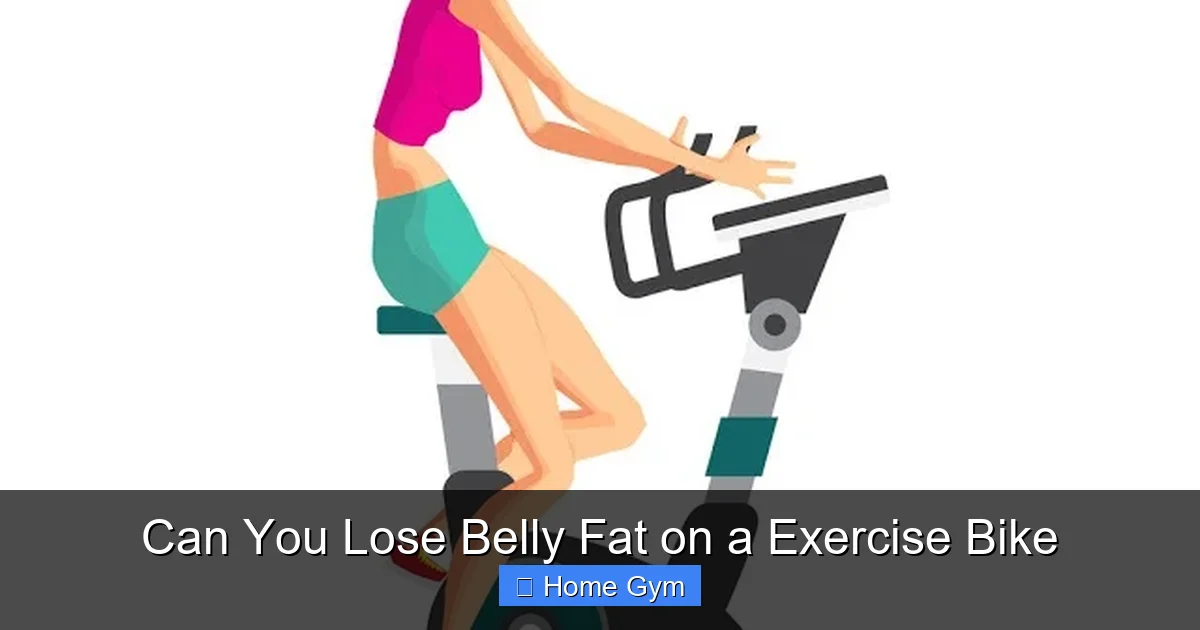
Visual guide about Can You Lose Belly Fat on a Exercise Bike
Image source: 1.bp.blogspot.com
The Calorie Deficit: The Non-Negotiable Rule
Fat loss is simple in theory: you must burn more calories than you consume. This is a “calorie deficit.” An exercise bike is a direct contributor to the “burn more” side of the equation. A 155-pound person can burn approximately 260-630 calories per 30-minute session on an exercise bike, depending entirely on their intensity and body weight. That’s a significant chunk of your daily calorie needs! By consistently burning 300-500+ calories through biking, you make achieving that deficit much easier without having to slash your food intake to unsustainable levels.
Metabolic Impact: The Afterburn Effect (EPOC)
This is where high-intensity cycling shines. After a really tough workout, especially one involving intervals (more on that soon), your body continues to consume extra oxygen to recover. This is called Excess Post-exercise Oxygen Consumption (EPOC), or the “afterburn effect.” Your metabolism stays elevated for hours, meaning you continue burning calories at a higher rate even after you’ve cooled down and showered. HIIT (High-Intensity Interval Training) on your bike maximizes EPOC. Short, all-out bursts followed by recovery periods create a massive metabolic disturbance, leading to greater total calorie and fat burn over 24 hours compared to a long, slow, steady ride.
Low-Impact, High-Result
Running and jumping are great, but they’re high-impact. That stress on joints can lead to injury, especially if you’re carrying excess weight. An exercise bike is virtually non-impact. Your knees, hips, and ankles don’t pound the pavement. This means you can exercise more frequently, for longer durations, and with greater consistency—the true keys to long-term fat loss—without being sidelined by joint pain or stress fractures. Consistency trumps intensity when it comes to sustainable results.
Crafting the Ultimate Belly-Fat-Burning Bike Workout Plan
Random pedaling won’t cut it. You need a plan. Here’s how to structure your weekly routine for optimal fat loss.
1. Embrace High-Intensity Interval Training (HIIT)
This should be the cornerstone of your fat-loss strategy on the bike. HIIT is time-efficient and maximally effective for burning fat, including visceral fat.
2. Steady-State Endurance Rides (For Building the Base)
Don’t neglect these! Longer, moderate-intensity rides build your aerobic engine, improve cardiovascular health, and burn a pure ton of calories during the session itself. They’re also less mentally taxing, making them perfect for active recovery days.
3. Fasted Cardio (A Strategic Option)
Some evidence suggests that exercising in a fasted state (first thing in the morning before breakfast) may increase the percentage of fat used as fuel. If you feel good and have no medical conditions, a 20-30 minute moderate ride upon waking can be a great addition.
Sample Weekly Schedule
Remember: The best schedule is one you can stick to. Consistency over months is what yields transformative results.
The Diet Equation: You Can’t Out-Cycle a Bad Diet
I will say it again: diet is 80% of the battle. You could cycle for an hour every single day and still not lose an ounce of belly fat if your nutrition is off. The bike creates the opportunity for a deficit; your diet creates the reality of it.
Focus on Protein, Fiber, and Healthy Fats
These nutrients are your allies for belly fat loss.
Slash the Belly-Fat Promoters
Hydration and Sleep: The Secret Weapons
Drinking plenty of water (3-4 liters daily) aids metabolism and can help control appetite. Prioritize 7-9 hours of quality sleep per night. Poor sleep disrupts hunger hormones (increasing ghrelin, decreasing leptin), making you crave junk and store more fat, especially around your midsection. Your bike workouts and healthy diet will be severely undermined by chronic sleep deprivation.
Common Mistakes That Sabotage Your Belly Fat Loss
Even with the best intentions, these errors can stall your progress.
Mistake 1: Only Doing Long, Slow Cardio
While steady-state rides are good, relying solely on them can lead to a plateau. Your body adapts, burning fewer calories over time. You must incorporate intensity (HIIT) to continually challenge your metabolism and maximize EPOC.
Mistake 2: Neglecting Strength Training
Cycling is fantastic cardio, but it doesn’t build significant muscle. Muscle is metabolically active tissue. The more muscle you have, the more calories you burn at rest. If you only do cardio, you risk losing muscle along with fat, which slows your metabolism. Add 2-3 full-body strength sessions per week. Squats, lunges, push-ups, rows, and planks are essential. A stronger core from planks and deadlifts will also create a tighter appearance as fat diminishes.
Mistake 3: Rewarding Yourself with Food
“I just burned 500 calories, I can eat this burger.” This mental trap wipes out your deficit in an instant. A single high-calorie meal can contain more calories than you burned in your entire workout. Track your intake honestly for a week to see the reality. Fuel your workouts and recovery with nutritious food, not “rewards.”
Mistake 4: Ignoring Non-Scale Victories (NSVs)
The scale lies. It doesn’t differentiate between fat, muscle, or water. Especially for women, weight can fluctuate daily due to hormones and salt intake. If you’re only watching the scale, you’ll miss the positive changes. Track your waist measurement with a tape measure weekly. Take monthly progress photos. Notice how your clothes fit. These are far more accurate indicators of belly fat loss than a number on a scale that can be influenced by so many factors.
The Final Pedal: Putting It All Together for Success
So, can you lose belly fat on an exercise bike? emphatically, yes. But it’s not a magic bullet. It’s a tool in a comprehensive toolbox. The winning formula is this:
Strategic Cycling (HIIT + Steady-State) + Calorie-Conscious, Nutrient-Dense Diet + Strength Training + Quality Sleep + Patience = Sustainable Belly Fat Loss.
Start where you are. If you’re new, begin with 20 minutes of moderate riding 3 times a week, focus on cleaning up your diet (cut out sugary drinks, add more vegetables), and get to bed earlier. Build the habit first. As your fitness improves, add intensity with intervals. Introduce bodyweight strength exercises. The exercise bike gives you the platform to burn the calories. Your diet and lifestyle determine whether those calories come from your stored fat. This is a marathon, not a sprint. The visceral fat you lose early on is winning a major victory for your long-term health. The subcutaneous fat that takes longer to budge? That’s the final polish on a much healthier, more energetic, and confident version of yourself. Hop on that bike, fuel your body right, and trust the process. Your future, flatter-stomached self will thank you.
Frequently Asked Questions
How long does it take to see belly fat loss from cycling?
Visible changes vary greatly based on starting body fat, diet, and genetics. You may notice clothes fitting looser within 2-4 weeks with consistent effort. Significant visual changes typically take 8-12 weeks or more. Focus on the process, not just the outcome.
Is cycling or running better for losing belly fat?
Both are excellent. Running generally burns more calories per minute but is high-impact. Cycling is low-impact, allowing for more frequent and longer sessions with less injury risk. The “best” exercise is the one you enjoy and will do consistently. For many, the bike’s joint-friendly nature makes it the more sustainable choice for long-term fat loss.
Should I cycle every day to lose belly fat?
Not necessarily. Your body needs recovery to repair and avoid burnout or injury. Aim for 3-5 quality sessions per week, mixing HIIT and steady-state rides. On other days, prioritize strength training, walking, or complete rest. Listening to your body is key.
What is the best speed or resistance on an exercise bike for fat loss?
For fat loss, prioritize effort and heart rate over a specific speed. For HIIT, use enough resistance that you’re gasping after 30 seconds of all-out effort. For steady-state, maintain a pace where you can talk in short sentences (about 70-80% of max heart rate). If you have a heart rate monitor, aim to spend time in the “fat-burning zone” (roughly 60-70% of max HR) and the higher “cardio zone.”
Can I lose belly fat by just using an exercise bike without dieting?
It’s extremely difficult. Exercise creates a small to moderate calorie deficit, but it’s easy to consume those calories back (and then some) with a single snack or meal. To lose significant fat, you must combine your cycling routine with a slight, sustainable calorie deficit from your diet. Diet and exercise together are the unbeatable duo.
Will cycling give me a six-pack?
Cycling will help burn the fat covering your abdominal muscles. To reveal a “six-pack,” you need very low body fat (typically under 15% for men, under 22% for women). Cycling is a primary tool to get you there. However, you also need to strengthen those abdominal muscles through exercises like planks, leg raises, and cable crunches so they are defined and visible once the fat is reduced. The bike burns the layer on top; strength training builds the structure underneath.