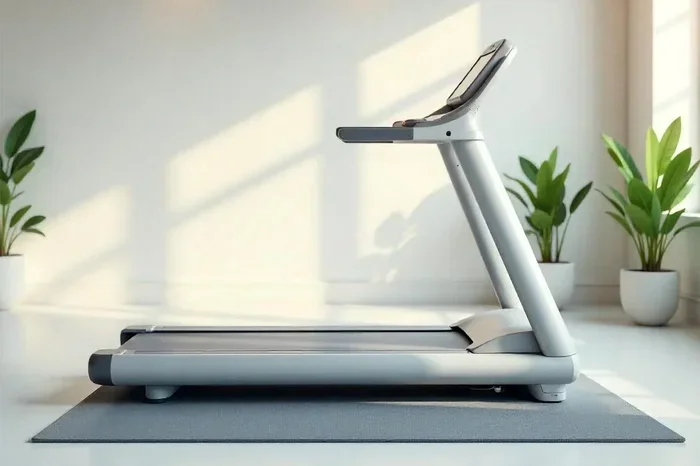
Can You Keep a Treadmill in the Garage

Yes, you can absolutely keep a treadmill in your garage — it is one of the most popular spots for home fitness equipment thanks to the extra space and convenience it offers. However, successful garage treadmill storage depends on a few key factors like temperature control, humidity levels, and floor protection to keep your machine running smoothly for years. This guide walks you through everything you need to know, from setup tips and safety considerations to maintenance hacks that make garage treadmill ownership a breeze.
SEO Title: Can You Keep a Treadmill in the Garage?
Meta Title: Can You Keep a Treadmill in the Garage? Tips & Guide
Meta Description: Find out if you can keep a treadmill in your garage. We cover temperature, moisture, flooring, and safety tips for garage treadmill storage.
URL Slug: /can-you-keep-a-treadmill-in-the-garage/
So you want to put your treadmill in the garage? That makes a lot of sense. Garages often have the space we need for bigger fitness equipment, and keeping it there frees up room inside your home. But the question is whether a garage is actually a safe and smart spot for your treadmill.
The short answer is yes, you can keep a treadmill in the garage. But there are some important things you need to know first. Temperature swings, moisture, floor surfaces, and even dust can all affect how long your treadmill lasts. In this guide, we walk you through everything you need to think about before you roll that machine into your garage.
Whether you are looking to build a home gym or just want a convenient place to jog, this article covers all the practical details. You will learn about the risks, the solutions, and the real benefits of garage treadmill storage. Let us dive in.
Key Takeaways
- Check your garage floor’s weight capacity before placing a heavy treadmill.
- Ensure proper ventilation to prevent overheating and motor damage.
- Install a dedicated GFCI outlet for safe treadmill operation.
- Use a treadmill mat to dampen vibrations and protect flooring.
- Control humidity levels with a dehumidifier to prevent rust.
- Measure your space for safe clearance and comfortable use.
📑 Table of Contents
- Is It Safe to Store a Treadmill in the Garage?
- Garage Flooring and Surface Considerations
- How to Protect Your Treadmill in the Garage
- Benefits of Having a Treadmill in the Garage
- Common Mistakes to Avoid When Storing a Treadmill in the Garage
- Quick Comparison: Garage vs. Indoor Treadmill Placement
- Final Thoughts
Is It Safe to Store a Treadmill in the Garage?
Safety is the first thing on most people’s minds. And honestly, it should be. A treadmill is a heavy, motorized piece of equipment, and where you place it matters a lot for both your health and the machine’s lifespan.
The good news is that storing a treadmill in the garage is generally safe. Most treadmills are built to handle normal indoor conditions. But garages can be tricky because they do not always feel like the inside of your home. They are exposed to the outdoors in many ways, and that creates some challenges.
Before you decide to place your treadmill in the garage, you need to think about a few key factors. These include the temperature range, humidity levels, and the type of flooring you have. Let us break each one down.
Temperature Concerns
Garages can get very hot in the summer and very cold in the winter. Extreme temperatures are not great for treadmill motors or electronic parts. Most treadmill manufacturers recommend storing the machine in a climate-controlled space.
But that does not mean you cannot use your treadmill in the garage at all. The key is to avoid exposing it to temperatures below freezing or above 100 degrees Fahrenheit for long periods. If you live in a mild climate, your garage may work just fine year-round.
One thing to keep in mind is that cold garage treadmill conditions can cause the belt to tighten up. This makes the motor work harder, which can shorten its life. If your garage gets cold, consider a space heater or a treadmill cover to help regulate the temperature.
Moisture and Humidity Issues
Moisture is one of the biggest enemies of any fitness equipment. Garages are prone to dampness, especially in humid climates or during rainy seasons. Water can rust metal parts, warp the deck, and damage the electrical components of your treadmill.
Condensation is a real problem too. When warm air hits a cold garage floor or wall, water droplets form. Over time, this moisture can seep into the treadmill’s motor housing and cause serious damage. If you notice your garage feels damp, you should take steps to reduce humidity before placing your treadmill there.
A simple dehumidifier can make a big difference. You might also want to check if your garage has proper ventilation. These small steps can protect your investment and help your treadmill last much longer.
Garage Flooring and Surface Considerations
The surface your treadmill sits on matters more than most people realize. A bad floor can cause vibration, noise, and even structural damage to the machine over time. Your garage floor is probably made of concrete, which is common but not always ideal.
Concrete floors are hard and flat, which can transmit a lot of shock back up through the treadmill frame. This affects your joints during a run and can also loosen bolts and screws on the machine. So what can you do about it?
Best Flooring Options for Garage Treadmills
You have several options to improve the surface under your treadmill. Each one has its own benefits and cost considerations. Here is a quick look at the most popular choices:
- Rubber treadmill mat: These thick mats absorb shock and reduce vibration. They also protect your garage floor from scratches and dents caused by the heavy treadmill.
- Interlocking foam tiles: These are affordable and easy to install. They provide a cushioned surface and help dampen noise. Great for lighter use or walking workouts.
- Plywood platform: A sheet of plywood placed over the concrete can create a more stable and forgiving surface. It also helps distribute the weight of the treadmill more evenly.
- Epoxy-coated floor: If you are willing to invest a bit more, an epoxy coating can make your garage floor smoother and easier to clean. It also adds a layer of protection against moisture.
No matter which option you choose, make sure the surface is level and stable. A treadmill on an uneven floor can drift to one side, which is both annoying and potentially dangerous during a workout.
How to Protect Your Treadmill in the Garage
Once you have decided that the garage is the right spot, you need to protect your treadmill from the elements. A little prevention goes a long way toward keeping your machine running smoothly for years.
Using a Treadmill Mat
A quality treadmill mat is one of the best investments you can make. It does more than just protect your floor. It also reduces noise, absorbs shock, and prevents dust and debris from getting into the motor area.
Look for a mat that is at least 3/4 inch thick and slightly larger than your treadmill’s base. This gives you full coverage and maximum protection. A good mat also helps keep the treadmill stable, which is especially important on a garage floor that may not be perfectly level.
Covering and Storage Tips
When you are not using your treadmill, consider covering it. A fitted treadmill cover keeps dust, moisture, and pests away. Garages can attract insects and even rodents, and you do not want them chewing on wires or nesting near the motor.
Here are some quick tips for garage treadmill care:
- Wipe down the belt and deck regularly to remove dust and sweat residue.
- Lubricate the belt according to the manufacturer’s schedule.
- Check the power cord for any signs of wear or damage.
- Store the treadmill away from garage chemicals like paint or gasoline.
- Use a surge protector to guard against electrical spikes.
If you plan to leave the treadmill in the garage for a long time, a cover is almost essential. It creates a barrier against the elements and helps maintain the machine’s condition between workouts.
Benefits of Having a Treadmill in the Garage
Despite the challenges we have discussed, there are some real advantages to keeping a treadmill in the garage. Many people find that the benefits far outweigh the extra effort required to protect the equipment.
First, convenience is a huge factor. With a treadmill in the garage, you can hop on and workout without having to clear space in your living room or bedroom. You can get your cardio in at any time of day without worrying about disturbing anyone in the house.
Second, a garage gym setup lets you keep your home’s interior clean and quiet. Treadmills can be noisy, and the garage provides a natural sound barrier. This is especially helpful if you live in a small home or apartment where noise travels easily.
Third, having your fitness equipment in the garage can actually increase the usable space in your home. You free up room for other activities and create a dedicated workout zone that feels separate from your living areas. Many people find this separation helps them stay more consistent with their exercise routine.
Some homeowners also use their garage treadmill setup as part of a larger home gym that includes other equipment like dumbbells, a bench, or a rowing machine. This creates a complete fitness space that makes it easy to stay motivated and committed to your goals.
Common Mistakes to Avoid When Storing a Treadmill in the Garage
Even with the best intentions, people make mistakes when setting up a treadmill in the garage. Avoiding these common pitfalls can save you time, money, and frustration.
- Ignoring temperature extremes: Leaving your treadmill in an unheated garage during winter can cause the motor oil to thicken and the belt to stiffen. This puts extra strain on the motor and can lead to premature failure.
- Skipping the mat: Placing a treadmill directly on concrete without a mat leads to excess wear on the deck and frame. It also transmits noise and vibration throughout the garage.
- Forgetting about moisture: A damp garage can cause rust and electrical issues. Always check for leaks, condensation, or standing water before placing your treadmill.
- Blocking airflow: Treadmill motors need ventilation to stay cool. Do not push the treadmill flush against a wall. Leave several inches of space on all sides for airflow.
- Overlooking the weight limit: Check that your garage floor can handle the weight of the treadmill plus your body weight during running. Most residential floors can handle it, but it is worth verifying if you have an older garage.
By being aware of these mistakes, you can set up your garage treadmill in a way that keeps both you and the machine safe and happy.
Quick Comparison: Garage vs. Indoor Treadmill Placement
Not sure if the garage is right for you? Here is a simple comparison of garage placement versus indoor placement for your treadmill:
| Factor | Garage | Indoor (Home) |
|---|---|---|
| Space | Usually more space available | Limited to room size |
| Temperature Control | Less consistent | Climate-controlled |
| Moisture Exposure | Higher risk | Lower risk |
| Noise Isolation | Better for home interior | Noise travels through house |
| Convenience | Quick access, separate zone | Easy to use anytime |
| Floor Protection Needed | Yes, mat or platform required | Less critical |
As you can see, both options have their pros and cons. The garage offers more space and better noise separation, but it requires more protection and maintenance. Indoor placement is more convenient but takes up valuable living space.
Ultimately, the right choice depends on your situation. If you have a well-insulated garage with a dry floor and a good mat, you can absolutely keep your treadmill there and enjoy many years of reliable use.
For more tips on treadmill placement and safety, check out our guide on keeping a treadmill in a cold garage. And if you are exploring other home gym options, you might also want to read about placing a treadmill in an upstairs apartment for additional insights on equipment placement in challenging spaces.
Final Thoughts
So, can you keep a treadmill in the garage? Absolutely. With the right preparation and a little ongoing care, your garage can become a great home for your treadmill. The key is to manage temperature, control moisture, use a proper mat, and stay on top of basic maintenance.
Do not let the challenges scare you away. Thousands of people successfully use their garage as a workout space, and with the tips in this article, you can too. Start by assessing your garage conditions, invest in a good mat and cover, and enjoy the convenience of having your treadmill just steps away from your door.
Your fitness journey deserves a space that works for you. And for many people, the garage is exactly that space. Take the leap, set up your garage treadmill the right way, and start enjoying those workouts in the comfort of your own home.
Frequently Asked Questions
Can You Keep A Treadmill In The Garage?
Yes, you absolutely can keep a treadmill in the garage. It is one of the most popular spots for home fitness equipment because it saves indoor space. Just make sure your garage offers enough protection from moisture and temperature swings.
What Are the Benefits of Putting a Treadmill in the Garage?
A garage treadmill setup keeps your living areas free and clutter-free. You get a dedicated workout zone without disrupting your daily home routine. It also provides easy access for quick exercise sessions any time of day.
How Do You Protect a Treadmill From Garage Humidity?
Humidity is the biggest enemy of treadmill motors and electronics. Use a dehumidifier or a small garage heater to keep moisture levels low. A quality treadmill cover adds an extra layer of defense against damp air and condensation.
Is It Safe to Store a Treadmill in a Garage During Winter?
It can be safe if your garage stays above freezing most of the time. Cold temperatures can stiffen the belt and damage internal parts over time. If your garage gets very cold, consider moving the treadmill indoors or using a heated storage solution.
What Garage Conditions Are Best for a Treadmill?
The best garage for a treadmill is dry, climate-controlled, and well-ventilated. Avoid placing it near chemicals, solvents, or direct sunlight. A clean, level floor with minimal dust will help your treadmill last much longer.
How Do You Keep a Treadmill From Damaging Your Garage Floor?
Place a thick rubber mat or treadmill platform under the machine to protect the floor. This also reduces vibration and noise during workouts. It prevents scratches and makes cleaning up debris much easier.