Can We Do Yoga on Floor Without Mat
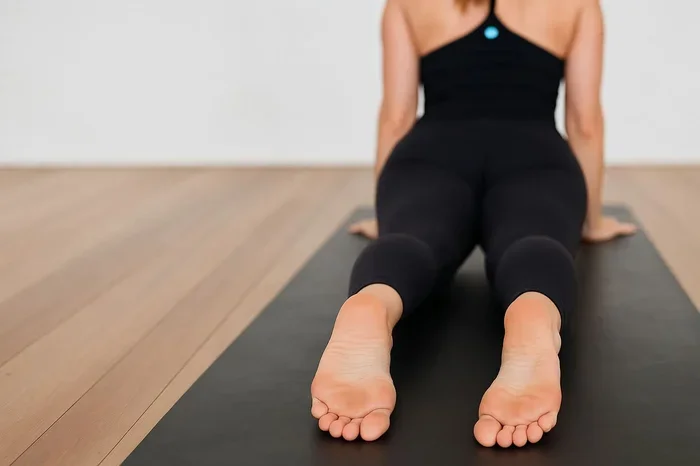
Can we do yoga on floor without mat? Absolutely! Practicing yoga without a mat is possible and offers unique benefits like better grounding, improved balance, and cost savings. In this guide, you will learn about the pros and cons of bare yoga, the best floor surfaces, essential tips, and common mistakes to avoid for a safe and comfortable mat-free practice.
Key Takeaways
- Yes, you can do yoga on the floor without a mat. It is a safe and effective practice when done on the right surface.
- Benefits include better grounding, improved balance, cost savings, and a simpler setup. Mat-free yoga connects you more directly to the earth.
- Hard surfaces like concrete can cause discomfort. Always use a blanket, towel, or carpet to cushion your joints.
- Slipping is the main challenge. Keep your hands and feet dry, spread your fingers wide, and choose textured surfaces when possible.
- Standing and balance poses work best without a mat. They benefit from the direct grip and stability the floor provides.
- Know when to use a mat. Rough surfaces, hot yoga, joint issues, and public spaces are all good reasons to grab your mat.
- Start slow and listen to your body. Mat-free yoga takes adjustment, but your body will adapt over time.
📑 Table of Contents
- Can You Actually Do Yoga Without a Mat?
- Benefits of Practicing Yoga on the Floor Without a Mat
- Challenges of Yoga Without a Mat and How to Overcome Them
- Best Surfaces for Floor Yoga Without a Mat
- Yoga Poses That Work Great Without a Mat
- When You Should Still Use a Yoga Mat
- Quick Tips for Safe and Comfortable Floor Yoga
- Common Mistakes to Avoid When Doing Yoga Without a Mat
- Expert Insights on Mat-Free Yoga Practice
Can You Actually Do Yoga Without a Mat?
The short answer is yes. You can absolutely practice yoga on the floor without a mat. Many people around the world do yoga directly on the ground, and it can be a perfectly fine way to move your body. Whether you are traveling, at a park, or simply prefer the feel of the floor, doing yoga without a mat is a real option that has been around for centuries.
Yoga has been practiced for thousands of years, and mats are a modern invention. Ancient yogis did their practice on bare earth, grass, or animal hides. So the idea of yoga on the floor without a mat is not new at all. Today, many people choose to go mat-free for different reasons. Some want a stronger connection to the ground. Others are looking for a simpler setup. Whatever your reason, this guide covers everything you need to know about practicing yoga on the floor without a mat.
Benefits of Practicing Yoga on the Floor Without a Mat
Better Grounding and Body Awareness
When you do yoga directly on the floor, you feel more connected to the surface beneath you. This is often called grounding. Without a thick layer of padding between you and the floor, you can sense the ground more clearly. Many yogis say this improves their balance and posture. You become more aware of how your weight shifts from one foot to another. This heightened awareness can make your poses stronger and more precise. Yoga without mat practice gives you a raw, unfiltered connection to the earth that many practitioners find deeply rewarding.
Better Grip and Stability
Without a mat, your hands and feet can grip the floor directly. This is especially helpful on smooth surfaces like wood or tile. Your fingers and toes spread out naturally, giving you more contact points. This can help you hold poses with more confidence. For those who struggle with slipping during yoga, going mat-free on the right surface might actually help. The direct contact improves your yoga grip and lets you feel the floor beneath you.
Simpler Setup and Portability
One of the biggest advantages is convenience. You do not need to roll up a mat, carry it anywhere, or worry about it slipping on the floor. Just find a clean spot, and you are ready to go. This makes yoga on the floor without a mat great for travel, outdoor sessions, or quick home workouts. Do you need a yoga mat? The answer might surprise you.
Cost Savings
Yoga mats can be expensive, especially high-quality ones. By skipping the mat, you save money and avoid the ongoing need to replace worn-out mats. This makes yoga practice without equipment more accessible to everyone. If you are just starting out, practicing without a mat lets you explore the practice before investing in gear. It is a great way to see if yoga is right for you without any upfront cost.
Challenges of Yoga Without a Mat and How to Overcome Them
Hard Surfaces Can Be Uncomfortable
The biggest challenge of yoga on a hard floor without a mat is discomfort. Hard floors like concrete or tile can put pressure on your knees, hips, and spine during seated or lying poses. Over time, this can cause pain or soreness. The good news is that you can overcome this by choosing the right surface and using simple tricks. Placing a folded blanket or towel under your knees can make a big difference. The key is to protect your joints while still enjoying the benefits of bare yoga.
Slipping and Lack of Traction
On smooth or sweaty surfaces, your hands and feet may slide around. This is a real concern, especially during hot yoga or intense flows. Many people search for ways to stop slipping on your yoga mat even when using a mat. The same principles apply here. Keep your hands dry, spread your fingers wide, and press firmly through your palms. Wearing grip socks can also help you maintain traction on smooth floors. If your hands keep sliding, the surface may simply not be right for bare yoga.
Hygiene Concerns
Direct contact with the floor means your skin touches whatever is on the surface. Dust, dirt, and bacteria can be a concern, especially in public spaces or gyms. Always clean the floor before you practice. A quick wipe with a disinfectant spray works well. If you are practicing at home, sweeping and mopping the area regularly keeps things sanitary. This is especially important for bare yoga since there is no barrier between your skin and the floor.
Best Surfaces for Floor Yoga Without a Mat
Wood and Hardwood Floors
Hardwood floors are one of the best surfaces for yoga without mat practice. They are smooth, relatively comfortable, and provide good grip. The natural texture of wood gives your hands and feet something to grip onto. Just make sure the floor is clean and dry. A slightly dusty hardwood floor can actually improve your grip, similar to how a chalk wall works in climbing. Avoid freshly waxed floors, as they can be too slippery.
Carpet and Rugs
Carpet is another excellent option for yoga on the floor without a mat. The soft texture cushions your joints and provides natural grip. Thick carpets are especially comfortable for kneeling and lying poses. However, be aware that carpet can sometimes bunch up under your hands or feet, which might throw off your balance. Choose a flat, low-pile carpet for the best experience. A area rug in your living room can be a perfect spot for a quick mat-free session.
Grass and Outdoor Surfaces
Practicing yoga on grass is a wonderful experience. The natural cushioning is gentle on your body, and the fresh air adds to the feel of the practice. Make sure the grass is dry and free of insects or sharp objects. A flat, even patch of grass works best. Many people find that outdoor yoga on the ground feels more connected to nature and enhances their mindfulness. Parks, gardens, and lawns all make great spots for mat-free yoga sessions.
Using a Towel or Cloth as an Alternative
If the floor is too hard or slippery, a simple towel can bridge the gap. You can use a yoga towel without a mat to create a comfortable, non-slip layer between you and the floor. A cotton towel works well for cushioning, while a microfiber towel offers better grip. This is a great middle-ground option for those who want some protection but not the bulk of a full yoga mat. Using a towel as a yoga mat is a popular alternative that many yogis swear by. It gives you the best of both worlds.
Yoga Poses That Work Great Without a Mat
Standing Poses
Standing poses like Mountain Pose, Warrior I, Warrior II, and Tree Pose are perfect for floor yoga without a mat. These poses rely on your feet gripping the floor, and they do not put much pressure on your knees or hips. The firm surface actually helps you feel more stable and grounded in these positions. Focus on spreading your toes and pressing evenly through all four corners of your feet. These poses build strength and balance naturally when practiced on a bare floor.
Seated Poses
Seated poses like Staff Pose, Easy Pose, and Cross-Legged Stretch can be done without a mat on a comfortable surface. On carpet or a folded blanket, these poses are very manageable. If the floor is hard, sit on a folded towel or blanket to lift your hips slightly. This reduces pressure on your tailbone and makes the pose more comfortable. Yoga poses on the floor like Seated Forward Bend also work well when you have a soft surface underneath you.
Balance Poses
Balance poses like Eagle Pose, Half Moon Pose, and Dancer Pose can actually benefit from a bare floor. The direct contact with the ground gives you a better sense of where your weight is distributed. This improved proprioception can help you hold balance poses longer and with more confidence. Just make sure the surface is clean and dry to avoid slipping. These poses are where the benefits of yoga balance without mat really shine through.
Restorative Poses
Restorative poses like Child’s Pose, Supine Twist, and Corpse Pose can feel amazing on the floor without a mat. On a carpet or grassy surface, these poses are deeply relaxing. The floor provides a stable, grounding base that helps your body fully surrender into the pose. Place a pillow or folded blanket under your knees if the surface is too firm. Restorative yoga without a mat can be incredibly soothing and meditative.
When You Should Still Use a Yoga Mat
Even though yoga on the floor without a mat is totally doable, there are times when a mat is the better choice. Understanding when to use a mat helps you make smart decisions for your body and your practice.
First, if you are practicing on concrete or rough surfaces, a mat protects your joints. Concrete can be brutal on your knees and wrists over time. Second, if you are doing hot yoga or vigorous flows where you sweat a lot, a mat provides grip and hygiene. Third, if you have any joint issues or injuries, the cushioning of a mat is important for protecting sensitive areas. Finally, if you are practicing in a public gym or studio, a mat is simply good etiquette and hygiene practice.
For beginners, a mat can also help you feel more confident and stable as you learn the basics. As you grow in your practice, you can experiment with mat-free yoga and see what works best for you. The goal is to find what supports your body and your yoga at home routine the best.
Quick Tips for Safe and Comfortable Floor Yoga
- Choose the right surface. Hardwood, carpet, or grass are your best friends for bare yoga.
- Use a folded blanket or towel. This adds cushioning for your knees and hips on hard floors.
- Keep your hands and feet dry. Dry skin grips better than sweaty skin on smooth surfaces.
- Clean the floor before you start. A quick sweep or wipe removes dust and debris.
- Listen to your body. If any pose causes pain on the hard floor, modify or use extra padding.
- Wear grip socks. They add traction and keep your feet warm during floor poses.
- Start slow. If you are new to mat-free yoga, ease into it gradually and give your body time to adjust.
Common Mistakes to Avoid When Doing Yoga Without a Mat
Skipping your mat does not mean skipping your form or safety. Here are common mistakes to watch out for:
- Practicing on a dirty or wet floor. This can cause slipping and hygiene issues. Always check the surface first before you begin your yoga practice without equipment.
- Ignoring joint pain. Hard floors can aggravate sensitive joints. Do not push through pain. Use a blanket or towel for support.
- Choosing the wrong surface. Avoid practicing on rough concrete, gravel, or surfaces with sharp objects. These can cause injuries to your hands and knees.
- Forgetting to warm up. Cold muscles are more prone to injury, especially on a hard surface. Always warm up before going straight into deep stretches.
- Overlooking grip. Smooth floors can be slippery. If your hands or feet keep sliding, switch to a different surface or use a towel for better traction.
Expert Insights on Mat-Free Yoga Practice
Many yoga teachers and practitioners have strong opinions about mat-free practice. Some love the raw, grounded feeling of yoga without a mat. Others prefer the support and cushioning a mat provides. The truth is, there is no single right answer. It depends on your body, your practice style, and the surface you are using.
Experienced yogis often recommend starting with a hybrid approach. Use a towel or blanket for cushioning but practice without a full mat. This lets you enjoy the grounding benefits while still protecting your joints. Over time, you will learn what your body prefers and can adjust your setup accordingly.
The key is to stay curious and listen to your body. Yoga is about connection, and sometimes that connection is even stronger when you feel the floor directly beneath you. Whether you are a seasoned practitioner or just starting out, mat-free yoga offers a unique way to deepen your practice and feel more connected to the earth.
Can we do yoga on floor without mat? The answer is a confident yes. Yoga on the floor without a mat is a practical, beneficial, and time-honored way to practice. Whether you are at home, traveling, or enjoying the outdoors, you can enjoy a full yoga session without any equipment. The key is choosing the right surface, protecting your joints, and listening to your body.
Mat-free yoga offers a unique sense of connection and grounding that many practitioners find deeply rewarding. It simplifies your practice and removes barriers between you and the earth beneath you. As you explore this approach, you will discover what works best for your body and your style of practice.
If you are curious about other yoga alternatives, check out how to use a yoga towel without a mat for a simple upgrade to your bare yoga sessions. And remember, the best yoga practice is the one that feels right for you. So unroll your towel, clear a space on the floor, and start your mat-free journey today.
Frequently Asked Questions
Is it bad to do yoga without a mat?
No, it is not bad at all. Practicing yoga without a mat is safe and can be very beneficial when done on the right surface. The key is to choose a clean, flat surface and protect your joints with a towel or blanket if needed. Many experienced yogis prefer mat-free practice for the direct connection it provides to the ground.
What is the best floor surface for yoga without a mat?
Hardwood floors, carpet, and grass are the best surfaces for yoga without a mat. Hardwood provides good grip and is relatively comfortable. Carpet cushions your joints naturally. Grass offers gentle cushioning and a grounding outdoor experience. Avoid rough concrete, gravel, or wet surfaces that can cause discomfort or slipping.
Can beginners do yoga without a mat?
Yes, beginners can absolutely do yoga without a mat. In fact, starting without a mat can help you build a strong foundation and develop better body awareness. Use a folded towel or blanket for cushioning on hard floors, and take it slow as your body adjusts to the new surface. It is a great way to explore yoga before investing in equipment.
Do I need a yoga mat for hot yoga?
Yes, a yoga mat is highly recommended for hot yoga. When you sweat heavily, a mat provides the grip and hygiene you need to practice safely. Without a mat, sweat makes the floor very slippery, increasing the risk of slipping and injury. A mat also creates a hygienic barrier between you and the floor in shared studio spaces.
Can I use a towel instead of a yoga mat?
Yes, a towel is a popular alternative to a yoga mat. A cotton towel provides cushioning, while a microfiber towel offers better grip. You can use a towel on any surface to create a comfortable layer between you and the floor. It is lightweight, portable, and a great middle-ground option for those who want some protection without the bulk of a full mat.
How do I prevent slipping when doing yoga on the floor?
To prevent slipping, keep your hands and feet dry, spread your fingers wide for more surface contact, and press firmly through your palms and soles. Choose textured surfaces like wood or carpet over smooth tile. Wearing grip socks can also add traction. If the floor is still too slippery, place a towel down for a non-slip layer between you and the ground.