Can No Oil Change Cause Overheating
Yes, skipping an oil change can absolutely cause your engine to overheat. Old oil loses its lubricating power, creating friction and heat that damages critical engine components. Regular oil changes are the simplest way to keep your engine cool and running smoothly.
Your car’s engine is a complex machine with hundreds of moving parts. These parts spin, slide, and grind against each other at high speed. Without proper oil lubrication, all that metal-on-metal contact creates enormous heat. And that heat can cause serious damage in a very short time.
So, can no oil change cause overheating? The short answer is yes. When you skip or delay an oil change, the oil breaks down. It loses its ability to reduce friction and absorb heat. The result is an overheating engine that can leave you stranded on the side of the road with a very expensive repair bill.
In this article, we will explain exactly how skipping an oil change leads to overheating. We will cover the warning signs you should watch for. We will also share practical tips to keep your engine cool and healthy. Whether you drive a new car or an older model, this guide will help you understand why engine maintenance matters so much.
Key Takeaways
- Old oil loses its ability to reduce friction, which causes heat to build up inside the engine.
- Skipping oil changes leads to oil degradation, where the oil breaks down and can no longer protect engine parts.
- Overheating from no oil change can cause costly engine repair if left unchecked for too long.
- Most vehicles need an oil change every 5,000 to 7,500 miles, but check your owner’s manual for exact intervals.
- Warning signs include a rising temperature gauge, strange engine noises, and dark or gritty oil on the dipstick.
- Using the right oil viscosity and a quality oil filter helps prevent overheating and extends engine life.
- Prevention is always cheaper than repair, so stay on top of your oil change schedule.
📑 Table of Contents
How Oil Prevents Your Engine From Overheating
To understand why a missed oil change causes overheating, you need to know what oil actually does inside your engine. Motor oil is not just a slippery liquid. It is a carefully engineered fluid that performs several critical jobs at the same time.
Lubrication Reduces Friction
Every time your engine runs, metal parts move against each other. Pistons slide up and down. Crankshafts rotate at high speed. Valves open and close rapidly. Without oil lubrication, these metal surfaces would grind against each other. The friction would generate extreme heat very quickly.
Fresh oil creates a thin protective film between these moving parts. This film reduces direct metal contact. It allows everything to slide smoothly. Less friction means less heat. Your engine stays at a safe operating temperature.
Oil Absorbs and Transfers Heat
Beyond reducing friction, oil also acts as a heat transfer fluid. It picks up heat from hot engine components and carries it away. The oil circulates through the engine and passes through the oil cooler or oil pan. There, the heat dissipates before the oil cycles back through.
When oil becomes old and contaminated, it loses this heat-absorbing ability. The thermal breakdown of oil means it can no longer move heat effectively. Temperatures inside the engine begin to climb. This is the first step toward an overheating engine.
The Oil Filter Keeps Things Clean
Your oil filter plays a big role in this process. It traps dirt, metal particles, and other contaminants. Clean oil flows better and protects engine parts more effectively. But a clogged filter restricts oil flow. When oil cannot move freely, it does not reach all the engine components that need it.
This is why replacing the oil filter during every oil change is so important. A fresh filter ensures proper oil pressure and consistent flow throughout the engine.
What Happens When You Skip an Oil Change
Now let us look at exactly what goes wrong inside your engine when you do not change the oil on time. The process happens in stages, and each stage makes the problem worse.
Stage One: Oil Degradation
Over time, engine oil breaks down. Heat causes the oil molecules to change structure. The oil becomes thinner or thicker than it should be. This change in oil viscosity affects how well the oil can lubricate engine parts.
Old oil also picks up contaminants from combustion. Soot, fuel residue, and moisture mix into the oil. These particles create abrasive compounds that scratch and wear down engine surfaces. The oil turns dark and gritty. It no longer flows smoothly through the engine.
Stage Two: Increased Friction and Heat
As the oil degrades, it can no longer maintain a proper protective layer between engine parts. Metal begins to rub against metal. This direct contact generates more friction. More friction creates more heat. The engine temperature starts to rise above normal levels.
At this stage, you might notice the temperature gauge creeping higher than usual. The cooling system works harder to compensate, but it was not designed to handle excess heat from poor lubrication. The strain on the cooling system adds to the problem.
Stage Three: Engine Sludge Buildup
When old oil sits in the engine for too long, it can form sludge. Engine sludge is a thick, dark substance that clogs oil passages. It restricts the flow of oil to critical components like the camshaft, crankshaft, and valve train.
Parts that do not receive enough oil start to overheat. The oil pump has to work harder to push sludge through narrowed passages. Eventually, the oil pump may fail entirely. Without oil circulation, the engine overheats rapidly and can seize up.
Stage Four: Catastrophic Engine Damage
If the problem continues, the damage becomes severe. Overheated engine parts warp and deform. Piston rings can weld themselves to the cylinder walls. The engine components suffer permanent damage. At this point, you are looking at a full engine rebuild or replacement.
The cost of this kind of repair can easily reach thousands of dollars. And all of it could have been prevented with a simple, timely oil change.
Signs Your Engine Is Overheating Due to Old Oil
Catching the problem early can save you from a major repair. Here are the most common signs that your engine is overheating because of old or insufficient oil:
- Rising temperature gauge: The needle on your dashboard moves into the red zone or stays higher than normal.
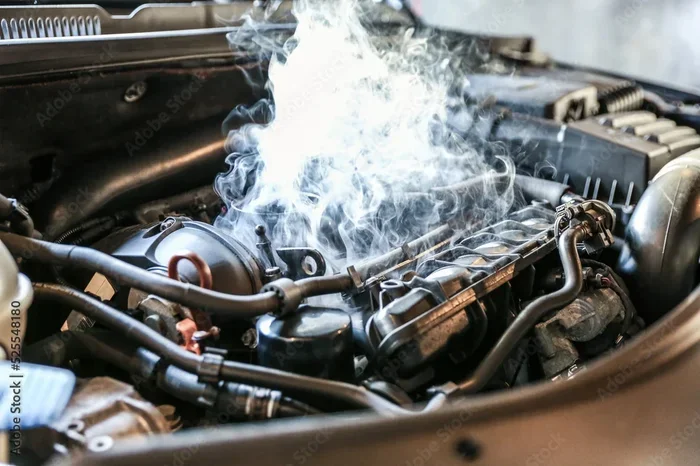
- Steam or smoke from the hood: This is a clear sign that the engine is overheating. Pull over safely and turn off the engine immediately.
- Strange engine noises: Knocking, ticking, or grinding sounds can indicate metal parts rubbing together without proper lubrication.
- Dark or gritty oil on the dipstick: Fresh oil is amber and translucent. Dark, sludgy oil means it is time for a change.
- Burning oil smell: You may smell oil burning inside the engine bay. This often means the oil has broken down and is no longer flowing correctly.
- Reduced engine performance: A sluggish engine, poor acceleration, or stalling can all be signs of oil-related overheating.
If you notice any of these signs, do not keep driving. Pull over in a safe location and let the engine cool down. Check the oil level with the dipstick. If the oil is low or looks dark and gritty, you need to address the problem right away.
Sometimes overheating is not just about oil. For example, a treadmill needs proper lubrication too. Just like a car engine, a treadmill belt can overheat if it is not lubricated regularly. You can learn more about what lubricants work for fitness equipment in our guide on What Can I Use To Oil My Treadmill. The same principle applies: proper lubrication prevents heat buildup and extends the life of the machine.
How Often Should You Change Your Oil?
The right oil change interval depends on several factors. Your driving habits, the type of oil you use, and your vehicle model all play a role.
Traditional vs. Synthetic Oil
Conventional or traditional oil typically needs to be changed every 3,000 to 5,000 miles. Synthetic oil lasts longer because it is engineered to resist thermal breakdown better. Many synthetic oils can go 7,500 to 10,000 miles between changes.
Some modern vehicles with synthetic oil can even go 15,000 miles between changes. But always check your owner’s manual. The manufacturer knows your engine best and will give you the safest recommendation.
Factors That Shorten Oil Life
Certain driving conditions cause oil to break down faster. You may need to change your oil more often if you:
- Drive in extreme heat or extreme cold.
- Frequently drive in stop-and-go traffic.
- Tow heavy loads or haul trailers.
- Drive on dusty or unpaved roads.
- Make very short trips where the engine does not fully warm up.
In these situations, the oil change interval should be shortened. It is better to change the oil a little early than to risk overheating and engine damage.
The Cost of Ignoring Oil Changes
Let us talk numbers. A routine oil change typically costs between 40 and 100 dollars, depending on your vehicle and the type of oil used. This is a small price to pay for protecting your engine.
Now compare that to the cost of an engine repair caused by overheating. A new engine can cost anywhere from 4,000 to 8,000 dollars or more. Even a rebuilt engine can run 2,500 to 4,000 dollars. The math is simple. Regular oil changes save you thousands of dollars in the long run.
Beyond the financial cost, there is the inconvenience factor. A broken-down engine means your car is out of commission. You may need to arrange alternative transportation. You might miss work or other important commitments. All of this is avoidable with proper engine maintenance.
Some people wonder if they can use alternative lubricants instead of proper motor oil. For instance, some wonder if olive oil or sewing machine oil works for engines. While these oils have their uses for other machines like fitness equipment, they are not suitable for car engines. If you are curious about what lubricants work for different machines, check out our article on Can I Use Olive Oil To Lubricate My Treadmill for more information on lubricant types.
Quick Tips to Prevent Overheating
Preventing engine overheating is much easier than fixing it. Here are some simple tips to keep your engine running cool and healthy:
- Follow the manufacturer’s oil change schedule: Do not skip or delay oil changes. Set a reminder on your phone or calendar.
- Check your oil level regularly: Once a month, pull out the dipstick and check the oil level. Top it off if needed.
- Watch for leaks: Look for oil spots under your parked car. Leaks reduce oil levels and can lead to overheating.
- Use the right oil type: Always use the oil weight and type recommended by your vehicle manufacturer.
- Replace the oil filter every time: A clean oil filter ensures proper oil flow and protects your engine.
- Monitor your temperature gauge: Keep an eye on your dashboard while driving. If the needle rises, pull over safely.
- Keep your cooling system in good shape: Check coolant levels and have the cooling system inspected regularly.
These habits take just a few minutes each month. They can add years to your engine’s life and save you from expensive repairs. Think of oil changes as health insurance for your car. A small investment now prevents big problems later.
Proper lubrication is also important for other machines in your life. If you maintain fitness equipment at home, proper oiling keeps everything running smoothly. For example, knowing where to put oil on a treadmill ensures the belt operates without excessive friction and heat. The same care you give your car engine applies to all your equipment.
Conclusion
So, can no oil change cause overheating? Absolutely. Skipping an oil change removes the protective layer that keeps your engine cool. Old oil degrades, loses its viscosity, and can no longer reduce friction or absorb heat. The result is an overheating engine that can suffer permanent damage.
The good news is that this problem is entirely preventable. A regular oil change is one of the easiest and most affordable forms of engine maintenance you can do. It takes less than an hour at most shops, and the cost is a fraction of what an engine repair would be.
Pay attention to the warning signs. Check your oil level regularly. Follow the recommended oil change interval for your vehicle. Your engine will run cooler, last longer, and perform better. Do not wait until the temperature gauge spikes or strange noises start. Take action now. Your engine will thank you.
Frequently Asked Questions
How long can you drive without an oil change before the engine overheats?
It depends on your vehicle, the type of oil, and driving conditions. In general, driving more than 1,000 miles past the recommended oil change interval starts to increase the risk of overheating. Old oil degrades faster under heavy use or extreme temperatures.
Can low oil cause overheating even if the oil is clean?
Yes. Low oil level means there is not enough oil to lubricate all engine parts. Even clean oil cannot protect the engine if there is not enough of it. Always check your oil level and top it off between changes.
What is the best oil to prevent engine overheating?
Synthetic oil is generally the best choice for preventing overheating. It resists thermal breakdown better than conventional oil and maintains its viscosity over a wider temperature range. Check your owner’s manual for the recommended oil type.
Does the oil filter affect overheating?
Yes, a clogged oil filter restricts oil flow. When oil cannot circulate properly, it does not reach all engine parts. This leads to increased friction, heat buildup, and eventually overheating. Always replace the oil filter with every oil change.
Can I use any lubricant for my car engine?
No. Car engines require specific motor oils formulated for high temperatures and pressures. Using the wrong lubricant can cause damage and overheating. Always use the oil type and weight recommended by your vehicle manufacturer.
What should I do if my engine overheats?
Pull over safely and turn off the engine immediately. Do not open the hood right away because steam can cause burns. Wait at least 15 to 20 minutes for the engine to cool. Then check the oil level and coolant level. Call a mechanic if you are unsure what to do next.