Can I Use the Rowing Machine While Pregnant

Can I use the rowing machine while pregnant? The short answer is yes — with your doctor’s approval, rowing during pregnancy can be a safe and effective low-impact workout. This guide covers prenatal exercise safety, trimester-specific tips, proper form, and when to stop. Always consult your healthcare provider before starting or continuing any pregnancy workout routine.
Staying active during pregnancy is one of the best things you can do for both you and your baby. But when you love your indoor rowing routine, it is natural to wonder whether it is still safe. The good news is that rowing during pregnancy can be a fantastic low-impact exercise option — as long as you take the right precautions.
So, can I use the rowing machine while pregnant? In most cases, yes. But the answer depends on your individual health, your pregnancy stage, and what your doctor recommends. This guide walks you through everything you need to know about exercise during pregnancy and how to keep your rowing sessions safe and effective.
Whether you are a seasoned rower or just starting out, understanding how your body changes during pregnancy helps you make smart decisions. Let us dive into the details so you can feel confident about your prenatal workout choices.
Key Takeaways
- Doctor approval is essential: Always get clearance from your healthcare provider before using a rowing machine while pregnant.
- Low-impact benefit: Rowing provides excellent cardiovascular fitness without putting heavy stress on your joints.
- Trimester adjustments matter: Your rowing routine should change as your pregnancy progresses to stay safe and comfortable.
- Watch for warning signs: Stop immediately if you feel dizziness, pain, or unusual symptoms while exercising.
- Proper form prevents injury: Using the correct technique reduces strain on your back and abdomen during pregnancy.
- Moderation is key: Keep intensity moderate and avoid overexertion throughout all stages of pregnancy.
📑 Table of Contents
- Is Rowing Safe During Pregnancy?
- How Your Body Changes During Pregnancy and What That Means for Rowing
- Proper Rowing Form During Pregnancy
- How Long and How Often Should You Row While Pregnant?
- When to Stop Rowing During Pregnancy
- Common Mistakes to Avoid When Rowing While Pregnant
- Expert Insights on Rowing and Pregnancy
- Frequently Asked Questions
- Final Thoughts
Is Rowing Safe During Pregnancy?
The short answer is that rowing while pregnant is generally safe for most women — but with important caveats. Is it safe to use the rowing machine while pregnant? Studies and medical guidelines suggest that moderate aerobic exercise during pregnancy offers real benefits. These include better mood, improved sleep, and even easier labor and recovery.
However, every pregnancy is different. What worked for you before conception may need to change now. The key is listening to your body and staying in close communication with your healthcare provider.
Why Rowing Is a Great Pregnancy Exercise
Low-impact cardiovascular fitness is one of the biggest reasons rowing shines during pregnancy. Unlike running or jumping exercises, rowing puts minimal stress on your joints. Your growing belly and changing center of gravity already challenge your balance, so protecting your knees and ankles matters.
Here are some reasons rowing works well for expectant mothers:
- Full-body engagement: Rowing works your arms, legs, back, and core all at once.
- Controlled environment: You are seated, which reduces fall risk compared to standing exercises.
- Adjustable intensity: You can easily dial up or dial down the resistance to match how you feel each day.
- Improved circulation: Gentle movement helps reduce swelling and boosts blood flow.
- Mental health boost: Exercise releases endorphins that help manage pregnancy stress and anxiety.
That said, prenatal fitness is not one-size-fits-all. If you have a high-risk pregnancy, placenta previa, or any complications, your doctor may advise against rowing or any vigorous exercise. Always get the green light first.
How Your Body Changes During Pregnancy and What That Means for Rowing
Understanding the physical changes of pregnancy helps you adjust your rowing workout safely. Your body goes through remarkable transformations, and each one affects how you exercise.
First Trimester: The Foundation Phase
During the first trimester, your body is just starting to adapt. Fatigue and nausea often peak, making it hard to maintain your normal routine. The good news is that rowing in early pregnancy is usually fine if you feel up to it.
Here is what to keep in mind:
- Listen to your energy levels: If you feel exhausted, scale back or take a rest day.
- Stay hydrated: Drink plenty of water before, during, and after your session.
- Avoid overheating: Row in a well-ventilated room and wear breathable clothing.
- Keep intensity moderate: You should be able to hold a conversation while rowing.
Most women can continue their pre-pregnancy rowing routine during the first trimester with minor adjustments. The goal is to maintain cardiovascular fitness without overdoing it.
Second Trimester: The Golden Window
The second trimester is often the most comfortable phase of pregnancy. Nausea typically fades, and energy returns. This is frequently the best time to maintain or even slightly increase your prenatal exercise routine.
However, your body is changing rapidly now. Your belly grows, your center of gravity shifts, and your joints loosen due to the hormone relaxin. These changes affect your rowing form and stability.
Key adjustments for the second trimester include:
- Widen your grip slightly: A wider handle position accommodates your growing belly.
- Reduce resistance: Lower the damper setting to avoid straining your core.
- Shorten your sessions: Aim for 20 to 30 minutes instead of longer workouts.
- Focus on form over speed: Slow, controlled strokes protect your back and pelvis.
Many women find that indoor rowing during this phase feels great because it is gentle on the body yet still challenging enough to keep you fit.
Third Trimester: Adapt and Protect
As your due date approaches, rowing becomes more about maintenance than intensity. Your body is preparing for labor, and comfort becomes the top priority.
During the third trimester, consider these changes:
- Reduce session length: Keep workouts to 15 to 20 minutes maximum.
- Use very low resistance: Gentle, easy strokes are the way to go.
- Watch your balance: The seat may feel different as your belly grows — be extra cautious getting on and off the machine.
- Stop if anything feels wrong: Any pain, shortness of breath, or unusual discomfort means you should stop immediately.
By this stage, many women naturally shift toward gentler pregnancy workouts. If rowing feels uncomfortable, it is perfectly okay to switch to walking, prenatal yoga, or swimming. Your body knows what it needs.
Proper Rowing Form During Pregnancy
Good form becomes even more important when you are pregnant. Your changing body is more vulnerable to strain, and proper technique helps you avoid injury while getting the most benefit from each stroke.
The Catch Phase
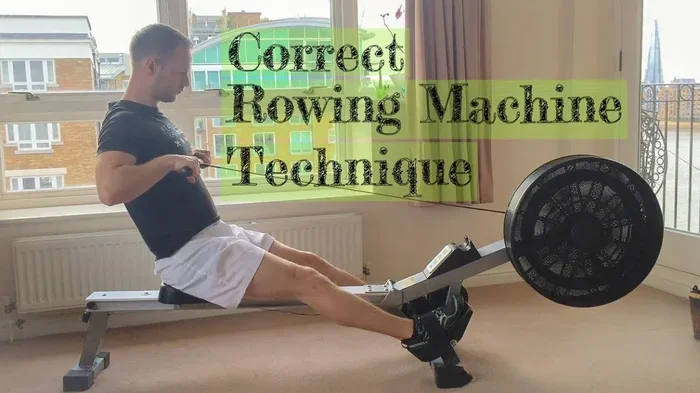
At the catch, you lean slightly forward with shins vertical. During pregnancy, avoid leaning too far forward, as this can put pressure on your abdomen and lower back. Keep the movement gentle and controlled.
The Drive Phase
The drive is where most of the power comes from. Push through your legs first, then lean back slightly, and finally pull the handle to your lower ribs. The key during pregnancy is to keep the motion smooth — no jerky movements. Avoid arching your back excessively, as your loosened joints are more prone to strain.
The Recovery Phase
The recovery is the return to the starting position. Move slowly and deliberately. This phase is actually where you catch your breath, so use it to reset and stay relaxed.
Quick Tips for Safe Rowing Form
- Keep your core gently engaged: Do not brace hard — think of it as light support, not a crunch.
- Relax your shoulders: Tension in the neck and shoulders increases during pregnancy.
- Breathe naturally: Never hold your breath during a stroke. Exhale on the drive and inhale on the recovery.
- Use a mirror or record yourself: Checking your form occasionally helps you stay aligned.
If you are unsure about your technique, consider booking a session with a certified rowing coach who has experience working with prenatal clients. Many gyms also offer how to use a rowing machine at the gym classes that can help you refine your form safely.
How Long and How Often Should You Row While Pregnant?
The question of how long should I use the rowing machine for during pregnancy has a flexible answer. The general guideline for exercise during pregnancy is about 150 minutes of moderate-intensity activity per week, spread across most days.
Here is a simple breakdown:
- Beginners: Start with 10 to 15 minutes, 3 days per week.
- Experienced rowers: Aim for 20 to 30 minutes, 4 to 5 days per week during the first and second trimesters.
- Third trimester: Reduce to 15 to 20 minutes, 3 to 4 days per week.
Remember that these are guidelines, not rules. Some days you will feel great and row longer. Other days, even 10 minutes feels like a win — and that is perfectly fine. The goal is consistency, not intensity.
For more specific guidance on duration, check out our detailed guide on how long you should use the rowing machine for tailored recommendations.
When to Stop Rowing During Pregnancy
Knowing when to pause or stop your rowing workout is just as important as knowing how to start safely. Your body sends clear signals when something is not right, and recognizing these signs protects both you and your baby.
Stop rowing immediately and contact your doctor if you experience any of the following:
- Vaginal bleeding or fluid leakage: These are serious warning signs that require immediate medical attention.
- Dizziness or fainting: Pregnancy can lower your blood pressure, and overexertion makes this worse.
- Chest pain or difficulty breathing: While shortness of breath is normal during pregnancy, sudden or severe breathing trouble is not.
- Headache that does not go away: Persistent headaches can signal high blood pressure or other complications.
- Calf pain or swelling: This could indicate a blood clot, which is a medical emergency.
- Decreased fetal movement: If you notice your baby moving less, stop exercising and contact your provider.
- Muscle weakness that affects balance: Your joints are looser during pregnancy, so any loss of coordination is a red flag.
Even if you feel fine overall, regular prenatal checkups help your doctor monitor how exercise during pregnancy is affecting you and your baby. Never hesitate to ask your healthcare provider about your prenatal workout routine at every visit.
Common Mistakes to Avoid When Rowing While Pregnant
Even with the best intentions, it is easy to make mistakes when exercising during pregnancy. Here are the most common ones to watch out for:
- Using too much resistance: High resistance puts unnecessary strain on your lower back and pelvis. Keep it light.
- Rounding your lower back: Poor posture during the drive phase can lead to back pain, which is already common during pregnancy.
- Ignoring fatigue: Pregnancy fatigue is real. Pushing through it can lead to overtraining and injury.
- Skipping warm-ups: Your muscles are more relaxed during pregnancy due to hormonal changes, so a proper warm-up is essential.
- Comparing to your pre-pregnancy performance: Your body is doing something incredible right now. Let go of previous benchmarks and focus on how you feel today.
Avoiding these pitfalls keeps your rowing routine enjoyable and safe throughout your pregnancy journey.
Expert Insights on Rowing and Pregnancy
We spoke with certified prenatal fitness specialists to get their take on indoor rowing during pregnancy. Here is what the experts recommend:
Dr. Sarah Mitchell, OB-GYN: “Moderate exercise like rowing is beneficial for most healthy pregnancies. The key is keeping intensity low to moderate and stopping the moment something feels off. I always tell my patients that staying active helps with labor, but safety always comes first.”
Lisa Chen, Certified Prenatal Fitness Coach: “Rowing is one of my top recommendations for pregnant clients because it is seated, low-impact, and adjustable. I always cue them to shorten their stroke as the belly grows and to focus on breathing. The mental health benefits are just as real as the physical ones.”
These expert insights reinforce what the research shows: with the right approach, rowing while pregnant can be a safe, effective, and enjoyable part of your prenatal fitness routine.
Frequently Asked Questions
Can I start rowing for the first time while pregnant?
If you are new to rowing, it is best to wait until after your first trimester and get explicit approval from your doctor. Starting any new pregnancy workout from scratch carries more risk than continuing an established routine. A certified instructor can also help you learn proper form safely.
Is rowing safe in the third trimester?
Rowing can be safe in the third trimester for most women, but you should reduce intensity, shorten sessions, and use very low resistance. Always listen to your body and stop if you feel any discomfort. Your doctor can give you personalized guidance based on your specific pregnancy.
What resistance level should I use on the rowing machine while pregnant?
Keep resistance at a low to moderate level. You should be able to row comfortably without holding your breath or straining. For more detailed guidance on what resistance should I use on a rowing machine, check out our dedicated article on machine settings for different fitness levels.
Can rowing help with pregnancy weight gain?
Rowing is a great way to maintain a healthy weight during pregnancy. It burns calories, builds endurance, and supports muscle tone. However, weight gain during pregnancy is normal and necessary. The goal is healthy management, not weight loss. Always discuss your prenatal exercise goals with your healthcare provider.
How does rowing compare to other exercises during pregnancy?
Rowing is a seated, low-impact exercise that engages the full body. Compared to running, it is much gentler on your joints. Compared to cycling, it works more of your upper body. If you are curious about alternatives, check out whether can I use the elliptical with a pulled groin or similar conditions for comparison with other cardio machines.
What should I wear when rowing while pregnant?
Wear breathable, moisture-wicking clothing that accommodates your growing belly. Supportive athletic shoes are important for stability on the machine. A well-fitted sports bra provides essential support as your body changes. Staying comfortable helps you focus on your cardiovascular fitness and enjoy the workout.
Final Thoughts
So, can I use the rowing machine while pregnant? Yes — in most healthy pregnancies, rowing is a safe and rewarding low-impact exercise that keeps you fit, strong, and mentally well. The key ingredients are doctor approval, proper form, appropriate intensity, and the willingness to adjust as your body changes.
Your pregnancy journey is unique, and your prenatal workout should reflect that. Some days you will row with energy and joy. Other days, rest will be the best choice you can make. Both are valid.
Stay consistent, stay safe, and celebrate what your body can do right now. Whether you are a seasoned rower or just exploring indoor rowing, this is a beautiful time to nurture your health and your growing baby. Keep rowing, keep moving, and keep thriving — one stroke at a time.