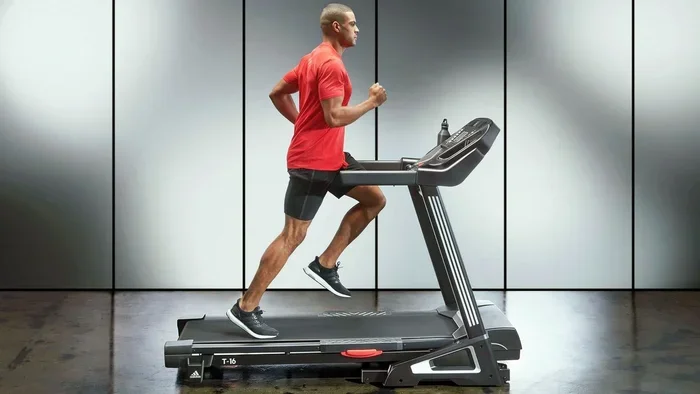
Can I Use Road Running Shoes on Treadmill

Yes, you can use road running shoes on a treadmill. Most runners find that their regular road shoes work perfectly fine for indoor treadmill sessions. The key differences between road shoes and other types of footwear come down to cushioning, outsole design, and flexibility, all of which affect your treadmill experience.
Many runners ask one simple question: can I use road running shoes on treadmill? The short answer is yes. You can absolutely use your favorite pair of road shoes for indoor treadmill sessions. But the full story is a bit more interesting than a simple yes or no.
Your choice of footwear affects comfort, performance, and even injury prevention. Whether you are a beginner just starting a running workout or a seasoned marathon trainer, understanding how your shoes interact with a treadmill belt helps you get the most out of every session. Let us break it all down.
Road running shoes are built for paved surfaces. They feature smooth outsoles, responsive cushioning, and a lightweight design. These traits make them a natural fit for treadmill use. The flat belt of a treadmill mimics the even surface of a road, so road running shoes feel familiar and comfortable.
Key Takeaways
- Road running shoes work great on treadmills: They are designed for flat, paved surfaces, which closely mimics a treadmill belt.
- Cushioning matters: Road shoes offer midsole cushioning that absorbs impact, protecting your joints during indoor runs.
- Outsole grip is different: Treadmill belts provide their own traction, so road shoe lugs are not always necessary.
- You can also use trail running shoes: If you want more stability, trail shoes can work too, but they may feel heavier.
- Comfort is personal: The best shoe depends on your foot shape, running style, and workout goals.
- Replace shoes regularly: Worn-out treads reduce support and increase injury risk on any surface.
📑 Table of Contents
- Why Road Running Shoes Work Well on Treadmills
- Road Shoes vs. Trail Shoes for Treadmill Use
- What to Look for in Road Running Shoes for Treadmill Training
- Common Mistakes Runners Make with Treadmill Shoes
- Can You Use Other Types of Shoes on a Treadmill?
- Expert Tips for Getting the Most from Your Treadmill Shoes
- Final Thoughts
Why Road Running Shoes Work Well on Treadmills
Road running shoes and treadmills are a natural pairing. Both are designed for flat, consistent surfaces. Here is why they work so well together.
Flat Outsole Design Matches Treadmill Belts
Road shoes have a relatively smooth outsole. Unlike trail running shoes, which have deep lugs for grip on dirt and rocks, road shoes keep things simple. This smooth rubber base glides easily on a treadmill belt without catching or dragging.
The outsole tread pattern on road shoes is minimal. It provides just enough grip to prevent slipping while still allowing a natural stride. Since a treadmill belt moves beneath your feet, you do not need aggressive traction. The belt itself handles the forward pull.
Cushioning Protects Your Joints During Indoor Runs
One of the biggest benefits of road running shoes is their cushioning. The midsole foam absorbs impact each time your foot strikes the belt. This is especially important for indoor running because treadmill surfaces are harder than outdoor tracks or grass.
Good cushioning reduces stress on your knees, hips, and ankles. If you plan to run long distances on a treadmill, this protection matters even more. Road shoes with responsive midsoles help you maintain running comfort mile after mile.
Lightweight Construction Boosts Performance
Road shoes are typically lighter than training or cross-training shoes. Less weight means less energy spent lifting your feet. On a treadmill, where the belt moves at a consistent pace, a lighter shoe lets you focus on running technique without extra fatigue.
Many modern road shoes use breathable mesh uppers. This keeps your feet cool during intense treadmill workouts. You stay comfortable even when the running speed picks up.
Road Shoes vs. Trail Shoes for Treadmill Use
Runners often wonder whether they should stick with road shoes or switch to something else. Let us compare the two options.
Key Differences at a Glance
Here is a quick comparison of road shoes and trail shoes on a treadmill:
- Outsole: Road shoes have smooth soles. Trail shoes have deeper lugs for grip on uneven terrain.
- Weight: Road shoes are lighter. Trail shoes are heavier due to reinforced materials.
- Cushioning: Road shoes focus on responsive cushioning. Trail shoes prioritize stability over softness.
- Flexibility: Road shoes bend easily with your foot. Trail shoes are stiffer to handle rough ground.
- Treadmill feel: Road shoes feel natural on a belt. Trail shoes may feel bulky and less responsive indoors.
If you are doing a regular treadmill session, road shoes are the better choice. However, if you want extra ankle support, trail shoes can work on a treadmill too. They just may not feel as natural. Some runners also ask, which is harder running on treadmill or road, and the answer often comes down to shoe choice and surface interaction.
What to Look for in Road Running Shoes for Treadmill Training
Not all road shoes are the same. When picking a pair for treadmill workouts, consider these factors.
Heel Drop and Support
Heel drop refers to the difference in height between the heel and the forefoot. Most road running shoes have a heel drop of 8 to 12 millimeters. This provides a comfortable, natural stride on a treadmill.
If you prefer a more minimalist feel, look for shoes with lower heel drops. These encourage a midfoot strike, which some runners find more efficient. However, if you are new to treadmill running, a standard heel drop offers more support and reduces the risk of strain.
Shoe Flexibility and Fit
A good treadmill shoe should flex at the forefoot. This allows your toes to push off naturally with each step. Stiff shoes can restrict movement and cause discomfort over time.
Try on shoes and do a few squats or toe raises. The shoe should bend easily without feeling loose. A snug but comfortable fit prevents blisters during longer running workouts.
Breathability and Moisture Control
Treadmill sessions can make your feet sweat. Shoes with breathable mesh uppers help manage moisture. This keeps your feet dry and reduces the chance of slipping inside the shoe.
Look for shoes with ventilation panels or engineered knit uppers. These features improve airflow and keep running comfort high, even during intense sessions.
Common Mistakes Runners Make with Treadmill Shoes
Even experienced runners make mistakes when choosing treadmill footwear. Here are a few to avoid.
Using Worn-Out Shoes
Running shoes lose cushioning and support over time. A worn-out pair can cause joint pain and poor running form. Most experts recommend replacing shoes every 300 to 500 miles. If your shoes look flattened or the tread is worn smooth, it is time for a new pair.
Choosing Shoes Meant for Other Activities
Cross-training shoes, basketball shoes, or casual sneakers are not ideal for treadmill running. They lack the specific cushioning and flexibility needed for repetitive indoor strides. Stick with dedicated road running shoes for the best results.
Ignoring Your Gait and Foot Type
Everyone’s feet are different. Some runners overpronate, while others have neutral gaits. Choosing shoes without considering your foot type can lead to discomfort or injury. Visit a running store for a gait analysis if you are unsure what works best for you.
Can You Use Other Types of Shoes on a Treadmill?
Runners often experiment with different shoes for treadmill sessions. Here are a few alternatives and how they compare.
Barefoot or Minimalist Shoes
Some runners prefer minimalist or barefoot-style shoes on the treadmill. These shoes have thin soles and zero drop, which encourages a natural stride. They can strengthen foot muscles over time. However, they offer less cushioning, so they are best suited for shorter, slower sessions.
Walking Shoes
Walking shoes can work for low-intensity treadmill walks. They provide decent support and are comfortable for casual use. But for running, they usually lack the responsive cushioning and flexibility that road running shoes offer.
Cross-Training Shoes
Cross-trainers are versatile. They handle lateral movements well, which makes them great for gym workouts. But on a treadmill, they tend to be heavier and less flexible. They are not ideal for running sessions, though they work fine for walking or incline drills.
Expert Tips for Getting the Most from Your Treadmill Shoes
Want to extend the life of your shoes and improve your treadmill sessions? Follow these expert tips.
- Use shoes only for treadmill or road running. Wearing them for casual use or gym workouts wears out the cushioning faster.
- Clean your shoes regularly. Wipe off dirt and sweat after each session to keep the materials in good condition.
- Alternate between two pairs. Giving shoes time to dry out between runs helps maintain their shape and support.
- Check the tread often. Smooth treads reduce grip on the treadmill belt and increase slipping risk.
- Replace insoles if needed. After months of use, insoles compress and lose their shock-absorbing properties.
- Match your shoe to your workout. Use cushioned shoes for long runs and lighter shoes for speed work.
These simple habits keep your running shoes for treadmill sessions in top shape. They also protect your feet and joints from unnecessary stress.
Final Thoughts
So, can I use road running shoes on treadmill? Absolutely. Road running shoes are one of the best choices for treadmill training. They offer the right mix of cushioning, support, flexibility, and lightweight comfort. Whether you are walking, jogging, or sprinting, a good pair of road shoes gets the job done.
The key is to choose shoes that fit well, match your foot type, and suit your workout intensity. Avoid worn-out pairs and resist the temptation to use random sneakers for serious treadmill sessions. Your feet will thank you.
If you enjoy mixing up your indoor and outdoor routines, you might also wonder if you can do long runs on a treadmill or whether a treadmill works for 5K training. The answer is yes in both cases, and a solid pair of road shoes makes either scenario even better.
Invest in quality footwear, take care of it, and enjoy every treadmill session. Happy running!
Frequently Asked Questions
Can I use road running shoes on a treadmill every day?
Yes, you can use road running shoes on a treadmill every day. However, rotating between two pairs helps extend the life of the shoes. Daily use wears out cushioning faster, so inspect your shoes regularly for signs of wear.
Are road running shoes better than walking shoes for treadmill workouts?
Yes, road running shoes are better for running on a treadmill. Walking shoes lack the responsive cushioning and flexibility needed for repetitive running strides. If you walk only, a walking shoe works fine, but for running, choose a dedicated road shoe.
Do I need special shoes for treadmill running?
You do not need special shoes. Standard road running shoes work perfectly well on treadmills. They provide the cushioning, grip, and support your feet need for indoor running. Only consider specialty shoes if you have specific foot conditions or training goals.
Can I use worn-out running shoes on a treadmill?
You should not use worn-out running shoes on a treadmill. Worn treads reduce grip and cushioning, which increases injury risk. Replace shoes when the midsole feels flat or the outsole tread is smooth. Most shoes last 300 to 500 miles of use.
What is the difference between road shoes and treadmill-specific shoes?
The difference is minimal. Treadmill-specific shoes are essentially road shoes with slight design tweaks. They focus on flat-surface cushioning and smooth outsoles. In most cases, a standard pair of road running shoes performs just as well on a treadmill belt.
How often should I replace my road running shoes used on a treadmill?
Replace your shoes every 300 to 500 miles, or roughly every 6 to 12 months with regular use. Treadmill running can wear down cushioning faster than outdoor running because the belt offers less natural give. Watch for visible wear and pay attention to any discomfort during runs.