Baked Potatoes in Oven at 350 How Long to Bake Them
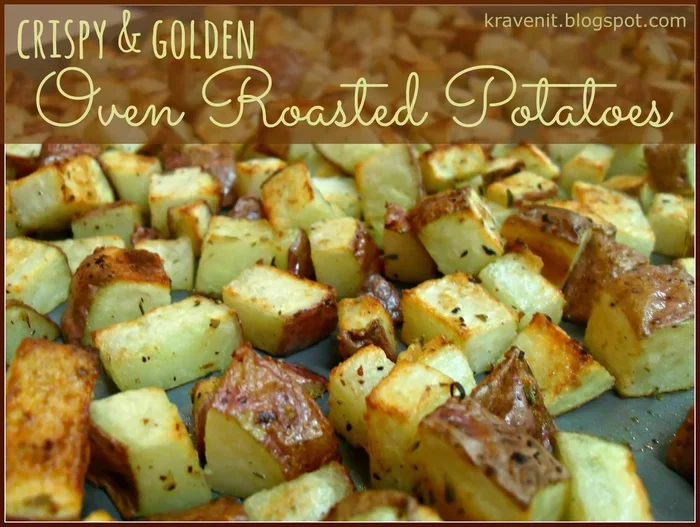
Baking potatoes at 350°F typically takes 45 to 60 minutes, depending on size and whether you prep them beforehand. This guide covers everything you need to know about baked potatoes in oven at 350, including timing, temperature tips, and how to get that perfect crispy skin every single time.
There is something deeply satisfying about a baked potato in oven at 350. It is simple, comforting, and incredibly versatile. Whether you are meal prepping for the week or planning a hearty dinner, knowing exactly how long to bake your potatoes makes all the difference.
Many people wonder about the right baked potato oven time and temperature. Some swear by higher heat for faster results. Others prefer a slower, lower bake for maximum fluffiness. The truth is, 350°F is the sweet spot for most cooks. It strikes a perfect balance between crispy skin and a tender, fluffy interior.
In this guide, we will walk you through everything you need to know. From choosing the right potato to knowing exactly when it is done, you will find all the answers here. Let us get into it.
Key Takeaways
- Standard baking time: Most potatoes take 45 to 60 minutes at 350°F to cook through completely.
- Size matters: Larger potatoes need more time, while smaller ones may be done in 35 to 45 minutes.
- Prep makes a difference: Wrapping in foil, oiling the skin, and salting before baking all affect the result.
- Don’t skip the fork test: A simple poke ensures your potato is baked through with no hard centers.
- Resting is important: Letting the potato sit for a few minutes after baking helps the interior set.
- Pair with post-workout meals: Baked potatoes make a great recovery food after a kettlebell session or any intense workout.
📑 Table of Contents
- Why 350°F Is the Ideal Temperature for Baked Potatoes
- How Long to Bake Potatoes at 350 Degrees
- Step-by-Step Guide to Baking Potatoes at 350°F
- Common Mistakes to Avoid When Baking Potatoes
- Perfect Toppings for Your Baked Potato
- Can You Meal Prep Baked Potatoes?
- Expert Tips for the Best Baked Potatoes
- Frequently Asked Questions
- Final Thoughts
Why 350°F Is the Ideal Temperature for Baked Potatoes
You might wonder why 350°F is the go-to temperature. It is not too hot and not too low. At this temperature, the potato cooks evenly from edge to center. The skin gets crispy without burning, and the inside turns soft and fluffy.
Higher temperatures like 400°F or 425°F can work too. They speed up the process. But they also risk burning the outside before the inside is fully cooked. Lower temperatures save the skin but leave you waiting much longer.
350°F gives you a reliable, consistent result every time. It is the temperature most chefs and home cooks trust. If you are new to baking potatoes, start here. You can always experiment with other temperatures later.
What Happens Inside the Potato at 350°F
When you place a potato in a 350°F oven, several things happen. The heat slowly penetrates the skin. Moisture inside the potato turns to steam. This steam helps cook the interior from within. Meanwhile, the starch in the potato begins to gelatinize. This is what gives baked potatoes their fluffy, creamy texture.
The Maillard reaction also plays a role. This is the chemical process that browns the skin. It creates that delicious, slightly crispy exterior we all love. At 350°F, this reaction happens at a steady, controlled pace. The result is golden, flavorful skin without any burnt bits.
How Long to Bake Potatoes at 350 Degrees
This is the big question. How long does a potato actually need in the oven at 350°F? The answer depends on a few factors. Let us break it down.
Baking Time by Potato Size
The size of your potato is the biggest variable. Here is a general guide:
- Small potatoes (under 5 oz): 30 to 40 minutes
- Medium potatoes (5 to 8 oz): 40 to 50 minutes
- Large potatoes (over 8 oz): 50 to 65 minutes
- Extra-large potatoes (over 10 oz): 60 to 75 minutes
These times assume a standard oven preheated to 350°F. They also assume you have not wrapped the potato in foil. Foil traps moisture and can add 10 to 15 minutes to the bake time.
How to Tell When a Baked Potato Is Done
Timing is a guide, not a guarantee. Ovens vary. Potatoes vary. So how do you know for sure? Here are the best ways to check:
- Fork test: Push a fork into the center. It should slide in with no resistance.
- Squeeze test: Carefully squeeze the sides. A done potato feels soft and gives slightly.
- Internal temperature: Use a meat thermometer. The center should read 210°F to 212°F.
- Skin check: The skin should feel wrinkled and crispy.
If you are unsure, give it an extra 5 to 10 minutes. It is always better to overbake slightly than to serve a hard, undercooked potato.
Step-by-Step Guide to Baking Potatoes at 350°F
Now that you know the time and temperature, let us walk through the process. Follow these steps for perfect results every time.
Step 1: Choose the Right Potato
Not all potatoes are created equal for baking. Russet potatoes are the classic choice. They have thick skin and high starch content. This combination gives you crispy skin and fluffy flesh. Yukon Gold potatoes work well too, though they have a waxier texture. Red potatoes can work but tend to stay denser.
Look for potatoes that are firm and free of sprouts or soft spots. Larger, uniform shapes bake more evenly. Wash them well and pat them completely dry before seasoning.
Step 2: Prep the Potato
Start by poking several holes in each potato with a fork. This step is essential. It lets steam escape during baking. Without these holes, the potato can burst in the oven.
Next, rub the skin with a thin layer of olive oil. This helps crisp the skin and adds flavor. Sprinkle coarse salt over the oil. You can also add black pepper, garlic powder, or paprika for extra flavor.
Some people wrap their potatoes in foil. This keeps moisture in and speeds up cooking slightly. But foil also steams the skin, which prevents crispiness. For the best texture, skip the foil.
Step 3: Place in the Oven
Put the potatoes directly on the oven rack. Place a baking sheet on the rack below to catch any drips. If you prefer, you can put them on a parchment-lined baking sheet. But the oven rack method allows air to circulate all around the potato for more even cooking.
Set your timer for the minimum time based on size. Start checking at the earlier end of the range. Most potatoes will be done within the 45 to 60 minute window at 350°F.
Step 4: Rest and Serve
Once the potato passes the fork test, remove it from the oven. Let it rest for 5 to 10 minutes. This resting period allows the interior to set. It also makes the potato safer to handle.
To serve, make a lengthwise slit in the top. Squeeze the ends gently to open the potato. Fluff the inside with a fork. Add your favorite toppings and enjoy.
Common Mistakes to Avoid When Baking Potatoes
Even experienced cooks make mistakes with baked potatoes. Here are the most common ones and how to avoid them.
Skipping the Poke Holes
This is the number one mistake. Skipping the fork holes can cause the potato to explode in your oven. Steam builds up inside with nowhere to go. The result is a messy cleanup and a potato that is not fully cooked. Always poke at least 6 to 8 holes in each potato.
Using Too Much Oil
A thin layer of oil is all you need. Too much oil makes the skin greasy instead of crispy. It can also cause the salt to slide off. A light drizzle and a good rub with your hands is perfect.
Wrapping in Foil Without Reason
Foil is not always bad. Some people use it to speed up cooking. But if you want crispy skin, skip the foil. The steam trapped under the foil softens the skin. If you prefer soft, steamed skin, foil is fine. Just know it changes the texture.
Not Preheating the Oven
Always preheat your oven to 350°F before putting the potatoes in. A cold start leads to uneven cooking. The outside may burn before the inside is done. Give your oven at least 10 to 15 minutes to reach the right temperature.
Overcrowding the Pan
Give each potato space. Overcrowding blocks airflow and leads to uneven baking. If you are baking multiple potatoes, use a larger sheet or rotate them halfway through cooking.
Perfect Toppings for Your Baked Potato
Once your baked potatoes in oven at 350 are ready, the fun part begins: toppings. A great baked potato is a blank canvas. Here are some classic and creative ideas:
- Butter and sour cream: The timeless classic. Simple and satisfying.
- Chili and cheese: Turn your potato into a hearty meal.
- Broccoli and cheddar: A nutritious and delicious combo.
- Pulled pork or BBQ: Great for a barbecue themed dinner.
- Greek yogurt and herbs: A lighter, tangy option.
- Steak and mushrooms: Perfect after a long rowing machine session or any intense workout.
Baked potatoes also make an excellent post-workout meal. They are packed with complex carbohydrates that help replenish glycogen stores. After a tough bike workout or strength training session, a loaded baked potato can be exactly what your body needs to recover.
Can You Meal Prep Baked Potatoes?
Yes! Baked potatoes are one of the best meal prep foods. You can bake a batch at the start of the week and reheat them throughout the week. Here is how to do it right.
Bake your potatoes at 350°F as usual. Let them cool completely. Wrap each one individually in foil or plastic wrap. Store them in the refrigerator for up to 5 days.
To reheat, wrap the potato in foil and place it in the oven at 350°F for 15 to 20 minutes. You can also microwave it, but the oven method keeps the skin crispier. Avoid reheating more than once for the best texture and food safety.
Freezing Baked Potatoes
You can also freeze baked potatoes. After baking and cooling, wrap tightly in plastic wrap and then in foil. Freeze for up to 3 months. Reheat in the oven at 350°F wrapped in foil for about 25 to 30 minutes. Remove the foil for the last 5 minutes to re-crisp the skin.
Expert Tips for the Best Baked Potatoes
Want to take your baked potatoes to the next level? Here are some pro tips that make a real difference:
- Soak cut potatoes in cold water before baking if you are making wedges. This removes excess starch and helps them get extra crispy.
- Choose potatoes of similar size so they all finish at the same time.
- Flip the potatoes halfway through baking for more even browning on all sides.
- Let potatoes come to room temperature before putting them in the oven. This reduces cooking time slightly and promotes more even baking.
- Use a wire rack instead of placing potatoes directly on a pan. Airflow underneath helps the skin crisp up evenly.
- After baking, microwave for 30 seconds if you want extra fluffy insides. This is a restaurant trick that works great at home.
Many people ask whether baked potatoes are healthy. The answer is yes. A plain baked potato is naturally low in fat and high in potassium and vitamin C. It is a whole food that provides sustained energy. It is a much better choice than processed snacks or fried potatoes. The toppings you choose can change the nutritional profile, so keep that in mind.
Baked potatoes also pair well with many dietary plans. They fit into low-carb diets when eaten in moderation. They work well for high-protein diets when topped with lean meats. They are naturally gluten-free and dairy-free when served without cheese or cream-based toppings.
After a home dumbbell workout or any fitness session, a baked potato can serve as a satisfying recovery meal. The complex carbs help restore energy, and the protein from toppings supports muscle repair.
Frequently Asked Questions
Can I bake potatoes at 350°F and 400°F?
Yes, you can bake potatoes at either temperature. At 350°F, expect a slower, more even bake that takes 45 to 60 minutes. At 400°F, the potatoes will bake faster, typically in 35 to 50 minutes, but the skin may brown more quickly. Both temperatures produce great results, but 350°F is more forgiving and easier to monitor.
Do I need to wrap potatoes in foil to bake them?
No, wrapping potatoes in foil is optional. Foil traps moisture and speeds up cooking slightly, but it also softens the skin. For crispy skin, skip the foil and place potatoes directly on the oven rack. The skin will crisp up beautifully without it.
How long do baked potatoes last in the fridge?
Baked potatoes stored in the fridge last up to 5 days. Wrap them tightly in foil or plastic wrap and store them in an airtight container. Always reheat them thoroughly before eating. If you notice any off smell or mold, discard the potato immediately.
Can I bake potatoes the night before?
Yes, you can bake potatoes ahead of time. Bake them fully, let them cool, and store them in the refrigerator. Reheat them in the oven at 350°F for 15 to 20 minutes before serving. This method works great for meal prep and entertaining guests.
Why is my baked potato still hard in the middle?
A hard center usually means the potato was not baked long enough or the oven temperature was too low. Make sure your oven is fully preheated to 350°F. Also, check the size of your potato. Larger potatoes need more time. Use the fork test to confirm doneness before serving.
What is the best type of potato for baking?
Russet potatoes are the best choice for baking. They have thick skin, high starch content, and a fluffy texture when cooked. Yukon Gold potatoes are a good alternative with a creamier texture. Avoid waxy potatoes like red or new potatoes for baking, as they tend to stay dense and moist.
Final Thoughts
Baking potatoes in the oven at 350°F is one of the simplest and most rewarding cooking skills you can learn. The baked potatoes in oven at 350 how long question has a straightforward answer: 45 to 60 minutes for most potatoes. But the real magic is in the details. The prep, the seasoning, the resting, and the toppings all come together to create something truly special.
Now that you know the time, temperature, and technique, you are ready to bake perfect potatoes every time. Start with the basics. Experiment with toppings. Find your favorite method. Once you master the 350°F bake, you will never go back to microwaved potatoes again.
So preheat that oven, grab some russets, and enjoy the process. A perfect baked potato is waiting for you. Happy baking!