Automatic Car Wash Equipment Cost
Automatic car wash equipment cost varies widely depending on the type of system you choose. A basic self-service bay starts around $15,000, while a full tunnel system can exceed $500,000. Understanding the automatic car wash equipment cost helps you plan your budget and avoid costly surprises.
Starting a car wash business is exciting. But one question always comes up first: how much does it really cost? The automatic car wash equipment cost can range from a few thousand dollars to several hundred thousand. That wide range might feel overwhelming at first. But once you break it down, everything starts to make sense.
Whether you are planning a small self-service bay or a full-service tunnel, knowing your numbers is essential. This guide walks you through every major cost factor. You will learn about equipment types, installation expenses, and hidden fees most people overlook. By the end, you will have a clear picture of what to expect.
The good news? You do not need a massive budget to get started. Many successful car wash owners began with modest setups and scaled up over time. Let us dive into the details of automatic car wash equipment cost so you can make a smart investment.
Key Takeaways
- Equipment type drives price: Touchless, brush, and tunnel systems each have different price ranges and operating costs.
- Installation adds 10-20%: Site preparation, plumbing, and electrical work significantly impact your total investment.
- Operating costs matter long-term: Water, electricity, and maintenance expenses affect your monthly budget.
- Financing options exist: Many suppliers offer payment plans to spread out the automatic car wash equipment cost.
- ROI varies by location: High-traffic areas recover equipment costs faster than rural locations.
- Brand reputation counts: Established brands may cost more upfront but offer better reliability and support.
📑 Table of Contents
- Understanding Automatic Car Wash Equipment Cost
- Breaking Down the Cost by Equipment Type
- Key Factors That Affect Automatic Car Wash Equipment Cost
- How to Budget for Your Automatic Car Wash
- Is Investing in Automatic Car Wash Equipment Worth It?
- Common Mistakes to Avoid When Planning Equipment Costs
- Final Thoughts on Automatic Car Wash Equipment Cost
Understanding Automatic Car Wash Equipment Cost
The automatic car wash equipment cost depends on several factors. The type of system you choose is the biggest one. Other factors include your location, site preparation needs, and the brand you select. Let us look at each of these in detail.
Why Equipment Type Matters So Much
Not all car wash systems are created equal. A basic self-service coin-op machine costs far less than a full automated tunnel. Here is a quick look at the main types:
- Self-Service Bays: These let customers wash their own cars using coin-operated machines. They are the most affordable option.
- In-Bay Automatic Systems: These are stand-alone units where the machine moves around a parked car. They cost more than self-service but less than tunnels.
- Tunnel Car Wash Systems: These are the big ones. Cars move on a conveyor through a full wash tunnel. They offer the highest throughput but come with the highest price tag.
- Touchless Systems: These use high-pressure water and chemicals without any brushes. They cost more than brush systems but are gentler on vehicles.
Each type serves a different market. Your choice should match your target customers and your available space. The automatic car wash equipment cost for a self-service bay is very different from what a tunnel system demands.
How Location Affects Your Total Investment
Where you build your car wash matters a lot. Urban locations with high foot traffic attract more customers. But they also come with higher land costs and stricter regulations. Rural areas are cheaper to set up but may not generate enough volume to justify a large investment.
Site preparation is another hidden cost. You may need to clear land, pour concrete, or install drainage systems. These expenses can add 10 to 20 percent to your total automatic car wash equipment cost. Always budget for site work before you sign any equipment contracts.
Breaking Down the Cost by Equipment Type
Now let us get into the numbers. Understanding what each type of system costs helps you plan your budget with confidence.
Self-Service Car Wash Equipment Cost
Self-service bays are the most popular entry point for new car wash owners. A single self-service bay typically costs between $15,000 and $50,000. This includes the washing machine, the coin mechanism, and basic plumbing connections.
Here is what you usually get in this price range:
- High-pressure water pump and hose reels
- Soap and wax dispensing systems
- Coin or card payment terminals
- Basic water recycling components
- Customer-facing control panels
Many owners start with one or two bays and expand as demand grows. This approach keeps your initial automatic car wash equipment cost manageable while you test the market.
In-Bay Automatic System Costs
In-bay automatic systems sit in a single bay and move around a stationary car. These systems cost between $75,000 and $200,000. They offer a great balance of automation and affordability.
What drives the price up compared to self-service?
- More advanced pump and motor systems
- Automated chemical dosing
- Richer foam and brush applications
- More sophisticated control software
- Higher water recycling standards
In-bay systems often pay for themselves within two to four years, depending on location and traffic. The automatic car wash equipment cost is higher upfront, but the revenue potential is strong too.
Tunnel Car Wash System Prices
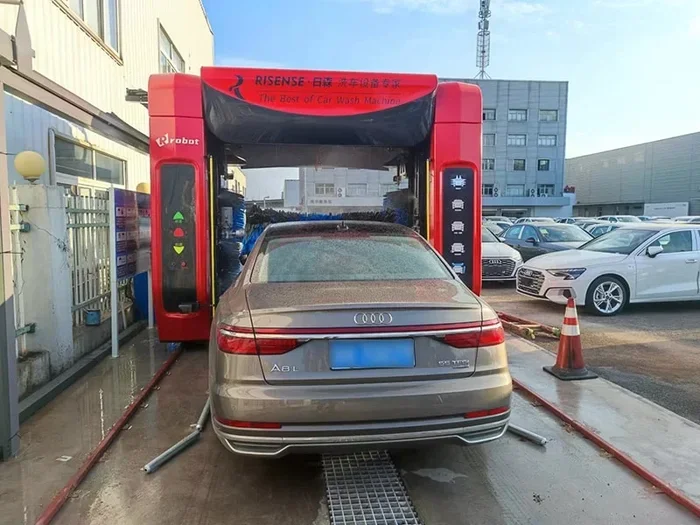
Tunnel systems are the most expensive option. A basic conveyor tunnel starts around $300,000. Full-featured, high-speed tunnels can cost $1 million or more. These systems include everything from conveyor belts to drying blowers to sophisticated water treatment systems.
Here is what a full tunnel setup typically includes:
- Conveyor system with tire drivers
- Multiple wash stations (pre-soak, foam, brush, rinse, wax, dry)
- Water reclamation and treatment systems
- High-capacity water heating equipment
- Advanced point-of-sale and payment systems
- Building and canopy structure
Tunnel systems require significant space and infrastructure. They are best suited for high-traffic locations with strong demand. The automatic car wash equipment cost for a tunnel is a serious investment, but the returns can be substantial when placed correctly.
Key Factors That Affect Automatic Car Wash Equipment Cost
Beyond the type of system, several other factors influence your final price tag. Understanding these helps you avoid surprises and negotiate better deals.
Brand and Manufacturer
Not all equipment brands are equal. Well-known manufacturers like PDT, Istobal, and WashTec charge premium prices. Their equipment tends to be more reliable and comes with better support. Lesser-known brands may offer lower upfront costs but could cost more in repairs over time.
Think of it this way. You might save money buying a cheaper treadmill, but if it breaks down constantly, the automatic car wash equipment cost of ownership goes up. The same principle applies here. Investing in a reputable brand often pays off through fewer breakdowns and lower maintenance bills.
New vs. Used Equipment
Buying used equipment can cut your initial costs by 30 to 50 percent. Many car wash businesses sell their used systems when they upgrade or close down. Used self-service bays can be found for $8,000 to $25,000. Used in-bay systems might cost $40,000 to $100,000.
However, used equipment comes with risks. You may not get a warranty. Older machines use more water and electricity. And finding replacement parts can be challenging. Always have a professional inspect any used equipment before you buy.
Water and Electricity Costs
Operating costs are a big part of the total picture. Water usage varies by system type. A tunnel wash uses about 15 to 30 gallons per vehicle. Self-service bays use around 15 to 25 gallons. Touchless systems can use even more water if not properly optimized.
Electricity costs also add up. The pumps, motors, heaters, and lighting all draw power. In fact, the electricity cost to run a car wash can be compared to other equipment-intensive businesses. For reference, the electricity cost for running heavy-duty equipment like a treadmill can give you a sense of how utility costs scale with motorized equipment.
Maintenance and Repair Expenses
All equipment needs maintenance. Car wash systems are no exception. Brushes wear out. Pumps fail. Chemical systems need cleaning. Budget around 5 to 10 percent of your equipment cost annually for maintenance.
Just like any heavy-duty machine, regular upkeep prevents expensive breakdowns. For example, the cost to maintain and repair motorized equipment follows a similar pattern across industries. Regular maintenance on a treadmill or similar machine keeps it running smoothly and extends its lifespan.
How to Budget for Your Automatic Car Wash
Setting a realistic budget is one of the most important steps. A clear plan helps you avoid overspending and keeps your project on track.
Creating a Realistic Cost Breakdown
Start by listing every expense category. Here is a simple framework:
- Equipment purchase: This is your largest expense. It includes the wash system, payment terminals, and control software.
- Site preparation: Land clearing, concrete work, plumbing, and electrical installation.
- Building and canopy: If your system needs a structure, this adds significant cost.
- Permits and licenses: Local permits can cost anywhere from $1,000 to $10,000.
- Water treatment systems: Required in many areas and can cost $10,000 to $50,000.
- Marketing and signage: Plan at least $5,000 to $15,000 for initial marketing.
- Working capital: Keep three to six months of operating expenses in reserve.
When you add all these up, your total startup cost will be 1.5 to 2.5 times your equipment price alone. Many new owners underestimate this multiplier. Planning for it from the start saves you from cash flow problems later.
Financing Options for Car Wash Equipment
You do not always need to pay everything upfront. Many equipment suppliers offer financing options. Here are some common paths:
- Equipment Loans: Banks and credit unions offer loans specifically for business equipment. Rates typically range from 5 to 10 percent.
- Seller Financing: Some equipment manufacturers offer their own financing. This can be easier to qualify for than a bank loan.
- Equipment Leasing: Leasing lets you use the equipment for a monthly fee. At the end of the lease, you may have the option to buy.
- Small Business Administration (SBA) Loans: These government-backed loans offer favorable terms for qualifying businesses.
Each option has pros and cons. Leasing keeps your upfront costs low but costs more over time. Buying outright saves money long-term but requires more capital. Choose the option that fits your financial situation and your business goals.
Is Investing in Automatic Car Wash Equipment Worth It?
This is the question every aspiring car wash owner asks. The answer depends on your goals, your location, and your budget. But the data is encouraging.
The car wash industry generates over $15 billion in revenue annually in the United States. Automatic car washes are among the most profitable segments. A well-run automatic car wash can generate $300,000 to $1 million in annual revenue, depending on the system type and location.
Here is why many owners find the investment worthwhile:
- High repeat business: Car owners come back every week or two.
- Low labor costs: Automated systems require fewer staff than hand-wash operations.
- Scalable revenue: You can add bays or upgrade equipment as your business grows.
- Strong demand: Car washing is a consistent need regardless of economic conditions.
The automatic car wash equipment cost is significant. But when paired with the right location and solid operations, it can deliver strong returns. Many owners recover their investment within three to five years.
Think of your car wash equipment like any major business investment. Just as you would research the cost of a quality treadmill before buying one for a gym, you should research car wash systems thoroughly. The upfront cost matters, but the long-term value matters more.
Common Mistakes to Avoid When Planning Equipment Costs
Even experienced business owners make mistakes when estimating equipment costs. Here are the most common ones to watch out for.
- Underestimating installation costs: Plumbing, electrical, and site work often cost more than expected. Always add a 20 percent buffer.
- Choosing the cheapest option: Low-cost equipment may seem attractive but can lead to frequent repairs and higher operating costs.
- Ignoring water treatment requirements: Many municipalities require water recycling systems. Failing to plan for this can delay your opening.
- Skipping the business plan: A solid business plan helps you secure financing and set realistic revenue expectations.
- Not accounting for seasonal variation: Car wash traffic drops in winter months in many regions. Plan your cash flow accordingly.
Avoiding these mistakes keeps your project on budget and on schedule. The more prepared you are, the smoother your launch will be.
Final Thoughts on Automatic Car Wash Equipment Cost
The automatic car wash equipment cost is a big investment. But it is also a gateway to a profitable and resilient business. From self-service bays to full tunnel systems, there is an option for every budget and market.
Start by understanding the different equipment types and their price ranges. Factor in installation, site preparation, and operating costs. Choose a reputable brand and plan for ongoing maintenance. With the right approach, your car wash can become a steady income source for years to come.
The key is to do your homework before you spend a dollar. Know your numbers. Know your market. And choose equipment that fits your goals. A well-planned investment in automatic car wash equipment can pay off handsomely.
Frequently Asked Questions
What is the average automatic car wash equipment cost for a small business?
For a small self-service setup, expect to spend between $15,000 and $50,000. In-bay automatic systems range from $75,000 to $200,000. Your total startup cost will be higher once you include site preparation, permits, and working capital.
Can I reduce the automatic car wash equipment cost by buying used?
Yes, buying used equipment can save you 30 to 50 percent. However, used machines may need more repairs and use more resources. Always have a professional inspect the equipment and check for available parts and warranty coverage.
How long does it take to recover the automatic car wash equipment cost?
Most car wash owners recover their investment within three to five years. Self-service bays tend to pay back faster due to lower upfront costs. Tunnel systems take longer to recoup but generate higher overall revenue.
What are the hidden costs of automatic car wash equipment?
Hidden costs include site preparation, water treatment systems, permits, insurance, and ongoing maintenance. Many new owners also underestimate utility costs. Water and electricity expenses can add thousands of dollars annually to your operating budget.
Does the automatic car wash equipment cost include installation?
Usually not. Equipment prices typically cover the machines and basic components. Installation, plumbing, electrical work, and site preparation are separate expenses. Always ask your supplier for a detailed breakdown of what is included and what is not.
Which type of automatic car wash system offers the best return on investment?
In-bay automatic systems often offer the best balance of cost and revenue for most locations. They are more affordable than tunnels and more automated than self-service bays. However, the best ROI depends on your local market, traffic volume, and competition.