Are You Supposed to Hold onto the Treadmill
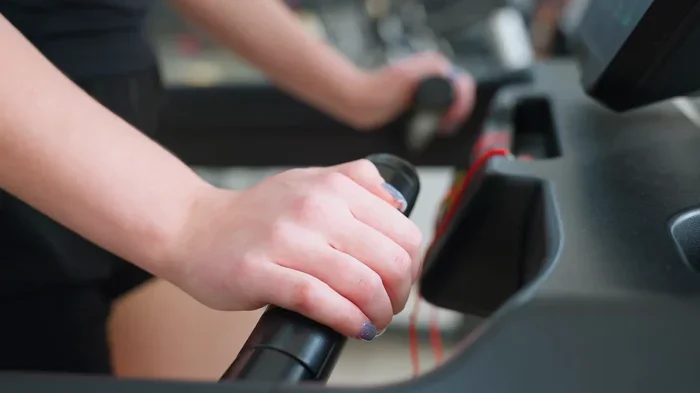
Are you supposed to hold onto the treadmill? The short answer is: not usually. Holding the handrails can change your running form, reduce calorie burn, and even cause injury. Most fitness experts recommend letting go and using proper treadmill form for the best results.
You hop on the treadmill, start walking, and instinctively grab the handles. It feels safe. It feels natural. But here’s the thing — holding onto the treadmill might actually be hurting your workout more than helping it. Whether you’re a beginner or a seasoned runner, this habit is worth examining.
In this guide, we’ll break down everything you need to know about treadmill handrail use. We’ll cover why you should let go, when it’s okay to hold on, and how proper treadmill form can level up your fitness game. Let’s dive in.
Key Takeaways
- Don’t hold the handles: It throws off your posture and reduces the effectiveness of your workout.
- Proper treadmill form engages your core, arms, and legs naturally.
- Holding the bar can cause injury by placing stress on your shoulders, neck, and wrists.
- Use the handles only when needed for balance, such as when getting on or off.
- Letting go improves balance and helps you burn more calories during your cardio session.
- Start slow if you’re new to treadmill running to build confidence without gripping the rails.
📑 Table of Contents
- Why Holding Onto the Treadmill Is a Bad Idea
- When It’s Okay to Hold the Treadmill
- Proper Treadmill Form: How to Run Without Holding On
- Benefits of Running Without Holding the Handles
- Common Mistakes People Make on the Treadmill
- Expert Tips for a Better Treadmill Workout
- Should You Hold the Bar on a Treadmill? Final Verdict
- Conclusion
Why Holding Onto the Treadmill Is a Bad Idea
Most people grab the treadmill handles without even thinking about it. It’s a reflex. But holding the bar on a treadmill can create a chain of problems that affect your entire workout.
It Ruins Your Natural Running Posture
When you grip the handrails, your body leans forward. Your shoulders hunch up toward your ears. Your arms bend at awkward angles. This poor posture on a treadmill takes your spine out of alignment and forces your muscles to work in unnatural ways.
Instead of running with a tall, engaged core, you’re essentially leaning on the machine. Your body isn’t doing the work it should be doing. Over time, this can lead to muscle imbalances and even chronic pain in your back and neck.
You Burn Fewer Calories
Here’s a fact that might surprise you: holding onto the treadmill can reduce your calorie burn by up to 20 to 25 percent. That’s a huge chunk of your workout going down the drain. When you lean on the handles, you’re supporting part of your body weight with your arms. Your legs aren’t carrying the full load, so they’re not working as hard.
If your goal is weight loss and calorie burning, letting go is one of the simplest changes you can make. You’ll get a much better return on your time investment.
It Increases Your Risk of Injury
Think about it — when you hold the handles tightly, your shoulders, wrists, and elbows are all under tension. This creates strain on your joints. In a worst-case scenario, if the treadmill belt speeds up suddenly, your body can get pulled forward while your hands are locked in place. That’s a recipe for a nasty fall or muscle pull.
Proper treadmill safety means keeping your hands free and your body moving naturally. The machine is designed to support your feet on the belt, not your entire upper body.
When It’s Okay to Hold the Treadmill
Now, this doesn’t mean you should never touch the handles at all. There are a few perfectly valid situations where grabbing the handrail makes sense.
Getting On and Off the Machine
This is the safest time to hold on. When you’re stepping onto or off the treadmill, having a secure grip prevents slips and falls. Always use the handles for balance during these transitions. Once you’re comfortably on the belt and the belt is moving at a safe pace, you can let go.
During Incline Walking or Steep Incline Workouts
When you crank up the incline on the treadmill, the workout becomes more intense. At steep angles, some runners naturally reach for the handles to steady themselves. This is somewhat understandable, but try to limit it. Letting go at an incline forces your glutes and legs to work harder, which is exactly where the benefits come from.
If You Have Balance Issues or Are Recovering from Injury
Some people have medical conditions or injuries that make balance on a treadmill difficult. In these cases, light fingertip contact with the handrails can provide the stability needed to exercise safely. Always consult your doctor or physical therapist for personalized advice on treadmill use during recovery.
Proper Treadmill Form: How to Run Without Holding On
So you want to let go but you’re not sure how. Proper treadmill form isn’t complicated, but it does take practice. Here’s a step-by-step guide to help you run with confidence.
Start with the Right Posture
Stand tall with your head up and your eyes looking forward — not down at your feet. Keep your shoulders relaxed and pulled back slightly. Your core should be gently engaged, as if someone were about to push you and you wanted to stay stable.
Your arms should swing naturally at your sides, bent at roughly 90 degrees. This mirrors how you’d run outdoors. What to watch while running on the treadmill includes your posture, your breathing, and the feel of your stride on the belt.
Find Your Natural Stride
Don’t try to mimic the stride length of a professional runner. Your natural running stride is the one that feels most comfortable. Land mid-foot rather than on your heels, and keep your steps quick and light.
If you’re new to treadmill running, start with a brisk walk and gradually increase the speed. Building confidence at lower speeds makes it much easier to let go when you pick up the pace.
Use the Side Rails Only for Quick Balance Checks
If you start to feel wobbly, lightly touch the side rails with your fingertips. This is different from gripping them tightly. Think of it as a quick “tap” for balance, not a full hold. Over time, you’ll find that you need these taps less and less as your treadmill balance improves.
Benefits of Running Without Holding the Handles
Letting go of the treadmill handles isn’t just about avoiding bad habits. There are real, tangible benefits to running with free arms and proper form.
Better Core Engagement
When your hands are off the handles, your core muscles kick in to keep you stable. This means your abdominal muscles and lower back are actively working during every stride. Over time, this can improve your overall core strength and stability.
Higher Calorie Burn
As we mentioned earlier, running without holding on means your entire body is working. Your arms swing, your core engages, and your legs push harder. The result is a significantly higher calorie burn compared to a treadmill session where you’re leaning on the rails.
For those wondering, will using the treadmill help you lose weight? Absolutely — but only if you’re using it correctly and not relying on the handles for support.
Improved Running Form for Outdoor Runs
One of the best kept secrets about treadmill training is that it can actually improve your outdoor running form. When you practice running without holding on, you develop the same posture and arm swing mechanics you’d use on a trail or sidewalk. This translates to better efficiency and less fatigue during your outdoor runs.
Reduced Risk of Joint Strain
Gripping the handles creates tension that travels down through your arms and into your shoulders and upper back. When you release that tension, your body moves more fluidly. This can reduce unnecessary strain on your joints and help you feel more comfortable during longer cardio sessions.
Common Mistakes People Make on the Treadmill
Beyond holding the handles, there are several other mistakes that can hold you back from getting the most out of your treadmill workouts. Let’s look at a few of the most common ones.
Looking Down at Your Feet
This is a huge one. When you stare at your feet or the console, it throws your neck and spine out of alignment. Always look straight ahead. The treadmill console is designed to be visible from your natural standing position, so adjust it if needed.
Skipping the Warm-Up
Jumping straight into a fast run is a quick way to strain your muscles. Start with a 5-minute walk and gradually increase your speed. This gives your body time to warm up and reduces the risk of injury.
Wearing the Wrong Shoes
Your choice of footwear matters a lot on a treadmill. You want shoes that provide good cushioning and support for running on a treadmill. Avoid running barefoot or in worn-out sneakers. If you’re unsure what to wear, check out our guide on are you supposed to wear shoes on a treadmill for expert recommendations.
Setting the Speed Too Fast
It’s tempting to crank up the speed to match the person on the treadmill next to you. But treadmill speed should be based on your fitness level, not someone else’s. Start at a comfortable pace and increase gradually over several sessions.
Expert Tips for a Better Treadmill Workout
Ready to take your treadmill sessions to the next level? Here are some expert-backed tips to help you get the most from every workout.
- Use interval training: Alternate between high-speed bursts and recovery walks. This keeps your heart rate up and maximizes calorie burn.
- Incorporate incline intervals: Add short bursts of incline to target your glutes and hamstrings. This also makes your workout more interesting.
- Keep your water bottle nearby: Hydration is key during any cardio session. Take small sips between intervals.
- Set a timer: Use the treadmill’s built-in timer or your phone to track your workout duration and stay accountable.
- Listen to music or a podcast: A good playlist can make treadmill time fly by and help you maintain a steady pace.
Remember, consistency beats intensity. A moderate treadmill workout done regularly will always outperform an intense session done once a week. Build a routine that fits your lifestyle and stick with it.
Should You Hold the Bar on a Treadmill? Final Verdict
The answer is clear: you should not hold onto the treadmill during your regular running or walking workout. It compromises your form, reduces your calorie burn, and increases your risk of injury. Reserve the handles for getting on and off the machine, and rely on your own balance and core strength for everything else.
If you’re serious about your fitness goals, letting go of the handrails is one of the simplest and most effective changes you can make. It might feel awkward at first, but with practice, it becomes second nature. Your body will thank you with better results, improved endurance, and fewer aches and pains.
For more tips on safe and effective treadmill use, check out our article on should you hold the bar on a treadmill and our guide on should you hold the handles on a treadmill for deeper insights into proper treadmill etiquette and form.
Conclusion
Holding onto the treadmill is a habit most of us fall into without thinking. But now that you know the impact it has on your form, calorie burn, and safety, you have no reason to keep doing it. Let go, stand tall, swing your arms, and enjoy a more effective and rewarding workout.
Your treadmill is a powerful tool for fitness. Use it the right way, and you’ll see real results. Start today — leave the handles alone and feel the difference in your next session.
Frequently Asked Questions
Is it bad to hold the handles while walking on a treadmill?
Yes, holding the handles while walking can still throw off your posture and reduce the effectiveness of your workout. It’s better to walk with your arms swinging naturally at your sides. If you need balance, use light fingertip touches rather than a full grip.
Can holding the treadmill handles cause shoulder pain?
Absolutely. Gripping the handles tightly puts strain on your shoulders, neck, and upper back. Over time, this can lead to chronic pain and tension. Keeping your hands free helps your body move more naturally and reduces unnecessary joint stress.
What is the correct way to hold a treadmill if I need balance?
If you need balance, lightly rest your fingertips on the side rails or handles. Do not grip them tightly or lean your weight onto them. The goal is to maintain your natural running posture while using the handles only as a quick safety check.
Will I burn more calories if I don’t hold the treadmill?
Yes, you will burn significantly more calories without holding on. When you let go, your core, arms, and legs all work together, increasing your overall energy expenditure. Dropping the handles is one of the easiest ways to boost your treadmill calorie burn.
How do I stop grabbing the treadmill handles out of habit?
Start by being mindful of your hands during your next workout. Place them on the side rails lightly or let them hang at your sides. It may feel uncomfortable at first, but within a few sessions, your treadmill balance will improve and the habit will fade.
Should beginners hold the treadmill handles more often?
Beginners may feel more comfortable holding on at first, but it’s best to break the habit early. Start at a slow walking pace and practice letting go. The sooner you learn proper form, the better your results will be in the long run. You can also check out our guide on what speed you should run on the treadmill for beginner-friendly advice.