A Carpenter Wishes to Construct an Elliptical Table
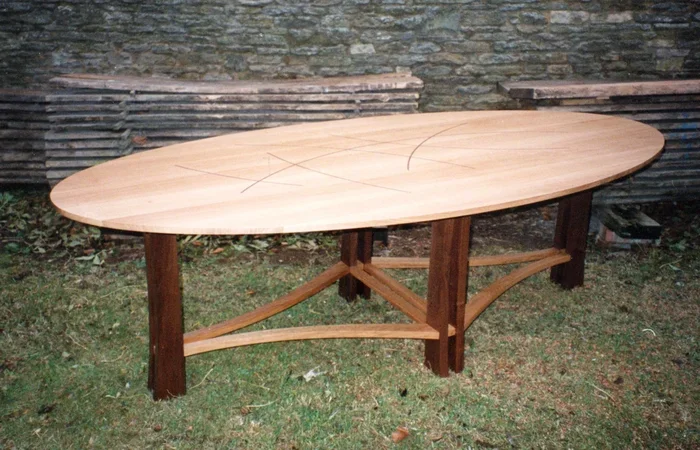
A carpenter wishes to construct an elliptical table to blend woodworking craft with home fitness. This guide covers design plans, materials, tools, and step-by-step building instructions. Whether you are a seasoned woodworker or a fitness enthusiast, this project combines function and creativity into one rewarding build.
A carpenter wishes to construct an elliptical table for many reasons. Maybe you want a unique piece of fitness furniture for your home gym. Perhaps you enjoy woodworking and want a challenging new project. Whatever the reason, building an elliptical table is a rewarding endeavor that combines craftsmanship with functional fitness.
This guide walks you through every step of the process. You will learn about design considerations, materials, tools, and assembly. By the end, you will feel confident enough to start your own build. Let us dive into what makes this project so exciting.
## Why Build an Elliptical Table?
### The Appeal of DIY Fitness Equipment
More people are turning to DIY fitness equipment. Commercial elliptical machines can be expensive and bulky. A custom-built elliptical table solves both problems. You control the size, style, and features. Plus, there is a deep satisfaction in using equipment you built yourself.
Building fitness furniture also lets you match your home decor. A well-crafted elliptical table can look like a sleek piece of furniture when not in use. This makes it perfect for small apartments or shared living spaces where aesthetics matter.
### Benefits of an Elliptical Workout
Elliptical workouts offer low-impact cardio that is gentle on your joints. They engage both your upper and lower body simultaneously. This means you burn more calories in less time compared to some other machines.
Many people wonder whether an elliptical provides a good workout. The answer is a resounding yes. With proper resistance and stride length, you can get an intense session that rivals running or cycling. If you want to explore more about elliptical workouts, check out whether you can get a good workout on an elliptical.
## Planning Your Elliptical Table Design
### Sketching the Layout
Before you cut any wood, grab a pencil and paper. Sketch the overall shape of your elliptical table. Think about the dimensions of your room and the height that feels comfortable for your stride.
A standard elliptical stride length ranges from 16 to 22 inches. Your table design should accommodate this range. Consider whether you want a standing desk-style surface or a lower table that doubles as a console.
### Key Dimensions to Consider
Length: Aim for at least 48 inches to allow full stride extension.
Width: Keep it between 24 and 30 inches for stability.
Height: A comfortable working height is around 36 to 42 inches.
Weight Capacity: Plan for at least 250 pounds of user weight.
These dimensions ensure your elliptical table is both functional and safe. Write them down and keep them handy throughout the build.
## Materials and Tools You Will Need
### Wood and Frame Components
The frame is the backbone of your elliptical table. Use hardwood like oak or maple for the main structure. These woods are strong, durable, and look great. For the pedal arms and moving parts, consider using steel or aluminum tubing.
Here is a basic materials list:
- Hardwood planks (oak or maple) for the frame and surface
- Steel tubing for pedal arms and pivot points
- Wood screws and bolts
- Resistance bands or a flywheel mechanism
- Sandpaper and wood finish or paint
- Rubber feet or pads for stability
### Essential Tools
You do not need a fully equipped workshop to build this project. Here are the core tools:
- Circular saw or table saw
- Drill and drill bits
- Measuring tape and carpenter’s square
- Wrench set for metal fittings
- Clamps for holding pieces during assembly
- Level to ensure a stable base
Having the right tools makes the build smoother and safer. Take time to gather everything before you start cutting.
## Step-by-Step Construction Process
### Step 1: Build the Base Frame
Start by cutting your hardwood planks to size for the base. The base should form a rectangular or oval shape that matches your design sketch. Screw the corners together using wood screws and reinforce with corner brackets.
Make sure the base is level and square. Use a carpenter’s square to check every corner. A stable base is the foundation of a safe and effective elliptical table.
### Step 2: Install the Pedal Mechanism
The pedal mechanism is the heart of your elliptical table. Attach steel pivot brackets to the base frame. These brackets will hold the pedal arms in place and allow smooth rotation.
Use ball bearings at the pivot points to reduce friction. This ensures a fluid, natural pedaling motion. If you are not comfortable fabricating metal parts, pre-made elliptical pedal kits are available online.
### Step 3: Add the Elliptical Path Arms
The arms guide the pedals along the elliptical path. Cut curved wooden or metal arms that connect the pedal brackets to the central frame. The curve should mimic a natural walking or running stride.
Test the range of motion before final assembly. Make sure the pedals do not hit the base or any other part of the table. Adjust the arm length and curve as needed.
### Step 4: Attach the Table Surface
Once the moving parts are working smoothly, attach the tabletop surface. Use a flat, sturdy piece of hardwood that spans the base. Secure it with screws from underneath so the surface remains clean and level.
If you want a dual-purpose design, consider adding a small shelf or drawer underneath for storing resistance bands or a water bottle. This turns your elliptical table into a versatile piece of home fitness furniture.
### Step 5: Finishing and Safety Checks
Sand all surfaces to remove splinters and rough edges. Apply a wood finish, stain, or paint to protect the wood and enhance its appearance. Add rubber pads to the feet of the base to prevent sliding on the floor.
Before using your elliptical table, perform a full safety check. Wiggle the frame to test stability. Spin the pedals to ensure smooth motion. Check every bolt and screw for tightness.
## How to Get the Most From Your Elliptical Table
### Setting Up Your Workout Routine
Consistency is key with any fitness equipment. Aim for at least three sessions per week on your elliptical table. Start with 20-minute sessions and gradually increase the duration as your fitness improves.
For guidance on workout length, you can explore how long a good workout on an elliptical typically lasts. Most experts recommend 30 to 60 minutes for effective cardio.
### Adjusting Resistance
If your design includes resistance bands, experiment with different levels. Low resistance works well for warm-ups and recovery days. Higher resistance builds leg and glute strength while boosting calorie burn.
Wondering if an elliptical can help with weight loss? Many people use their elliptical table specifically for this goal. You can find more insights on whether an elliptical is a good workout to lose weight.
### Tracking Your Progress
Keep a simple log of your workouts. Note the duration, resistance level, and how you felt afterward. Tracking progress keeps you motivated and helps you adjust your routine over time.
## Common Mistakes to Avoid
### Skipping the Design Phase
One of the biggest mistakes carpenters make is jumping straight into building. Without a clear plan, you risk wasted materials and a wobbly final product. Always sketch your design first and double-check all measurements.
### Using Weak Joints
The pedal mechanism puts stress on the frame during every workout. Avoid using weak joints or thin screws in high-stress areas. Use bolts and metal brackets where the moving parts connect to the frame.
### Ignoring Floor Protection
An elliptical table can scratch hardwood floors if you do not protect the surface. Always use rubber feet or a thick mat underneath the base. This also improves stability and reduces noise during workouts.
## Expert Tips for a Successful Build
Use recycled materials when possible. Old bed frames or bike parts can add unique character and save money.
Test each component before final assembly. This catches problems early and saves frustration later.
Ask for feedback before finishing. Have a friend or fellow fitness enthusiast try a test run and share their thoughts.
Invest in quality bearings. Smooth-rolling bearings make a huge difference in the feel of your elliptical table.
Keep your design simple. A straightforward design is easier to build, maintain, and troubleshoot.
## Conclusion
A carpenter wishes to construct an elliptical table for good reason. It is a project that challenges your woodworking skills while delivering a practical fitness tool for your home. From planning the design to applying the final finish, every step is rewarding and achievable.
With the right materials, tools, and a bit of patience, you can build an elliptical table that looks great and performs even better. The satisfaction of using equipment you built with your own hands is unbeatable. Start your build today and enjoy the journey from raw materials to a fully functional fitness machine.
If you are curious about how long a typical elliptical session should be, check out how long a good workout on an elliptical lasts to plan your routine effectively.
Key Takeaways
- Custom Design Freedom: Building your own elliptical table lets you tailor every dimension and feature to your space and fitness goals.
- Affordable Alternative: A DIY elliptical table can cost a fraction of commercial models while delivering a solid workout.
- Essential Tools and Materials: You will need basic woodworking tools, steel components, and resistance bands or flywheel parts.
- Step-by-Step Build Process: From cutting the frame to assembling the pedal mechanism, each stage is manageable for a motivated carpenter.
- Safety and Stability Matter: Proper bracing and a level surface ensure a safe and effective workout every time.
- Get a Great Workout: With the right design, your homemade elliptical table can deliver a cardio session that rivals gym equipment.
Frequently Asked Questions
Can I build an elliptical table as a beginner carpenter?
Yes, this project is suitable for beginners who have basic woodworking skills. Start with a simple design and follow each step carefully. You will learn valuable techniques while creating a functional piece of fitness equipment.
How much does it cost to build an elliptical table?
The cost varies depending on materials and hardware. A basic build can cost between $100 and $300 using hardwood, steel tubing, and resistance bands. This is a fraction of the price of a commercial elliptical machine.
Is an elliptical table workout effective for losing weight?
Yes, elliptical workouts are effective for burning calories and supporting weight loss. A well-built elliptical table provides a full-body cardio session that engages your arms and legs simultaneously, helping you maximize calorie burn.
What tools do I absolutely need for this project?
The essential tools include a saw, drill, measuring tape, carpenter’s square, and clamps. You do not need every tool in the workshop. Focus on the basics and you will have everything needed for a successful build.
Can I use an elliptical table every day?
Using an elliptical table daily is safe for most people, especially at moderate intensity. Listen to your body and allow rest days for recovery. For more details on daily elliptical use, explore how long you should use an elliptical each day.
Do I need special parts for the pedal mechanism?
You can build a simple pedal mechanism using steel brackets and ball bearings. Some builders also repurpose parts from old exercise bikes. If you prefer a ready-made solution, elliptical pedal kits are available online and make assembly much easier.