What Muscles Do You Use on a Rowing Machine

Rowing machines deliver one of the most effective full-body workouts available, engaging approximately 86% of your major muscle groups in every single stroke. From your powerful legs driving the push to your back and arms pulling the handle, understanding what muscles do you use on a rowing machine helps you maximize your training efficiency and achieve faster results.
Key Takeaways
- Full-body engagement: Rowing activates approximately 86% of your muscles, making it one of the most efficient exercises for total-body conditioning.
- Leg dominance: Your quadriceps, hamstrings, and glutes generate roughly 60% of the power during each rowing stroke.
- Core stabilization: Your abdominals, obliques, and lower back muscles work continuously to stabilize your torso throughout the entire movement.
- Upper body pull: The lats, rhomboids, trapezius, biceps, and forearms are heavily engaged during the pulling phase of the stroke.
- Cardiovascular benefits: Beyond muscle activation, rowing elevates your heart rate, improving cardiovascular endurance and burning significant calories.
- Low-impact advantage: Unlike running, rowing is gentle on your joints while still delivering an intense muscular and cardio workout.
- Proper form matters: Understanding which muscles to engage at each phase of the stroke prevents injury and maximizes results.
📑 Table of Contents
- What Muscles Do You Use on a Rowing Machine
- The Four Phases of a Rowing Stroke
- Lower Body Muscles Used on a Rowing Machine
- Core Muscles Used on a Rowing Machine
- Upper Body Muscles Used on a Rowing Machine
- Cardiovascular and Endurance Benefits of Rowing
- Tips to Maximize Muscle Engagement on a Rowing Machine
- Common Rowing Mistakes That Reduce Muscle Engagement
- Conclusion
What Muscles Do You Use on a Rowing Machine
Have you ever stepped onto a rowing machine and wondered exactly what muscles are getting the workout? You are not alone. Rowing machines have exploded in popularity over the past few years, and for good reason. They deliver an incredible full-body workout that few other pieces of equipment can match. But to truly get the most out of every session, you need to understand what muscles do you use on a rowing machine and how each phase of the stroke activates different muscle groups.
Rowing is often called the king of full-body exercises, and that title is well earned. Unlike many gym machines that isolate one or two muscle groups, a rowing machine engages your legs, core, back, arms, and shoulders in one fluid, continuous motion. Whether you are a beginner just starting your fitness journey or an experienced athlete looking to cross-train, knowing the muscle mechanics behind rowing will help you row smarter, avoid injury, and see results faster.
In this comprehensive guide, we will break down every muscle group involved in the rowing stroke, explain the four phases of movement, and give you practical tips to maximize your workout. Let us dive in and explore exactly what muscles do you use on a rowing machine.
The Four Phases of a Rowing Stroke
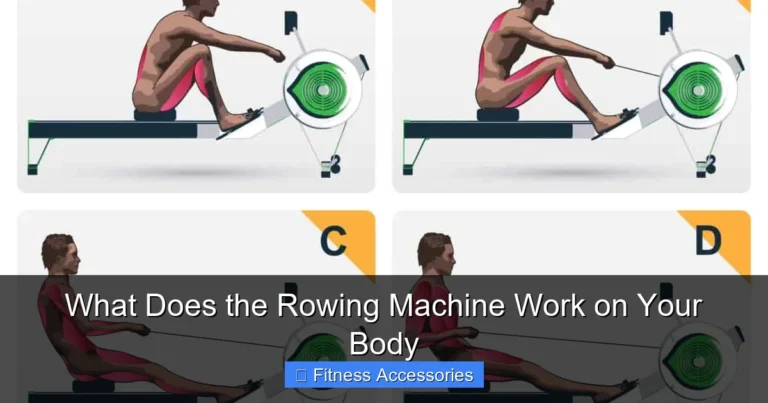
Before we get into the specific muscles, it helps to understand the rowing stroke itself. Every single stroke on a rowing machine is broken down into four distinct phases. Each phase activates different muscle groups in a specific sequence, creating a smooth and powerful movement that works your entire body from head to toe.
The Catch Phase
The catch is your starting position. You are sitting tall with your knees bent, shins vertical, and arms extended forward holding the handle. Your core is engaged, and your back is straight. At this phase, your muscles are loaded and ready to fire. Your quadriceps, hamstrings, and glutes are under tension, while your core muscles brace your torso. Think of this as the coiled spring position where all your power is about to be released.
The Drive Phase
This is where the magic happens. The drive phase is the explosive push that generates the majority of your power. You push hard through your legs first, extending your knees and hips. As your legs straighten, your core transfers that power upward, and your back and arms begin to engage. The drive phase is the most powerful part of the stroke, and it is where your legs do the heaviest lifting. Approximately 60% of your total rowing power comes from this leg-driven push.
The Finish Phase
At the finish, your legs are fully extended, your torso leans back slightly, and the handle is pulled into your lower ribcage. Your lats, rhomboids, biceps, and rear deltoids are all firing hard to complete the pull. Your core remains tight to support your lower back. This phase is where your upper body muscles get their moment to shine, completing the pulling motion with controlled power.
The Recovery Phase
The recovery is the return to the starting position. You extend your arms forward, hinge at the hips, and then bend your knees to slide back to the catch position. This phase is all about control and rhythm. Your core stabilizes your body throughout the movement, and your hip flexors help guide your legs back into position. A smooth, controlled recovery sets you up for a powerful next stroke.
Lower Body Muscles Used on a Rowing Machine
Your lower body is the engine of the rowing stroke. When people ask what muscles do you use on a rowing machine, the legs are the first answer, and for good reason. The lower body generates the majority of the force that moves you and the machine. Let us look at each key muscle group in detail.
Quadriceps
Your quadriceps are the large muscles on the front of your thighs, and they are the primary drivers during the push phase of the stroke. Every time you extend your knees to push against the footplate, your quads are working hard. Strong quadriceps allow you to generate more power with each stroke, which translates to better performance and more calories burned. If you have ever felt a burn in your thighs during a rowing workout, your quads are doing their job.
Hamstrings
Located on the back of your thighs, your hamstrings work alongside your quads during the drive phase. They help extend your hips as you push back, and they also play a crucial role during the recovery phase by controlling the bend of your knees. Strong hamstrings contribute to a more balanced and powerful stroke, and they help protect your knees from injury by stabilizing the joint throughout the movement.
Glutes
Your gluteal muscles, particularly the gluteus maximus, are among the largest and most powerful muscles in your body. During rowing, your glutes fire hard during the hip extension portion of the drive phase. They work in coordination with your hamstrings to push your body backward. Many people underestimate how much the glutes contribute to rowing, but weak glutes can lead to lower back strain and reduced power output. Engaging your glutes properly is essential for an efficient and safe rowing stroke.
Calves
Your calf muscles, including the gastrocnemius and soleus, are engaged during the drive phase as you push through the balls of your feet against the footplate. While they are not the primary power generators, they play an important supporting role in stabilizing your lower leg and transferring force from your quads and glutes to the machine. Strong calves also help with balance and control during the recovery phase.
Hip Flexors
Your hip flexors, including the iliopsoas, are active during the recovery phase when you bring your knees up and slide forward to the catch position. These muscles help flex your hips and control the forward movement of your torso. Tight or weak hip flexors can limit your range of motion and affect your rowing form, so stretching and strengthening these muscles is important for long-term rowing performance.
Core Muscles Used on a Rowing Machine
Your core is the bridge between your lower body and upper body during the rowing stroke. It transfers power from your legs to your arms and stabilizes your spine throughout the entire movement. When considering what muscles do you use on a rowing machine, the core deserves special attention because it is active during every single phase of the stroke.
Rectus Abdominis
Your rectus abdominis, commonly known as the six-pack muscle, runs along the front of your abdomen. During rowing, it works to stabilize your torso and prevent excessive arching of your lower back. It is particularly active during the finish phase when your torso leans back slightly. A strong rectus abdominis helps maintain proper posture and protects your spine from the repetitive motion of rowing.
Obliques
Your internal and external obliques are located on the sides of your abdomen. They help with rotational stability and lateral flexion of the torso. During rowing, your obliques work to keep your torso aligned and prevent side-to-side swaying. They also assist in the slight rotation that occurs during the drive and finish phases. Strong obliques contribute to a more controlled and efficient stroke.
Transverse Abdominis
The transverse abdominis is the deepest layer of your abdominal muscles, wrapping around your midsection like a corset. It plays a critical role in stabilizing your spine and maintaining intra-abdominal pressure during the rowing stroke. This muscle is active throughout all four phases, providing a stable foundation for your limbs to generate power. Many fitness experts consider the transverse abdominis the most important core muscle for rowing performance.
Erector Spinae
Your erector spinae muscles run along your spine from your lower back to your neck. They are responsible for extending and stabilizing your back during the rowing stroke. During the drive phase, they help maintain an upright posture, and during the finish phase, they prevent your torso from collapsing forward. Weak erector spinae muscles are a common cause of lower back pain in rowers, so strengthening this muscle group is essential.
Upper Body Muscles Used on a Rowing Machine
While your legs and core do the heavy lifting, your upper body muscles are far from idle during a rowing workout. The pulling motion engages a wide range of muscles in your back, shoulders, and arms. Understanding what muscles do you use on a rowing machine in the upper body will help you focus your effort and develop a more balanced physique.
Latissimus Dorsi
Your latissimus dorsi, or lats, are the large wing-shaped muscles on either side of your back. They are the primary pulling muscles during the rowing stroke and are heavily engaged during the drive and finish phases. When you pull the handle toward your body, your lats contract powerfully to bring your elbows back. Strong lats contribute to a more powerful stroke and help develop that desirable V-taper physique.
Rhomboids
Your rhomboids are located between your shoulder blades and are responsible for retracting, or squeezing, your shoulder blades together. During the finish phase of the rowing stroke, your rhomboids fire to pull your shoulders back and complete the pulling motion. Strong rhomboids improve your posture and help prevent the rounded-shoulder look that is common in people who spend too much time at a desk.
Trapezius
Your trapezius muscle spans from the base of your skull down to the middle of your back and out to your shoulders. The upper traps help elevate your shoulders, while the middle and lower traps assist with scapular retraction and depression. During rowing, the traps work throughout the stroke to stabilize your shoulder blades and support the pulling motion. A strong trapezius helps prevent neck and shoulder tension during long rowing sessions.
Biceps
Your biceps are the muscles on the front of your upper arms, and they are actively engaged during the pulling phase of the rowing stroke. As you bend your elbows to bring the handle toward your body, your biceps contract to flex the elbow joint. While the biceps are not the primary movers in rowing, they play an important supporting role and will definitely feel the burn during high-intensity sessions.
Forearms and Grip Muscles
Your forearms and the small muscles of your hands and fingers are constantly working to maintain a firm grip on the handle. During long rowing sessions, grip fatigue is often one of the first things rowers notice. Strengthening your forearms through rowing and supplementary exercises can improve your endurance and allow you to maintain proper form for longer periods.
Rear Deltoids
Your rear deltoids are the muscles on the back of your shoulders. They are engaged during the finish phase of the rowing stroke as you pull your elbows back and squeeze your shoulder blades together. Strong rear deltoids contribute to balanced shoulder development and help prevent the muscle imbalances that can lead to shoulder injuries.
Cardiovascular and Endurance Benefits of Rowing
While understanding what muscles do you use on a rowing machine is important, the benefits of rowing extend far beyond muscle building. Rowing is also an exceptional cardiovascular exercise that elevates your heart rate, improves lung capacity, and burns a significant number of calories. Let us explore the cardio and endurance benefits that make rowing a standout workout.
Heart Health
Rowing is an aerobic exercise that challenges your cardiovascular system. During a sustained rowing session, your heart rate increases to pump more oxygen-rich blood to your working muscles. Over time, regular rowing strengthens your heart muscle, improves circulation, and reduces your risk of heart disease. Studies have shown that consistent aerobic exercise like rowing can lower blood pressure and improve cholesterol levels.
Calorie Burning
If you are looking to burn calories efficiently, rowing is one of the best exercises you can choose. A vigorous rowing session can burn between 400 and 800 calories per hour, depending on your body weight, intensity, and duration. Because rowing engages so many muscle groups simultaneously, your body has to work harder and burn more energy compared to exercises that target fewer muscles.
Improved Lung Capacity
Rowing requires coordinated breathing with each stroke, which over time can improve your lung capacity and respiratory efficiency. As you row regularly, your body becomes more efficient at delivering oxygen to your muscles and removing carbon dioxide. This improved respiratory function benefits not only your rowing performance but also your overall stamina in daily activities and other sports.
Low-Impact Cardio
One of the biggest advantages of rowing over other forms of cardio, like running, that it is low-impact. Your feet stay planted on the footplate, and there is no pounding on your joints. This makes rowing an excellent option for people with joint issues, those recovering from injury, or anyone who wants a challenging cardio workout without the wear and tear on their knees, hips, and ankles.
Tips to Maximize Muscle Engagement on a Rowing Machine
Now that you know what muscles do you use on a rowing machine, let us talk about how to get the most out of every stroke. Proper technique and intentional muscle engagement can make a huge difference in your results. Here are practical tips to help you maximize your rowing workout.
Focus on the Leg Push First
One of the most common mistakes beginners make is pulling with their arms too early. Remember the sequence: legs first, then core, then arms. Push hard through your legs before engaging your back and arms. This ensures that your largest and strongest muscle groups are doing the majority of the work, which leads to more power and a more effective workout.
Maintain a Strong Core Throughout
Your core should be engaged from the moment you start the drive phase until you complete the recovery. Think about bracing your abs as if someone were about to poke you in the stomach. A strong core protects your lower back, improves power transfer, and helps you maintain proper posture throughout the entire stroke.
Control the Recovery Phase
Many rowers rush through the recovery phase, eager to start the next stroke. However, a controlled recovery is just as important as a powerful drive. Take your time to extend your arms, hinge at the hips, and bend your knees smoothly. A controlled recovery allows your muscles to reset and prepares you for a more powerful next stroke. A good rule of thumb is to make the recovery about twice as long as the drive.
Squeeze Your Shoulder Blades at the Finish
At the end of each stroke, focus on squeezing your shoulder blades together as you pull the handle to your lower ribcage. This simple cue activates your rhomboids, rear deltoids, and trapezius more effectively, giving your upper body a better workout and improving your posture over time.
Vary Your Workouts
To keep your muscles challenged and avoid plateaus, vary your rowing workouts. Mix steady-state rows with interval training, sprints, and endurance sessions. Different workout styles emphasize different energy systems and muscle fibers, leading to more comprehensive fitness gains. For example, short, high-intensity intervals will challenge your fast-twitch muscle fibers, while long, steady rows will build endurance in your slow-twitch fibers.
Stretch and Recover
Rowing works a lot of muscles, and proper recovery is essential to prevent injury and maintain performance. After your workout, take time to stretch your quads, hamstrings, hip flexors, lats, and shoulders. Foam rolling can also help release tension in overworked muscles. Adequate sleep, hydration, and nutrition are equally important for muscle recovery and growth.
Common Rowing Mistakes That Reduce Muscle Engagement
Even with the best intentions, many rowers develop habits that reduce the effectiveness of their workout. Knowing what muscles do you use on a rowing machine is only half the battle. You also need to avoid these common mistakes that can limit your results and increase your risk of injury.
Hunching Your Shoulders
When you hunch your shoulders up toward your ears during the stroke, you put unnecessary strain on your neck and upper traps while reducing the engagement of your lats and rhomboids. Keep your shoulders down and back throughout the stroke to maximize upper body muscle activation and prevent neck pain.
Overgripping the Handle
Squeezing the handle too tightly wastes energy in your forearms and can lead to hand fatigue and blisters. Hold the handle with a firm but relaxed grip, wrapping your fingers around it without clenching your fists. This allows your larger back muscles to do the work instead of your forearms.
Rowing with Only Your Arms
This is perhaps the most common mistake of all. If you are pulling primarily with your arms and neglecting your legs, you are missing out on the majority of the power and muscle engagement that rowing offers. Remember: 60% legs, 20% core, 20% arms. Let your legs lead every stroke.
Hyperextending at the Finish
Leaning back too far at the finish phase puts excessive strain on your lower back and reduces the effectiveness of the stroke. Your torso should lean back only slightly, about 11 o’clock on a clock face, not 1 o’clock. This keeps the load on your muscles rather than your spine.
Ignoring the Recovery
Rushing through the recovery phase not only reduces the quality of your next stroke but also increases your risk of injury. The recovery is an active phase where your muscles reset and prepare for the next drive. Treat it with the same intention and control as the drive phase.
Conclusion
Understanding what muscles do you use on a rowing machine transforms your workout from a simple cardio session into a strategic, full-body training experience. From the powerful quadriceps and glutes driving the stroke to the lats and biceps completing the pull, every muscle group plays a vital role in creating that smooth, powerful rowing motion. Your core acts as the critical link, stabilizing your body and transferring power between your lower and upper body.
Rowing truly stands out as one of the most efficient and effective exercises available. It builds strength, improves cardiovascular fitness, burns calories, and does all of this while being gentle on your joints. Whether your goal is to build muscle, lose weight, improve your endurance, or simply stay active and healthy, a rowing machine can help you get there.
The key to success is proper technique, intentional muscle engagement, and consistency. Focus on pushing with your legs first, keeping your core tight, and controlling every phase of the stroke. Avoid common mistakes like hunching your shoulders, overgripping the handle, and rushing the recovery. With practice and patience, you will develop a powerful, efficient rowing stroke that engages every major muscle group and delivers outstanding results.
So the next time you step onto a rowing machine, you will know exactly what muscles are working and how to make every stroke count. Happy rowing!
Frequently Asked Questions
Does a rowing machine build muscle?
Yes, a rowing machine can build muscle, particularly in your legs, back, core, and arms. While it is not a replacement for heavy resistance training, consistent rowing with proper form and progressive overload can lead to noticeable muscle growth and improved muscle tone over time.
Is rowing a good workout for weight loss?
Absolutely. Rowing is one of the most effective exercises for weight loss because it burns a high number of calories while engaging multiple muscle groups. A vigorous rowing session can burn between 400 and 800 calories per hour, making it an efficient choice for fat loss.
How long should I row to see results?
Most people start to see noticeable improvements in endurance and muscle tone within 3 to 4 weeks of consistent rowing, typically 3 to 5 sessions per week. For significant changes in body composition, aim for at least 8 to 12 weeks of regular training combined with a balanced diet.
Is rowing better than running?
Rowing and running each have unique advantages. Rowing engages more muscle groups, is low-impact on joints, and provides a full-body workout. Running is more accessible and requires no equipment. For overall muscle engagement and joint-friendly cardio, rowing has a clear edge.
Can rowing help with back pain?
Yes, rowing can help alleviate back pain when performed with proper form. It strengthens the erector spinae, core muscles, and posterior chain, which support the spine. However, if you have existing back issues, consult a healthcare professional before starting a rowing program.
Should I row every day?
While rowing is low-impact, your muscles still need time to recover. For most people, rowing 3 to 5 times per week with rest days in between is ideal. If you row daily, vary the intensity to allow adequate recovery for your muscles and joints.