How Long of a Jump Rope Do I Need
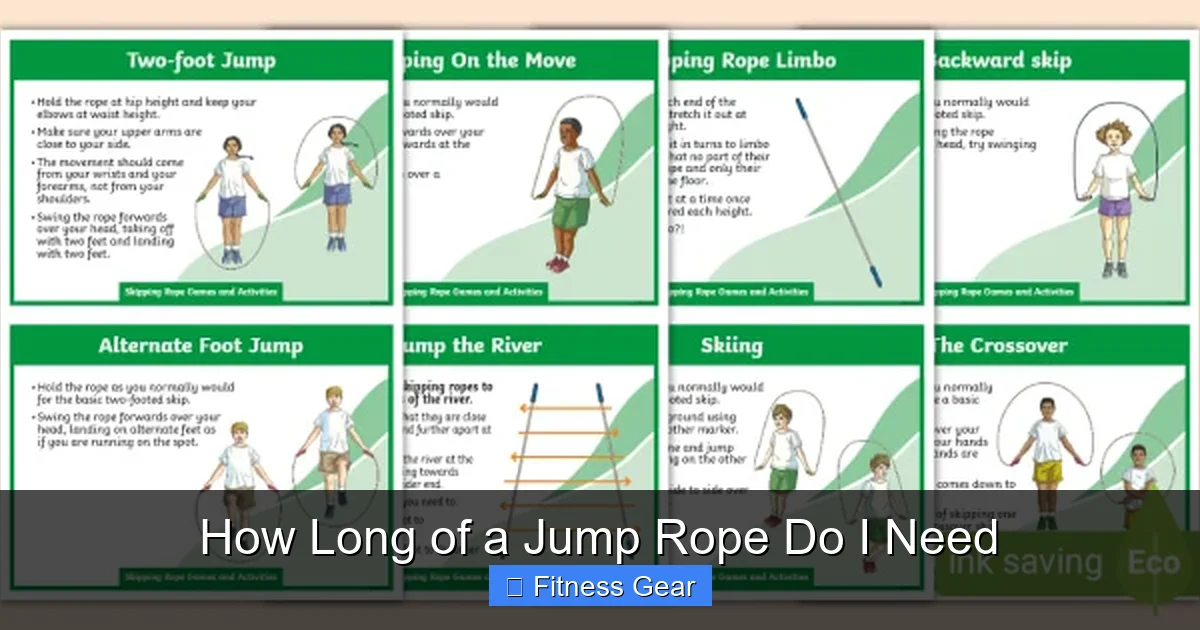
Choosing the right jump rope length is key to smooth, efficient workouts. Measure your height, add a few extra inches, and test the rope’s feel. This guide walks you through every step so you can jump confidently every time.
Key Takeaways
- Understanding How Long Of A Jump Rope Do I Need: Provides essential knowledge
📑 Table of Contents
- Introduction: Why Rope Length Matters
- 1. The Basic Math: Height + 3 Feet Rule
- 2. Adjusting for Skill Level and Jump Style
- 3. Materials and How They Influence Length Perception
- 4. The Hands‑On Test: “Handle‑to‑Ground” Method
- 5. Buying vs. DIY: Should You Cut Your Own Rope?
- 6. Maintaining the Right Length Over Time
- Conclusion: Find Your Perfect Fit and Jump Confidently
Introduction: Why Rope Length Matters
Jump rope might look simple—just a cord and two handles—but the length of that cord can make or break your workout. Too long, and you’ll constantly step on the rope, ruining your rhythm and risking ankle injuries. Too short, and you’ll have to lift the handles higher, which strains the shoulders and makes the jump feel clunky.
Getting the length right turns a basic cardio tool into a powerhouse for coordination, endurance, and calorie burn. In this guide we’ll walk through the science, the simple measuring tricks, and the personal tweaks you can make so your rope fits you like a glove—no matter your height, skill level, or fitness goal.
1. The Basic Math: Height + 3 Feet Rule
How the rule works
The most common starting point is the “height + 3 feet” rule. Stand upright, measure your height, then add three feet (36 inches). That total is the ideal rope length for most people.
Example: If you are 5 ft 8 in (68 in), add 36 in to get 104 in. Convert to feet (8 ft 8 in) or simply look for a rope labeled “8 ft 8 in” or “9 ft.” Many retailers round to the nearest whole foot, so a 9‑foot rope would be a safe choice.
Why three feet?
When you stand on the middle of the rope, each side should reach roughly to your armpits. Adding three feet gives enough slack for a natural swing while keeping the handles at a comfortable height (around chest level) when the rope is in motion.
2. Adjusting for Skill Level and Jump Style
Beginners
New jumpers often struggle with timing. A slightly longer rope (up to 6 inches extra) gives more clearance, reducing the chance of stepping on the cord. It also allows a slower swing, which helps you find a rhythm.
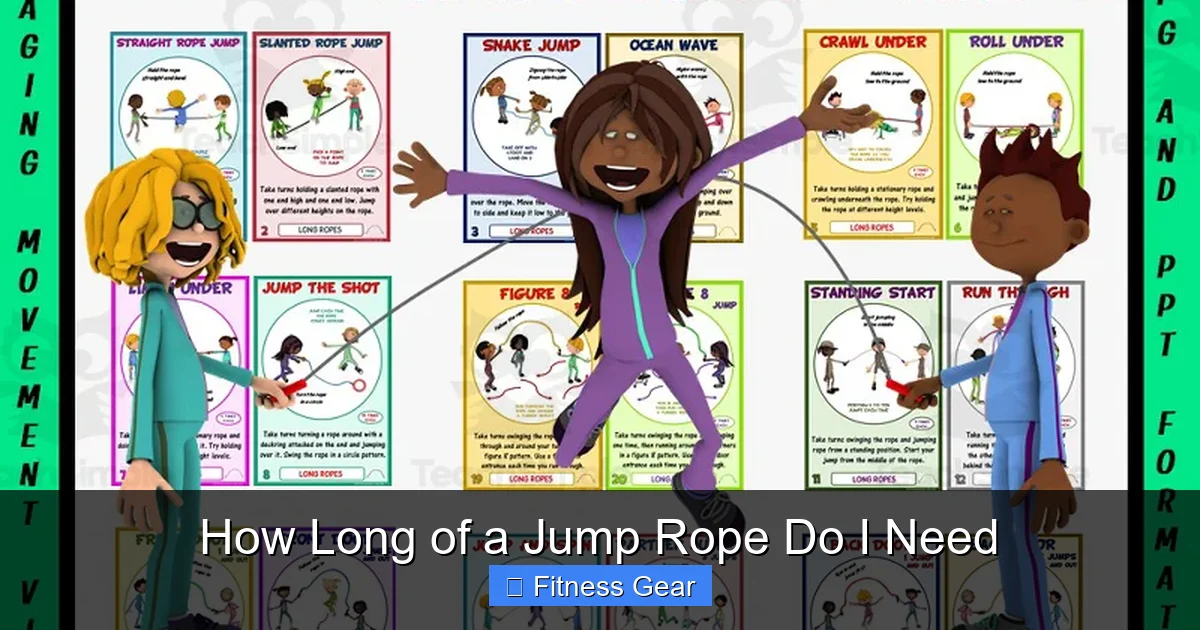
Visual guide about How Long of a Jump Rope Do I Need
Image source: teachsimplecom.s3.us-east-2.amazonaws.com
Intermediate Jumpers
If you’ve mastered the basic bounce, you can trim a few inches. A tighter rope speeds up rotation, letting you do faster footwork like double‑unders. Aim for a rope that reaches just below your chin when you stand on it.
Advanced Athletes
Competitive jumpers and CrossFit athletes often use “short” ropes—sometimes as short as 6 ft 6 in for someone under 5 ft 6 in. The short length maximizes angular velocity, making high‑speed tricks easier.
Specialized Styles
- Speed jumping: 0.5–1 ft shorter than your height + 3 ft.
- Weighted rope training: Same length as the basic rule, but the added weight may feel longer; add an extra inch if needed.
- Rope tricks (crosses, side swings): Slightly longer rope helps keep the cord away from the body during complex moves.
3. Materials and How They Influence Length Perception
PVC (Plastic) Rope
PVC is lightweight, flexible, and the most common for beginners. Because it bends easily, the “height + 3 ft” rule works well. However, PVC can stretch a few inches after repeated use, so you may need to re‑measure after a month of daily jumps.

Visual guide about How Long of a Jump Rope Do I Need
Image source: teachsimplecom.s3.us-east-2.amazonaws.com
Beaded Rope
Beaded ropes (plastic or nylon beads on a cord) are slightly heavier and tend to sit higher off the ground. Add 1–2 inches to the calculated length to compensate.
Steel‑Cable Rope
Steel‑cable ropes (often coated with PVC) are ultra‑fast and used for speed work. They don’t stretch, but they feel “shorter” because they swing in a tighter arc. Consider adding 2–3 inches beyond the basic rule.
Weighted Rope
Weighted ropes have extra mass in the handles or the cord itself. The added weight slows the swing, making a rope feel longer. If you’re using a 1‑lb or 2‑lb weighted rope, add about 2 inches to your measured length.
4. The Hands‑On Test: “Handle‑to‑Ground” Method
Step‑by‑step guide
- Stand on the center of the rope with both feet together.
- Pull the handles straight up, keeping your arms relaxed.
- Check where the handles rest:
- If the handles reach just above your shoulders, the rope is too short.
- If they reach around your armpits, you’re perfectly sized.
- If they hang well below your waist, the rope is too long.
Fine‑tuning tips
- For speed work, aim for handles at chest level.
- For double‑unders, handles should be at mid‑ribcage.
- Adjust by cutting a few inches off a PVC rope or adding a “knot” in a beaded rope.
5. Buying vs. DIY: Should You Cut Your Own Rope?
When to buy pre‑cut
If you’re new to jumping, a pre‑cut rope with adjustable length (most have a sliding knot system) is safest. You can quickly slide the knot up or down without tools.
DIY cutting
Advanced users often prefer a custom length. Here’s how:
- Measure your ideal length using the “handle‑to‑ground” test.
- Mark the cut point on a PVC or steel‑cable rope with a permanent marker.
- Use a sharp utility knife (PVC) or bolt cutters (steel) to cut cleanly.
- Heat‑seal the ends with a lighter (PVC) or use heat‑shrink tubing (steel) to prevent fraying.
Cost considerations
Pre‑cut ropes range from $10‑$30. DIY can save $5‑$10 but requires tools and a bit of skill. For most people, the convenience of an adjustable rope outweighs the small extra cost.
6. Maintaining the Right Length Over Time
Why length changes
Rope length can shift due to:
- Stretching (PVC, beaded cords)
- Wear and tear on the handles
- Improved skill level (you may want a shorter rope later)
Regular check‑ins
Every 4–6 weeks, repeat the “handle‑to‑ground” test. If the rope feels longer, tighten the knot or trim a small section. If it feels tighter, add a few inches using the adjustable knot.
Storage tips
Keep the rope off the ground and away from direct sunlight. Sunlight can degrade PVC, making it more pliable and prone to stretching.
Conclusion: Find Your Perfect Fit and Jump Confidently
The right jump rope length isn’t a one‑size‑fits‑all number. It’s a blend of your height, skill level, rope material, and personal comfort. Start with the simple height + 3 feet rule, test it with the “handle‑to‑ground” method, and fine‑tune based on your workout style. Re‑measure every few weeks, and don’t be afraid to adjust as you get faster and stronger.
When your rope feels just right, you’ll notice smoother rotations, fewer tripping mishaps, and a more enjoyable cardio session. So grab a rope, measure, tweak, and get ready to jump your way to better fitness.
Frequently Asked Questions
How do I know if my jump rope is too long?
If the handles hang well below your waist when you stand on the rope’s midpoint, it’s too long. You’ll likely step on the rope and lose rhythm.
Can I use the same rope for speed work and weighted training?
Yes, but you may need to adjust the length. A weighted rope often feels longer, so add a couple of inches; a speed rope may need to be trimmed a bit shorter for faster rotation.
What is the best material for beginners?
PVC rope is ideal for beginners because it’s lightweight, inexpensive, and easy to adjust. It also stretches less than beaded ropes, giving a consistent feel.
Do I need to re‑measure my rope after each workout?
No. Check the length every month or when you notice a change in performance. Daily wear rarely alters length enough to require constant re‑measurement.
How can I shorten a PVC jump rope without cutting?
Most PVC ropes come with an adjustable sliding knot. Slide the knot toward the handles to shorten, then tie a secure knot to lock it in place.
Is there a universal jump rope length for all exercises?
No single length works for every exercise. Speed work, double‑unders, and trick jumping each benefit from slightly different lengths, so adjust based on the specific workout.