Building bigger forearms and wrists with dumbbells is absolutely achievable with the right approach. It requires targeting the specific muscles through dedicated exercises, following a progressive overload plan, and supporting your training with proper nutrition. Consistency is key—focus on wrist curls, reverse curls, and hammer curls to stimulate growth from all angles.
Key Takeaways
- Target All Forearm Muscles: Your forearms have multiple muscle groups (flexors, extensors, brachioradialis). A effective routine must include exercises that hit each one for balanced development.
- Progressive Overload is Non-Negotiable: To grow, you must gradually increase the demand on your muscles. This means adding weight, reps, or sets over time, not just going through the motions.
- Mind-Muscle Connection & Form: Focus on feeling the target muscles work. Use slow, controlled motions. Cheating with momentum reduces effectiveness and increases injury risk.
- Nutrition Fuels Growth: You can’t out-train a bad diet. Consume sufficient protein (~0.7-1g per pound of body weight) and overall calories to support muscle repair and growth.
- Recovery is Part of Training: Forearms are used in many pulling exercises. Ensure they get 48-72 hours of rest between direct forearm workouts to allow for recovery and growth.
- Grip Strength is a Bonus: Many forearm exercises double as grip builders. A stronger grip will improve your performance on all other lifts, like deadlifts and rows.
- Patience and Consistency Win: Forearm growth can be slower than larger muscle groups. Stick to your plan for at least 8-12 weeks to see noticeable changes.
📑 Table of Contents
- Why Your Forearms Matter and Why Dumbbells Are Perfect
- Understanding Your Forearm Anatomy: Know What You’re Building
- The Best Dumbbell Exercises for Forearm Mass
- Designing Your Effective Forearm Workout Program
- Nutrition and Supplements: Fueling Your Forearm Growth
- Common Mistakes That Stall Forearm Progress
- Putting It All Together: Your Action Plan
- The Final Rep: Forearms Are Built, Not Born
Why Your Forearms Matter and Why Dumbbells Are Perfect
Let’s be honest, when we think about building a powerful physique, we often picture a big chest, wide back, or muscular arms. But the forearms? They’re the finishing touch, the sign of true all-around strength. Big, vascular forearms don’t just look impressive; they’re crucial for grip strength, which translates to better performance on every single pull-based exercise you do. Think about it: a weak grip limits your deadlift. It holds back your rows and pull-ups. Strengthening your forearms makes you stronger everywhere else.
The best part? You don’t need a fancy, crowded gym with exotic machines. A simple set of dumbbells is one of the most effective tools for building impressive forearms and wrists. Dumbbells allow for a greater range of motion compared to barbells, let you work each arm independently to fix imbalances, and are incredibly versatile. Whether you’re at home or in a gym, a pair of dumbbells is your ticket to thicker, stronger forearms. This guide will walk you through everything you need to know, from the science of growth to the exact exercises and programming strategies.
Understanding Your Forearm Anatomy: Know What You’re Building
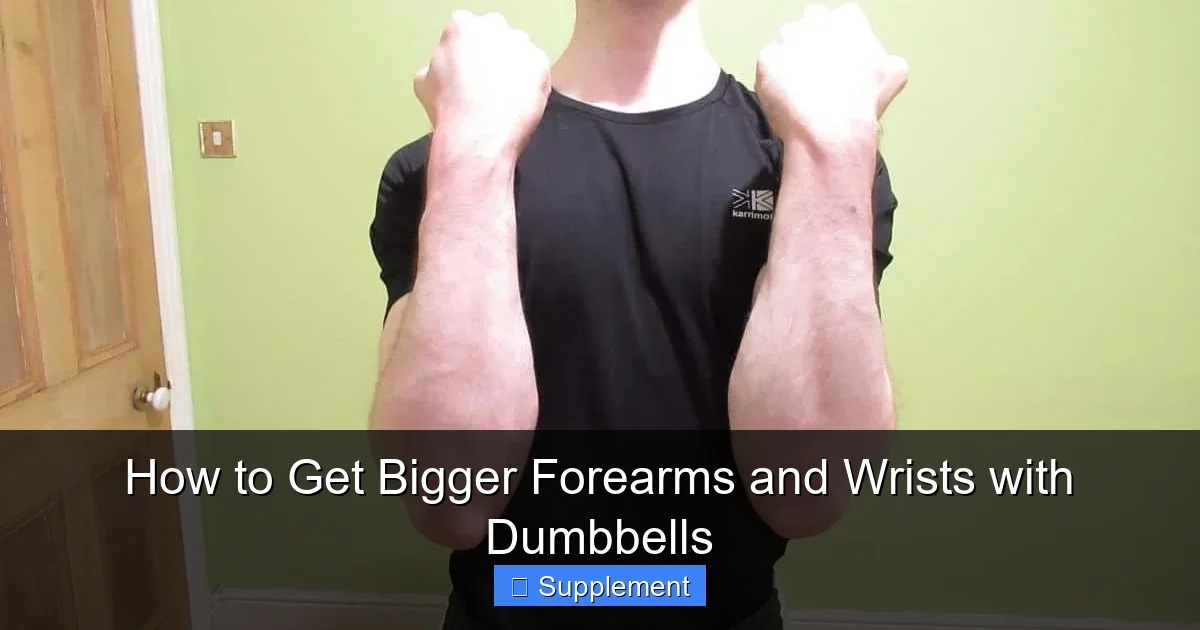
To train something effectively, you have to understand what you’re looking at. Your “forearm” isn’t just one muscle; it’s a complex group of muscles that control your wrist and fingers. For simplicity, we focus on three main areas when training for size and strength:
Visual guide about How to Get Bigger Forearms and Wrists with Dumbbells
Image source: criticalbody.com
- Forearm Flexors: These are the muscles on the palm-side of your forearm. They’re responsible for closing your hand and flexing your wrist (curling your palm toward your forearm). They contribute most to the thick, meaty look from the front.
- Forearm Extensors: Located on the back-side of your forearm. They extend your wrist (the back of your hand moves toward your forearm) and open your fingers. They’re crucial for balanced development and wrist health.
- Brachioradialis: This is the prominent muscle that runs from the outer side of your upper arm (humerus) down to the lower end of your radius bone (near the wrist). It’s a forearm muscle that helps with elbow flexion, especially when your palm is facing inward (like a hammer curl). It adds significant width and “peak” to your forearm when viewed from the front or side.
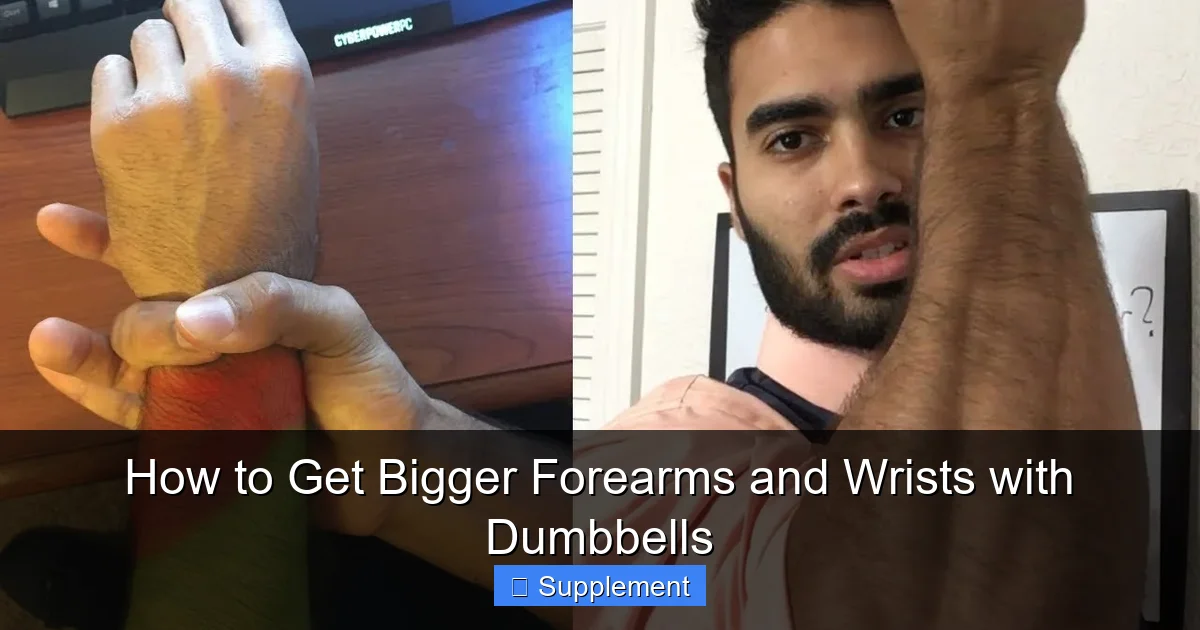
Your wrists themselves are a joint, not a muscle. You can’t make the bones thicker. When people talk about “bigger wrists,” they’re really referring to the muscular and tendonous structures around the wrist joint, primarily the distal ends of the forearm muscles and the brachioradialis. Dumbbell exercises that involve wrist flexion, extension, and radial deviation (thumb-side movement) will build these surrounding structures, creating the illusion and reality of a thicker, more powerful wrist area.
The Best Dumbbell Exercises for Forearm Mass
Now for the fun part. Here are the most effective dumbbell exercises to build your forearms. We’ll break them down by the primary muscle group they target. For each, focus on a slow, controlled tempo—especially the negative (lowering) portion—and a strong mind-muscle connection.
Visual guide about How to Get Bigger Forearms and Wrists with Dumbbells
Image source: bodybuildinggold.com
1. Dumbbell Wrist Curls (For Forearm Flexors)
This is the quintessential forearm builder. It directly targets the muscles on your palm side.
- How-To: Sit on a bench or chair. Rest your forearms on your thighs, with your palms facing up and your hands hanging off the edge. Hold a dumbbell in each hand (or one dumbbell with both hands). Curl your wrists upward as high as possible, squeezing your forearm muscles. Pause at the top, then slowly lower the weight back down, stretching the muscles fully. Keep your forearms planted.
- Pro Tip: Use a lighter weight than you think. The range of motion is short, but the muscles are small and the leverage is tough. Aim for 12-20 reps per set. For added intensity, at the top of the movement, try to “pump” your hands by opening and closing your fingers slightly.
2. Reverse Dumbbell Wrist Curls (For Forearm Extensors)
This is the reverse of the above and targets the muscles on the back of your forearm. It’s essential for balance and preventing injury.
- How-To: Set up exactly like the wrist curl, but with your palms facing down (pronated grip). Your knuckles should be facing up. Curl your wrists upward, lifting the back of your hand toward your forearm. You’ll feel a strong contraction on the top/back of your forearm. Lower slowly.
- Pro Tip: This movement can be awkward on the wrist joint. Start very light. You can also perform this standing, with your forearms resting on your thighs or against a pad.
3. Dumbbell Hammer Curls (For Brachioradialis & Brachialis)
While primarily a biceps brachii and brachialis exercise, the hammer curl is arguably the best movement for building the thick, meaty brachioradialis that gives your forearm its width and peak.
- How-To: Stand or sit holding a dumbbell in each hand with a neutral (hammer) grip—palms facing each other, thumbs pointing forward. Keeping your upper arms still, curl the weights up toward your shoulders. Focus on squeezing your forearms at the top. Avoid swinging.
- Pro Tip: Don’t go too heavy. Use a weight that allows you to feel the brachioradialis (the muscle on the outer forearm, near the elbow) doing most of the work. A slight lean back at the top can help you squeeze harder, but keep cheating to a minimum.
4. Dumbbell Reverse Curls (For Brachioradialis & Extensors)
This is a fantastic, often overlooked movement that places maximum tension on the brachioradialis and also hits the forearm extensors.
- How-To: Stand holding a dumbbell in each hand with a pronated (overhand) grip—palms facing down, knuckles forward. With your elbows tucked to your sides, curl the dumbbells up toward your shoulders. You’ll feel it intensely in the outer forearm and the top of your biceps.
- Pro Tip: This is a strict movement. Keep your upper arms pinned to your torso. Use a controlled tempo. If you feel it in your biceps too much, lighten the weight and focus on the outer forearm contraction.
5. Farmer’s Walks (For Grip, Forearm, and Overall Strength)
This is a functional, brutal compound movement that builds massive forearm and grip strength while also training your traps, core, and posture.
- How-To: Grab a heavy dumbbell in each hand (the heaviest you can hold securely). Stand up tall, pull your shoulders back, and start walking. Take short, quick steps. Keep your core tight. Walk for a designated distance (e.g., 40-60 feet) or for time (e.g., 30-60 seconds).
- Pro Tip: Use dumbbells with thick handles if available—they’re even more challenging for your grip. If you don’t have space to walk, simply hold the weights at your sides in a static hold for as long as possible. This is incredibly effective.
6. Dumbbell Zottman Curls (A Full Forearm Blast)
This unique curl variation combines a standard curl with a reverse curl in one fluid motion, hitting both the flexors and extensors in a single rep.
- How-To: Start in a standard supinated (underhand) curl position. Curl the weight up normally. At the top, rotate your wrists so your palms are facing down (pronated). Slowly lower the weight with this overhand grip. At the bottom, rotate back to the underhand grip and repeat.
- Pro Tip: The lowering portion with the overhand grip is where the magic happens for your extensors. Use a lighter weight than your normal bicep curl to maintain control and protect your elbows.
Designing Your Effective Forearm Workout Program
Having the exercises is one thing; putting them together into a smart, progressive plan is another. Here’s how to structure your forearm training for maximum growth.

Visual guide about How to Get Bigger Forearms and Wrists with Dumbbells
Image source: i.pinimg.com
Frequency and Placement
Forearms are a small muscle group but are also heavily involved in back and biceps training. A direct forearm workout 2-3 times per week is sufficient for most people. A great strategy is to add a 10-15 minute direct forearm finisher at the end of your back or biceps day. This works because those muscles are already fatigued, and you can safely pre-exhaust your forearms. Alternatively, you can have a dedicated forearm day if you’re really focused on them. Just ensure at least 48 hours of rest before training them directly again.
Sample Workout Structures
Here are two excellent templates. Choose one and stick with it for 6-8 weeks before changing things up.
Template A (Finisher Style – 10-12 mins):
Perform these after your main back or biceps workout. Rest 30-60 seconds between sets.
1. Dumbbell Wrist Curls: 3 sets of 15-20 reps
2. Reverse Dumbbell Wrist Curls: 3 sets of 15-20 reps
3. Dumbbell Hammer Curls: 2 sets of 10-12 reps (slow, focused)
Template B (Dedicated Day – 20-25 mins):
Treat this as its own workout. Rest 60-90 seconds between sets.
1. Farmer’s Walks: 3-4 sets of 40-60 ft walks or 30-45 sec holds
2. Dumbbell Reverse Curls: 3 sets of 10-15 reps
3. Dumbbell Hammer Curls: 3 sets of 10-15 reps
4. Dumbbell Wrist Curls: 3 sets of 15-20 reps
5. Reverse Dumbbell Wrist Curls: 3 sets of 15-20 reps
The Golden Rule: Progressive Overload
This is the single most important principle for muscle growth. You must make your workouts harder over time. How do you do this with forearm exercises?
- Add Weight: This is the most straightforward. Once you can complete all your reps with perfect form, increase the dumbbell weight by the smallest increment available (e.g., 2.5 lbs or 5 lbs).
- Add Reps: If you can’t add weight yet, aim to do more reps with the same weight. If your goal is 3×12, try to get 3×13, then 3×14.
- Add Sets: Increase the volume by adding an extra set to an exercise.
- Improve Mind-Muscle Connection & Tempo: Sometimes, “progress” means performing the same weight with better form, a slower negative (3-4 seconds down), and a more intense squeeze at the top. This increases time under tension, a key growth stimulus.
Keep a simple training log. Write down the exercise, weight, sets, and reps. Your goal each week is to beat your previous numbers in some small way.
Nutrition and Supplements: Fueling Your Forearm Growth
You can have the perfect workout, but without the right fuel, your forearms won’t grow. Muscle is built from the food you eat.
- Protein is King: Aim for 0.7-1 gram of protein per pound of body weight daily. Distribute it across 3-5 meals. Good sources include chicken, fish, eggs, Greek yogurt, tofu, and protein shakes.
- Caloric Surplus for Growth: To build new muscle tissue, you need to consume slightly more energy than you burn. A modest surplus of 250-500 calories above your maintenance level is sufficient. Don’t overdo it, or you’ll gain unnecessary fat.
- Don’t Neglect Carbs and Fats: Carbs fuel your intense workouts. Healthy fats support hormone production. Include sources like oats, rice, potatoes, avocados, nuts, and olive oil.
What About Supplements? While not mandatory, some can help. Creatine monohydrate is the most researched supplement for strength and muscle gain. A daily dose of 3-5g can improve your workout performance. Protein powder is a convenient way to hit your protein goals. Always remember that supplements are meant to supplement a good diet, not replace it. Before purchasing any supplement, it’s wise to carefully review the terms and conditions of the retailer to understand their return policy, guarantee, and any specific usage disclaimers. This is a standard practice for any online purchase.
Common Mistakes That Stall Forearm Progress
Avoid these pitfalls to keep your gains on track.
- Using Too Much Weight, Poor Form: This is the #1 mistake. You’ll see people swinging the dumbbell, using their body momentum, and reducing the range of motion. The forearm muscles are small; they respond best to strict form and a full stretch and contraction. Lighten the weight and feel the burn.
- Only Training Wrist Flexors: Many people only do wrist curls. This creates imbalanced, potentially injury-prone forearms. Always include at least one extensor exercise (reverse curls or reverse wrist curls).
- Neglecting Grip: Your grip is part of your forearm. Exercises like Farmer’s Walks and static holds are incredible for building overall forearm and grip strength. Don’t skip them.
- Inconsistent Training: Skipping weeks or frequently changing your plan prevents the consistent stimulus needed for growth. Stick to a plan for at least 8 weeks.
- Expecting Overnight Results: Forearms are stubborn for many. They are used to daily activity and have a different fiber composition. Be patient. Trust the process. If you’re progressively overloading and eating well, the growth will come.
Putting It All Together: Your Action Plan
So, what does a perfect week look like? Here’s a simple example for someone training 4 days a week (e.g., Push/Pull/Legs/Full Body).
- Day 1 (Push – Chest/Shoulders/Triceps): No direct forearm work.
- Day 2 (Pull – Back/Biceps): After your last bicep exercise, perform the Finisher Template (A) from above (Wrist Curls, Reverse Wrist Curls, Hammer Curls).
- Day 3 (Legs): No direct forearm work.
- Day 4 (Full Body/Arms): Perform a dedicated Forearm Workout (Template B) before or after your other arm exercises.
Remember to warm up your wrists and forearms with some light dynamic stretches and maybe 1-2 light warm-up sets before your working sets. On non-forearm days, your forearms will get plenty of work from heavy back exercises like rows and pull-ups. That’s the beauty of it—you’re building a complete, functional physique.
The Final Rep: Forearms Are Built, Not Born
Building bigger forearms and wrists with dumbbells is a science-backed, straightforward process. It demands that you prioritize these often-neglected muscles with dedicated exercises like wrist curls, hammer curls, and farmer’s walks. You must apply the principle of progressive overload, fueling your body with adequate protein and calories. Most importantly, you need patience and consistency. These muscles may be small, but they are mighty. The strength and size you build in your forearms will pay dividends across your entire training journey, giving you a grip of steel and a physique that looks complete. Start today, master the form, and get ready to roll up your sleeves and show off the hard work.
Frequently Asked Questions
Can you really build bigger wrists with exercise?
Yes, but with a clarification. You cannot make the wrist bones themselves thicker. However, you can significantly build the muscles and tendons around the wrist joint—the forearm flexors, extensors, and brachioradialis. This creates a much thicker, stronger, and more substantial appearance in the wrist and forearm area. Dumbbell exercises are perfect for targeting these structures.
How often should I train my forearms for growth?
Aim for 2 to 3 direct forearm training sessions per week. Because forearms are involved in most back and biceps exercises, a great strategy is to add a 10-15 minute forearm finisher at the end of your pull or arm days. This allows for sufficient frequency while ensuring they get 48-72 hours of recovery between direct sessions.
How long will it take to see noticeable forearm growth?
This varies greatly based on genetics, training experience, diet, and consistency. For beginners, some initial “newbie gains” and improved muscle tone can be seen in 4-8 weeks. For more noticeable increases in size and definition, expect to commit to a consistent program for at least 3 to 6 months. Remember, forearm growth is often a slower process than larger muscle groups, so patience is key.
Are wrist wraps or straps necessary for forearm training?
No, they are not necessary and can even be counterproductive for your goal. Wrist wraps are used to stabilize the wrist joint during extremely heavy lifts (like max deadlifts) to protect the joint. For building forearm size, you want your wrist muscles to do the work, not be supported. Wrist straps are used to help you lift heavier weights in exercises like shrugs or rows by taking the grip demand off your hands. For forearm development, you want to challenge your grip, so use straps sparingly, if at all.
What if I have small wrists? Can I still get big forearms?
Absolutely. Your wrist bone structure (width) is largely genetic and cannot be changed. However, this does not limit your potential for building large, powerful forearm muscles around that joint. Many people with naturally slender wrists have developed incredibly thick, impressive forearms by focusing on muscle hypertrophy. Your focus should be on building the muscular structures, not on changing the bone.
Do I need supplements to get bigger forearms?
Supplements are not a requirement. The foundation is always a proper training program, progressive overload, and a diet rich in whole foods with sufficient protein and calories. That said, supplements like whey protein (to hit protein targets) and creatine monohydrate (to boost workout performance and recovery) are well-researched and can be helpful tools. Always consult with a healthcare professional before starting any new supplement regimen.