How to Use a Rowing Machine at Planet Fitness
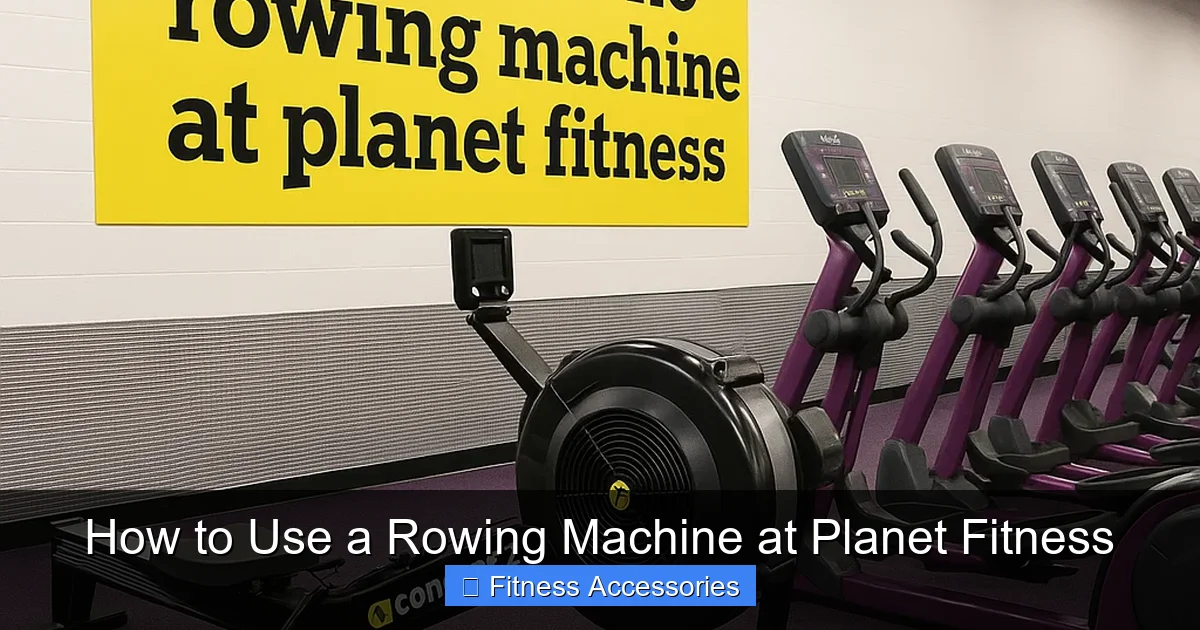
Ready to row your way to a stronger, leaner body? This guide shows exactly how to use a rowing machine at Planet Fitness, from setup to advanced routines. Follow our simple steps, avoid common mistakes, and make every stroke count for maximum results.
Key Takeaways
- Proper Setup: Adjust the foot‑rests, damper, and seat to match your height and comfort.
- Correct Technique: Master the “catch, drive, finish, recovery” sequence for safe, effective rowing.
- Workout Plans: Use beginner, intermediate, and advanced programs to progress steadily.
- Common Mistakes: Learn what to avoid—over‑reaching, slouching, and using too much damper.
- Gym Etiquette: Keep the area clean, wipe down the machine, and share equipment responsibly.
- Tracking Progress: Use the console, fitness apps, or a simple log to see improvements.
- Safety First: Warm up, stay hydrated, and listen to your body to prevent injury.
📑 Table of Contents
- Introduction: Why Rowing at Planet Fitness Is a Game Changer
- 1. Getting Started: Setting Up the Rowing Machine
- 2. Mastering the Rowing Technique
- 3. Designing Your Rowing Workout
- 4. Integrating Rowing with Your Overall Planet Fitness Routine
- 5. Gym Etiquette and Safety at Planet Fitness
- Conclusion: Row Your Way to Better Fitness
Introduction: Why Rowing at Planet Fitness Is a Game Changer
Rowing machines have surged in popularity because they give you a full‑body workout without pounding your joints. At Planet Fitness, the Concept2 rowers are a staple, offering reliable resistance, smooth motion, and easy-to‑read performance data. Whether you’re a total beginner who’s never stepped on a rower or a seasoned athlete looking for a low‑impact cardio option, learning how to use a rowing machine at Planet Fitness can transform your fitness routine.
In this article we’ll walk you through every step—from setting up the machine to designing a personalized rowing plan. You’ll get practical tips, common mistake alerts, and even a quick FAQ at the end. Think of it as a friendly coaching session that you can refer back to whenever you need a confidence boost on the water‑simulator.
1. Getting Started: Setting Up the Rowing Machine
1.1 Find the Right Rowing Machine
Planet Fitness typically features the Concept2 Model D or Model E. Both have a monitor that displays distance, time, strokes per minute (SPM), and calories burned. Spot the black‑frame machine with a sleek LCD screen—that’s your rowing hub.
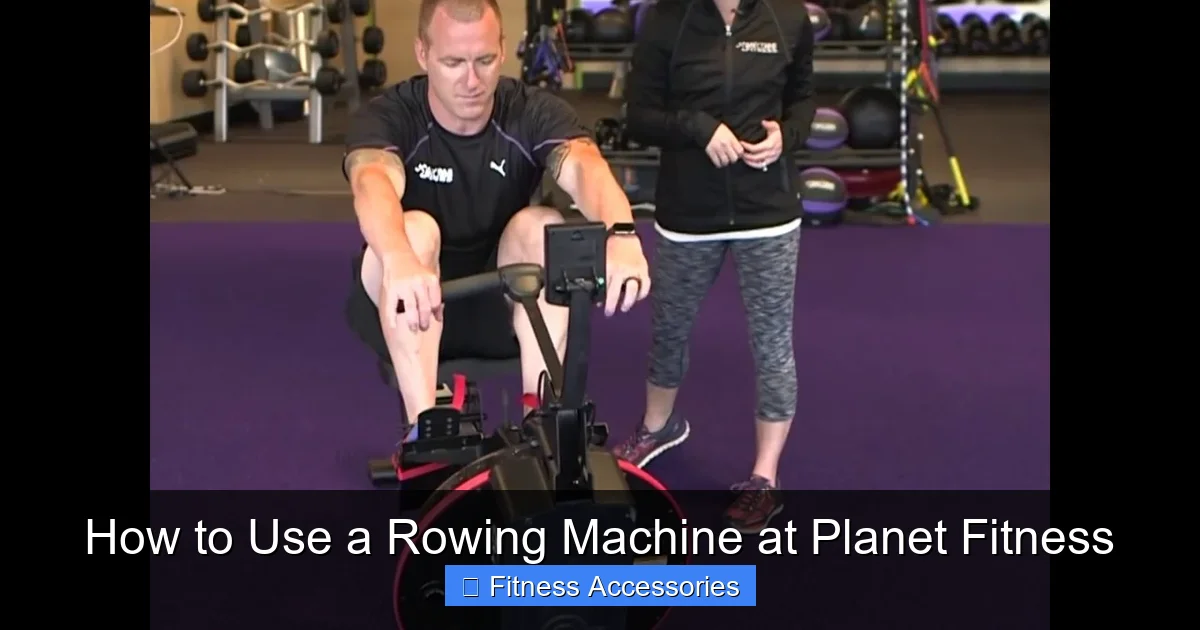
Visual guide about How to Use a Rowing Machine at Planet Fitness
Image source: i.ytimg.com
1.2 Adjust the Foot‑rests
Slide the foot‑rests forward or backward until the strap sits comfortably over the ball of your foot. When you press the strap, you should feel a snug but not crushing fit. This ensures your legs can push powerfully without slipping.
1.3 Set the Damper (Resistance) Level
The damper knob on the side of the flywheel controls how much air flows into the system. A higher number (10‑12) feels heavier, while a lower number (1‑4) feels lighter. For most beginners, start at damper 3‑5. Remember: the damper changes the feel, not the actual intensity—your effort still determines calorie burn.
1.4 Choose the Seat Position
Seat height is usually preset, but you can tilt the seat forward or back slightly to match your hip angle. When you sit upright, your knees should be bent at about a 90‑degree angle at the “catch” position (the start of the stroke).
1.5 Test the Monitor Settings
Press the “Menu” button, select “Settings,” and make sure the distance unit (meters vs. miles) matches your preference. Connect your phone via Bluetooth if you want to sync data with apps like MyFitnessPal or Strava.
2. Mastering the Rowing Technique
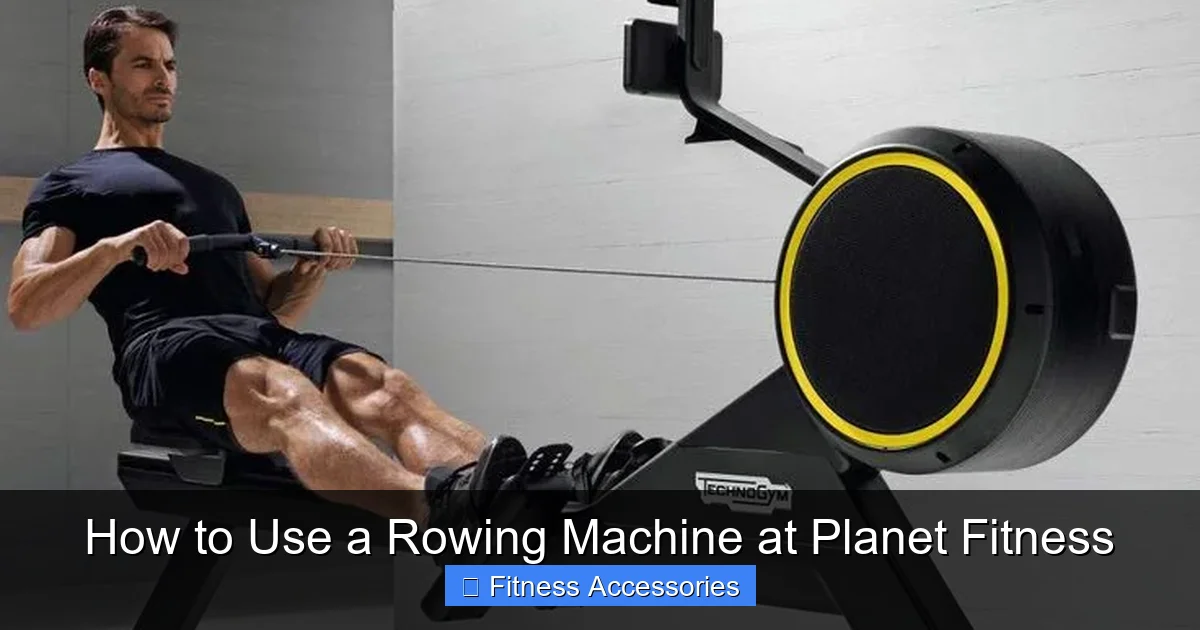
2.1 The Four‑Phase Stroke
Think of rowing as a smooth, repeating cycle:
Visual guide about How to Use a Rowing Machine at Planet Fitness
Image source: i.pinimg.com
- Catch: Knees bent, shins vertical, torso leaning slightly forward, arms extended.
- Drive: Push through the heels, straighten legs, lean back slightly, pull the handle toward your chest.
- Finish: Legs fully extended, handle at your lower ribs, elbows tucked, shoulders relaxed.
- Recovery: Extend arms, hinge at the hips, bend knees, and glide back to the catch.
2.2 Detailed Breakdown of Each Phase
Catch: Sit tall, engage your core, and keep your shoulders relaxed. Your grip should be light—think of holding a bird, not a hammer.
Drive: Initiate the movement with your legs. Push firmly but smoothly, then swing your torso back as the legs finish extending. Finally, pull the handle using your back muscles, not just your arms.
Finish: Your legs are straight, the handle is just below your ribs, and your elbows are drawn past your sides. Avoid leaning too far back—maintain a slight hinge at the hips.
Recovery: Reverse the motion. Extend your arms first, then hinge forward, and finally bend the knees to glide back. Keep the motion fluid; a rushed recovery wastes energy.
2.3 Breathing Rhythm
Inhale during the recovery (glide) and exhale during the drive. This natural rhythm helps stabilize your core and improves endurance.
2.4 Common Form Mistakes and Fixes
- Over‑reaching: If you stretch too far forward at the catch, you’ll lose power. Keep your shins vertical.
- Slouching: A rounded back reduces rowing efficiency. Engage your core and sit tall.
- Gripping too hard: Tight hands cause forearm fatigue. Light, relaxed grip is key.
- Using the damper for intensity: Remember, effort matters more than the knob setting.
3. Designing Your Rowing Workout
3.1 Beginner Routine (First 2‑4 Weeks)
Goal: Build confidence, learn form, and develop a cardio base.
- Warm‑up: 5 minutes of easy rowing at 18‑20 SPM.
- Workout: 4 × 250‑meter intervals. Row each 250 m at a comfortable pace, then rest 1‑2 minutes. Total time ~20 minutes.
- Cool‑down: 5 minutes of light rowing, followed by stretching (hamstrings, hip flexors, shoulders).
3.2 Intermediate Routine (Weeks 5‑12)
Goal: Increase stamina and power.
- Warm‑up: 5 minutes, gradually raising SPM from 18 to 24.
- Workout Options:
- Tempo Row: 20 minutes continuous rowing at 24‑26 SPM, maintaining a steady heart rate.
- HIIT Intervals: 8 × 500 m fast (24‑26 SPM) with 90‑second recovery.
- Cool‑down: 5‑7 minutes easy rowing + full‑body stretch.
3.3 Advanced Routine (Beyond 12 Weeks)
Goal: Maximize calorie burn, improve race‑pace speed, and boost muscular endurance.
- Warm‑up: 8 minutes, include 2 × 30‑second bursts at high SPM.
- Workout Options:
- Power Strokes: 10 × 1‑minute high‑intensity rows (28‑30 SPM) with 1‑minute easy rows.
- Pyramid: 250 m, 500 m, 750 m, 1000 m, then back down, with recovery equal to half the time of each effort.
- Split‑Minute Challenge: Row as far as possible in 5 minutes; track distance and aim to beat it weekly.
- Cool‑down: 10 minutes easy rowing, then foam roll major muscle groups.
3.4 Using the Console for Metrics
The Concept2 monitor offers four main data points: Distance, Time, Stroke Rate (SPM), and Calories. For most gym‑goers, focus on stroke rate and distance per minute. Aim for a consistent 22‑26 SPM for steady cardio, and push to 28‑30 SPM during intervals.
4. Integrating Rowing with Your Overall Planet Fitness Routine
4.1 Complementary Strength Training
Rowing works the legs, back, and core. Pair it with upper‑body strength sessions (e.g., bench press, lat pulldowns) to create a balanced program. A typical week could look like:
- Monday: Rowing HIIT + Upper Body
- Tuesday: Lower Body Strength
- Wednesday: Light Row + Yoga
- Thursday: Full‑Body Circuit
- Friday: Tempo Row + Core Work
- Saturday: Active Recovery (walk or swim)
- Sunday: Rest
4.2 Recovery and Mobility
Rowing is low‑impact, but the repetitive motion can tighten hip flexors and hamstrings. Include dynamic stretches before rowing (leg swings, arm circles) and static stretches after (seated forward bend, chest opener). Foam rolling the glutes and quads once a week helps keep muscles supple.
4.3 Nutrition Tips for Rowers
Fuel your rows with a balanced mix of carbs and protein. A pre‑workout snack of a banana with a tablespoon of peanut butter 30‑45 minutes before rowing provides quick energy. Post‑row, aim for a protein‑rich meal (e.g., Greek yogurt with berries) to aid recovery.
5. Gym Etiquette and Safety at Planet Fitness
5.1 Cleanliness Matters
Always wipe down the seat, foot‑rests, and handle with the provided disinfectant wipes after use. This keeps the equipment hygienic for the next member.
5.2 Sharing the Machine
If you’re on a timed class or the gym is busy, limit your rowing session to 20‑30 minutes. Let others know you’re finishing up by tapping the console or saying “excuse me.”
5.3 Safety Checks
Before each session, ensure the foot‑rests lock securely and the monitor is functioning. If you hear unusual noises (squeaking, grinding), report it to staff immediately.
5.4 Listening to Your Body
Stop rowing if you feel sharp pain in the lower back, knees, or shoulders. Dizziness or excessive shortness of breath are also signs to pause and assess.
Conclusion: Row Your Way to Better Fitness
Learning how to use a rowing machine at Planet Fitness doesn’t have to be intimidating. By setting up the machine correctly, mastering the four‑phase stroke, and following a progressive workout plan, you’ll see improvements in cardio endurance, strength, and overall body composition. Remember to stay consistent, respect gym etiquette, and keep tracking your progress. With each session, you’ll become more efficient, burn more calories, and enjoy the rhythmic flow that makes rowing such a rewarding workout. Grab a towel, hop on the Concept2, and let the water‑simulating glide take you closer to your fitness goals.
Frequently Asked Questions
Do I need prior rowing experience to use the machine at Planet Fitness?
No. The rower is beginner‑friendly, and this guide walks you through the basics so you can start safely and effectively.
How often should I row each week?
Aim for 3‑4 sessions per week, mixing short interval workouts with longer steady‑state rows for balanced development.
What damper setting is best for weight loss?
Use a moderate damper (3‑5) and focus on maintaining a higher stroke rate (24‑28 SPM) while keeping your heart rate in the fat‑burn zone.
Can I track my rowing data on my phone?
Yes. The Concept2 monitor pairs via Bluetooth with many fitness apps, allowing you to log distance, time, and calories directly to your phone.
Is rowing safe for people with back problems?
When performed with proper form—especially keeping the core engaged and avoiding excessive lean back—rowing is generally low‑impact and safe. Consult a physician if you have chronic back issues.
What should I do if the rowing machine feels too heavy?
Lower the damper to a setting of 1‑3 and focus on smooth, controlled strokes. Build strength gradually before increasing resistance.