How Much Sugar Is in a Barbell Protein Bar
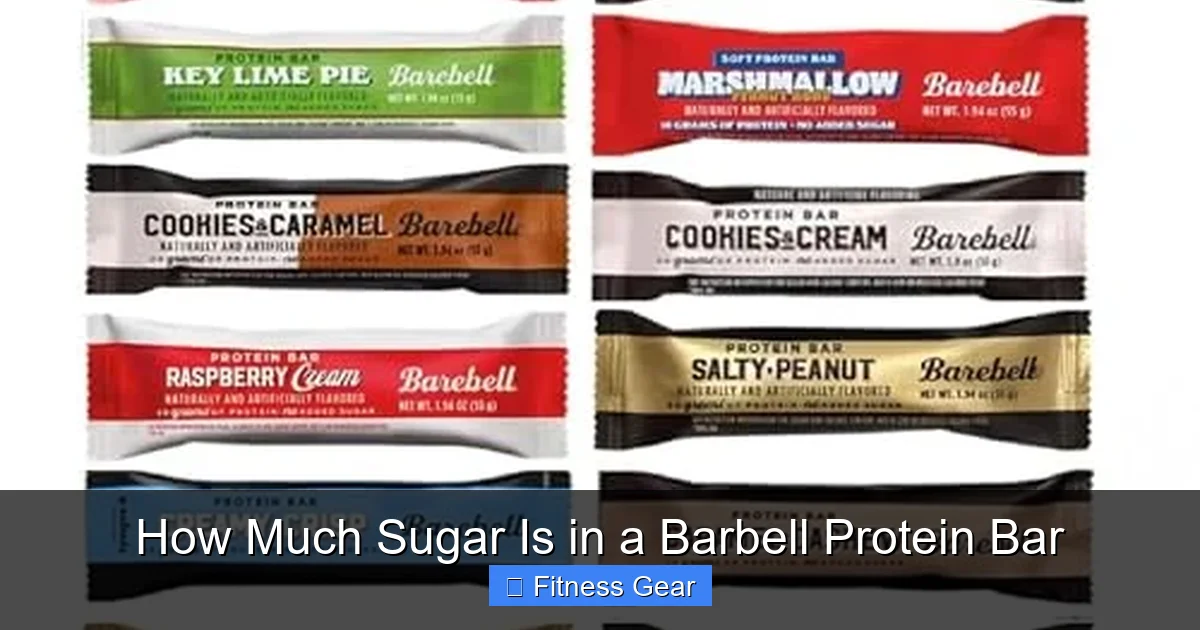
Barbell Protein Bars are a convenient snack for athletes, but many wonder about their sugar content. In this guide we break down the exact amount of sugar per bar, compare it to other snacks, and show how to enjoy it without derailing your goals. Read on for clear numbers, practical tips, and expert advice.
Key Takeaways
- Exact sugar count: A standard Barbell Protein Bar contains 8 grams of sugar.
- Natural vs. added: Most of the sugar comes from natural sources like dried fruit.
- Calorie impact: Those 8 grams represent roughly 32 calories, about 5 % of a typical 200‑calorie bar.
- Comparison: Barbell’s sugar is lower than many mainstream protein bars but higher than a plain whey shake.
- Timing matters: Consuming the bar post‑workout helps use the sugar for recovery rather than storage.
- Custom swaps: Simple ingredient swaps can cut sugar by up to 50 %.
- Label reading: Knowing how to read the nutrition facts panel prevents hidden sugar surprises.
📑 Table of Contents
- Introduction: Why Sugar in a Protein Bar Matters
- What’s Inside a Barbell Protein Bar?
- How Does 8 Grams Compare?
- Impact of Those 8 Grams on Your Fitness Goals
- How to Use Barbell Protein Bars Wisely
- Reading the Label Like a Pro
- Bottom Line: Is the Sugar Content Acceptable?
- Conclusion: Make Informed Choices
Introduction: Why Sugar in a Protein Bar Matters
When you’re juggling workouts, work, and life, a protein bar feels like a lifesaver. It’s portable, packed with protein, and promises quick recovery. But there’s a catch that many people overlook: sugar. Too much sugar can spike insulin, add unwanted calories, and even slow fat loss. On the other hand, a modest amount of sugar can replenish glycogen after a hard session.
That’s why we’re diving deep into the question that pops up on every gym‑goer’s mind: How much sugar is in a Barbell Protein Bar? We’ll look at the numbers, compare them to other snacks, and give you practical tips to keep your diet on track while still enjoying the convenience of a bar.
What’s Inside a Barbell Protein Bar?
Core ingredients
Barbell Protein Bars are marketed as “clean” and “real‑food” snacks. The typical ingredient list includes:
Visual guide about How Much Sugar Is in a Barbell Protein Bar
Image source: i.pinimg.com
- Whey protein isolate
- Milk protein concentrate
- Almonds or peanuts
- Dried fruit (dates, raisins, cranberries)
- Natural sweeteners (honey or maple syrup)
- Fiber blend (inulin, chicory root)
- Sea salt and natural flavors
Notice that the sweeteners are mostly natural, not high‑fructose corn syrup. This matters because natural sugars behave a bit differently in the body.
Sugar breakdown
The nutrition label on a 60‑gram Barbell Protein Bar reads:
- Total Carbohydrates: 22 g
- Sugar: 8 g
- Added Sugars: 4 g
That means half of the sugar comes from the fruit and honey (natural), and the other half is added sweetener. In total, you’re looking at 8 grams of sugar per bar.
How Does 8 Grams Compare?
Against other protein bars
Here’s a quick snapshot of sugar content in popular protein bars (average values):
Visual guide about How Much Sugar Is in a Barbell Protein Bar
Image source: i.pinimg.com
- Quest Bar – 1 g
- RXBAR – 13 g
- Clif Builder – 22 g
- Pure Protein – 5 g
- Barbell Protein Bar – 8 g
Barbell lands in the middle of the pack. It’s sweeter than a Quest but far less sugary than a Clif Builder.
Against everyday snacks
To put 8 g into perspective:
- One medium apple = 19 g sugar
- One can of soda = 39 g sugar
- One chocolate chip cookie (≈15 g) = 7 g sugar
So a Barbell Bar has about the same sugar as a single cookie—much less than a soda, but more than an apple slice.
Impact of Those 8 Grams on Your Fitness Goals
Caloric contribution
Sugar provides 4 calories per gram. Eight grams equal 32 calories. If the whole bar is 200 calories, sugar accounts for 16 % of the total calories. That’s a modest slice, but it matters if you’re counting every calorie.

Visual guide about How Much Sugar Is in a Barbell Protein Bar
Image source: files.ekmcdn.com
Insulin and recovery
Post‑workout, your muscles are hungry for glycogen. Consuming a small amount of sugar (5‑10 g) can speed glycogen replenishment without causing a big insulin spike. That’s why many athletes prefer a bar with a bit of sugar right after lifting.
Fat‑loss considerations
If you’re in a calorie deficit, the 32 extra calories from sugar can add up over weeks. However, the protein (≈20 g) and fiber (≈4 g) in the bar help you feel full, often preventing you from reaching for additional snacks.
How to Use Barbell Protein Bars Wisely
Best timing for consumption
- Post‑workout (30‑60 min after): The sugar helps refuel glycogen, and the protein jump‑starts muscle repair.
- Mid‑morning or afternoon slump: Pair the bar with a handful of nuts or a piece of fruit to balance carbs and keep energy steady.
- Before bedtime: Skip the bar if you’re sensitive to sugar at night; opt for a plain whey shake instead.
Portion control tricks
If 8 g feels high for your plan, try these hacks:
- Half‑bar snack: Eat 30 g of the bar (≈4 g sugar) and pair with a high‑protein yogurt.
- Combine with low‑sugar foods: Pair the full bar with unsweetened almond milk or a veggie stick pack.
- Swap flavors: Some Barbell flavors (e.g., “Chocolate Sea Salt”) have 6 g sugar, while “Maple Pecan” tops at 10 g. Choose the lower‑sugar option.
DIY sugar‑cutting modifications
If you love the Barbell taste but want less sugar, consider these simple tweaks:
- Add extra protein powder: Blend the bar with a scoop of unflavored whey; the extra protein reduces the relative sugar percentage.
- Mix with Greek yogurt: The creamy texture masks sweetness, letting you eat a smaller piece.
- Freeze the bar: A frozen bar feels more satisfying, often leading you to eat less.
Reading the Label Like a Pro
Key sections to focus on
When you pick up any protein bar, glance at these parts:
- Total Carbohydrates: Gives you the overall carb load.
- Sugar: Shows total sugar (natural + added).
- Added Sugars: Highlights sugars that don’t come from whole foods.
- Fiber: Higher fiber means slower sugar absorption.
- Protein: Aim for 15‑25 g per bar for optimal recovery.
Understanding “Natural” sugar claims
“Natural sugar” isn’t a free pass. It still raises blood glucose, just like table sugar. The difference lies in the accompanying nutrients—fruit brings fiber, vitamins, and antioxidants that blunt the spike.
Bottom Line: Is the Sugar Content Acceptable?
For most active adults, 8 grams of sugar per Barbell Protein Bar is perfectly reasonable, especially when eaten post‑workout. It offers a balance of quick carbs, high‑quality protein, and healthy fats. If you’re on a strict low‑sugar or ketogenic plan, you might prefer a bar with 2‑4 g sugar, but for the average gym‑goer the sugar level is modest and functional.
Conclusion: Make Informed Choices
Knowing that a Barbell Protein Bar contains 8 grams of sugar lets you slot it into your diet with confidence. Pair it with the right timing, watch portion sizes, and read the label to stay in control. Whether you’re bulking, cutting, or simply looking for a convenient snack, the bar can be a helpful tool—just keep the bigger picture in mind.
Remember, the best nutrition plan isn’t about eliminating sugar entirely; it’s about using it strategically to fuel performance and recovery. Use the tips above, enjoy the flavor, and let your results speak for themselves.
Frequently Asked Questions
How many grams of sugar are in a standard Barbell Protein Bar?
A standard 60‑gram Barbell Protein Bar contains 8 grams of total sugar, with 4 grams listed as added sugars.
Is the sugar in Barbell bars natural or artificial?
Half of the sugar comes from natural sources like dried fruit and honey, while the other half is added sweetener such as maple syrup.
Can I eat a Barbell Protein Bar while on a low‑carb diet?
Yes, but you may want to choose flavors with the lowest sugar (around 6 g) or eat only half a bar to stay within your carb limits.
Does the sugar affect post‑workout recovery?
Yes, a modest amount of sugar (5‑10 g) after training helps refill glycogen stores and can improve recovery when paired with the bar’s high protein.
How does Barbell’s sugar content compare to other protein bars?
Barbell sits in the middle range—more sugar than Quest (1 g) but far less than Clif Builder (22 g), making it a balanced option for most athletes.
What are some ways to reduce the sugar impact of the bar?
Try eating half a bar, pairing it with high‑protein, low‑sugar foods, or adding extra protein powder or Greek yogurt to dilute the sugar per bite.