Can U Lose Weight by Walking on the Treadmill

Yes, you can absolutely lose weight by walking on a treadmill. It creates a consistent, low-impact calorie deficit essential for fat loss. By mastering intensity, consistency, and pairing it with proper nutrition, treadmill walking becomes a powerful, sustainable tool for shedding pounds and improving overall health long-term.
Key Takeaways
- Calorie Deficit is King: Weight loss fundamentally requires burning more calories than you consume. Treadmill walking reliably contributes to this deficit.
- Consistency Trumps Intensity: Regular, moderate-paced walks most days of the week yield better long-term results than occasional, brutal sessions you dread.
- Incline & Speed Are Your Levers: Increasing incline dramatically boosts calorie burn and muscle engagement without high impact. Small speed adjustments also matter.
- Nutrition is Non-Negotiable: You cannot out-walk a poor diet. Treadmill exercise must be paired with mindful eating for meaningful weight loss.
- Sustainability is the Ultimate Goal: The best workout is the one you enjoy and can do forever. Treadmill walking is accessible, joint-friendly, and easy to maintain.
- It Boosts Metabolism & Health Beyond the Scale: Walking builds leg and core muscle, improves insulin sensitivity, and enhances mood, all supporting a healthier body composition.
- Variety Prevents Plateaus: Changing your routine with intervals, different inclines, and added light weights keeps your body challenged and progressing.
📑 Table of Contents
- So, Can You Actually Lose Weight by Walking on the Treadmill?
- The Simple Science: How Walking Actually Melts Fat
- Treadmill vs. Sidewalk: Why the Machine Has a Edge
- Crafting Your Perfect Treadmill Weight Loss Routine
- Nutrition: The Other Half of the Weight Loss Equation
- Overcoming Plateaus and Staying Motivated
- The Bigger Picture: More Than Just a Number on the Scale
- Your Next Step: Putting It All Together
So, Can You Actually Lose Weight by Walking on the Treadmill?
Let’s cut to the chase. The internet is full of flashy, complicated fitness trends. But sometimes, the simplest answer is the best one. Yes, you can lose weight by walking on a treadmill. It’s not magic, but it is science. Weight loss happens when you burn more calories than you eat—a state called a calorie deficit. A treadmill is a fantastic, controlled tool to help you burn those calories consistently and safely. It removes weather excuses, traffic worries, and uneven terrain. You step on, you move, and you work toward your goal. The key is understanding how to use that tool effectively. This guide will walk you through every single step—literally and figuratively—to make treadmill walking a powerful part of your weight loss journey.
The Simple Science: How Walking Actually Melts Fat
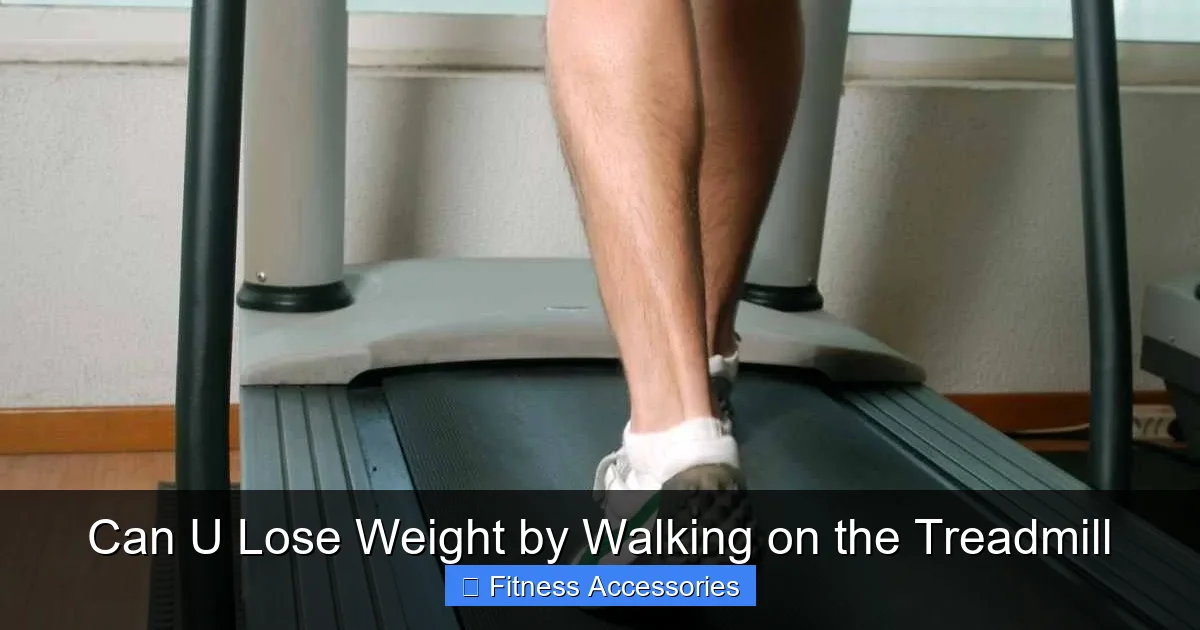
Before we talk treadmills, let’s talk biology. Your body needs energy (calories) to live and move. When you create a shortage of energy—by eating less or moving more—it taps into stored fat for fuel. Walking is an aerobic exercise, meaning it uses oxygen to burn fat and carbs for energy. At a moderate pace, your body is incredibly efficient at tapping into fat stores. A 155-pound person can burn roughly 150-200 calories in a 30-minute brisk walk. That might not sound like a lot, but do that five times a week, and you’ve created a 750-1000 calorie weekly deficit. Since one pound of fat equals about 3,500 calories, this consistent effort adds up to over two pounds of fat loss per month, just from walking alone, before even changing your diet.
Visual guide about Can U Lose Weight by Walking on the Treadmill
Image source: viewsfromhere.com
The Fat-Burning Zone Myth (And What to Do Instead)
You’ve probably heard about the “fat-burning zone”—that magical heart rate range where you burn more fat than carbs. It’s mostly a myth. While it’s true that at lower intensities (like a slow walk), a higher *percentage* of calories burned come from fat, you burn far *fewer total calories* overall. A higher-intensity walk (or jog) burns more total calories, and the absolute amount of fat burned can be greater. The smarter goal is to focus on total calorie expenditure and building the habit of movement. For most people aiming for weight loss, a pace that gets you breathing a bit harder but still able to talk (the “talk test”) is perfect. That’s usually a brisk 3-4 mph for beginners.
Treadmill vs. Sidewalk: Why the Machine Has a Edge
“Why not just walk outside?” you ask. Great question! Both are excellent. But the treadmill offers unique advantages for weight loss, especially when you’re starting out or need precision.

Visual guide about Can U Lose Weight by Walking on the Treadmill
Image source: treadmill.run
Control and Consistency
Outside, you deal with hills you can’t avoid, wind that pushes you back, and surfaces that can be hard on joints. On a treadmill, you control every variable. You set the exact speed and incline. This allows for incredibly consistent, measurable workouts. You can say, “Today I will walk at 3.5 mph at a 3% incline for 30 minutes” and know exactly what you’re doing. This consistency is gold for tracking progress and ensuring you’re putting in the desired effort every single time.
Joint Protection and Safety
The treadmill’s moving belt has a slight give, which is easier on your ankles, knees, and hips than pounding on concrete. For those with joint issues, extra weight, or who are new to exercise, this reduced impact is a game-changer. It also eliminates trip hazards like curbs or potholes. You can watch your favorite show or a work presentation while you walk, making the time fly by—something not advisable on a city street.
The Power of Incline
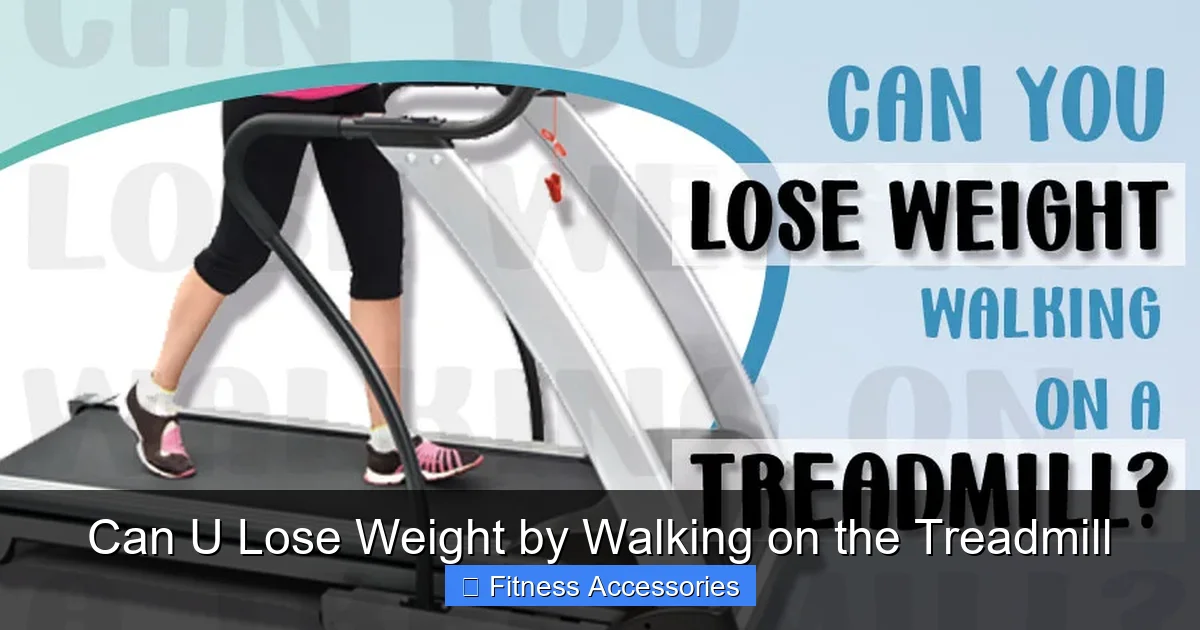
This is the treadmill’s secret weapon. Most people outdoors walk on flat ground. On a treadmill, you can simulate hills effortlessly. Walking uphill (incline walking) dramatically increases your calorie burn—by up to 50% compared to flat walking at the same speed. It also builds muscle in your glutes, hamstrings, and calves. More muscle means a higher resting metabolism, so you burn more calories even when you’re not exercising. It’s a two-for-one deal: burn more *during* your walk and build a body that burns more *all day*.
Crafting Your Perfect Treadmill Weight Loss Routine
Okay, you’re convinced. Now, how do you actually do it? A vague “go for a walk” won’t yield optimal results. You need a plan. Here’s how to build one that works.
Visual guide about Can U Lose Weight by Walking on the Treadmill
Image source: homegymexperts.co.uk
Start with the Foundation: Frequency, Time, and Pace
For beginners, the primary goal is habit formation. Don’t jump into an hour a day. Start with 3-4 days per week for 20-30 minutes. Your pace should be a “brisk walk”—you’re moving faster than a casual stroll, your heart rate is up, and you’re breathing deeply but can still speak in short sentences. As this becomes easy (and it will!), you have three ways to progress: add time, add speed, or add incline. A great rule is to increase your total weekly walking time by no more than 10% each week to avoid injury.
Sample Beginner Schedule (Week 1-4)
- Monday: 25-minute brisk walk at 0% incline.
- Wednesday: 25-minute brisk walk at 1% incline.
- Friday: 25-minute brisk walk at 0% incline.
- Saturday: 30-minute brisk walk at 1% incline.
Notice the gradual incline introduction. This gentle progression builds stamina and leg strength without overwhelming you.
Level Up: The Magic of Interval Training
Once your base fitness improves (after 4-6 weeks), incorporate intervals. Interval training alternates between higher and lower intensity bursts. It torches calories during the workout and creates an “afterburn effect” (EPOC), where your metabolism stays elevated for hours after. A simple treadmill interval workout for weight loss:
- 5 min warm-up: easy walk.
- Repeat 6-8 times: 2 minutes at a fast pace (where talking is difficult) + 2 minutes at a recovery walk.
- 5 min cool-down: easy walk.
This 30-minute session will be far more metabolically demanding than 30 minutes of steady-state walking.
Nutrition: The Other Half of the Weight Loss Equation
Here’s the hard truth you need to hear: you cannot out-walk a bad diet. Exercise is crucial for health and fitness, but weight loss is predominantly driven by diet. Think of your treadmill walks as creating a calorie “hole” in your daily budget. If you fill that hole with extra calories from food, you won’t see the scale move. You might even gain weight if you eat back all the calories you burned and then some.
The Simple Nutrition Trio for Walkers
You don’t need a restrictive diet. Focus on these three pillars:
- Protein at Every Meal: Protein keeps you full, preserves muscle mass (so you lose fat, not muscle), and has a higher thermic effect (your body burns more calories digesting it). Think eggs, chicken, fish, tofu, lentils, Greek yogurt.
- Fiber-First Carbs: Choose whole grains, vegetables, and fruits over refined carbs (white bread, sugary snacks). Fiber slows digestion, stabilizes blood sugar, and prevents cravings.
- Healthy Fats in Moderation: Fats from avocados, nuts, seeds, and olive oil support hormone function and satiety. They are calorie-dense, so measure portions.
A practical tip: Don’t “reward” yourself with food after a walk. Your body already benefited from the activity. Instead, refuel with a smart post-walk snack like a banana with peanut butter or a protein shake if your walk was intense.
Hydration and Mindless Calories
Often, we mistake thirst for hunger. Stay hydrated throughout the day, especially before and after your walk. Also, audit your liquid calories. Sugary coffee drinks, sodas, and even large glasses of juice can pack 300-500 empty calories. Swapping these for water, black coffee, or unsweetened tea is one of the easiest ways to create a calorie deficit without feeling hungry.
Overcoming Plateaus and Staying Motivated
After a few weeks or months of success, the scale might stop moving. This is a normal, frustrating phase called a plateau. Your body has adapted to your routine. The good news? It’s a sign you need to change things up, not that you’re failing.
How to Bust Through a Weight Loss Plateau
First, reassess your nutrition. As you lose weight, your calorie needs decrease. You might be eating at maintenance now without realizing it. Track your food for a week to check. Second, and most importantly for a treadmill walker: change your workout. If you’ve been walking at a steady 3 mph, increase the speed to 3.2 mph for the same duration. Better yet, add more incline. Try a “hill repeat” workout: 5 min warm-up, then 10 cycles of 1 min at a challenging incline (4-6%) and 1 min recovery at 0% incline, then cool down. This new stimulus will shock your muscles and metabolism back into action.
Making It a Non-Negotiable Habit
Motivation is fickle. Discipline is reliable. Schedule your walks like important appointments. Put them in your calendar. Lay out your workout clothes the night before. Find a “treadmill buddy” or join an online community for accountability. Change your environment: watch a gripping TV series only while on the treadmill. Make the experience enjoyable with a great playlist, podcast, or audiobook. The goal is to make walking something you look forward to, not a chore you have to endure.
The Bigger Picture: More Than Just a Number on the Scale
While weight loss is a common goal, focusing solely on the scale can be misleading and demotivating. Treadmill walking delivers transformative benefits that extend far beyond pounds lost.
Body Recomposition: Lose Fat, Gain Tone
Walking, especially with incline, builds lean muscle in your lower body and core. Muscle is more dense than fat. This means you might be losing inches and fat (great!) while the scale stays the same because you’re gaining muscle (also great!). You’ll notice your clothes fit better, you look more toned, and you feel stronger. This is called body recomposition, and it’s a huge win for health and aesthetics.
Mental Health and Energy Explosion
The mental benefits are profound. Walking is a proven mood booster, reducing stress, anxiety, and symptoms of depression. The rhythmic motion can be meditative. You’ll experience a surge in daily energy levels, better sleep quality, and improved cognitive function. That “post-workout glow” is real, and it happens with a brisk walk too. This positive mental shift makes it easier to make other healthy choices, creating a powerful upward spiral for your overall well-being.
Your Next Step: Putting It All Together
Losing weight by walking on a treadmill is 100% possible. It’s a practical, accessible, and joint-friendly strategy that works with your life. The formula is straightforward: Consistent treadmill walks (3-5 times/week, 30-45 mins) + a focus on whole-food nutrition + progressive overload (more time, speed, or incline) = sustainable weight loss.
Start where you are. Don’t compare your Day 1 to someone else’s Day 100. Your first workout might be a 15-minute walk at 2.5 mph. That’s a victory. Celebrate showing up. The treadmill is your reliable partner in this journey. It’s always there, ready for you, rain or shine. Lace up your shoes, step on, and start moving. Your future, healthier self is waiting at the end of that belt.
Frequently Asked Questions
How fast should I walk on the treadmill to lose weight?
Aim for a “brisk” pace where your heart rate is elevated and you’re breathing deeply but can still talk in short sentences. For most beginners, this is between 3.0 and 4.0 mph. As you get fitter, increase your speed or, more effectively, your incline to keep challenging yourself.
How long should I walk on the treadmill each day to see results?
For weight loss, target 30-60 minutes per day, most days of the week. If you’re new, start with 20-30 minutes and gradually build up. Consistency is more important than duration. Three 30-minute walks per week will yield better results than one 90-minute walk you hate.
Is walking on an incline better for weight loss than walking fast?
Yes, incline is often more efficient. Walking at a 5% incline can burn nearly double the calories of walking on a flat surface at the same speed. It also builds more muscle, which boosts your metabolism. For maximum results, combine both: a brisk pace on a moderate incline (2-4%) is a fantastic fat-burning sweet spot.
Can treadmill walking help me lose belly fat specifically?
You cannot “spot reduce” fat from one area. However, consistent aerobic exercise like treadmill walking, combined with a healthy diet, will reduce overall body fat, which includes visceral belly fat. Incline walking is particularly effective at engaging and strengthening your core muscles, leading to a tighter midsection as you lose the fat covering them.
How long before I see results from treadmill walking?
This varies by individual, starting weight, diet, and consistency. You may notice improved energy and mood within a week or two. Visible weight loss on the scale typically takes 3-4 weeks of consistent effort. Focus on non-scale victories like better sleep, looser clothes, and increased stamina to stay motivated during the early weeks.
Should I only do treadmill walking, or should I add other exercises?
While treadmill walking alone can drive weight loss, adding 1-2 days of strength training (bodyweight exercises, weights) is highly recommended. This builds muscle, which increases your resting metabolic rate, helping you burn more calories 24/7. It also prevents muscle loss during weight loss and creates a more toned physique. Think of walking as your cardio base and strength training as your muscle-building complement.