Do You Burn More Calories on Stairmaster or Treadmill
The StairMaster generally burns more calories per minute than a treadmill at moderate speeds due to its high-resistance, vertical climbing motion that engages more muscle mass. However, a treadmill allows for higher sustained speeds and longer durations, which can lead to comparable or even greater total calorie expenditure for some users. Your choice should depend on fitness goals, joint health, and personal preference, as consistency is the ultimate key to weight loss.
Key Takeaways
- StairMaster has a higher calorie burn rate per minute: Its resistance-based climbing recruits major leg and glute muscles intensely, leading to a greater metabolic cost in a shorter time.
- Treadmill offers more versatility for total calorie burn: The ability to walk, jog, or run for extended periods can result in a higher cumulative calorie count for those with good endurance.
- Muscle engagement differs significantly: The StairMaster is predominantly a vertical, resistance-based strength-endurance move, while the treadmill is a horizontal, repetitive impact movement.
- Joint impact is a critical differentiator: The StairMaster is low-impact but can stress knees; the treadmill, especially running, is high-impact but can be easier on knees at walking speeds with proper form.
- EPOC (afterburn effect) may be higher after StairMaster: The intense muscle fatigue can lead to greater excess post-exercise oxygen consumption, burning extra calories post-workout.
- Sustainability and preference dictate long-term success: The machine you enjoy and can use consistently 3-5 times a week will always be more effective for fat loss than the one you avoid.
- Nutrition is the primary driver of fat loss: No machine can outwork a poor diet; both tools are most effective when paired with a caloric deficit.
📑 Table of Contents
- The Great Cardio Debate: StairMaster vs. Treadmill
- The Science of Calorie Burn: METs and Muscle Mass
- StairMaster vs. Treadmill: The Head-to-Head Breakdown
- Beyond the Calorie Count: Other Critical Factors
- Which Machine Is Right For YOU? A Decision Guide
- Maximizing Your Burn: Pro Tips for Either Machine
- The Final Step: Consistency is King
The Great Cardio Debate: StairMaster vs. Treadmill
So, you’ve committed to burning some serious calories. You march into the gym, eyes scanning the floor, and there they are: the two titans of cardiovascular exercise. The treadmill, a ubiquitous staple where you walk or run in place, journeying through digital landscapes. And the StairMaster, that imposing, steppy contraption that looks like it was designed for a mountain goat. Both promise a sweaty, heart-pounding good time, but which one truly delivers more bang for your buck when it comes to torching calories? It’s a classic fitness conundrum, and the answer isn’t as simple as “this one is better.” It depends on how you use them, your body, and your goals. Let’s break it down, step by step.
First, let’s be clear: both machines are fantastic tools. They elevate your heart rate, improve cardiovascular health, and contribute to the all-important caloric deficit needed for fat loss. The “more calories” question really asks: which machine gives you the highest caloric expenditure for the time and effort you put in? To answer that, we need to peek under the hood and understand the fundamental biomechanics of each.
How the Machines Actually Work
The Treadmill: At its core, the treadmill is a tool for locomotion. You walk, jog, or run on a moving belt. The primary movement is horizontal—you’re propelling your body forward against gravity and belt resistance. The calorie burn is largely a function of your speed and incline. At 0% incline, walking is a relatively low-intensity activity. As you increase speed to a run, you engage more explosive power. Adding an incline simulates hill climbing, dramatically increasing the demand on your glutes, hamstrings, and calves, and significantly spiking the calorie burn. It’s a versatile machine that can mimic a gentle stroll or an all-out sprint.
The StairMaster: This machine is all about vertical displacement and resistance. You step onto two independent pedals that move in a reciprocating, stair-climbing motion. Unlike a treadmill where your foot pushes backward against a belt, on a StairMaster, you push downward against a pedal with resistance. This is a key difference. It’s a strength-endurance movement. You are constantly lifting your body weight against gravity with each step. There’s no “running” or momentum; it’s a controlled, powerful press. This recruits the largest muscle groups in your lower body—the quadriceps, gluteus maximus, and hamstrings—in a sustained, fatiguing way. The intensity is determined by your stepping speed and the resistance level you set.
The Science of Calorie Burn: METs and Muscle Mass
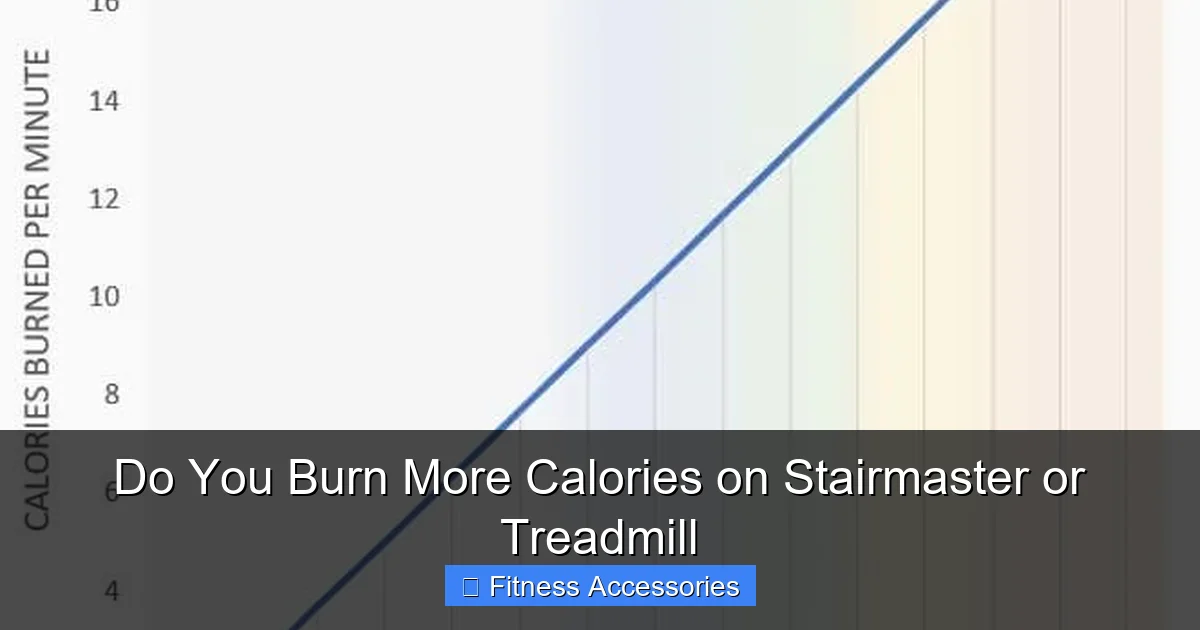
Exercise physiologists use a unit called a MET (Metabolic Equivalent of Task) to estimate energy expenditure. One MET is the energy you use at rest. Activities are given a MET value; the higher the number, the more calories burned per minute. Here’s where we see a clear initial advantage.

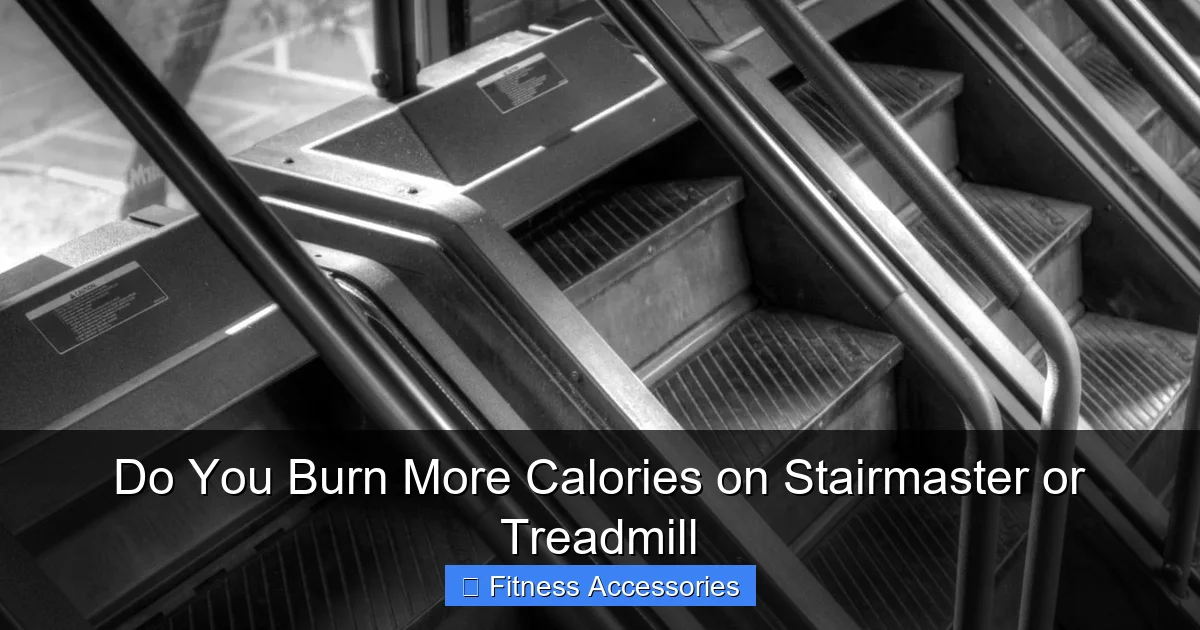
Visual guide about Do You Burn More Calories on Stairmaster or Treadmill
Image source: barbend.com
MET Values: A Direct Comparison
According to the Compendium of Physical Activities, general values are:
- Walking on treadmill, 2.5 mph (4.0 kph), 0% grade: ~2.5 METs
- Walking on treadmill, 3.5 mph (5.6 kph), 0% grade: ~3.5 METs
- Running, 5 mph (8.0 kph), 0% grade: ~8.3 METs
- Running, 6 mph (9.7 kph), 0% grade: ~9.8 METs
- Stair climbing (StairMaster), moderate effort: ~4.0 – 5.0 METs
- Stair climbing (StairMaster), vigorous effort: ~8.0 – 9.0 METs
The nuance is in the “effort.” A moderate StairMaster pace might feel very hard to a beginner, hitting 6 METs. For an advanced user, a slow, controlled climb with high resistance could still be 7 METs. Meanwhile, a brisk walk on a treadmill is 3.5 METs, but a fast run surpasses the StairMaster. So, at comparable perceived exertion levels, the StairMaster often has a higher MET value because it’s inherently more resistant.
The Muscle Mass Factor: Why Resistance Matters
This is the biggest secret. Calorie burn isn’t just about moving your body through space; it’s about how much muscle you’re engaging. Muscle tissue is metabolically active. The more muscle fibers you recruit and fatigue during an activity, the greater the immediate energy demand and the potential for a post-workout metabolic boost (EPOC).
The StairMaster’s downward press is a compound movement that heavily loads the quads and glutes—two of the largest muscle groups in the body. You’re essentially performing thousands of controlled leg presses against gravity. This creates significant muscular fatigue and micro-tears, which the body must repair, burning additional calories in the 24-48 hours after your workout (the afterburn effect).
A treadmill walk or jog, especially at lower inclines, is more of a repetitive, pendulum-like motion. While running does engage the glutes and hamstrings, the impact is absorbed through joints and tendons. The muscle fatigue, while real, is often of a different, less resistant nature than the StairMaster. This generally means the StairMaster has a higher potential for EPOC, leading to more total calories burned over a 24-hour period from a single session of equal duration and perceived effort.
StairMaster vs. Treadmill: The Head-to-Head Breakdown
Let’s get practical. We’ll compare 30-minute sessions for an average 155-pound person (calories are estimates based on MET calculations).
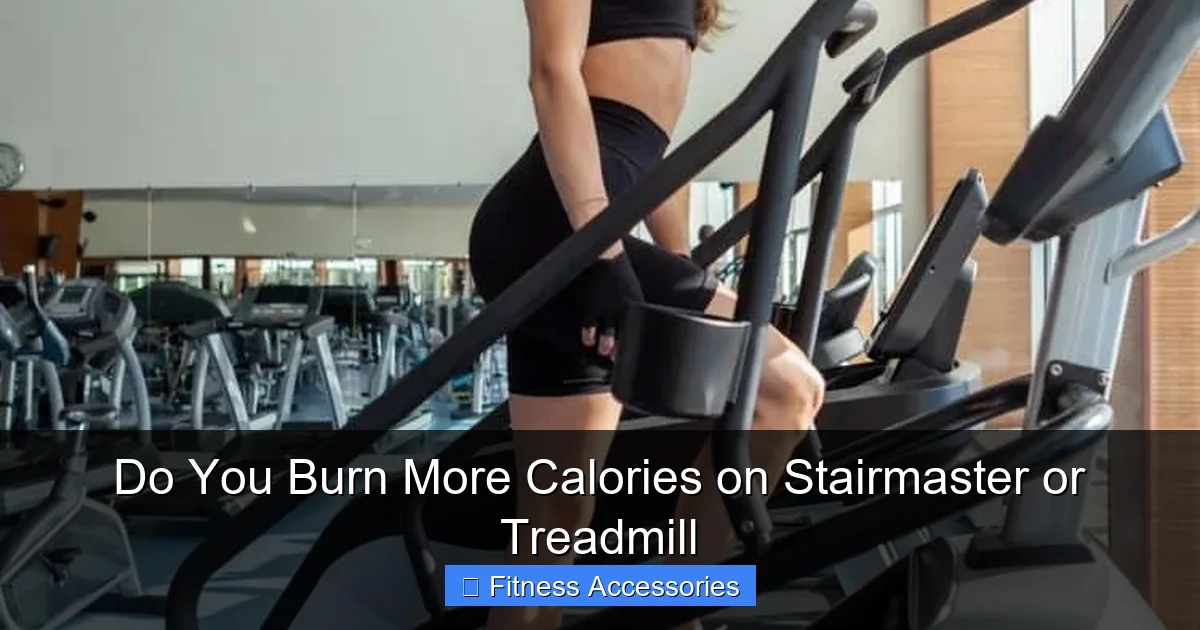
Visual guide about Do You Burn More Calories on Stairmaster or Treadmill
Image source: fitnessvolt.com
Scenario 1: The Moderate, Steady-State Session
StairMaster: You set a moderate resistance (level 4-6 out of 10) and maintain a steady, controlled stepping cadence of 60-70 steps per minute. This is challenging but sustainable. Estimated Burn: 250-350 calories.
Treadmill: You walk at a brisk 3.5 mph with a 3-5% incline. This is a solid, sweat-inducing walk. Estimated Burn: 250-320 calories.
Verdict: Very close. The StairMaster might have a slight edge due to higher muscle recruitment at that effort level. The treadmill session might feel easier on the joints for some.
Scenario 2: The Vigorous, High-Intensity Session
StairMaster: You increase resistance (level 7-9) and push your stepping rate to 80-90+ steps per minute. Your legs are burning within minutes. Estimated Burn: 400-550+ calories.
Treadmill: You run at 6.5-7.5 mph (10-12 min/mile pace). Estimated Burn: 450-600+ calories.
Verdict: The treadmill now pulls ahead or matches it. Running is one of the highest calorie-burning cardio activities. For a fit individual, a fast run will typically out-burn a StairMaster session because the sheer speed and impact require enormous energy. However, achieving and sustaining that running pace is not feasible for everyone.
The Key Insight: Sustainability vs. Peak Intensity
The StairMaster’s magic is in its ability to deliver a high-intensity, muscle-fatiguing workout at a relatively low speed. You don’t need to “run” to get a brutal, calorie-torching workout. This makes it exceptional for people who cannot run due to joint issues, asthma, or simply preference. You can get a supremely difficult workout on the StairMaster while moving at a speed that wouldn’t break a sweat on a treadmill.
The treadmill’s magic is in its scalability and endurance potential. You can start with a 20-minute walk and gradually build to a 60-minute run. For those with the cardiovascular endurance, longer duration at a moderate-to-high speed will almost always lead to a greater total caloric expenditure than a shorter, intense StairMaster session.
Beyond the Calorie Count: Other Critical Factors
Choosing a machine based on calories alone is like choosing a car based only on top speed. You need to consider comfort, safety, and long-term viability.
Visual guide about Do You Burn More Calories on Stairmaster or Treadmill
Image source: i.pinimg.com
Joint Impact and Injury Risk
StairMaster: It is a low-impact machine. Your feet never leave the pedals; there’s no pounding. This is excellent for those with knee, hip, or back issues that are aggravated by running. However, the repetitive knee flexion against resistance can be problematic for people with existing patellar tendinitis or severe arthritis. Form is crucial—leaning on the handles eliminates the calorie-burning benefit and stresses the shoulders.
Treadmill: It is a high-impact activity when running. Each footstrike transmits force up the kinetic chain. This can strengthen bones but also leads to overuse injuries like shin splints, stress fractures, or knee pain. The great equalizer is incline walking. Walking on a steep incline (8-12%) is an incredibly effective, low-impact, high-calorie-burning activity that spares the joints while hammering the glutes. Many physical therapists recommend it as a premier cardio and glute-building tool.
Muscle Building vs. Pure Cardio
If your goal is not just fat loss but also to build or maintain leg muscle, the StairMaster has a distinct advantage. The resistance-based movement provides a significant hypertrophy (muscle-building) stimulus to the quads and glutes, similar to a leg press. Over time, this can increase your resting metabolic rate because muscle burns more calories at rest than fat does.
The treadmill, especially at flat or low inclines, is primarily a cardiovascular endurance tool with minimal muscle-building effect. Incline walking shifts it toward a more muscle-engaging activity, but it still lacks the consistent, loaded resistance of the StairMaster.
Practicality and Engagement
Let’s be honest: boredom is the number one reason people quit workouts. The treadmill can be mind-numbing. Staring at a wall or a screen while walking in place is not for everyone. The StairMaster requires constant, focused effort; you can’t really “zone out” without risking a misstep. This can make time feel slower, but it also keeps you mentally engaged.
Consider your environment. Do you have the space for a home machine? A folding treadmill might work, but a StairMaster is a bulky, heavy piece of equipment. Gym access is a different story—both are standard.
Which Machine Is Right For YOU? A Decision Guide
Forget the generic “which burns more” and ask these personal questions:
What is Your Primary Goal?
- Maximum Calorie Burn in Limited Time (and you can’t run): Choose the StairMaster. A 20-minute, high-resistance session will dwarf a 20-minute walk on a treadmill.
- Endurance Building & Long-Duration Cardio: Choose the Treadmill. It’s easier to sustain a 45-60 minute session.
- Joint-Friendly High-Intensity: Choose the StairMaster OR Treadmill with steep incline walking. Test both and see which feels better.
- Glute & Quad Development (alongside cardio): Choose the StairMaster.
- Training for a Running Event: Choose the Treadmill. Specificity of training matters.
- Complete Beginner with Low Fitness: Start with treadmill walking (flat or slight incline) to build a base. The StairMaster can be brutally discouraging at the start.
Listen to Your Body: The Joint Test
Try 10 minutes on each machine at a moderate effort. How do your knees, hips, and back feel during and after? The machine that leaves you feeling strong and energized, not achy and battered, is your winner. Remember, the best exercise is the one you’ll do consistently without pain.
Maximizing Your Burn: Pro Tips for Either Machine
Whichever you choose, you can optimize it.
For the StairMaster Master
- Ditch the Handrails: Use them only for balance. Engage your core and let your arms swing naturally. This increases calorie burn by 20-30%.
- Focus on Push, Not Speed: It’s about pressing through your heel and squeezing your glute at the top of the step. A slower, harder step burns more than a fast, flimsy one.
- Try Intervals: 2 minutes medium resistance, 1 minute very high resistance (or even step-ups without pedaling). This spikes intensity and EPOC.
- Add Upper Body: Hold light dumbbells (2-5 lbs) and perform bicep curls or shoulder presses as you step. This turns it into a full-body workout.
For the Treadmill Titan
- Embrace the Incline: A 5-10% incline at a brisk walk (3.0-3.5 mph) can burn as many or more calories than running at 6 mph with far less joint stress.
- Use Interval Programs: Alternate 1-2 minutes of running with 1-2 minutes of walking or slow jogging. This is more effective and sustainable than a steady-state run for many.
- Don’t Hold On: Holding the handrails while running or walking on an incline significantly reduces calorie burn and compromises posture. Let your arms swing.
- Go Off-Program: Once a week, do a “pyramid” workout: start at a low speed/incline, increase every 2 minutes, peak, then decrease.
The Final Step: Consistency is King
After all this science and comparison, here is the most important truth: the machine that burns the most calories for you is the one you will use regularly, safely, and for a duration that challenges you. A person who loves the StairMaster and uses it for 30 minutes, 4 times a week, will always outperform the person who begrudgingly runs on the treadmill for 20 minutes once a week. The “best” cardio machine is an extension of your personality and preferences. Do you love the meditative rhythm of a walk? Treadmill. Do you crave a fierce, muscle-burning challenge? StairMaster. Try them both. See which one leaves you feeling accomplished, strong, and eager to come back. That’s your winner. And pair it with smart nutrition, and you’ve got a recipe for real, lasting results.
Frequently Asked Questions
Does the StairMaster burn belly fat specifically?
No machine can spot-reduce fat from the belly. Fat loss occurs systemically across the body. Both the StairMaster and treadmill create a caloric deficit and can reduce overall body fat, including abdominal fat, when combined with a proper diet. The StairMaster’s high muscle engagement may give a slight edge in metabolic boost, but you cannot choose where fat comes off.
Is the StairMaster bad for your knees?
For most people with healthy knees, the StairMaster is a safe, low-impact exercise. However, the repetitive knee flexion against resistance can aggravate existing conditions like severe osteoarthritis or patellar tendinitis. If you have knee pain, consult a doctor or physical therapist. Proper form—pressing through the heel, not the toes, and not locking the knee—is essential to protect the joint.
Can I use the StairMaster or treadmill every day?
Daily high-intensity sessions on either machine are not recommended and can lead to overuse injuries or burnout. Aim for 3-5 days per week of cardio, alternating intensity and type. Consider mixing in low-impact activities like swimming or cycling on your off days. Listen to your body; if you’re excessively sore or fatigued, take a rest day.
Which machine is better for weight loss?
Both are highly effective for weight loss as they burn calories. The “better” machine is the one that allows you to exercise at a higher intensity for a longer total duration over time. For many, the StairMaster provides a more time-efficient, high-intensity workout. For others, the endurance potential of the treadmill leads to greater weekly calorie burn. Ultimately, weight loss is dictated by diet first, exercise second.
Should I use the StairMaster if I’m trying to build muscle?
Yes, the StairMaster is an excellent tool for building endurance and some size in the quadriceps and glutes. It provides a constant, time-under-tension resistance. For significant muscle hypertrophy (size), you would still need traditional strength training with weights (squats, lunges, leg press). View the StairMaster as a fantastic complement to your strength routine, not a complete replacement.
What’s a good beginner workout on each machine?
StairMaster: Start with 5 minutes at a very low resistance (level 2-3) to learn the motion. Aim for 20 minutes total: 1 minute moderate pace, 1 minute very slow/rest, repeat 10x. Focus on form, not speed.
Treadmill: Start with a 5-minute warm-up walk at 2.5 mph. Then do 20 minutes of “incline walk”: 2 minutes at 3.0 mph with 3% incline, 2 minutes at 3.2 mph with 4% incline, repeating. Cool down with a 5-minute walk at 2.0 mph. This builds fitness safely and effectively.