Is It Safe to Do the Elliptical While Pregnant
For most healthy pregnancies, using an elliptical is a safe and excellent form of low-impact cardiovascular exercise, but it requires clearance from your healthcare provider and mindful adjustments as your body changes. The key benefits include maintaining fitness, reducing pregnancy discomfort, and supporting labor, all while minimizing joint stress. However, safety hinges on listening to your body, avoiding overexertion, and knowing when to modify or stop your workout.
Key Takeaways
- Doctor Approval is Non-Negotiable: Always get explicit clearance from your obstetrician or midwife before starting or continuing any exercise regimen during pregnancy, as every pregnancy is unique.
- Ellipticals Offer Superior Low-Impact Cardio: They provide an effective heart-pumping workout without the jarring impact on knees, hips, and spine that running or high-impact aerobics can cause.
- Your Body Will Dictate the Changes: As your center of gravity shifts and your belly grows, you’ll need to adjust your posture, stride length, resistance, and possibly even the machine’s settings or direction.
- Master the “Talk Test” and Heart Rate: You should be able to hold a conversation comfortably during your workout. Monitor your heart rate, keeping it below 140 beats per minute after the first trimester, per many guidelines.
- Know the Absolute “Stop” Signs: Stop immediately and contact your provider if you experience vaginal bleeding, dizziness, shortness of breath before exertion, chest pain, calf pain/swelling, or contractions.
- Hydration and Temperature are Critical: Drink water before, during, and after. Avoid overheating by exercising in a cool room, wearing breathable clothing, and keeping session lengths moderate, especially in the first trimester.
- It’s About Maintenance, Not Peak Performance: The goal is to stay active and healthy, not to train for competitions or push for personal records. Focus on feeling good, not on metrics.
📑 Table of Contents
- Introduction: Navigating Fitness and Pregnancy
- The Incredible Benefits of Elliptical Exercise During Pregnancy
- Safety First: The Golden Rules Before You Stride
- Trimester-by-Trimester Guide to the Elliptical
- Essential Modifications and Pro-Tips for a Comfortable Ride
- When to Stop, Pause, or Seek Alternatives
- Conclusion: A Powerful Tool for a Healthy Pregnancy
Introduction: Navigating Fitness and Pregnancy
Finding out you’re expecting is a whirlwind of joy, planning, and questions. Among the many “can I still do this?” queries, exercise often tops the list. The good news? Staying active during a healthy pregnancy is widely encouraged by medical professionals for its myriad benefits. But the specifics matter—especially when it comes to choosing the right equipment. One of the most common questions we hear is: “Is it safe to do the elliptical while pregnant?”
The short answer is yes, for the vast majority of women with uncomplicated pregnancies, the elliptical is not only safe but one of the best cardiovascular options available. Its smooth, gliding motion is inherently low-impact, sparing your joints, ligaments, and spine from the repetitive pounding of running. It allows you to control your intensity with precision, and it can be adapted throughout all three trimesters. However, “safe” comes with a crucial set of guidelines, modifications, and a mandatory first step: a green light from your own doctor or midwife. Your pregnancy is unique, and your exercise plan must be, too.
This guide will walk you through everything you need to know about elliptical safety during pregnancy. We’ll dive deep into the benefits, break down specific adjustments for each trimester, highlight the non-negotiable safety rules, and help you tune into your body’s signals. Think of this as your friendly, evidence-based companion for keeping moving safely from that positive test until delivery day.
The Incredible Benefits of Elliptical Exercise During Pregnancy
Before we get into the “how,” let’s champion the “why.” Choosing to exercise on an elliptical during pregnancy isn’t about punishing your body; it’s about supporting it. The benefits extend far beyond just burning calories.

Visual guide about Is It Safe to Do the Elliptical While Pregnant
Image source: mikesgym.org
A Cardiovascular Haven for You and Baby
Regular, moderate-intensity cardio strengthens your heart and lungs, improving circulation. This enhanced blood flow is a direct superhighway of oxygen and nutrients to your growing baby. For you, it means better stamina for the marathon of labor and daily life with a newborn. The elliptical’s ability to engage both your upper and lower body means you’re working more muscle groups efficiently, boosting overall cardiovascular health without needing to switch machines.
Joint Love and Back Pain Relief
Pregnancy triggers the release of relaxin, a hormone that loosens ligaments and joints to prepare for birth. This natural process, while necessary, can leave you feeling wobbly and prone to strain. High-impact activities suddenly become risky. The elliptical is a dream here. Your feet never leave the pedals, creating a zero-impact environment. This is a massive win for your knees, hips, and ankles. Furthermore, maintaining an upright posture on the machine (with core engagement) can help counteract the increasing sway of your growing belly, which often pulls the spine forward and contributes to that notorious pregnancy backache. Strengthening the muscles that support your spine through controlled movement can provide significant relief.
Managing Gestational Weight and Blood Sugar
While you shouldn’t be dieting, managing healthy weight gain within your provider’s recommended range is important for your health and your baby’s. Consistent elliptical workouts help you burn calories and build lean muscle, which in turn supports a healthy metabolism. For women at risk for or diagnosed with gestational diabetes, moderate exercise is a cornerstone of management. The elliptical’s predictable, steady-state cardio is perfect for helping regulate blood glucose levels, often working in tandem with diet and, if needed, medication.
The Mental Health Boost
Let’s not forget the mind. Pregnancy is an emotional journey. The rhythmic, almost meditative motion of the elliptical, combined with the release of endorphins, can be a powerful tool against stress, anxiety, and prenatal depression. That 20-30 minute session can be a precious pocket of time just for you, where you feel strong, capable, and in tune with your changing body. It’s a tangible way to nurture your own well-being alongside your baby’s.
Safety First: The Golden Rules Before You Stride
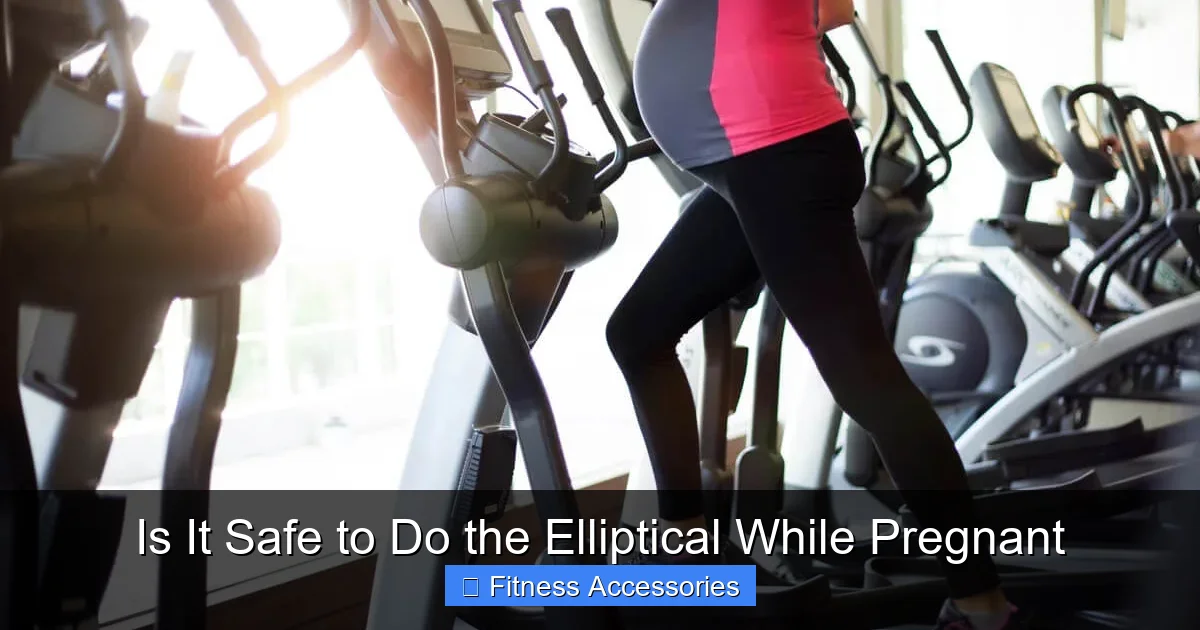
Knowing the benefits is exciting, but safety is the bedrock of any pregnancy exercise plan. Before you even approach the elliptical, you must have a clear, written or verbal, “Yes, you may exercise” from your healthcare provider. They know your specific history, risk factors, and the status of your pregnancy. Once you have that approval, these are the non-negotiable rules to live by.
Visual guide about Is It Safe to Do the Elliptical While Pregnant
Image source: mikesgym.org
Rule #1: The Talk Test is Your Best Friend
Forget about hitting a specific speed or calorie burn on the console. The single most reliable gauge of safe intensity during pregnancy is the “Talk Test.” You should be able to hold a normal conversation without gasping for air. If you can sing a song, you’re likely in a good zone. If you can only speak in single words, you’re working too hard. This simple test automatically scales the intensity to your current fitness level and pregnancy stage. Your respiratory rate increases during pregnancy anyway; the Talk Test ensures you don’t overdo it.
Rule #2: Master Your Heart Rate
While the Talk Test is primary, monitoring your heart rate is an excellent secondary checkpoint. The general guideline from organizations like the American College of Obstetricians and Gynecologists (ACOG) is to keep your heart rate below 140 beats per minute (BPM) during sustained cardio exercise, especially in the second and third trimesters. Many modern ellipticals have heart rate grips. Use them! Start your workout slowly and note what a moderate effort feels like on your heart rate. It’s often lower than your pre-pregnancy “cardio zone.” If your machine doesn’t have a sensor, a chest strap monitor or even periodically checking your pulse manually works.
Rule #3: Hydration is Non-Negotiable
Pregnancy increases your blood volume and metabolic rate, making you more susceptible to dehydration. Dehydration can reduce blood flow to the placenta and trigger uterine contractions. You must drink water consistently. Have 16-20 ounces of water 1-2 hours before your workout, sip continuously during (aim for 7-10 ounces every 20 minutes), and rehydrate well after. Keep a large water bottle right on the machine’s console. If your urine is dark yellow post-workout, you didn’t drink enough.
Rule #4: Temperature Control is Critical
Your core body temperature should not rise significantly above 101°F (38.3°C) during exercise, especially in the first trimester when organ development is most sensitive. Overheating is a definite risk. To prevent this: exercise in a cool, air-conditioned room; wear light, breathable, moisture-wicking clothing; avoid heavy layers; and keep workouts to a moderate duration (20-45 minutes). If you feel flushed, dizzy, or nauseous, stop immediately and cool down.
Rule #5: Listen to Your Body’s “No” Signals
Your body is your ultimate coach. Pregnancy is not the time to push through discomfort. You must stop your workout immediately and contact your healthcare provider if you experience any of the following:
- Vaginal bleeding or spotting
- Dizziness or faintness
- Shortness of breath before you even start exerting yourself
- Chest pain or palpitations that feel irregular
- Pain or swelling in the calf (sign of a blood clot)
- Regular, painful contractions or uterine tightening
- Fluid leaking from the vagina (possible water breaking)
- Headache that doesn’t go away
Remember, it’s always better to err on the side of caution. A missed workout is far better than a preventable complication.
Trimester-by-Trimester Guide to the Elliptical
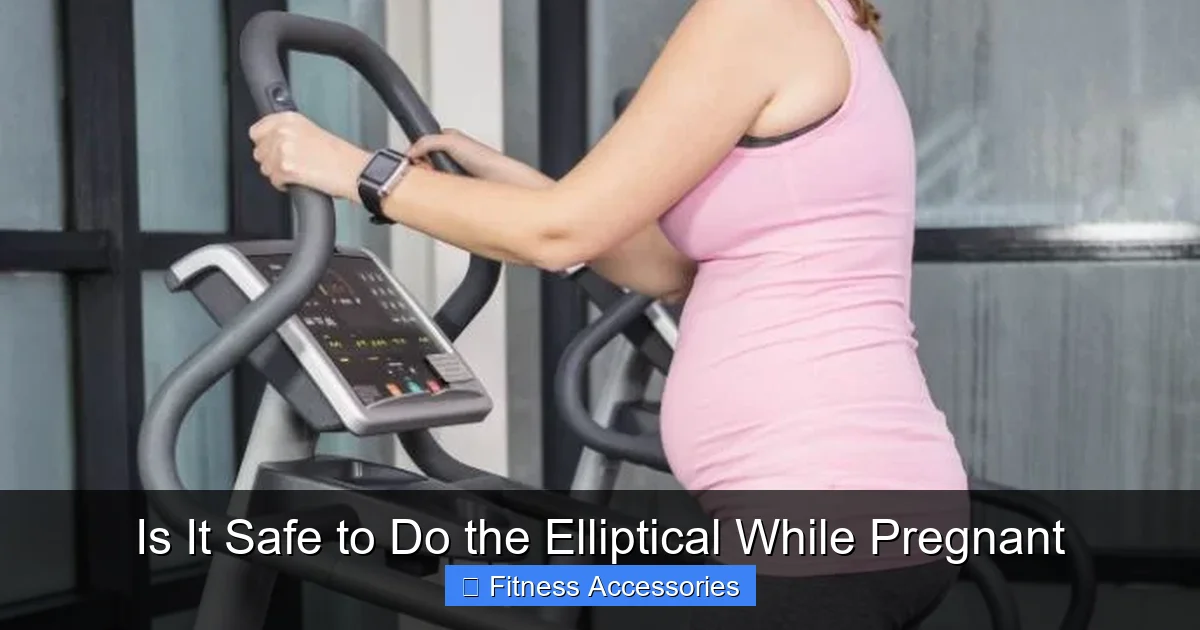
Your body changes dramatically each trimester, and your elliptical routine must evolve with it. What felt perfect in your first trimester may feel awkward or impossible by the third. Here’s how to adapt.
Visual guide about Is It Safe to Do the Elliptical While Pregnant
Image source: ellipticalmachinesc.com
First Trimester (Weeks 1-13): Focus on Foundation and Habit
The first trimester is often marked by fatigue, nausea (morning sickness), and breast tenderness. The elliptical can actually be a great tool here—the gentle motion can alleviate nausea for some, and the consistent routine can help combat overwhelming fatigue by boosting energy levels.
- Intensity: Keep it very light to moderate. Your body is undergoing monumental internal changes. Don’t push.
- Duration: Start with just 15-20 minutes if you’re feeling up to it. Consistency (3-4 times a week) is more important than long sessions.
- Form Focus: This is the time to perfect your form. Stand tall, engage your core (gently pulling your belly button in toward your spine), keep shoulders relaxed and down, and use a full but comfortable range of motion. Don’t lean on the handles; let your legs do the work.
- Mindset: Listen to your nausea and energy levels. If you feel sick, skip it or just do a 5-minute slow warm-up. The goal is movement, not a perfect workout.
Second Trimester (Weeks 14-27): Embrace the “Sweet Spot” and Adjust
For many, the second trimester is the golden era of pregnancy energy and comfort. Your nausea often fades, and your belly is growing but not yet cumbersome. This is prime time for elliptical workouts, but adjustments are key as your center of gravity begins to shift.
- Posture is Paramount: As your belly grows, it’s tempting to lean back to counterbalance the weight. Resist this! Leaning back strains your lower back and disengages your core. Practice standing tall, with a slight, natural forward lean from the ankles, not the waist. Imagine a string pulling your head toward the ceiling.
- Stride Length: You may find your natural stride length feels too long. Don’t force it. Shorten your stride slightly to maintain control and comfort. A shorter, faster stride can often be more sustainable than a long, grinding one.
- Handles: You can continue to use the moving handles for a full-body workout, but ensure you’re not hunching your shoulders. Alternatively, try placing your hands on the stationary handlebars in front of you. This can provide more stability for your upper body as your balance changes.
- Resistance: You can generally increase resistance slightly from the first trimester for a strength-endurance benefit, but always within the Talk Test parameters.
Third Trimester (Weeks 28-40): Stability, Support, and Knowing When to Pause
The third trimester brings significant physical changes. Your belly is large, your center of gravity is very forward, and you may experience pelvic pressure, round ligament pain, or increased fatigue. The elliptical is still possible for many, but it requires the most mindfulness and modification.
- Stance and Grip: A wider stance on the pedals may feel more stable. You might find you almost exclusively use the stationary handlebars for support, focusing purely on the leg motion. This is perfectly fine and safer than risking a loss of balance.
- Drastic Stride Reduction: Your stride will likely be quite short. Focus on a smooth, controlled motion. The range of motion might feel limited, and that’s okay. The cardiovascular benefit is still there.
- Consider Reverse Motion: Some women find pedaling in reverse (if your machine allows it) feels more comfortable on the hips and pelvis in late pregnancy. It engages muscles slightly differently. Try it slowly at first.
- Listen Intently: This is the trimester when you must be most attuned to pelvic discomfort, Braxton-Hicks contractions, and general exhaustion. It is absolutely acceptable—and wise—to reduce frequency, duration, or intensity, or to stop entirely in the final few weeks if your body is giving you signals to rest. Your provider may also advise you to stop at a certain point if complications arise.
Essential Modifications and Pro-Tips for a Comfortable Ride
Beyond trimester-specific changes, there are universal modifications and smart practices that make elliptical workouts safer and more effective throughout your pregnancy.
Footwear and Foot Placement
Wear supportive, well-fitted athletic shoes. Your feet may swell, so ensure there’s still a thumb’s width of space at the toe. On the pedal, place your foot so the ball of your foot is centered on the pedal platform, not hanging off the heel. This provides stability and proper ankle alignment.
The “No Hunching” Rule
It’s easy to hunch your shoulders forward, especially as your chest grows heavier. Consciously pull your shoulders down and back, opening your chest. This improves breathing and prevents upper back and neck tension. Keep your gaze forward, not down at your feet or the console.
Engage Your Core (Gently!)
Core engagement is your best friend for back pain and stability. However, you are not doing crunches. Think of it as a gentle, sustained “sucking in” or “bracing” of your lower abdominal muscles, as if you were about to be lightly punched in the stomach. This supports your lumbar spine. Avoid any motion that causes your belly to “dome” outward (coning), which indicates abdominal strain.
Warm-Up and Cool-Down are Mandatory
Never jump on the machine at a steady pace. Spend 5-10 minutes walking slowly on the elliptical or doing light marching in place to warm up your muscles and gradually increase your heart rate. After your main set, spend another 5-10 minutes slowing your pace and resistance, followed by gentle static stretching for your calves, hamstrings, hip flexors, and chest (standing in a doorway). This helps prevent dizziness and muscle tightness.
Consider a Prenatal Fitness Professional
If you have access to a certified prenatal fitness specialist or a physical therapist with OB experience, a one-time session can be invaluable. They can assess your form, give you personalized modifications, and help you understand your body’s new alignment. Many also offer virtual consultations.
When to Stop, Pause, or Seek Alternatives
While the elliptical is fantastic, it’s not for every moment of every pregnancy. Knowing when to hit pause and what to do instead is a sign of smart, informed exercise, not failure.
Signs It’s Time to Stop the Elliptical (For Now)
You may need to stop using the elliptical well before your due date if you experience:
- Persistent Pelvic Pain or Pressure: This could indicate pelvic girdle pain (PGP) or symphysis pubis dysfunction (SPD), where the pelvic joints become too mobile and painful. The elliptical’s motion can aggravate this.
- Severe Round Ligament Pain: A sharp, stabbing pain in the lower abdomen or groin that doesn’t subside with rest and change of position.
- Increased Braxton-Hicks Contractions: If you notice a pattern of tightening that doesn’t go away with hydration and rest after your workout, it’s time to take a break from that stimulus.
- Profound Fatigue or Breathlessness: If even a light 10-minute session leaves you completely drained, your body is telling you it needs energy for other things.
- Any “Stop” Sign from the previous section.
If you stop for any of these reasons, communicate with your provider. They can help you determine if it’s a temporary pause or a permanent switch to different activities.
Excellent Pregnancy-Safe Alternatives
If the elliptical becomes uncomfortable or you’re advised to stop, you have fantastic, equally safe options:
- Walking: The gold standard. It’s free, can be done anywhere, and you can control pace and terrain perfectly.
- Stationary Recumbent Bike: The back support is excellent for late pregnancy. It’s even lower impact than an upright bike.
- Swimming and Water Aerobics: The ultimate in joint relief. The water supports your weight and provides gentle resistance. The cool temperature is a bonus.
- Prenatal Yoga or Pilates: Focuses on flexibility, core strength (the safe kind), breathwork, and pelvic floor health—all crucial for pregnancy and postpartum.
- Modified Strength Training: Using resistance bands, light dumbbells, or bodyweight exercises (like wall push-ups, seated rows, squats to a chair) to maintain muscle tone.
The core principle is to find an activity you enjoy, that feels good in your body, and that you can do consistently within safe parameters.
Conclusion: A Powerful Tool for a Healthy Pregnancy
So, is it safe to do the elliptical while pregnant? For the overwhelming majority of women with normal, low-risk pregnancies, the answer is a resounding yes. The elliptical stands out as a premier piece of fitness equipment for this journey, offering a uniquely safe, effective, and adaptable cardio workout. It protects your joints, supports your growing belly, and can be a sanctuary of mental calm amid the physical and emotional changes.
However, this safety is not automatic. It is earned through three critical steps: 1) Getting your doctor’s stamp of approval, 2) Mastering the fundamental safety rules (Talk Test, hydration, no overheating), and 3) Dedicating yourself to thoughtful, trimester-by-trimester modifications. Your workout will look different in week 10 than it does in week 35, and that’s not just okay—it’s the plan. The goal is not to maintain your pre-pregnancy performance but to nurture a strong, resilient body for you and your baby.
Embrace the power of listening to your body. Celebrate the days you feel energized enough for a 30-minute stride. Honor the days you need to rest or take a gentle walk instead. Every movement you make with awareness and care is an investment in a healthier pregnancy, a potentially smoother labor, and a faster postpartum recovery. You’ve got this. Now, go get that clearance, lace up your shoes, and stride forward with confidence.
Frequently Asked Questions
Can I use the elliptical in my first trimester if I have morning sickness?
Yes, but with extreme gentleness. If you feel nauseous, start with just 5-10 minutes at a very low resistance and pace. The motion can sometimes alleviate mild nausea, but if it makes you feel worse, stop and rest. Hydration is especially critical here. Focus on simply moving, not on a workout.
My belly is getting big. Should I hold onto the handles for support?
Absolutely, use whichever handles provide you with the most stability and comfort. In your second and especially third trimester, it is common and perfectly safe to transition from the moving handles to the stationary front handles for better balance and to reduce strain on your shoulders and back. Your priority is safety and comfort, not using your arms.
Is it safe to increase the resistance on the elliptical as I get stronger?
You can slightly increase resistance as your fitness improves, but always within the “Talk Test” and heart rate limits. The goal is not to build significant muscle mass but to maintain cardiovascular health and muscular endurance. A moderate resistance that feels like a “pushed” but sustainable effort is ideal. If adding resistance makes you hold your breath or strain, decrease it.
What if I feel pelvic pain while on the elliptical?
Stop immediately. Pelvic pain or pressure is a signal that the activity may not be suitable for your body at that time. This could be a sign of pelvic girdle pain (PGP). Discontinue the elliptical and consult your healthcare provider or a prenatal physical therapist. They can diagnose the issue and suggest alternatives like swimming or supported exercises.
Can the elliptical help with labor and delivery?
Indirectly, yes. Regular cardiovascular exercise like elliptical training improves your stamina and endurance, which can help you cope with the physical demands of labor. The rhythmic, weight-bearing motion (even low-impact) can also help maintain bone density and may encourage optimal fetal positioning by keeping your pelvis mobile. However, it is not a guarantee of a shorter or easier labor.
Is there a point in pregnancy where all gym equipment is off-limits?
Not necessarily “all” equipment, but many types become risky as pregnancy progresses. Your provider may advise you to avoid activities with a high risk of falling or abdominal trauma (like mountain biking, skiing, or contact sports). Regarding gym machines, those that require you to lie flat on your back after the first trimester (like some abdominal benches) should be avoided due to reduced blood flow. The elliptical, recumbent bike, and seated strength machines are often the safest gym choices in the third trimester, but always with modifications and listening to your body.