The Best Vinegary Sauce Recipes and Tips You Will Love
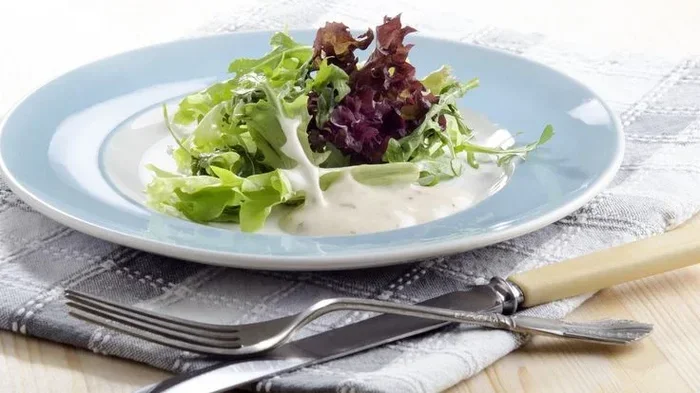
Vinegary sauce is a versatile, tangy condiment that can transform any meal from ordinary to extraordinary. Whether you are drizzling it over a fresh salad, using it as a marinade, or dipping bread into it, a good vinegary sauce adds brightness and depth to your food. In this guide, we will share easy recipes, pro tips, and practical advice so you can make vinegary sauce at home like a pro.
If you have ever bitten into a crisp salad or a perfectly grilled chicken breast and thought, “This needs something more,” then you already understand the magic of a vinegary sauce. A simple blend of vinegar, oil, and seasoning can completely change the way food tastes. It is one of those kitchen essentials that every home cook should have in their arsenal.
In this article, we will walk you through everything you need to know about vinegary sauce. From basic recipes to advanced tips, we have got you covered. You will learn how to make different styles, avoid common mistakes, and discover creative ways to use your vinegary sauce every single day. Let us dive in.
Key Takeaways
- Easy Homemade Recipes: Learn simple vinegary sauce recipes using pantry staples that take minutes to prepare.
- Versatile Uses: A tangy vinegary sauce works as a salad dressing, marinade, dipping sauce, and more.
- Health Benefits: Vinegar-based sauces are low in calories and fat, making them a smart choice for health-conscious eaters.
- Customizable Flavors: You can tweak your vinegary sauce with herbs, spices, and different vinegar types to match any cuisine.
- Long Shelf Life: Homemade vinegary sauces store well in the fridge, saving you time and money.
- Common Mistakes to Avoid: Know the pitfalls that ruin a good vinegary sauce and how to fix them.
📑 Table of Contents
What Exactly Is a Vinegary Sauce?
A vinegary sauce is any sauce that uses vinegar as its base or main flavor component. Vinegar brings acidity, tang, and brightness to dishes. When you combine it with oil, mustard, herbs, or sweeteners, you get a tangy sauce that enhances almost any food.
The most common types of vinegar used in these sauces include:
- Red wine vinegar — adds a mild, slightly fruity tang
- Apple cider vinegar — brings a sweet and sharp flavor
- Balsamic vinegar — offers a rich, sweet depth
- White wine vinegar — light and clean with a subtle bite
- Rice vinegar — mild and slightly sweet, perfect for Asian dishes
Each type of vinegar creates a different flavor profile. That is what makes vinegary sauce so versatile. You can adjust the vinegar type to match any cuisine or personal preference.
Why Vinegar-Based Dressings Are So Popular
Vinegar-based dressings have been around for centuries. They are simple, healthy, and incredibly flavorful. Unlike creamy dressings that are loaded with calories and fat, a vinegary sauce is naturally low-calorie. A typical vinaigrette has only about 30 to 50 calories per tablespoon. That makes it a favorite for anyone watching their calorie intake.
Another reason people love vinegary sauce is the shelf life. Because vinegar is a natural preservative, these sauces last much longer than dairy-based options. A homemade vinegary sauce can stay fresh in the fridge for up to two weeks.
Quick Tip
Always shake your vinegary sauce before using. The oil and vinegar naturally separate over time. A quick shake blends them back together for a smooth, even texture.
Essential Ingredients for a Great Vinegary Sauce
Making a great vinegary sauce does not require fancy ingredients. In fact, the best ones come from what you already have in your kitchen. Here is what you need to get started.
The Base: Vinegar and Oil
The foundation of any vinegary sauce is a ratio of vinegar to oil. The classic emulsified sauce uses a 1-to-3 ratio — one part vinegar to three parts oil. This creates a balanced tangy sauce that is not too sharp and not too oily.
For the oil, extra virgin olive oil is the go-to choice. It adds a fruity, peppery flavor that pairs well with most vinegar-based dressings. However, you can also use avocado oil, grapeseed oil, or even sesame oil for different flavor profiles.
The Flavor Boosters
To take your vinegary sauce from basic to brilliant, add a few extra ingredients:
- Mustard — acts as an emulsifier and adds a subtle kick
- Garlic — fresh minced garlic gives a bold, aromatic flavor
- Honey or maple syrup — a touch of sweetness balances the acidity
- Fresh herbs — basil, dill, parsley, or chives add freshness
- Salt and pepper — the simplest seasonings that make everything better
These pantry staples are all you need to create a homemade dressing that tastes better than anything from a store-bought bottle.
Comparison Table: Common Vinegar Types for Sauce
| Vinegar Type | Flavor Profile | Best Used In |
|---|---|---|
| Red Wine Vinegar | Mild, fruity, tangy | Mediterranean salads, marinades |
| Apple Cider Vinegar | Sweet, sharp, fruity | Coleslaw, BBQ sauces, dipping sauces |
| Balsamic Vinegar | Rich, sweet, complex | Caprese salads, glazes, reductions |
| White Wine Vinegar | Light, clean, sharp | Delicate salads, seafood dishes |
| Rice Vinegar | Mild, slightly sweet | Asian slaws, sushi dressings |
Expert Insight
Chef Maria Torres, a professional chef with over 15 years of experience, says: “The secret to a perfect vinegary sauce is balance. Taste as you go and adjust the vinegar and oil until the flavor feels right for you. Everyone’s palate is different, so there is no single perfect ratio.”
Top Vinegary Sauce Recipes You Will Love
Now let us get to the fun part. Here are some easy and delicious vinegary sauce recipes you can make right now. Each one is simple, uses common ingredients, and delivers big flavor.
1. Classic Lemon Vinaigrette
This is the simplest vinegary sauce you will ever make. It takes less than two minutes and tastes incredible on any green salad.
Ingredients:
- 3 tablespoons extra virgin olive oil
- 1 tablespoon fresh lemon juice (or white wine vinegar)
- 1 teaspoon Dijon mustard
- Half a teaspoon honey
- Salt and pepper to taste
Instructions: Whisk all ingredients together in a jar. Shake well until the mixture is smooth and combined. Pour over your favorite salad and toss gently. This vinegary sauce keeps in the fridge for up to one week.
2. Balsamic Vinaigrette with Honey
If you love a slightly sweet tangy sauce, this recipe is for you. The balsamic vinegar brings a deep, rich flavor that pairs beautifully with tomatoes, mozzarella, and fresh basil.
Ingredients:
- 3 tablespoons balsamic vinegar
- 1 tablespoon olive oil
- 1 tablespoon honey
- Half a teaspoon garlic powder
- Pinch of salt and black pepper
Instructions: Combine all ingredients in a bowl and whisk until the honey dissolves completely. Transfer to a jar and refrigerate. Shake before each use. This vinegary sauce is perfect for Caprese salads and grilled vegetables.
3. Asian-Inspired Rice Vinegar Dressing
For something different, try this light and refreshing vinegary sauce inspired by Asian flavors. It works beautifully as a salad dressing or a marinade for grilled proteins.
Ingredients:
- 2 tablespoons rice vinegar
- 1 tablespoon sesame oil
- 1 tablespoon soy sauce
- 1 teaspoon honey
- 1 teaspoon grated fresh ginger
- 1 clove garlic, minced
Instructions: Mix all ingredients in a bowl and whisk until smooth. This vinegary sauce is best used fresh but can be stored in the fridge for up to five days. Use it to dress coleslaw, noodle salads, or as a dipping sauce for spring rolls.
4. Creamy Herb Vinaigrette
This is a step up from a basic vinaigrette. The addition of yogurt or mayonnaise gives it a creamy texture while keeping the tangy vinegar flavor front and center.
Ingredients:
- 2 tablespoons red wine vinegar
- 3 tablespoons Greek yogurt
- 1 tablespoon olive oil
- 1 tablespoon fresh dill, chopped
- 1 tablespoon fresh chives, chopped
- Half a teaspoon garlic, minced
- Salt and pepper to taste
Instructions: Whisk the vinegar, yogurt, and olive oil together. Stir in the herbs and garlic. Season with salt and pepper. This vinegary sauce is fantastic on potato salads, chicken wraps, and as a marinade for grilled fish.
Key Takeaways
- Keep it simple: A great vinegary sauce does not need many ingredients.
- Taste and adjust: Always taste your sauce and tweak the seasoning to your preference.
- Store properly: Most vinegary sauces last 1 to 2 weeks in the refrigerator.
- Experiment freely: Swap vinegars, oils, and herbs to create your own signature tangy sauce.
How to Use Vinegary Sauce in Everyday Cooking
A vinegary sauce is not just for salads. Once you start using it regularly, you will find dozens of ways to incorporate it into your daily cooking. Here are some of the best and most practical uses.
As a Salad Dressing
This is the most obvious use, and for good reason. A well-made vinegary sauce turns a simple green salad into a restaurant-quality dish. Toss it with mixed greens, add some salad toppings like nuts, cheese, or fruit, and you have a meal that is both healthy and satisfying.
As a Marinade for Meat and Vegetables
The acidity in a vinegary sauce helps tenderize meat and infuse it with flavor. Use it as a marinade for chicken, pork, tofu, or even vegetables before grilling or roasting. Marinate for at least 30 minutes, or up to overnight for the best results.
As a Dipping Sauce
Thin your vinegary sauce a bit with extra oil or water, and you have a quick and easy dipping sauce for bread, vegetables, or chicken nuggets. It is especially good with crusty Italian bread or fresh crudites.
As a Finishing Touch
Drizzle a vinegary sauce over soups, roasted vegetables, or grilled steak just before serving. The acidity cuts through richness and adds a bright, lively finish to any dish. This technique is common in fine dining and is easy to replicate at home.
Common Mistakes That Ruin a Vinegary Sauce
Even though making a vinegary sauce is simple, there are a few mistakes that can ruin the final result. Here is what to watch out for.
Using Too Much Vinegar
The most common mistake is adding too much vinegar and not enough oil. This creates a sauce that is harsh and unpalatable. Always start with the classic 1-to-3 ratio and adjust from there. Remember, you can always add more vinegar, but you cannot take it away.
Skipping the Emulsifier
Without an emulsifier like mustard or honey, your vinegary sauce will separate quickly. The oil and vinegar will split into layers, leaving you with an uneven mixture. A good emulsifier binds the ingredients together and creates a smooth, creamy emulsified sauce.
Using Low-Quality Vinegar
The vinegar you use matters a lot. Cheap, distilled white vinegar can taste harsh and flat. Invest in a good-quality balsamic vinegar, red wine vinegar, or apple cider vinegar for the best flavor. Your vinegary sauce will taste noticeably better.
Not Tasting as You Go
Every palate is different. What tastes balanced to one person might be too tangy or too oily for another. Always taste your vinegary sauce before serving and adjust the seasoning, sweetness, or acidity to your liking.
Quick Tip
If your vinegary sauce tastes too sharp, add a small amount of honey or a pinch of sugar. If it is too oily, add a splash more vinegar. Small adjustments make a big difference.
Health Benefits of Vinegary Sauce
Beyond its incredible taste, a vinegary sauce offers several health benefits that make it a smart addition to your diet.
Low in Calories and Fat
A typical vinegar-based dressing has a fraction of the calories found in creamy alternatives like ranch or Caesar dressing. If you are trying to eat healthier or manage your weight, switching to a vinegary sauce is an easy and effective change.
Supports Digestion
Apple cider vinegar, in particular, has been linked to improved digestion. When you use it as the base for your vinegary sauce, you are adding a small but meaningful amount of gut-friendly probiotics to your meal.
Helps Control Blood Sugar
Studies suggest that vinegar can help moderate blood sugar spikes after meals. Using a vinegary sauce on carb-heavy dishes like pasta or bread may help slow down glucose absorption.
No Artificial Preservatives
When you make your own vinegary sauce at home, you control exactly what goes into it. There are no artificial preservatives, added sugars, or mystery ingredients. Just real, wholesome food.
Expert Insight
Nutritionist David Chen recommends: “A homemade vinegary sauce is one of the simplest ways to improve your diet without sacrificing flavor. It replaces high-calorie dressings and adds beneficial acetic acid to your meals. I tell all my clients to make a big batch at the start of the week.”
Storing and Shelf Life of Vinegary Sauce
One of the best things about a vinegary sauce is how long it lasts. Because vinegar is a natural preservative, these sauces stay fresh much longer than dairy-based or fresh herb sauces.
Store your homemade vinegary sauce in an airtight glass jar in the refrigerator. Most vinegar-based dressings will last 1 to 2 weeks. If you add fresh herbs or dairy, use it within 3 to 5 days for the best quality.
Always label your jar with the date you made it. This helps you keep track and ensures you use it while it is at its freshest. If you notice any changes in color, smell, or texture, it is best to throw it out and make a fresh batch.
Conclusion
A vinegary sauce is one of the most useful and versatile condiments you can have in your kitchen. It is easy to make, packed with flavor, and good for you. Whether you are tossing it on a salad, marinating chicken, or dipping bread into it, a homemade vinegary sauce elevates every meal.
The recipes and tips in this guide give you everything you need to start making your own tangy sauce today. Experiment with different vinegars, oils, and seasonings to find your perfect blend. Once you taste the difference between homemade and store-bought, you will never go back.
So grab your vinegar, your olive oil, and a jar. Make your first batch of vinegary sauce this week. Your taste buds will thank you.
Frequently Asked Questions
What is the best vinegar for a vinegary sauce?
It depends on your taste and what you are making. Red wine vinegar is great for Mediterranean dishes, apple cider vinegar works well for coleslaw and BBQ, and balsamic vinegar adds a sweet depth to salads and glazes. The best vinegary sauce is the one that matches your personal flavor preferences.
Can I make a vinegary sauce without oil?
Yes, you can. A vinegary sauce without oil will be more acidic and lighter in texture. Some people prefer this for health reasons or because they want a sharper flavor. You can add a little honey or mustard to help balance the acidity and create a smoother consistency.
How long does homemade vinegary sauce last in the fridge?
Most homemade vinegary sauces last 1 to 2 weeks when stored in an airtight container in the refrigerator. If you add fresh herbs or dairy ingredients like yogurt, use it within 3 to 5 days for the best taste and freshness.
Is vinegary sauce the same as vinaigrette?
Yes, a vinaigrette is a type of vinegary sauce. The term “vinaigrette” specifically refers to the classic French emulsified sauce made with vinegar and oil. However, “vinegary sauce” is a broader term that can include any sauce where vinegar plays a starring role.
Can I use a vinegary sauce as a marinade?
Absolutely. The acidity in a vinegary sauce helps tenderize meat and infuse it with flavor. Use it as a marinade for chicken, pork, tofu, or vegetables. Just marinate for at least 30 minutes, and avoid marinating too long with very acidic sauces as they can break down the texture of the meat.
How do I fix a vinegary sauce that is too tangy?
If your vinegary sauce is too sharp, add a small amount of honey, maple syrup, or a pinch of sugar to balance the acidity. You can also add a bit more oil to mellow the flavor. Always add these extras gradually and taste as you go until the flavor feels right.