How Many Tablespoons in a Cup Easy Conversion Guide
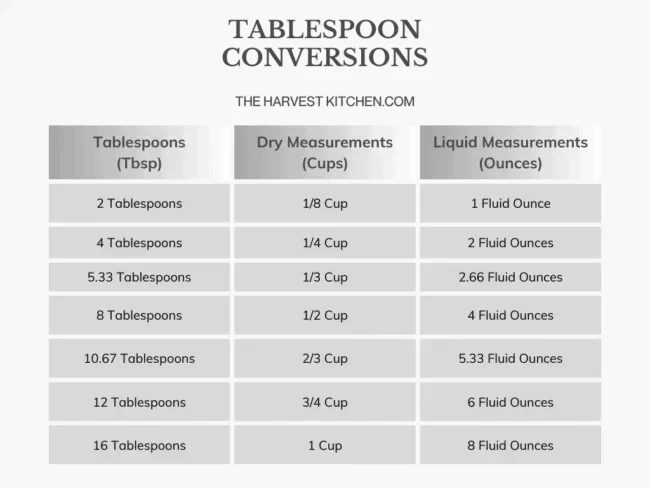
One cup equals 16 tablespoons, making kitchen conversions simple and fast. This guide covers liquid and dry ingredient measurements, common cooking mistakes, and handy conversion charts. Whether you are baking a cake or meal prepping for a kettlebell workout week, knowing this ratio saves time and reduces errors.
Ever stood in your kitchen staring at a recipe that calls for cups but your measuring spoons are all you have? You are not alone. How many tablespoons in a cup is one of the most common questions home cooks ask. The answer is simple: 16 tablespoons make up one cup. Once you know this, your cooking and baking life gets so much easier.
Measuring ingredients correctly is the secret to great food. Too much flour can make a cake dense. Too little salt can leave a dish bland. Whether you are a beginner or a seasoned cook, mastering this basic conversion helps you nail every recipe. And if you are tracking your nutrition or calorie intake, getting measurements right matters even more.
This guide walks you through everything you need to know. We cover the basic ratio, common conversions, tips for accuracy, and mistakes to avoid. By the end, you will never second-guess a measurement again.
Key Takeaways
- 1 Cup = 16 Tablespoons: This is the golden ratio you need to remember for all your cooking and baking needs.
- 1 Tablespoon = 3 Teaspoons: A helpful sub-conversion that makes smaller measurements easy to calculate.
- Liquid vs. Dry Matters: The conversion stays the same, but how you measure can change your results.
- Use a Measuring Spoon Set: This is the best way to get accurate measurements every single time.
- Common Mistakes Cost You: Packing flour or using the wrong spoon size can ruin your recipe.
- Quick Math Works: You do not need a calculator. Just multiply cups by 16 to get tablespoons.
📑 Table of Contents
- Why Knowing Tablespoon to Cup Conversions Matters
- The Basic Conversion: Tablespoons to Cups
- Common Kitchen Measurement Conversions
- Liquid vs. Dry Measurements
- Tools That Make Measuring Easier
- Common Mistakes When Measuring Tablespoons and Cups
- Quick Tips for Perfect Measurements Every Time
- How This Connects to Your Active Lifestyle
- Final Thoughts
Why Knowing Tablespoon to Cup Conversions Matters
Cooking and baking are both science and art. The ratios between ingredients matter a lot. When a recipe says one cup of flour, you need to know exactly how much that is in tablespoons. Here is why this knowledge is so important.
Accuracy in Baking
Baking is more precise than cooking. You cannot just throw in extra sugar and hope for the best. One wrong measurement can change the texture, taste, and rise of your baked goods. When you know that 1 cup equals 16 tablespoons, you can scale recipes up or down with confidence.
For example, if a recipe calls for half a cup of cocoa powder, you now know that is 8 tablespoons. Simple math. No guesswork. This precision makes a huge difference in the kitchen.
Cooking with Confidence
Even when you are making savory dishes, measurements count. A marinade might need a quarter cup of soy sauce. That is 4 tablespoons. A sauce might call for two-thirds cup of oil. That is about 10 and two-thirds tablespoons.
Knowing these conversions helps you adjust recipes on the fly. You can easily double a sauce or halve a marinade without pulling out a calculator. This kind of confidence makes cooking more fun and less stressful.
Nutrition Tracking and Meal Prep
If you are counting calories or tracking macros, accurate measurements are essential. A tablespoon of olive oil has about 120 calories. A cup has 16 tablespoons. That means a full cup of olive oil has nearly 1,920 calories. Knowing your tablespoons in a cup helps you track your intake more accurately.
Meal preppers benefit too. When you batch cook for the week, getting the right amount of each ingredient ensures consistent portions. This is especially helpful if you are fueling your body for workouts like how many calories a kettlebell workout burns or tracking your daily energy needs.
The Basic Conversion: Tablespoons to Cups
The core conversion is straightforward. Here is the foundation you need to memorize.
- 1 Cup = 16 Tablespoons
- 1/2 Cup = 8 Tablespoons
- 1/3 Cup = 5 and 1/3 Tablespoons
- 1/4 Cup = 4 Tablespoons
- 2/3 Cup = 10 and 2/3 Tablespoons
- 3/4 Cup = 12 Tablespoons
These are the conversions you will use most often. Print them out or save them on your phone. Over time, you will memorize them naturally. The key is practice. Every time you cook, you reinforce these numbers in your brain.
How to Do the Math
Converting cups to tablespoons is just multiplication. Multiply the number of cups by 16. That gives you the number of tablespoons.
Let us look at a few examples:
- 2 cups times 16 = 32 tablespoons
- 1/2 cup times 16 = 8 tablespoons
- 0.75 cup times 16 = 12 tablespoons
Going the other way is just as easy. Divide tablespoons by 16 to get cups. If a recipe calls for 24 tablespoons, divide by 16. That equals 1.5 cups, or one and a half cups.
Common Kitchen Measurement Conversions
The tablespoons in a cup ratio is just the start. Here are other conversions that pair well with this knowledge.
Teaspoons and Tablespoons
One tablespoon equals 3 teaspoons. This is another key ratio to remember. So if you need 12 teaspoons, that is 4 tablespoons. If you need 6 tablespoons, that is 18 teaspoons.
These small conversions matter a lot in baking. A recipe might call for 9 teaspoons of baking powder. Knowing that is 3 tablespoons helps you measure faster and more accurately.
Cups to Fluid Ounces
For liquids, one cup equals 8 fluid ounces. And one fluid ounce equals 2 tablespoons. So one cup of liquid equals 16 tablespoons or 8 fluid ounces. This works perfectly for water, milk, oil, and broth.
Keep in mind that fluid ounces measure volume, not weight. This is different from ounces used for dry ingredients. Do not mix them up or your results will suffer.
Metric Conversions
If you use metric measurements, here is a quick reference. One US cup equals about 240 milliliters. One tablespoon equals about 15 milliliters. So 16 tablespoons times 15 milliliters equals 240 milliliters. It all checks out.
For those who cook with kitchen scales, one cup of all-purpose flour weighs about 120 grams. But volume measurements like tablespoons and cups are still the most common in recipes worldwide.
Liquid vs. Dry Measurements
Here is something important. The tablespoons in a cup ratio stays the same whether you measure liquid or dry ingredients. But how you measure them can be very different.
Measuring Liquids
Use a liquid measuring cup for things like water, milk, and oil. These cups have a spout and are see-through. You pour the liquid in and read the measurement at eye level.
When using tablespoons for liquids, fill the spoon to the top. Do not let it drip. One level tablespoon of liquid is the standard.
Measuring Dry Ingredients
Dry ingredients like flour, sugar, and cocoa powder need a different approach. Spoon the ingredient into your measuring cup or tablespoon. Then level it off with the back of a knife.
Never scoop flour directly from the bag with your measuring cup. This packs the flour down and gives you more than the recipe calls for. This is one of the biggest mistakes home cooks make.
For example, if a recipe calls for 4 tablespoons of flour, that is 1/4 cup. But if you scoop and pack, you might end up with 5 or 6 tablespoons worth of flour. That extra amount changes the texture of whatever you are making.
A Quick Comparison Table
Here is a side-by-side look at how the same volume works for both liquid and dry ingredients.
- 1/4 Cup: 4 tablespoons for both liquid and dry
- 1/3 Cup: 5 and 1/3 tablespoons for both
- 1/2 Cup: 8 tablespoons for both
- 2/3 Cup: 10 and 2/3 tablespoons for both
- 3/4 Cup: 12 tablespoons for both
- 1 Cup: 16 tablespoons for both
The ratio does not change. Only the technique changes. Always use the right tool for the job.
Tools That Make Measuring Easier
You do not need fancy equipment to measure well. But a few good tools make a big difference.
Measuring Spoon Sets
A basic set of measuring spoons includes 1/4 teaspoon, 1/2 teaspoon, 1 teaspoon, and 1 tablespoon. These are inexpensive and last for years. Look for sets that are sturdy and easy to read.
When measuring tablespoons, make sure the spoon is level. Not heaping, not packed. Level is the goal. This gives you the most accurate results.
Liquid Measuring Cups
A 2-cup and a 4-cup liquid measuring cup cover most home cooking needs. Choose one with clear markings and a spout for pouring. Glass ones are easy to clean and do not stain.
Kitchen Scales
For serious bakers, a kitchen scale is a game changer. Weight measurements are more accurate than volume measurements. But for everyday cooking, tablespoons and cups work just fine.
If you are tracking your food intake, knowing that how many calories a kettlebell swing burns or how much oil you use in cooking matters. A kitchen scale helps you measure oils and fats by weight for more accurate calorie counting.
Conversion Charts
Keep a conversion chart on your fridge or saved on your phone. These quick references save time when you are in the middle of cooking. You do not need to stop and do math every time.
Common Mistakes When Measuring Tablespoons and Cups
Even experienced cooks make measurement mistakes. Here are the ones to watch out for.
Using the Wrong Size Spoon
This sounds obvious, but it happens all the time. A dinner spoon is not a tablespoon. A regular spoon is not a teaspoon. Always use proper measuring spoons for accuracy.
Using the wrong spoon size can throw off a recipe by a lot. If a recipe needs 3 tablespoons of honey and you use a small spoon instead, you will add way too little.
Not Leveling Off Dry Ingredients
We mentioned this before, but it bears repeating. Always level off dry ingredients. Use a straight edge like the back of a knife to sweep off the excess.
This one mistake can add up to 20 to 30 percent more flour than intended. In baking, that is the difference between a perfect cake and a dense brick.
Confusing Weight and Volume
A cup of flour weighs less than a cup of sugar. A cup of water weighs more than a cup of oil. Volume is not the same as weight. Do not assume that one cup of any ingredient weighs the same.
Ignoring Temperature
Some ingredients change volume based on temperature. Butter, for example, measures differently when it is melted versus cold. Always follow the recipe’s instructions for ingredient temperature.
Quick Tips for Perfect Measurements Every Time
- Always use the right tool: Liquid cups for liquids, dry cups for dry ingredients, spoons for small amounts.
- Read at eye level: When using a liquid measuring cup, bend down and read the mark at eye level.
- Spoon and level: For dry ingredients, spoon them in and level off. Never scoop directly.
- Measure over the bowl: This catches spills and keeps your workspace clean.
- Double-check your math: When scaling recipes, multiply or divide carefully. A small error grows with larger batches.
- Keep a cheat sheet: Tape the conversion chart near your cooking area for quick reference.
- Practice makes perfect: The more you measure, the faster and more accurate you become.
How This Connects to Your Active Lifestyle
Cooking at home is a great way to control what you eat. When you meal prep for a busy week, accurate measurements help you hit your nutrition goals. Whether you are fueling up for a workout or tracking your daily intake, knowing your measurements matters.
For those who are active, cooking with precision helps you balance your calorie intake with your energy output. If you burn a lot of calories through activities like jump rope, you need to know exactly how much fuel you are putting on your plate. A tablespoon of honey here or there adds up fast.
Some people even track their cooking as part of their fitness routine. Chopping, stirring, and standing while cooking all burn a few extra calories. It is not as intense as how many calories burned in 1 hour jump rope, but every bit counts when you are staying active.
Understanding measurements also helps when you adjust recipes for dietary needs. If you are cutting sugar or reducing sodium, knowing exactly how many tablespoons are in a cup lets you scale down precisely.
Final Thoughts
The answer to how many tablespoons in a cup is 16. That one fact opens up a world of cooking and baking confidence. You can now scale any recipe, measure any ingredient, and adjust any ratio with ease.
Remember the key ratios. One cup is 16 tablespoons. One tablespoon is 3 teaspoons. One cup of liquid is 8 fluid ounces. These basics never change no matter what you are cooking.
Start using these conversions today. Print out the chart. Save it on your phone. Practice until it becomes second nature. Soon you will be measuring ingredients without even thinking about it. Your food will taste better, your baking will rise higher, and your nutrition tracking will be more accurate.
Great cooking starts with great measurements. Master the tablespoon-to-cup ratio, and you have mastered one of the most important skills in the kitchen. Now go cook something amazing.
Frequently Asked Questions
How many tablespoons are in a standard cup?
A standard US cup contains exactly 16 tablespoons. This is the most common measurement used in American recipes. Whether you are measuring flour, sugar, or liquids, this ratio stays the same.
How do I convert tablespoons to cups quickly?
Divide the number of tablespoons by 16 to get cups. For example, 32 tablespoons divided by 16 equals 2 cups. For quick mental math, remember that every 16 tablespoons equals one cup.
Does the tablespoon-to-cup ratio change for different ingredients?
No, the volume ratio stays the same. One cup always equals 16 tablespoons whether you are measuring flour, water, oil, or honey. However, the weight of those 16 tablespoons will vary by ingredient.
Can I use a regular spoon instead of a measuring tablespoon?
You should not. A regular spoon is not standardized and will give you inaccurate measurements. A proper measuring tablespoon holds exactly 15 milliliters. Using a random spoon can throw off your recipe by a significant amount.
How many tablespoons are in a half cup?
A half cup equals 8 tablespoons. This is one of the most common conversions you will use in the kitchen. Just remember that half of 16 is 8.
Is a metric cup the same as a US cup for tablespoons?
No, they are slightly different. A US cup equals 16 tablespoons. A metric cup (250 milliliters) equals about 16.9 tablespoons. For most home cooking, the US standard of 16 tablespoons per cup is what you will use.