How to Cook Chateaubriand Meat for a Perfect Dinner
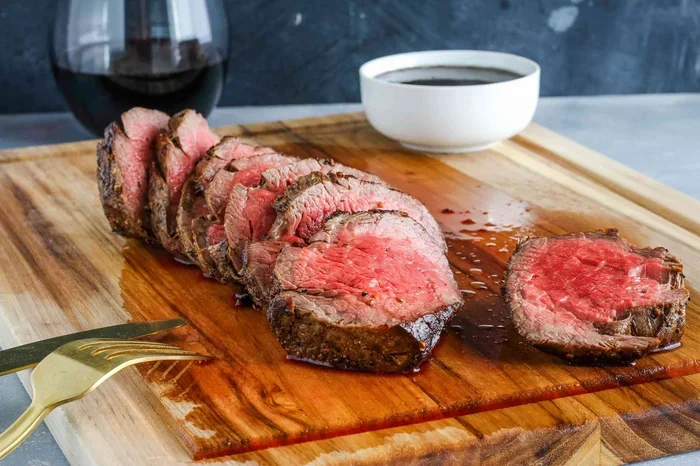
Learn how to cook chateaubriand meat with this complete guide to preparing the classic French beef tenderloin roast. This elegant dinner recipe covers everything from selecting the perfect cut to crafting the traditional sauce, ensuring your next special meal is a success.
There is something truly special about a chateaubriand meat roast. This classic French dish turns an ordinary evening into a celebration. Whether you are cooking for an anniversary, a holiday gathering, or simply because you deserve a great meal, this roast beef recipe delivers every time.
The beauty of how to cook chateaubriand meat lies in its simplicity. You do not need fancy equipment or years of experience. With the right cut, a hot pan, and a little patience, you can create a restaurant-quality meal right in your own kitchen. This guide walks you through every step, from picking out the meat to slicing it for the perfect plate.
If you are new to cooking beef tenderloin, do not worry. We will cover all the basics and share tips that even experienced cooks use. By the end of this article, you will feel confident enough to prepare this premium beef roast for your next dinner party. Let us get started on your journey to mastering this classic French cooking dish.
Key Takeaways
- Choose the Right Cut: The chateaubriand comes from the center of the beef tenderloin, ensuring even cooking and maximum tenderness.
- Sear Before Roasting: A hot sear creates a flavorful crust that locks in juices and adds visual appeal.
- Use a Meat Thermometer: Internal temperature is the most reliable way to achieve your desired doneness every time.
- Rest the Meat: Letting the roast rest for 10 to 15 minutes allows juices to redistribute for a moist result.
- Make the Classic Sauce: The traditional chateaubriand sauce with shallots, mushrooms, and Madeira wine elevates the dish.
- Pair with Simple Sides: Roasted vegetables and a fresh salad balance the richness of the beef perfectly.
📑 Table of Contents
What Is Chateaubriand Meat?
Chateaubriand meat refers to a thick center-cut piece of beef tenderloin. This cut has been a staple of classic French cooking for centuries. The name comes from a famous French literary figure, but the dish itself became popular as a luxurious roast served at special occasions. Today, it remains one of the most elegant beef dinner recipes you can prepare at home.
The History Behind the Dish
The chateaubriand cut originated in France during the 19th century. It was named after François-René de Chateaubriand, a well-known writer and diplomat. His personal chef developed this method of roasting a large center piece of tenderloin, which became known as the chateaubriand roast. Over time, the dish spread across Europe and became a symbol of fine dining and hospitality.
Today, cooking beef tenderloin in the chateaubriand style remains one of the most respected techniques in the culinary world. It is a dish that combines elegance with deep, satisfying flavor. The center-cut ensures even cooking, which is why this oven-roasted beef method works so beautifully. It is a dish that rewards patience and attention to detail.
Understanding the Cut
The center-cut tenderloin is the most tender part of the entire beef. It comes from the loin, a muscle that does very little work during the animal’s life. This means it is naturally soft and juicy. When you buy a chateaubriand meat roast, you are getting a thick, uniform piece that cooks evenly from edge to center.
This is different from other beef cuts like ribeye or strip steak. Those cuts have more marbling and fat distributed throughout the meat. The tenderloin is leaner but incredibly tender. For the best results, look for a premium beef roast that is at least 2 to 3 inches thick and weighs between 2 and 4 pounds. This size gives you enough room to sear properly and roast to perfection.
How to Cook Chateaubriand Meat: A Step-by-Step Guide
Now that you know what chateaubriand meat is, let us talk about how to actually cook it. The process is straightforward, but attention to detail makes all the difference. Follow these steps, and you will have a stunning roast every single time.
Searing the Roast
The first step in any great roast beef recipe is searing. Searing creates a brown crust on the outside of the meat. This crust adds flavor and helps lock in the juices during roasting. To sear properly, follow these simple steps:
- Pat the roast completely dry with paper towels. Moisture is the enemy of a good sear.
- Season generously with salt and pepper on all sides.
- Heat a large oven-safe skillet over high heat until it is smoking hot.
- Add a high-smoke-point oil like avocado or grapeseed oil.
- Place the roast in the pan and sear for 2 to 3 minutes on each side until a deep brown crust forms.
Do not move the roast too much during searing. Let it sit and develop that beautiful crust. Just as you would follow safety protocols in a home gym, such as learning how to operate a treadmill without a safety key, you need to follow proper technique in the kitchen to get the best results. Rushing the sear or skipping it altogether will leave you with a less flavorful roast.
Oven Roasting the Beef
After searing, the next step is to finish the roast in the oven. This is where the magic happens. Here is how to do it right:
- Preheat your oven to 425°F (220°C).
- Transfer the seared roast to the oven immediately.
- Cook until the internal temperature reaches your desired level.
- Use a meat thermometer inserted into the thickest part of the roast.
The roasting time will vary depending on the size of your roast and how done you like your meat. A general rule is about 20 to 25 minutes per pound for medium-rare. But always trust your thermometer over the clock. Every oven is different, and the actual internal temperature beef is what matters most.
Here is a quick reference table to help you track the doneness levels for your chateaubriand meat:
| Doneness | Internal Temp (°F) | Resting Temp (°F) | Center Color |
|---|---|---|---|
| Rare | 120°F | 130°F | Red |
| Medium-Rare | 130°F | 140°F | Pink |
| Medium | 140°F | 150°F | Light Pink |
| Well-Done | 160°F | 170°F | Brown |
For a traditional chateaubriand meat roast, medium-rare is the classic choice. It gives you a warm pink center that is juicy and full of flavor. This is the sweet spot that makes this dish so beloved. The perfect steak dinner experience comes from nailing this temperature.
Expert Insight: The Sear Makes All the Difference
Chef’s tip: For an extra layer of flavor, add crushed garlic cloves and fresh rosemary sprigs to the pan during the last minute of searing. The aromatics will infuse the crust with a wonderful fragrance that complements the rich beef. This small extra step elevates your beef cooking tips game significantly.
Meat Resting Time
One of the most important beef cooking tips is to let the meat rest after cooking. When you take the roast out of the oven, the juices inside are under pressure from the heat. If you cut too soon, those juices will run out onto the cutting board, and your roast will be dry and disappointing.
Let the roast rest for at least 10 to 15 minutes. Tent it loosely with aluminum foil to keep it warm. During this meat resting time, the temperature will rise by about 5 to 10 degrees. This is called carryover cooking, and it is a completely natural part of the process. Use this time to prepare your sauce and sides so everything is ready at the same time.
The Classic Chateaubriand Sauce
No chateaubriand meat dinner is complete without the traditional sauce. The classic chateaubriand sauce is made with shallots, mushrooms, and Madeira wine. It is rich, savory, and pairs perfectly with the tender beef. Making the sauce from scratch is easier than you might think, and it transforms the entire dish.
Ingredients You Will Need
Here is what you need to make the authentic sauce:
- 2 tablespoons butter
- 2 shallots, finely minced
- 8 ounces cremini mushrooms, sliced
- 1/2 cup Madeira wine
- 1 cup beef broth
- 2 tablespoons heavy cream
- Salt and pepper to taste
- Fresh thyme sprigs
This Madeira wine sauce is the heart of the traditional recipe. Madeira is a fortified Portuguese wine that adds a unique nutty sweetness. If you cannot find Madeira, a dry sherry can work as a substitute, but the flavor will be slightly different. The shallot sauce base combined with the earthy mushrooms creates a depth of flavor that store-bought sauces simply cannot match.
Making the Sauce
Making the sauce is simple and rewarding. Start by melting butter in a saucepan over medium heat. Add the minced shallots and cook until they are soft and translucent, about 3 to 4 minutes. Next, add the sliced mushrooms and cook until they release their moisture and begin to brown nicely.
Pour in the Madeira wine and let it reduce by half. This concentrates the flavor beautifully. Then add the beef broth and thyme sprigs. Let the sauce simmer for 10 to 15 minutes until it thickens to a velvety consistency. Finally, stir in the heavy cream and season with salt and pepper to taste.
If you like to track your wellness alongside your cooking, you will appreciate how easy it is to stay organized when you learn how to log a kettlebell workout on Apple Watch. The same principle applies to your kitchen: keeping track of your recipe steps makes the process smoother and more enjoyable.
For the smoothest finish, strain the sauce through a fine mesh sieve before serving. Pour it into a warm gravy boat and serve it alongside the sliced roast. Your guests will be truly impressed by the attention to detail.
How to Serve and Pair Chateaubriand Meat
Serving chateaubriand meat is an experience in itself. This is not a quick weeknight meal. It is a dish to savor and share with people you care about. The way you present and pair the dish makes all the difference between a good meal and a memorable one.
Side Dish Ideas
The best sides for chateaubriand are simple and elegant. They should complement the rich beef without overwhelming it. Here are some excellent options for your dinner party recipe:
- Crispy roasted potatoes: Toss baby potatoes with olive oil, rosemary, and garlic. Roast at 400°F until golden and crispy on the outside.
- Steamed green beans: A light, fresh contrast to the rich roast. Add a squeeze of lemon for brightness and acidity.
- Creamy mashed potatoes: Classic and comforting. The smooth texture pairs beautifully with the velvety sauce.
- Roasted root vegetables: Carrots, parsnips, and beets roasted with thyme make a seasonal and colorful side dish.
- Simple mixed green salad: A light salad with a vinaigrette dressing cleanses the palate between bites of rich beef.
When you are planning a beef dinner recipe like this, keep the sides simple. The roast is the star of the show. Let it shine and do not overcomplicate the plate. A clean, elegant presentation always wins.
Wine Pairings
The right wine enhances the flavors of chateaubriand meat beautifully. Here are the best pairings for your meal:
- Bordeaux: A classic French red with structured tannins and dark fruit flavors. This is the traditional and most authentic choice.
- Pinot Noir: Lighter and more elegant, with bright acidity that cuts through the richness of the sauce perfectly.
- Cabernet Sauvignon: Bold and full-bodied, this wine stands up to the robust flavors of the roast and the sauce.
- Syrah/Shiraz: Peppery and smoky, this variety adds an interesting dimension that complements the earthy mushroom notes.
For those who want to keep their home looking its best when hosting, consider learning how to hide a treadmill in your living room to create an elegant, clutter-free entertaining space. A well-organized home makes any dinner party feel more special and welcoming.
Quick Tips for a Perfect Dinner
- Slice the roast against the grain for the most tender bite possible.
- Pour the resting juices from the pan over the sliced meat before serving.
- Warm your plates before serving to keep the food at the right temperature longer.
- Prepare the sauce before the roast comes out of the oven so everything is ready at the same time.
- Use a sharp knife. A dull knife will tear the meat instead of slicing it cleanly.
- Let your guests know about the meat resting time so they understand the wait is part of the process.
Common Mistakes When Cooking Chateaubriand Meat
Even experienced cooks can make mistakes with chateaubriand meat. Being aware of these common errors helps you avoid them and deliver a perfect roast every time you step into the kitchen.
Skipping the sear. Some cooks go straight from seasoning to the oven. This is a missed opportunity. The sear adds a layer of flavor that the oven alone cannot create. Always take the extra few minutes to get a good brown crust on all sides of the roast.
Not using a meat thermometer. Guessing the doneness of a roast is a recipe for disappointment. A cheap instant-read thermometer is one of the best tools you can own. It takes the guesswork out of cooking and ensures consistent results every single time you make this beef dinner recipe.
Cutting too soon. We mentioned this earlier, but it bears repeating. The meat resting time is not optional. Cutting into the roast immediately releases all those precious juices onto the cutting board. Be patient and let the roast rest for at least 10 minutes before slicing.
Overcooking the roast. Beef tenderloin is lean and has very little fat. This means it can go from perfect to dry very quickly. Pull the roast out of the oven when it is 5 degrees below your target temperature. The carryover cooking will bring it up to the right level without drying it out.
Neglecting the sauce. The chateaubriand sauce is what makes this dish truly special. Do not skip it or substitute with a store-bought version. Making the sauce from scratch is easier than you think, and the flavor difference is enormous. It is the finishing touch that turns a good roast into a great one.
Conclusion
Learning how to cook chateaubriand meat is a rewarding skill that will impress your guests and elevate your home cooking to the next level. This classic French roast beef recipe combines simple techniques with premium ingredients to create a meal that feels truly special and unforgettable.
From selecting the right center-cut tenderloin to searing it perfectly and making the traditional sauce, every step matters. Follow the tips in this guide, and you will serve a perfect steak dinner that rivals any high-end restaurant. Remember to let the meat rest, use a thermometer, and take your time with the sauce. These small details are what separate a good cook from a great one.
The next time you have a special occasion or simply want to treat yourself to something extraordinary, give chateaubriand meat a try. With this complete guide, you have everything you need to succeed in the kitchen. Happy cooking, and enjoy every bite!
Frequently Asked Questions
What is the best cut of meat for chateaubriand?
The best cut is a center-cut piece of beef tenderloin, about 2 to 3 inches thick and weighing 2 to 4 pounds. This chateaubriand cut ensures even cooking and maximum tenderness throughout the roast. Look for a well-marbled roast from your local butcher for the best results.
Can I cook chateaubriand meat in a slow cooker?
While you can technically use a slow cooker, it is not recommended for this dish. The traditional method involves searing and oven roasting, which creates a flavorful crust that slow cooking cannot replicate. A slow cooker will produce a different texture and lack the caramelized exterior that makes chateaubriand special.
How long should I let chateaubriand meat rest before slicing?
Let the roast rest for 10 to 15 minutes after removing it from the oven. During this meat resting time, the internal temperature will rise by 5 to 10 degrees through carryover cooking. This resting period allows the juices to redistribute, resulting in a moist and tender slice every time.
What can I substitute for Madeira wine in the sauce?
If you cannot find Madeira wine, dry sherry is the best substitute. It has a similar nutty sweetness and works well in the traditional chateaubriand sauce. You can also use a dry white wine mixed with a splash of brandy for a slightly different but still delicious flavor profile.
Is chateaubriand meat the same as filet mignon?
They come from the same cut of beef, but they are prepared differently. Filet mignon is a small, individual steak cut from the tenderloin. Chateaubriand meat is a large, center-cut roast meant to serve two or more people. The cooking method, presentation, and serving style are all distinct from each other.
What temperature should chateaubriand meat be served at?
The recommended internal temperature for medium-rare chateaubriand meat is 130°F when measured with a meat thermometer. After resting, the temperature will rise to about 140°F. This is the classic serving temperature that preserves the juiciness and tenderness of the premium beef roast perfectly.