Filet Mignon How to Cook the Juiciest Steak at Home
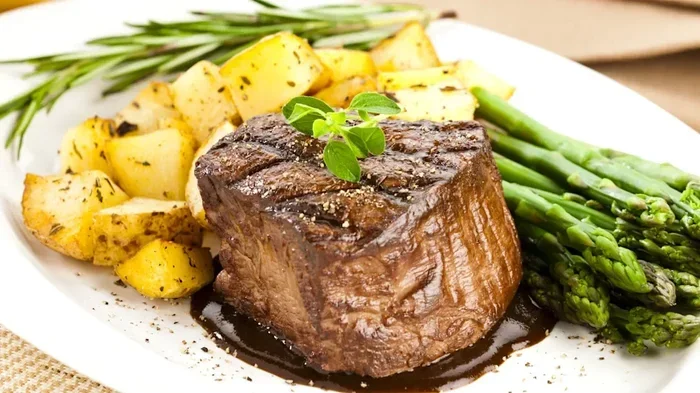
Filet mignon is the most tender cut of beef, and cooking it at home is easier than you think. This guide walks you through choosing the best filet mignon, seasoning it right, and achieving a perfect sear with a juicy pink center. You will learn step-by-step techniques, common mistakes, and pro tips that turn a simple steak into a steakhouse-quality masterpiece.
There is something truly special about a perfectly cooked filet mignon. It is the most tender cut of beef you can find, and when done right, it melts in your mouth like nothing else. Many people think this steak is only for fancy restaurants, but that is simply not true. With the right approach, you can cook a juicy filet mignon at home that rivals any steakhouse. This guide will show you exactly how to do it.
Whether you are a beginner in the kitchen or a seasoned home cook looking to sharpen your skills, this article covers everything you need. We will walk through selecting the best beef tenderloin, seasoning your steak, and nailing the perfect sear. You will also learn common mistakes to avoid and how to serve your filet mignon like a pro. Let us get started.
Key Takeaways
- Choose the Right Cut: Look for thick, well-marbled filet mignon steaks that are at least 1.5 inches thick for the best results.
- Bring Steak to Room Temperature: Letting your filet mignon sit out for 30-40 minutes before cooking ensures even cooking throughout.
- Sear in a Cast Iron Skillet: A hot cast iron skillet creates a beautiful crust that locks in juices and adds incredible flavor.
- Use a Meat Thermometer: This is the single best tool for hitting your desired steak doneness without guessing.
- Rest Your Steak: Letting filet mignon rest for 5-8 minutes after cooking redistributes the juices for maximum tenderness.
- Finish with Compound Butter: A simple steak butter with herbs elevates the flavor and adds richness to every bite.
- Avoid Common Mistakes: Overcooking, skipping the rest, and not seasoning properly are the top errors home cooks make.
📑 Table of Contents
What Makes Filet Mignon So Special
Filet mignon comes from the smaller end of the beef tenderloin. This part of the cow does very little work, which means the muscle fibers are incredibly soft. The result is a steak that is naturally tender and lean. Unlike ribeye or strip steak, filet mignon has very little fat marbling. This is both a blessing and a challenge. The low fat content makes it delicate and buttery, but it also means the steak can dry out faster if you are not careful.
Many steak lovers choose filet mignon for special occasions. It is the go-to cut for date nights, celebrations, and dinner parties. The mild flavor of the beef tenderloin allows it to pair beautifully with rich sauces and compound butter. When you cook filet mignon at home, you control every variable. You decide the seasoning, the level of doneness, and the finishing touches. That control is what makes home cooking so rewarding.
Understanding Beef Tenderloin Cuts
The beef tenderloin is a long, narrow muscle that runs along the spine. Butchers sell it in different forms. A whole tenderloin roast can be trimmed and tied for roasting. Individual steaks cut from the narrower end are what we call filet mignon. These steaks are typically 1.5 to 2 inches thick and about 2 to 3 inches in diameter. When shopping, look for steaks that have a consistent thickness. Uneven cuts lead to uneven cooking, which is the enemy of a perfect pan seared steak.
Choosing the Best Filet Mignon
Picking the right steak is the first and most important step. Not all filet mignon steaks are created equal. Here is what you should look for when buying your next cut of beef.
- Thickness matters: Choose steaks that are at least 1.5 inches thick. Thicker cuts give you more room for error and a better sear without overcooking the center.
- Look for fine grain: The muscle fibers of a tender steak should look tight and fine. This is a sign of tenderness.
- Color and marbling: Filet mignon is lean, but a small amount of white fat running through the meat adds flavor and moisture. Avoid steaks that look gray or dull.
- Buy from a trusted source: Grass-fed and grain-fed beef both work well. Choose a butcher or reputable meat supplier for the best quality.
- Fresh vs. frozen: Fresh filet mignon is ideal, but high-quality frozen steaks thawed properly work just as well. Never thaw steak at room temperature.
A thick cut steak gives you a beautiful crust on the outside while keeping a juicy pink center. This is the hallmark of a great filet mignon. When you invest in quality meat, the results speak for themselves.
Essential Tools and Ingredients
Cooking filet mignon does not require fancy equipment, but a few key tools make a big difference. Here is what you need before you start.
Tools You Will Need
- A cast iron skillet: This is the best pan for searing steak. It holds heat incredibly well and creates an even, beautiful crust.
- A heavy-bottomed stainless steel pan works too if you do not have cast iron.
- A meat thermometer: This is non-negotiable. A digital instant-read thermometer takes the guesswork out of checking steak doneness.
- Tongs: You need these to flip the steak without piercing it and losing juices.
- A sharp steak knife: A good blade makes slicing tender steak clean and effortless.
- A cutting board and paper towels: Pat your steak dry before cooking for the best sear.
Ingredients for the Perfect Seasoning
- Kosher salt and freshly cracked black pepper: Simple is best. Salt at least 40 minutes before cooking, or right before you sear.
- High smoke point oil: Avocado oil or grapeseed oil work great. Avoid olive oil for searing because it burns at high heat.
- Unsalted butter: For basting and finishing.
- Fresh garlic cloves and thyme sprigs: These add incredible aroma during the baste.
- Compound butter: A mix of softened butter, minced garlic, fresh herbs, and a pinch of salt. This is the secret weapon for a restaurant-quality finish.
Having the right tools and ingredients ready before you start is key. Mise en place, as chefs call it, keeps your cooking smooth and stress-free.
How to Cook Filet Mignon Step by Step
Now for the fun part. Here is the complete process for cooking a perfect filet mignon at home. Follow these steps and you will get consistent, juicy results every time.
Step 1: Prep the Steak
Remove your filet mignon from the refrigerator about 30 to 40 minutes before cooking. Let it sit on the counter at room temperature. This step is crucial. A cold steak hitting a hot pan cooks unevenly, with a cold center and an overcooked edge. Bringing the steak to room temperature ensures more even cooking from edge to center. Pat the steak completely dry with paper towels. Moisture is the enemy of a good sear. The drier the surface, the better the crust will be.
Step 2: Season Generously
Season both sides of the thick cut steak with kosher salt and freshly cracked black pepper. Be generous. The salt draws out moisture, dissolves, and then gets reabsorbed into the meat. This process seasons the steak deep down and helps create that gorgeous brown crust. If you have time, salt the steak up to an hour before cooking. This gives the salt time to work its magic.
Step 3: Preheat the Skillet
Place your cast iron skillet on the stove over high heat. Let it get ripping hot. You will know it is ready when you see a faint shimmer of heat rising from the surface. A drop of water should sizzle and evaporate instantly. Do not add oil to a cold pan. Add a high smoke point oil once the pan is hot, then carefully lay the filet mignon in the skillet. You should hear a loud sizzle. That sizzle is the sound of a good crust forming.
Step 4: Sear the First Side
Let the steak cook undisturbed for 3 to 4 minutes. Do not touch it. Do not press it down. Pressing releases the juices you are working hard to keep inside. You will see a deep, brown crust forming on the bottom. This is the steak crust that makes pan seared steak so delicious. Use tongs to check the color. You want a rich, golden brown.
Step 5: Flip and Add Aromatics
Flip the steak using tongs. Immediately add a tablespoon of unsalted butter, two crushed garlic cloves, and a few fresh thyme sprigs to the pan. As the butter melts, tilt the skillet slightly and use a spoon to baste the steak with the hot, foaming butter. This basting technique adds incredible richness and flavor to the exterior of the steak. Baste for about 2 minutes on this side.
Step 6: Check the Temperature
This is where the meat thermometer earns its keep. Insert the probe into the thickest part of the steak, away from any bone or fat. Here are the target internal temperatures for different levels of doneness:
- Rare: 120°F to 125°F
- Medium Rare: 130°F to 135°F
- Medium: 140°F to 145°F
- Medium Well: 150°F to 155°F
- Well Done: 160°F and above
For filet mignon, most steak lovers aim for medium rare. This gives you a warm pink center that is juicy and tender. Remember that the temperature will rise about 5 degrees as the steak rests. Pull the steak off the heat a few degrees before your target temperature.
Step 7: Rest the Steak
Transfer the filet mignon to a cutting board and let it rest for 5 to 8 minutes. This step is just as important as the sear. During cooking, the juices inside the steak get pushed toward the center by the heat. Resting allows those juices to redistribute evenly throughout the meat. If you cut into it right away, all those flavorful juices will run out onto the board instead of staying in the steak. Tent the steak loosely with aluminum foil during resting. This keeps it warm without trapping too much steam, which could soften the crust.
Step 8: Finish with Compound Butter
While the steak rests, prepare a simple compound butter. Mix softened unsalted butter with minced garlic, chopped fresh parsley, a pinch of salt, and a squeeze of lemon juice. Roll the mixture into a log using plastic wrap and refrigerate until firm. Once the steak has rested, slice a thick round of compound butter and place it on top of the hot filet mignon. Watch it melt slowly down the sides of the steak. This finishing touch adds a layer of rich, herby flavor that takes your steak to the next level.
Common Mistakes to Avoid
Even experienced home cooks make mistakes when cooking filet mignon. Here are the most common ones and how to avoid them.
- Starting with a cold steak: This leads to uneven cooking. The outside overcooks while the center stays cold. Always bring your steak to room temperature first.
- Not drying the surface: A wet steak surface steams instead of sears. Pat your filet mignon completely dry with paper towels before seasoning.
- Moving the steak too much: Each time you flip or move the steak, you interrupt the crust formation. Let it sit undisturbed on each side.
- Using the wrong pan: Thin pans lose heat when the cold steak hits them. A cast iron skillet or heavy stainless steel pan maintains the high heat you need.
- Overcooking: Filet mignon is lean and cooks faster than fattier cuts. Watch the temperature closely and pull the steak early.
- Skipping the rest: Cutting into a steak immediately after cooking wastes all those hard-earned juices. Patience pays off here.
- Under-seasoning: Filet mignon has a mild flavor. It needs good salt and pepper to shine. Do not be shy with your seasoning.
Avoiding these mistakes alone will dramatically improve your steak cooking. Most of them come down to patience and attention to detail.
Serving and Pairing Your Filet Mignon
Once your filet mignon is cooked and resting, it is time to think about how to serve it. A great steak deserves great sides and the right drink. Here are some classic pairings that complement the rich, tender flavor of filet mignon.
Best Side Dishes
- Crispy roasted garlic mashed potatoes: The creamy, buttery texture pairs perfectly with a juicy steak.
- Grilled asparagus or roasted broccolini: A simple green vegetable adds freshness and balance.
- Creamed spinach: A steakhouse classic that never disappoints.
- A simple mixed green salad with a light vinaigrette cuts through the richness of the butter and steak.
- Roasted baby carrots with honey and thyme: Sweet and earthy flavors complement the beef beautifully.
Wine Pairings
Filet mignon is a lean, delicate steak that pairs best with medium to full-bodied red wines. A classic Bordeaux or a Burgundy Pinot Noir works wonderfully. If you prefer something more accessible, a Malbec or a smooth Cabernet Sauvignon also makes a great pairing. The key is to choose a wine that has enough body to stand up to the beef without overpowering it.
Sauce Ideas
While a good filet mignon needs little more than salt, pepper, and compound butter, you can elevate it further with a simple sauce. A red wine reduction, a mushroom cream sauce, or a classic peppercorn sauce all work beautifully. Keep the sauce light so it enhances the natural flavor of the steak rather than masking it.
When you serve filet mignon, slice against the grain into thin medallions. This makes each bite even more tender and easier to chew. Arrange the slices on warm plates and spoon any resting juices over the top. A little extra compound butter on the side never hurts either.
Pro Tips for Steakhouse-Quality Results
Here are some extra tips from professional chefs that will help you cook filet mignon like a seasoned steakhouse chef.
- Sear and finish in the oven: For extra-thick steaks over 2 inches, sear on the stovetop and then transfer the skillet to a 400°F oven for 5 to 8 minutes. This gives you perfect edge-to-edge doneness.
- Try sous vide first: Cooking filet mignon sous vide at 130°F for 1 to 2 hours, then searing in a cast iron skillet, produces incredibly precise results. This method is perfect if you want a perfect medium rare edge to edge.
- Butter baste multiple times: Do not be afraid to add more butter, garlic, and herbs during cooking. Each round of basting adds more flavor and helps cook the top of the steak gently.
- Let the steak breathe: After resting, let the steak sit for a minute or two on the board before slicing. This final pause allows the juices to settle one last time.
- Clean your pan between cooks: If you are cooking multiple steaks, make sure your skillet is hot and clean before adding the next one. Residual fat from the first steak can cause uneven searing.
The more you cook filet mignon, the more confident you will become. Each steak you prepare teaches you something new about heat, timing, and texture. Embrace the process and enjoy the journey.
Conclusion
Cooking a perfect filet mignon at home is one of the most satisfying things you can do in the kitchen. It does not require expensive equipment or years of experience. It just requires good meat, a hot pan, a little patience, and attention to detail. By following the steps in this guide, you will be able to prepare a juicy, tender steak with a beautiful crust and a perfectly pink center every single time.
Remember to bring your steak to room temperature, season generously, sear in a cast iron skillet, and always let it rest before slicing. Finish with a generous dollop of compound butter and pair it with your favorite sides and a great glass of wine. Once you master the art of cooking filet mignon at home, you will never want to go back to ordering it at a restaurant. The flavor, the texture, the satisfaction of creating something truly special on your own stove, it is unbeatable. So fire up that skillet, grab a good filet mignon, and get cooking. Your perfect steak is waiting.
Frequently Asked Questions
How long should I rest my filet mignon after cooking?
Let your filet mignon rest for 5 to 8 minutes after cooking. This allows the juices inside the steak to redistribute evenly. Cutting too soon causes those flavorful juices to run out, leaving you with a drier steak. A little patience goes a long way toward the juiciest result.
What is the best thickness for a filet mignon steak?
Thick cut steaks at least 1.5 inches thick work best for pan searing. Thicker steaks give you more control over the sear and the internal temperature. They also allow for a beautiful crust without overcooking the center. Avoid steaks thinner than 1 inch for the best results.
Can I cook filet mignon in a regular frying pan?
Yes, you can use a regular stainless steel frying pan, but a cast iron skillet is far superior for searing steak. Cast iron retains heat incredibly well and creates a more even, deeper crust. If you only have a thin pan, make sure it is very hot before adding the steak and avoid overcrowding the pan.
How do I know when my filet mignon is done?
The most reliable way to check steak doneness is with a meat thermometer. Insert it into the thickest part of the steak for an accurate reading. For medium rare, aim for 130°F to 135°F. The temperature will rise a few degrees as the steak rests, so pull it off the heat slightly below your target.
Should I marinate filet mignon before cooking?
Marinating is not necessary for filet mignon. This cut is naturally tender and has a mild, delicate flavor. A simple seasoning of salt, pepper, and fresh herbs is usually enough. If you do want to marinate, keep it short, no more than 30 minutes, and use a light acid-based marinade to avoid breaking down the delicate meat fibers.
Is filet mignon the same as beef tenderloin?
Filet mignon is a cut from the beef tenderloin, but they are not exactly the same. The beef tenderloin is the whole roast, while filet mignon refers to the individual steaks cut from the narrower end of the tenderloin. When you buy a filet mignon steak, you are getting a portion of the beef tenderloin, which is known for being the most tender cut of beef available.
=== SEO TITLE ===
Filet Mignon How to Cook the Juiciest Steak at Home
=== META TITLE ===
Filet Mignon: How to Cook the Juiciest Steak at Home
=== URL SLUG ===
filet-mignon-cook-juiciest-steak-home