The Secret to Perfect Boiled Eggs from Boiling Water
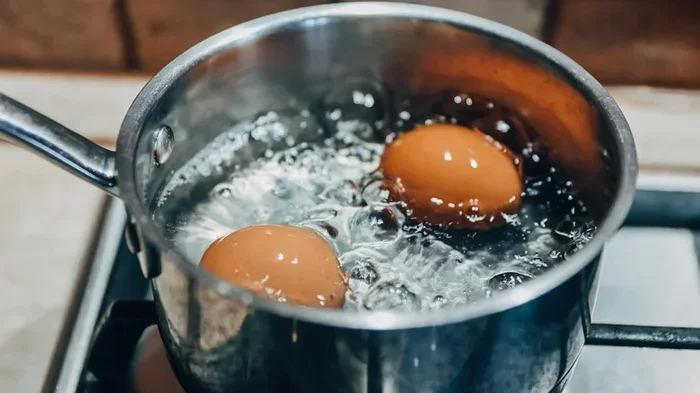
Boiling eggs from boiling water is the simplest and most reliable method to achieve perfect eggs every time. This guide walks you through the exact steps, timing, and tips you need to get soft, medium, or hard eggs with easy-to-peel shells. Whether you are a beginner or a seasoned cook, you will master this stovetop technique in minutes.
Key Takeaways
- Start with boiling water, not cold water: This method gives you precise control over cooking time and produces consistent results every time.
- Timing determines doneness: 4 to 5 minutes for soft-boiled, 7 to 8 minutes for medium, and 10 to 12 minutes for hard-boiled eggs.
- An ice bath is essential: It stops the cooking process immediately and makes peeling the shell effortless.
- Use fresh eggs with care: Very fresh eggs are harder to peel. Let them sit in the fridge for a few days for easier peeling.
- A rolling boil is key: Keep the water at a steady, rolling boil throughout the cooking process for even results.
- Peel under running water: This helps separate the shell from the egg white and prevents tearing.
- Eggs are a versatile protein source: They pair well with any meal and are packed with nutrients your body needs.
📑 Table of Contents
- Why Boiling Water Is the Best Method for Perfect Eggs
- What You Will Need: Tools and Ingredients for Great Eggs
- Step-by-Step Guide to Boiling Eggs from Boiling Water
- How to Get Different Levels of Egg Doneness
- Common Mistakes and How to Avoid Them
- Tips for Peeling Perfect Eggs Every Time
- Frequently Asked Questions
- Conclusion
Why Boiling Water Is the Best Method for Perfect Eggs
Cooking eggs on the stovetop is one of the simplest skills you can learn. Yet so many people struggle with rubbery whites, green yolks, or shells that stick like glue. The method of boiled eggs from boiling water solves all of these problems. It is fast, precise, and gives you complete control over the final result.
Unlike the cold-start method where you drop eggs into a pot of cold water and bring it to a boil together, starting with already boiling water lets you dictate the exact cooking time. This means you can go from runny yolk to fully set in a matter of minutes. Whether you want a quick soft-boiled egg for breakfast or a batch of hard-boiled eggs for the week, this technique delivers every time.
The beauty of this approach is that it works with any pot, any stove, and any type of egg. You do not need special equipment or fancy tools. Just a pot, water, eggs, and a timer. Once you nail this method, you will never go back to guessing again.
The Science Behind Boiling Water and Eggs
When you drop an egg into already boiling water, the heat hits the shell immediately. The egg white starts to set from the outside in. The egg yolk cooks more slowly, which is exactly why timing matters so much. A rolling boil keeps the water temperature consistent at 212 degrees Fahrenheit. This consistency is what gives you predictable results every single time.
Cold-start methods, on the other hand, heat the egg gradually. The temperature changes slowly, which makes it harder to predict exactly when the egg reaches your desired egg doneness. With the boiling water method, the clock starts the moment the egg hits the water. You know exactly how long it has been cooking.
Why This Method Beats Other Techniques
There are several ways to cook eggs on the stove. You can steam them, bake them, or use an egg cooker. But boiling water directly is the most accessible and forgiving method. It requires no special devices. The water acts as a uniform heat source that surrounds the egg completely.
Another advantage is scalability. You can cook two eggs or a dozen using the same technique and the same timing. The water volume might change, but the boil temperature stays the same. This makes it easy to meal prep a big batch of boiling eggs for lunches throughout the week.
What You Will Need: Tools and Ingredients for Great Eggs
Before you start, make sure you have everything ready. The good news is that the list is short. You do not need much to make perfect eggs using the boiling water method.
Choosing the Right Eggs
The quality of your eggs matters more than you might think. Fresh eggs have a tighter membrane under the shell, which makes them harder to peel. If you are cooking boiled eggs from boiling water for easy peeling, try using eggs that are about 7 to 10 days old. The egg freshness affects how easily the shell separates from the white.
Use eggs that are at room temperature when possible. Cold eggs straight from the fridge can crack when they hit boiling water. Let them sit on the counter for about 5 minutes before cooking. If you are in a hurry, place cold eggs in warm tap water for a minute to take the chill off.
Essential Equipment
You need very little equipment for this method. Here is what you will need:
- A medium to large pot: It should be deep enough to cover the eggs with at least an inch of water.
- A slotted spoon or spider strainer: This helps you lower the eggs gently into the water and lift them out safely.
- A timer: Your phone timer works perfectly. Set it the moment the egg goes in.
- A bowl of ice water: This is the secret weapon for easy peeling and stopping the cooking process.
- A lid: Helps bring the water to a boil faster and maintains a steady temperature.
Step-by-Step Guide to Boiling Eggs from Boiling Water
Now that you have your eggs and tools ready, here is the exact process to follow. This method works every time and gives you consistent results.
Bringing the Water to a Boil
Fill your pot with enough water to cover the eggs by about one inch. Place it on the stove over high heat. Put the lid on to help it boil faster. Wait for the water to reach a rolling boil. You will know it is ready when large bubbles are breaking the surface constantly and vigorously.
Do not rush this step. A proper rolling boil ensures even heat distribution around every egg. If the water is only simmering, the eggs will cook unevenly. The boiling water needs to be at full strength before you add the eggs.
Adding the Eggs Gently
Once the water is at a rolling boil, reduce the heat slightly to maintain a steady boil. Use your slotted spoon to lower each egg into the water gently. Do not drop them from a height. Dropping eggs can crack the shells and cause the whites to leak out into the water.
If you are cooking a large batch, add the eggs one at a time with a few seconds between each one. This prevents the water temperature from dropping too much. A pot of water that stays at a boil is the key to evenly cooked eggs.
Timing Is Everything
This is the most important step. Start your timer the moment each egg goes into the water. Here is a quick reference for different levels of doneness:
- Soft-boiled eggs: 4 to 5 minutes. The white is set but the yolk is still runny and liquid.
- Medium-boiled eggs: 6 to 7 minutes. The yolk is slightly thick and jammy in the center.
- Hard-boiled eggs: 10 to 12 minutes. The yolk is fully set and firm throughout.
These times work for large eggs at room temperature. If your eggs are cold from the fridge, add 30 seconds to the cooking time. Altitude can also affect cooking time. At higher elevations, water boils at a lower temperature, so you may need to add a minute or two.
The Ice Bath: Do Not Skip This Step
As soon as the timer goes off, immediately transfer the eggs to a bowl of ice water. Use a slotted spoon or spider strainer to move them quickly. Let them sit in the ice bath for at least 5 minutes. This does two critical things. First, it stops the cooking process instantly so the eggs do not overcook. Second, it causes the egg to contract inside the shell, creating a gap between the membrane and the egg white. This makes peeling eggs so much easier.
If you skip the ice bath, the residual heat will continue cooking the egg. You will end up with green-grey yolks and rubbery whites. The ice bath is not optional. It is essential.
How to Get Different Levels of Egg Doneness
One of the best things about the boiled eggs from boiling water method is how easy it is to control the outcome. You simply change the cooking time. Here is a closer look at each level of doneness.
Soft-Boiled Eggs
Soft-boiled eggs are a breakfast staple in many cultures around the world. The white is fully set and tender, while the yolk stays bright yellow and liquid. Cook for 4 minutes for a very runny yolk or 5 minutes for a slightly thickened but still flowing yolk.
Serve soft-boiled eggs in an egg cup. Tap the top of the shell with a spoon, peel it back, and scoop out the egg with a piece of toast. The contrast between the warm, creamy yolk and the firm white is absolutely delightful. These are best eaten right away while they are still warm.
Medium-Boiled Eggs
Medium-boiled eggs are the sweet spot for many people. The yolk is thick and custard-like in the center but not fully hard. Cook for 6 to 7 minutes. The result is an egg that is creamy and rich but holds its shape when sliced.
Medium-boiled eggs are fantastic on salads, sliced over avocado toast, or simply seasoned with salt and pepper. They make a great high-protein snack that can fuel your morning or refuel you after a workout. In fact, the protein in eggs helps you recover and get the full benefits from a rowing machine session.
Hard-Boiled Eggs
Hard-boiled eggs are the most versatile option. The yolk is completely set and can be mashed for egg salad, sliced for sandwiches, or eaten whole as a snack. Cook for 10 to 12 minutes.
Hard-boiled eggs store well in the fridge for up to 5 days. They make an incredible grab-and-go breakfast or post-workout food. If you are serious about your fitness goals, eggs are one of the most affordable and nutrient-dense protein sources you can eat. They support muscle recovery and sustained energy throughout the day.
Common Mistakes and How to Avoid Them
Even with a simple method like this, small mistakes can lead to disappointing results. Here are the most common errors and how to fix them.
Cracking the Shells
Eggs crack when they hit the boiling water because of the sudden temperature change. To prevent this, let your eggs come closer to room temperature before cooking. You can also add a splash of vinegar to the boiling water. The vinegar helps the egg white coagulate faster if a crack does occur, sealing the shell before the white leaks out.
Another trick is to lower the eggs into the water slowly with a spoon. Never drop them in. A gentle entry keeps the shell intact and preserves the shape of the egg.
Overcooking the Eggs
Overcooking is the number one mistake people make. It leads to green-grey yolks, a rubbery texture, and a strong sulfur smell. The green ring around the yolk forms when the iron in the yolk reacts with the sulfur in the white due to prolonged heat exposure.
Set a timer and trust it. Do not guess. If you are cooking a large batch, pull a test egg out after the recommended time, cut it open, and check the doneness. Once you know the exact time that works for your stove and pot, you can cook the rest with confidence.
Using Eggs That Are Too Fresh
Very fresh eggs, especially those straight from a farm or a farmer’s market, are notoriously difficult to peel. The membrane underneath the shell clings tightly to the egg white. If you have trouble peeling, your eggs may simply be too fresh. Let them sit in the fridge for 7 to 10 days before cooking. The pH of the egg white changes slightly over time, which helps the shell release more easily.
Tips for Peeling Perfect Eggs Every Time
Peeling should be the easiest part of the process, but it often frustrates people. Here are proven tips that make peeling eggs a breeze.
The Ice Bath Method
We have already mentioned the ice bath, but it deserves emphasis because it truly makes all the difference. After cooking, transfer the eggs to ice water immediately. Let them sit for at least 5 minutes, but 10 to 15 minutes is even better. The cold water causes the egg to contract, pulling it away from the shell. The shell also becomes more brittle in the cold, making it easier to crack and remove.
Some people add a teaspoon of baking soda to the ice water. The slightly alkaline pH helps loosen the membrane from the egg white. It is a small trick that can make a big difference.
Peeling Like a Pro
When you are ready to peel, gently tap the egg on a hard surface all over to create tiny cracks. Roll the egg between your palms to loosen the shell further. Start peeling from the wide end of the egg, where there is usually an air pocket. The shell should come off in large pieces rather than tiny fragments.
Peel under a thin stream of running water. The water gets between the shell and the egg white, creating a natural lubricant. This prevents tearing and leaves you with a smooth, clean egg. If you are batch-cooking, you can peel all the eggs at once and store them in an airtight container in the fridge.
The protein from eggs supports your body when you need to know how to pick up a barbell from the floor safely. Proper nutrition fuels every movement you make, and eggs are one of the simplest ways to get high-quality protein into your diet.
Frequently Asked Questions
If you still have questions about cooking boiled eggs from boiling water, you are not alone. Here are answers to the most common questions people ask.
Can I use this method for egg cooking at high altitude?
Yes, but you will need to adjust the timing. At higher altitudes, water boils at a lower temperature, which means eggs take slightly longer to cook. Add about 1 to 2 minutes to the recommended cooking times. You may also need to keep the water at a more vigorous boil to maintain consistent heat.
How do I know if an egg is fresh enough to boil?
The freshness test is simple. Place the egg in a bowl of water. If it sinks and lies flat on its side, it is very fresh. If it stands upright on the bottom, it is still good to eat but may be harder to peel. If it floats to the top, discard it. The egg has gone bad and is no longer safe to eat.
What is the best way to store boiled eggs?
Store peeled or unpeeled hard-boiled eggs in an airtight container in the refrigerator. They will keep for up to 5 days. If you peel them before storing, place a damp paper towel in the container to keep them from drying out. Always label the container with the date you cooked them.
Why does my egg yolk sometimes turn green?
A green-grey ring around the yolk is caused by overcooking. When the egg is exposed to heat for too long, the iron in the yolk reacts with the sulfur compounds in the white. This does not make the egg unsafe to eat, but it does affect the taste and appearance. The ice bath is your best defense against this issue.
Can I cook brown eggs using this same method?
Absolutely. The color of the shell has no effect on how the egg cooks. Brown eggs, white eggs, and speckled eggs all behave the same way in boiling water. The only difference is visual. The cooking times and technique remain identical regardless of shell color.
How many eggs can I cook at once using this method?
You can cook up to a dozen eggs at once as long as they are in a single layer in the pot and covered by at least an inch of water. If you need to cook more, do it in batches. Overcrowding the pot can cause the eggs to bump into each other and crack, and it can also make the water temperature drop too much.
Conclusion
Mastering boiled eggs from boiling water is one of the easiest kitchen skills you can develop. It requires no special equipment, no complicated techniques, and no expensive ingredients. Just a pot, water, eggs, and a timer. Once you understand the role of timing and the importance of the ice bath, you will never make a bad boiled egg again.
This method gives you the power to choose exactly how you want your eggs cooked. Runny and creamy for breakfast, jammy and rich for a snack, or fully set for meal prep. The boiling water method puts you in control. It is consistent, reliable, and endlessly versatile.
Start with the step-by-step guide above. Use the timing chart to find your perfect level of doneness. Practice the ice bath and peeling techniques. Within a few tries, this will become second nature. Eggs are affordable, nutritious, and delicious. They deserve a permanent spot in your cooking routine. So grab a pot, turn on the stove, and start boiling. Your perfect eggs are waiting.