The Ultimate Cooked Beef Temperature Chart You Need
Master the art of cooking beef with our ultimate cooked beef temperature chart. This guide covers every doneness level, from rare to well done, so you can serve safe and juicy beef every single time. You will learn the exact internal temperatures, proper rest times, and expert tips that take your beef dishes from ordinary to outstanding. Whether you grill, roast, or pan-sear, this chart has everything you need to cook beef like a pro.
There is nothing quite like a perfectly cooked piece of beef. The sizzle on the grill, the aroma filling the kitchen, and that first juicy bite — it is pure bliss. But here is the thing. Getting beef just right can feel tricky. One minute it is perfect, and the next it is overcooked and dry.
This is exactly why a cooked beef temperature chart is your best friend in the kitchen. Whether you are grilling a thick ribeye, roasting a brisket, or cooking up some ground beef for tacos, knowing the right internal temperature beef makes all the difference. In this guide, we will walk you through everything you need to know about beef temperatures, doneness levels, and how to use a meat thermometer like a seasoned pro.
By the end of this article, you will never second-guess your beef again. You will have a reliable beef cooking temperature guide right at your fingertips. Let us dive in.
Key Takeaways
- Know Your Temps: A cooked beef temperature chart helps you hit the exact internal temperature for every level of doneness.
- Safety First: The USDA recommends a minimum internal temp of 145°F for beef steaks and 160°F for ground beef.
- Rest Time Matters: Always let beef rest after cooking to lock in juices and allow carryover cooking to finish the job.
- Use a Meat Thermometer: An instant-read thermometer is the single best tool for checking beef doneness accurately.
- Different Cuts Need Different Temps: Roasts, steaks, and ground beef all have unique temperature targets and cooking methods.
- Practice Makes Perfect: With a little practice and the right chart, you will cook flawless beef every time.
📑 Table of Contents
- Why a Cooked Beef Temperature Chart Matters
- Understanding Beef Doneness Levels
- The Ultimate Cooked Beef Temperature Chart
- How to Use a Meat Thermometer Correctly
- Rest Time and Carryover Cooking Explained
- Common Mistakes to Avoid When Cooking Beef
- Quick Tips for Perfect Beef Every Time
- Expert Insights: What Professional Chefs Say About Beef Temperatures
- Conclusion
Why a Cooked Beef Temperature Chart Matters
Cooking beef might seem simple on the surface. You heat it up, wait a while, and eat it, right? Well, not exactly. The temperature at which you cook your beef affects everything. It changes the texture, the flavor, the juiciness, and most importantly, the safety of the meat.
A beef doneness levels chart gives you clear targets to aim for. Without it, you are basically guessing. And guessing leads to either tough, dry meat or meat that is undercooked and potentially unsafe. Nobody wants either of those outcomes.
Food Safety Is No Joke
The United States Department of Agriculture, or USDA beef guidelines, sets strict rules for safe cooking temperatures. These rules exist to protect you and your family from harmful bacteria like E. coli and Salmonella. Ground beef is especially risky because the grinding process can spread bacteria throughout the meat. This is why ground beef temperature needs to reach at least 160°F to be considered safe.
Steaks and roasts, on the other hand, are a bit more forgiving. Because the bacteria stay on the surface, a steak cooked to 145°F with a three-minute rest time is perfectly safe according to the USDA. But you still need a reliable instant-read thermometer to verify the temperature accurately.
Perfect Doneness Every Time
Beyond safety, a cooked beef temperature chart helps you achieve your preferred level of doneness. Some people love a rare steak temperature with a cool red center. Others prefer a medium steak temperature with a warm pink middle. And some like their beef cooked all the way through. A chart takes the guesswork out and puts you in complete control.
Understanding Beef Doneness Levels
Not all beef is cooked the same way. Different people have different preferences, and that is totally fine. A good beef internal temp chart breaks down each level so you know exactly what to aim for.
Rare
Rare beef has a cool, red center and feels almost raw in the middle. The rare steak temperature is around 120°F to 125°F. This level is best for thick, high-quality cuts like ribeye or filet mignon. The meat is incredibly tender and full of natural beef flavor. If you have ever ordered a steak at a fancy restaurant and asked for “rare,” this is what they serve you.
However, rare beef is not for everyone. Some people feel uncomfortable eating meat that is not cooked through. And if you are serving young children, elderly family members, or anyone with a weakened immune system, it is better to cook the beef to a higher temperature for safety.
Medium Rare
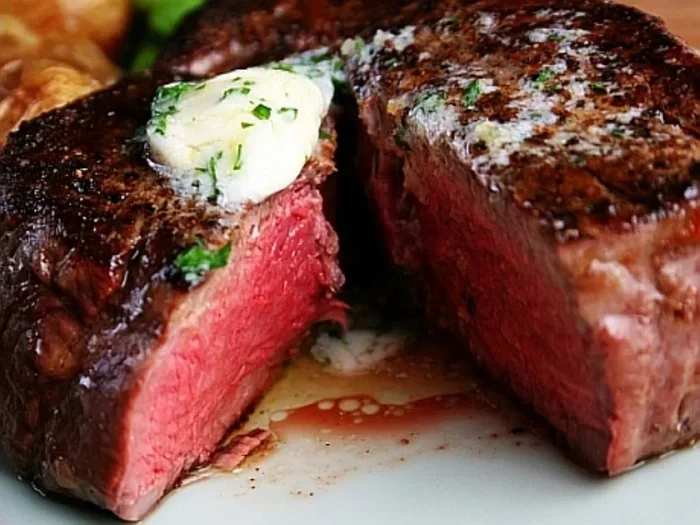
Medium rare temperature sits right around 130°F to 135°F. This is often considered the sweet spot for steak lovers. The center is warm and pink, with a hint of red. The meat is juicy, tender, and packed with flavor. Many chefs consider medium rare the ideal way to serve a quality steak because it highlights the natural beefiness while keeping the texture soft and smooth.
If you are new to cooking beef, medium rare is a great place to start. It is forgiving and hard to mess up. Just use a meat thermometer to check the temp, and pull the beef off the heat a few degrees early. Remember, carryover cooking will raise the temperature a few more degrees as the meat rests.
Medium
Medium beef reaches an internal temperature beef of 140°F to 145°F. The center is pink and firm, but still moist. This level is popular for people who want a bit more structure in their meat without drying it out completely. A medium-cooked steak still has plenty of juice, but the texture is firmer than medium rare.
This temperature works well for beef roasts, thicker steaks, and even some stir-fry cuts. It is a versatile option that most people enjoy.
Medium Well
At medium well temperature, which is around 150°F to 155°F, there is only a thin hint of pink left. The meat is mostly gray-brown throughout but still retains some moisture. Some people prefer this level because it feels safer and more cooked through, while still not being dry.
If you are cooking a leaner cut of beef, medium well can sometimes lead to a slightly drier result. So it helps to use a fattier cut or add a sauce to keep things moist.
Well Done
Well done beef is cooked to 160°F and above. The center is completely brown with no pink at all. This level is the safest from a beef food safety standpoint, but it also carries the highest risk of drying out the meat. Well done beef can be tough and less flavorful if you are not careful.
If you must cook beef to well done, choose cuts with more marbling or connective tissue. Slow-cooking methods like braising work wonders for well done beef because they break down the fibers and keep the meat tender.
The Ultimate Cooked Beef Temperature Chart
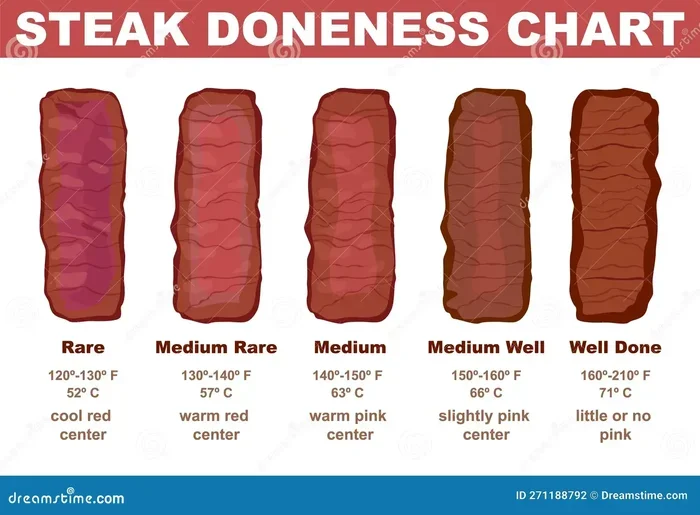
Here it is. The core of this entire guide. This cooked beef temperature chart covers the most common beef cuts and their target temperatures. Print it out, save it to your phone, or pin it to your fridge. You will be glad you did.
Beef Steak Temperatures
Steaks are the star of any barbecue or dinner party. Here is what you should aim for depending on how you like your beef:
- Rare: 120°F – 125°F
- Medium Rare: 130°F – 135°F
- Medium: 140°F – 145°F
- Medium Well: 150°F – 155°F
- Well Done: 160°F and above
These temperatures apply to grilled, pan-seared, or broiled steaks. Remember to pull the steak off the heat about 5 degrees before it hits your target. The carryover cooking effect will bring it up to the perfect level while it rests.
Beef Roast Temperatures
Roasts need a slightly different approach. Because they are larger and denser, they require longer cooking times and careful temperature monitoring:
- Rare Roast: 120°F – 125°F
- Medium Rare Roast: 130°F – 135°F
- Medium Roast: 140°F – 145°F
- Medium Well Roast: 150°F – 155°F
- Well Done Roast: 160°F and above
For pot roasts and slow-cooked beef, the USDA beef guidelines recommend cooking to at least 145°F for safety. But many slow-cook recipes go well beyond that to achieve fall-apart tenderness.
Ground Beef Temperatures
Ground beef is different from whole-muscle cuts. Because the meat is ground, bacteria from the surface get mixed throughout. This means you must cook ground beef to a higher temperature:
- Safe Minimum for Ground Beef: 160°F
- Pink Ground Beef: Not recommended unless the beef is freshly ground and handled properly
Never serve pink ground beef. Even if it looks pink on the inside, it might not have reached a safe ground beef temperature. Always use a meat thermometer to confirm.
Other Beef Cuts
Other cuts like brisket, short ribs, and beef stew meat have their own temperature targets:
- Brisket: 195°F – 205°F for tender, pull-apart texture
- Short Ribs: 200°F – 205°F for optimal tenderness
- Beef Stew Meat: 160°F – 180°F for tender chunks
These cuts benefit from low and slow cooking methods. The long cooking time breaks down the collagen and connective tissues, resulting in incredibly tender and flavorful meat.
How to Use a Meat Thermometer Correctly
A cooked beef temperature chart is only as good as the tool you use to read it. A meat thermometer is the most important gadget in your kitchen if you want consistent results. But not everyone uses one correctly. Let us fix that.
Choose the Right Thermometer
There are several types of thermometers available. An instant-read thermometer is the most popular choice for home cooks. It gives you a reading in just a few seconds. Digital probe thermometers are great for slow roasting because you can monitor the temperature without opening the oven door. There are also infrared thermometers, but those measure surface temperature only and are not ideal for checking the internal temp of beef.
Where to Insert the Thermometer
This is where many people go wrong. You need to insert the thermometer into the thickest part of the meat, away from the bone, fat, or gristle. The bone can conduct heat differently and give you a false reading. The fat can insulate the meat and also throw off the temperature.
For steaks, insert the probe horizontally into the center of the steak. For roasts, insert it from the side into the thickest part. Always wait a few seconds for the reading to stabilize before recording the temperature.
Calibrate Your Thermometer
Even the best thermometers can drift over time. To make sure yours is accurate, test it in a glass of ice water. The reading should be 32°F or very close to it. If it is off by more than a degree or two, adjust it or replace the batteries. A simple calibration check can save you from serving overcooked or undercooked beef.
Rest Time and Carryover Cooking Explained
One of the most overlooked steps in cooking beef is resting. Many people pull the meat off the heat and immediately slice into it. Big mistake. Resting is essential for juicy, flavorful beef.
Why Resting Matters
When beef cooks, the juices inside the meat get pushed toward the center. If you cut into it right away, all those juices run out onto the cutting board. The meat ends up dry and less flavorful. By letting the beef rest, the juices redistribute evenly throughout the meat. The result is a much juicier and more tender bite.
The general rule is to rest beef for about 5 to 10 minutes for steaks and 15 to 30 minutes for larger roasts. Tent the meat loosely with aluminum foil to keep it warm without trapping too much steam.
Carryover Cooking
Carryover cooking is the phenomenon where the internal temperature of the beef continues to rise after you remove it from the heat source. This happens because the hot outer layers transfer heat to the cooler center. Depending on the size of the cut, the temperature can rise anywhere from 3°F to 10°F during resting.
This is why you should pull your beef off the heat a few degrees below your target temperature. If you want a medium rare temperature of 135°F, pull the steak at around 130°F and let it rest. By the time you are ready to eat, it will have reached the perfect 135°F.
Common Mistakes to Avoid When Cooking Beef
Even experienced cooks make mistakes. Here are some common errors that can ruin your beef, and how to avoid them.
Not Using a Thermometer
The color of the meat is not a reliable indicator of doneness. A beef steak can look brown on the outside but still be rare on the inside. And a well-done piece of beef can still look slightly pink. The only way to know for sure is with a meat thermometer. Skip the guesswork and use a thermometer every single time.
Overcooking Thin Cuts
Thin cuts like skirt steak or flank steak cook very quickly. They can go from perfect to overcooked in a matter of seconds. Watch them closely and pull them off the heat as soon as they reach your target temperature. Let them rest for a few minutes before slicing against the grain.
Ignoring Carryover Cooking
As we mentioned earlier, carryover cooking can add several degrees to your beef after you remove it from the heat. If you wait until the thermometer hits your exact target before pulling the beef, you will likely end up overcooked. Pull early and let the rest do the work.
Skipping the Rest Period
Cutting into beef too early is one of the fastest ways to lose all those delicious juices. Be patient. Give the meat time to rest, and you will be rewarded with a much better eating experience.
Using the Wrong Cooking Method
Not all beef cuts are created equal. A tough cut like brisket needs low and slow cooking. A tender ribeye is perfect for a hot and fast sear. Using the wrong method for the wrong cut will lead to disappointing results. Match your cooking method to the cut of beef for the best outcome.
Quick Tips for Perfect Beef Every Time
- Always bring beef to room temperature before cooking. Take it out of the fridge 30 minutes before it goes on the heat. This helps it cook more evenly.
- Season generously. Salt and pepper are the classics, but do not be afraid to experiment with garlic powder, smoked paprika, or your favorite beef seasoning.
- Preheat your grill or pan. A hot surface creates a beautiful sear that locks in moisture and adds flavor.
- Use tongs, not a fork, to flip the meat. Piercing the beef with a fork lets the juices escape and dries it out.
- Invest in a good instant-read thermometer. It is the single best tool for consistent, perfectly cooked beef every time.
- Keep a cooking log. Write down the temperatures and times that work best for your favorite cuts. Over time, you will build your own personal beef cooking temperature guide.
Expert Insights: What Professional Chefs Say About Beef Temperatures
Professional chefs rely heavily on temperature control. Many of them will tell you that the meat thermometer is the most important tool in the kitchen. Not a timer, not a color check, but a thermometer.
Chef Thomas Keller, one of the most celebrated chefs in America, famously said that cooking without a thermometer is just guessing. The same principle applies to beef. A cooked beef temperature chart gives you a framework, but the thermometer gives you precision. Together, they are unstoppable.
Many top steakhouses also use a technique called sous vide for certain cuts. Sous vide involves vacuum-sealing the beef and cooking it in a water bath at a precise temperature for an extended period. This method guarantees edge-to-edge consistency and is gaining popularity among home cooks too.
The key takeaway from the pros is simple. Trust the temperature, not the clock or the color. A clock tells you how long the beef has been cooking. A thermometer tells you how done it actually is. Always go with the thermometer.
Conclusion
Cooking beef does not have to be intimidating. With the right cooked beef temperature chart, a reliable meat thermometer, and a little practice, you can serve beef that is juicy, flavorful, and perfectly cooked every single time.
Remember the key temperatures. Rare is around 120°F to 125°F, medium rare hits 130°F to 135°F, and well done reaches 160°F and above. Always let your beef rest after cooking to allow carryover cooking to finish the job and the juices to redistribute. And never skip the thermometer, no matter how experienced you are.
Whether you are firing up the grill for a summer barbecue or slow-roasting a brisket on a lazy Sunday afternoon, this guide has you covered. Print out your beef internal temp chart, follow the tips in this article, and watch your beef game level up. Your family and dinner guests will notice the difference. Happy cooking!
Frequently Asked Questions
What is the safe internal temperature for beef steaks?
The USDA recommends a minimum internal temperature of 145°F for beef steaks, followed by a three-minute rest time. However, most steak lovers prefer to cook their steaks to 130°F to 135°F for a medium rare level of doneness, which is both safe and delicious when using quality, properly handled beef.
Why does ground beef need to be cooked to 160°F?
Ground beef must reach 160°F because the grinding process spreads surface bacteria throughout the meat. Unlike whole cuts where bacteria stay on the outside, ground beef has bacteria mixed in. This is why the USDA beef guidelines set a higher safety threshold for ground beef compared to steaks and roasts.
Can I eat beef that is still pink in the middle?
Yes, you can eat beef that is pink in the middle as long as it has reached the proper internal temperature. A steak cooked to 130°F to 135°F will have a pink center and is perfectly safe to eat. The color of the meat alone is not a reliable indicator of doneness, which is why a meat thermometer is essential.
How long should I rest my beef after cooking?
Steaks should rest for about 5 to 10 minutes, while larger roasts need 15 to 30 minutes. Resting allows the carryover cooking process to finish and lets the juices redistribute throughout the meat. Skipping this step can result in dry, less flavorful beef.
What is carryover cooking and how does it affect beef temperature?
Carryover cooking is when the internal temperature of the beef continues to rise after you remove it from the heat source. This happens because the hot outer layers transfer heat to the cooler center. The temperature can rise by 3°F to 10°F during resting, which is why you should pull your beef off the heat a few degrees below your target.
What is the best type of meat thermometer for beef?
An instant-read digital thermometer is the best choice for most home cooks. It provides fast and accurate readings in just a few seconds. For slow-roasting large cuts, a digital probe thermometer with a wire lead allows you to monitor the temperature without opening the oven door, giving you precise control over your beef cooking temperature guide results.
=== CONCLUSION ===
A reliable cooked beef temperature chart is the foundation of great beef cooking. It takes the guesswork out, keeps your food safe, and helps you achieve the exact level of doneness you love. Whether you prefer a rare steak temperature or a fully well done temperature, knowing your numbers makes all the difference.
Keep this guide handy, use your meat thermometer with confidence, and never settle for mediocre beef again. With the right knowledge and a little practice, you will cook beef that impresses every single time.