How to Bake Salmon in the Oven for Perfect Results
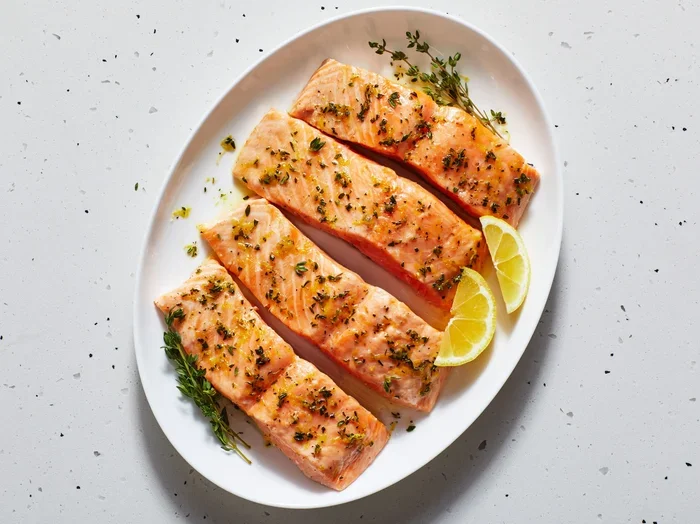
Baking salmon in the oven is one of the simplest and most delicious ways to prepare this healthy fish. With the right temperature, seasoning, and timing, you can achieve restaurant-quality results at home. This guide covers everything from prep to plating, so you can confidently cook oven-baked salmon like a pro.
There is something truly special about a perfectly baked salmon fillet. The skin turns crispy, the flesh flakes beautifully, and the aroma fills your entire kitchen. Whether you are a beginner cook or a seasoned home chef, learning how to bake salmon in the oven is a skill that will serve you well for years to come.
Salmon is one of the most popular fish choices for home cooking. It is packed with omega-3 fatty acids, protein, and essential vitamins. Best of all, it cooks quickly and pairs well with almost any side dish. In this guide, we walk you through every step of the process, from choosing the right fillet to pulling a stunning dish out of the oven.
If you want to elevate your baked salmon recipe game, you are in the right place. We will cover temperature, timing, seasoning, and all the little tricks that separate good salmon from great salmon. Let us dive in.
Key Takeaways
- Perfect Temperature: Bake salmon at 400°F for a crispy exterior and moist, flaky interior every time.
- Simple Prep: Pat the fillet dry, season generously, and use parchment paper for easy cleanup.
- Timing Is Key: A standard fillet takes 12-15 minutes, but thickness matters for doneness.
- Resting Matters: Let the salmon rest for 3-5 minutes after baking to lock in juices.
- Seasoning Freedom: From lemon butter to herb crusts, the flavor possibilities are endless.
- Cleanup Made Easy: Use foil or parchment to keep your baking sheet clean and ready for the next meal.
📑 Table of Contents
Why Bake Salmon in the Oven?
Oven-baking is one of the best methods for cooking salmon. It is hands-off, consistent, and produces reliable results every single time. Unlike stovetop cooking, where you need to watch the heat closely, the oven does the work for you.
Here are a few reasons why oven-baked salmon beats other cooking methods:
- Even Cooking: The oven distributes heat evenly around the fillet, so no part gets overcooked or undercooked.
- Minimal Effort: Season the fish, place it in the oven, and wait. That is it.
- Easy Cleanup: Just like when you need to wash a yoga mat in the washer, cleanup is simple when you use parchment paper or foil on your baking sheet.
- Versatility: You can add glazes, herbs, vegetables, and more without worrying about burning.
- Consistent Results: Once you nail the temperature and time, you will get perfect salmon every time.
Compared to pan-searing, baking is also more forgiving. You do not need to flip the fillet or monitor it constantly. This makes it ideal for busy weeknights when you want a healthy, delicious meal on the table fast.
Choosing the Right Salmon for Baking
The first step to perfect baked salmon starts before the oven even turns on. Choosing the right piece of fish makes a huge difference in the final result.
Fresh vs. Frozen Salmon
You can bake both fresh and frozen salmon. Fresh salmon has a slightly better texture and flavor, but frozen salmon works just as well if you thaw it properly. Always choose wild-caught or sustainably farmed salmon when possible for the best taste and nutritional value.
Skin-On vs. Skin-Off
Skin-on fillets are the better choice for oven baking. The skin protects the flesh during cooking and becomes wonderfully crispy. If you prefer skinless fillets, they will still cook well but may dry out slightly faster.
Thickness Matters
Look for fillets that are about 1 to 1.5 inches thick. Thinner pieces can overcook quickly, while thicker ones may need a few extra minutes. Uniform thickness ensures even cooking throughout the fillet.
Essential Equipment for Baking Salmon
You do not need fancy equipment to bake salmon. A few basic tools will get the job done perfectly.
What You Will Need
- A rimmed baking sheet: This catches any juices and prevents messes in your oven.
- Parchment paper or foil: These make cleanup a breeze, just like having the right tools makes any task easier.
- An instant-read thermometer: This is the single best tool for checking doneness without guessing.
- A sharp knife and cutting board: For prepping any garnishes or sides.
- A small bowl for seasoning: Mix your herbs, oils, and spices here before applying.
If you are setting up your kitchen for meal prep, having these tools ready makes the entire process smoother. Much like the way you might get a treadmill into your house by planning the space and gathering the right equipment, a little preparation goes a long way in the kitchen.
Step-by-Step Guide to Baking Salmon
Now for the fun part. Follow these steps for perfectly baked salmon every time.
Step 1: Preheat the Oven
Set your oven to 400°F (200°C). This is the sweet spot for salmon oven temperature. It is hot enough to crisp the skin but gentle enough to keep the inside moist and tender. Let the oven fully preheat before placing the salmon inside.
Step 2: Prepare the Salmon Fillet
Remove the salmon from the refrigerator about 15 minutes before baking. This brings it to room temperature, which helps it cook more evenly. Pat the fillet dry with paper towels. Moisture is the enemy of crispy skin, so make sure the surface is dry.
Step 3: Season Generously
Brush the fillet lightly with olive oil. This helps the seasoning stick and promotes browning. Then add your salmon seasoning of choice. Here are some popular options:
- Lemon Herb: Fresh dill, lemon zest, garlic, salt, and pepper.
- Garlic Butter: Melted butter, minced garlic, and a pinch of paprika.
- Asian-Inspired: Soy sauce, sesame oil, ginger, and honey.
- Simple and Clean: Olive oil, sea salt, black pepper, and a squeeze of lemon.
Be generous with your seasoning. The salmon has a mild flavor that can handle bold spices and herbs.
Step 4: Arrange on the Baking Sheet
Place the fillet skin-side down on parchment paper or foil. If you are baking multiple fillets, space them evenly so hot air circulates around each one. This prevents steaming and promotes even browning.
Step 5: Bake the Salmon
Place the baking sheet on the center rack of the oven. Bake for 12 to 15 minutes for a standard 1-inch-thick fillet. The salmon cooking time depends on thickness, so use these guidelines:
- 1 inch thick: 12-13 minutes
- 1.25 inches thick: 13-15 minutes
- 1.5 inches thick: 15-18 minutes
The internal temperature should reach 145°F (63°C) when measured at the thickest part. The flesh should be opaque and flake easily with a fork.
Step 6: Rest and Serve
Remove the salmon from the oven and let it rest for 3 to 5 minutes. This allows the juices to redistribute, making each bite moist and flavorful. Serve immediately with your favorite sides like roasted vegetables, rice, or a fresh salad.
Common Mistakes to Avoid
Even experienced cooks can make mistakes when baking salmon. Here are the most common ones and how to avoid them.
Overcooking the Salmon
This is the number one mistake. Overcooked salmon becomes dry and chalky. To prevent this, pull the fillet out when it is just slightly underdone. The residual heat will continue cooking the fish as it rests. Always use a thermometer for accuracy.
Skipping the Dry Step
If you do not pat the salmon dry before seasoning, the skin will not crisp up properly. Moisture creates steam, which prevents browning and leaves the skin soggy.
Using the Wrong Temperature
Baking at too high a temperature can burn the outside while leaving the inside raw. Too low, and the salmon dries out. Stick to 400°F for the best balance of crispy skin and tender flesh.
Neglecting the Resting Period
Cutting into the salmon immediately after baking releases all the juices onto the plate. Letting it rest for just a few minutes makes a noticeable difference in texture and moisture.
Flavor Variations and Serving Ideas
One of the best things about baking salmon in the oven is how customizable it is. You can change the flavors to match any cuisine or mood.
Honey Garlic Glaze
Mix honey, minced garlic, soy sauce, and a dash of sriracha. Brush it on the salmon during the last 5 minutes of baking. The glaze caramelizes into a sticky, savory coating that is absolutely delicious.
Crispy Herb Crust
Combine breadcrumbs, chopped fresh parsley, dill, lemon zest, and melted butter. Sprinkle it over the fillet before baking for a crunchy, aromatic topping.
Mediterranean Style
Top the salmon with sliced olives, cherry tomatoes, capers, and a drizzle of olive oil. Add a sprinkle of oregano and bake as usual. Serve with a side of couscous or crusty bread.
Pairing Suggestions
Salmon pairs beautifully with:
- Roasted asparagus or broccolini
- Garlic mashed potatoes
- Rice pilaf or quinoa
- A light citrus salad
- Steamed green beans with lemon
For a complete weeknight dinner, keep your sides simple and let the salmon be the star of the plate.
Storing and Reheating Leftover Salmon
Got leftovers? Baked salmon stores well and makes excellent meals the next day.
- Refrigerator: Store in an airtight container for up to 3 days.
- Reheating: Use a low oven temperature (300°F) or the microwave at 50% power to prevent drying out.
- Freezing: Wrap tightly in plastic wrap and foil, then freeze for up to 3 months.
Just like keeping your kitchen organized helps you cook more efficiently, proper storage ensures your salmon dinner stays fresh and delicious for days.
Final Thoughts
Baking salmon in the oven is one of the easiest and most rewarding things you can cook at home. With the right temperature, seasoning, and timing, you will achieve perfectly moist, flavorful fillets that impress everyone at the table. The process is simple enough for beginners but flexible enough for experienced cooks to get creative with flavors and techniques.
Now that you know how to bake salmon in the oven like a pro, it is time to put these tips into action. Grab a fresh fillet, preheat your oven, and enjoy a delicious, healthy meal that is ready in under 20 minutes. Your taste buds will thank you.
Remember, the key to great salmon is not complicated. Keep it simple, use quality ingredients, and trust the process. Once you nail the basics, you can experiment with endless flavor combinations and make oven-baked salmon a regular staple in your weekly meal rotation.
Frequently Asked Questions
What is the best temperature to bake salmon in the oven?
The ideal salmon oven temperature is 400°F (200°C). This temperature cooks the fish evenly, crisps the skin, and keeps the inside moist and tender. It is the most reliable setting for perfect baked salmon every time.
How long does it take to bake salmon at 400°F?
A standard 1-inch-thick fillet takes about 12 to 15 minutes at 400°F. Thicker fillets may need up to 18 minutes. Always check the internal temperature with a thermometer to ensure it reaches 145°F at the thickest point.
Should I bake salmon covered or uncovered?
Bake salmon uncovered for crispy skin and even browning. Covering it with foil traps steam and prevents the skin from crisping up. Using parchment paper on the baking sheet is fine and makes cleanup easier.
Can I bake frozen salmon in the oven?
Yes, you can bake frozen salmon, but it will take longer. Thaw it in the refrigerator overnight for the best results. If you cook from frozen, add about 5 to 7 extra minutes to the baking time and check for doneness carefully.
How do I know when baked salmon is done?
Salmon is done when it reaches an internal temperature of 145°F (63°C). The flesh should be opaque and flake easily when you press it with a fork. Avoid overcooking by pulling it out just before it reaches the target temperature, as the heat continues cooking the fish during resting.
What are the best seasonings for oven-baked salmon?
Popular seasoning options for salmon include lemon herb, garlic butter, honey glaze, and Asian-inspired soy-ginger. You can also keep it simple with olive oil, salt, pepper, and fresh herbs. The mild flavor of salmon pairs well with bold and subtle seasonings alike.