Properly Disposing Leftover Cooking Oil The Right Way
Properly disposing leftover cooking oil is essential for protecting your home, plumbing, and the environment. This guide covers every safe method, from solidifying oil for the trash to recycling used cooking oil responsibly. You will learn practical tips, common mistakes to avoid, and expert-backed advice on cooking oil disposal.
Handling leftover cooking oil after a meal is something every home cook deals with. Whether you are deep frying chicken or sautéing vegetables, you end up with used oil that needs to go somewhere. The question is, where should it go? Many people pour it down the sink without thinking twice, but this simple act can cause big problems. In this guide, we will show you how to properly dispose of leftover cooking oil the right way.
Properly disposing leftover cooking oil is not just about keeping your kitchen clean. It is about protecting your pipes, your home, and the planet. Used cooking oil can clog drains, harm waterways, and even attract pests if not handled correctly. The good news is that there are several easy and safe methods you can use. This guide will walk you through each one step by step.
Key Takeaways
- Never pour cooking oil down the drain: It causes pipe blockages and environmental damage.
- Solidify oil before trashing: Let it cool, then scrape it into a sealed container.
- Recycling is the eco-friendly choice: Many facilities accept used cooking oil for biodiesel.
- Store oil properly before disposal: Use airtight containers and keep them in a cool place.
- Avoid common mistakes: Do not mix oil with other liquids or throw hot oil in the bin.
- Composting is an option: Small amounts of certain oils can go into a compost bin.
- Know the signs of spoiled oil: Discard oil that smells rancid or has changed color.
📑 Table of Contents
Why Proper Disposal of Cooking Oil Matters
You might think that a little bit of oil down the drain does no harm. After all, it is just a liquid, right? Wrong. Cooking oil behaves very differently from water once it cools down. Understanding why proper disposal matters can change the way you handle kitchen waste forever.
The Environmental Impact of Improper Oil Disposal
When cooking oil enters the water system, it causes serious damage. It coats waterways and harms aquatic life. Oil can block sunlight from reaching plants and fish, disrupting entire ecosystems. Even small amounts add up when millions of households pour oil down the drain every day.
Used cooking oil also contributes to fatbergs in sewage systems. These massive clumps of solidified grease can block entire sewer lines. The result is costly repairs and environmental cleanup efforts that could have been easily avoided. By taking a few extra minutes to dispose of your oil correctly, you are making a real difference.
Protecting Your Plumbing and Home
Poured cooking oil may seem harmless when it is hot and liquid. But as it cools, it solidifies and sticks to the inside of your pipes. Over time, this buildup restricts water flow and leads to stubborn clogs. A blocked drain can cause water backups, foul odors, and expensive plumbing repairs.
Properly disposing leftover cooking oil keeps your pipes clear and your home smelling fresh. It also saves you from the hassle and cost of calling a plumber for emergency drain cleaning. A few simple habits in the kitchen can prevent major headaches down the road.
How to Store Leftover Cooking Oil Before Disposal
Before you get rid of your used oil, you need to store it properly. Safe storage prevents spills, keeps your kitchen hygienic, and makes disposal easier. Here is how to do it right.
Choosing the Right Container
Always store used cooking oil in a sealable, non-reactive container. Glass jars, metal cans, or plastic containers designed for food storage work well. Avoid containers that previously held chemicals or other non-food items. Make sure the lid fits tightly to prevent leaks and spills.
Label your container clearly so everyone in the household knows what is inside. Use a marker to write “Used Cooking Oil” on the lid. This simple step prevents confusion and accidental misuse. It also helps waste management workers handle the oil safely.
Storage Tips and Temperature Guidelines
Let the oil cool completely before storing it. Hot oil in a sealed container can build pressure and cause dangerous spills or even bursts. Once cooled, pour the oil through a fine mesh strainer to remove food particles. This keeps the oil cleaner and makes it easier to recycle later.
Store your oil containers in a cool, dark place like a pantry or cabinet. Heat and sunlight can cause oil to degrade faster. If you plan to recycle the oil, keeping it in good condition is important. Storing it properly also prevents unpleasant odors in your kitchen.
Some people wonder if certain oils can be reused for other purposes around the home. For instance, olive oil has uses beyond the kitchen. If you are curious about alternative uses for cooking oils, check out our guide on Can I Use Olive Oil To Lubricate My Treadmill for interesting ideas about repurposing household oils.
Methods for Properly Disposing Leftover Cooking Oil
Now that you know how to store your oil safely, let us look at the best ways to get rid of it. There are several methods you can choose from based on your situation and preferences.
Solidifying and Trashing the Oil
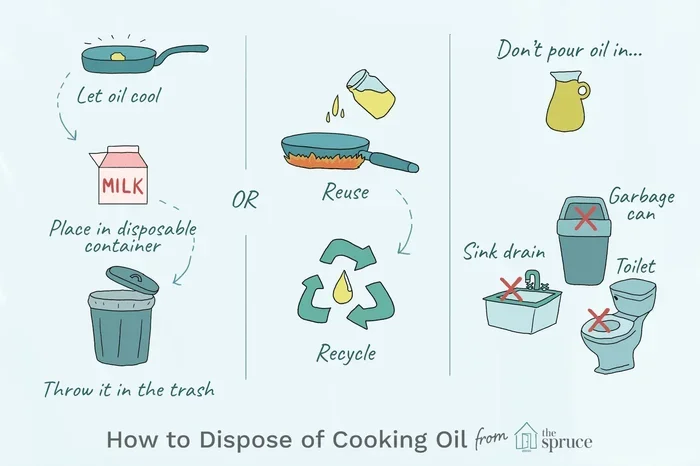
The most common and easiest method is to solidify the oil and throw it in the trash. This works well for small amounts of used cooking oil. Here is how to do it:
- Let the oil cool completely to room temperature.
- Pour the cooled oil into a disposable container like an old coffee can or milk carton.
- Place the container in the refrigerator or freezer until the oil solidifies.
- Once solid, scrape the oil out and throw the container in the regular trash.
- Wipe any remaining oil from the pan with a paper towel before washing.
This method is simple, safe, and effective for everyday cooking. Just make sure the container is sealed tightly before placing it in the bin. This prevents leaks and keeps your trash can clean.
Recycling Used Cooking Oil
Recycling is the most environmentally friendly option for disposing of cooking oil. Many communities have recycling programs that collect used cooking oil and turn it into biodiesel or animal feed. Check with your local waste management facility to see if they accept cooking oil.
Some restaurants and grocery stores also have collection bins for used oil. You can drop off your stored oil at these locations. Recycling cooking oil reduces landfill waste and supports sustainable energy production. It is a win-win for your household and the environment.
Before recycling, make sure your oil is free of food debris. Strain it through a fine mesh or cheesecloth. Clean oil is easier to process and more valuable for recycling facilities. If you are unsure about local recycling options, a quick online search can point you to nearby drop-off locations.
Composting Small Amounts of Cooking Oil
Did you know you can compost small amounts of cooking oil? This is a great option if you have a home compost bin. However, there are some important rules to follow. Only small quantities of vegetable-based oils should go into compost. Too much oil can slow down the composting process and create bad odors.
Mix the oil with dry materials like paper towels, leaves, or cardboard. This helps absorb the oil and speeds up decomposition. Never pour large amounts of oil directly into your compost pile. If you follow these guidelines, composting can be a great way to handle small amounts of used cooking oil responsibly.
Common Mistakes When Disposing of Cooking Oil
Even well-meaning cooks make mistakes when it comes to oil disposal. Knowing what not to do is just as important as knowing what to do. Here are the most common errors and how to avoid them.
Never Pour Oil Down the Drain
This is the number one rule of cooking oil disposal. Pouring oil down the sink might seem convenient, but it causes major problems. As the oil cools, it sticks to pipe walls and builds up over time. Eventually, this creates blockages that are difficult and expensive to fix.
Even running hot water or dish soap does not fully solve the problem. Grease will still solidify further down the pipe. The only safe option is to keep oil out of your drains entirely. Use one of the disposal methods described above instead.
Do Not Throw Hot Oil in the Trash
Throwing hot liquid oil directly into your kitchen trash is dangerous. It can melt plastic bags, create fire hazards, and cause burns. Always let oil cool completely before handling it. Once solidified, it is safe to place in the regular trash.
If you are in a rush, you can speed up cooling by placing the pan in an ice bath. Never leave hot oil unattended on the counter. Safety should always come first when handling used cooking oil.
Avoid Mixing Oil With Other Liquids
Do not mix cooking oil with water or other liquids before disposal. This makes recycling harder and can contaminate other waste streams. Keep your used oil separate and store it in its own container. Clean, pure oil is much easier for recycling facilities to process.
Properly disposing leftover cooking oil means taking a few extra minutes to keep it pure. This small effort goes a long way toward making the disposal process smoother and more effective. Just like you need to know how to oil a treadmill belt correctly, you also need to handle used cooking oil with care. Improper oil management can cause damage in both cases. Learn more about proper oiling techniques in How To Oil The Belt On A Treadmill for helpful guidance on handling oil the right way.
Quick Tips for Kitchen Oil Management
Managing cooking oil does not have to be complicated. A few simple habits can make a big difference. Here are some quick tips to keep in mind:
- Use a frying thermometer: This helps you avoid overheating oil, which extends its usable life.
- Strain and store for reuse: You can reuse cooking oil two to three times if you strain it properly after each use.
- Keep a dedicated disposal container: Store one in your kitchen for used oil so you always have a safe place to pour it.
- Wipe pans before washing: Use paper towels to remove excess oil before putting pans in the sink.
- Know when oil is spent: Dark color, foamy surface, and a rancid smell mean the oil is ready for disposal.
Just as you would check if your equipment needs oil maintenance, knowing the state of your cooking oil is key. For more on recognizing when oil needs attention, see our article on How To Know If Your Treadmill Needs Oil for a helpful comparison of oil condition awareness across different uses.
Handling oil properly in the kitchen is a skill that improves with practice. Once you build the habit, it becomes second nature. Start with one new tip each week and watch how quickly it becomes part of your routine.
What Not to Do With Used Cooking Oil
Let us talk about what you should never do with leftover cooking oil. These mistakes can cause real damage to your home and the environment.
- Do not pour oil into storm drains: Storm drains lead directly to rivers and lakes without any treatment.
- Do not put oil in the toilet: This can clog your home sewer line and cause sewage backups.
- Do not mix oil with household chemicals: This creates hazardous waste that cannot be recycled.
- Do not leave open containers of oil unattended: Pets and small children can be harmed by exposed oil.
- Do not dump oil in the yard or garden: Oil kills plants and contaminates soil.
Following these simple “do not” rules keeps your home safe and your community clean. Proper oil disposal is about making smart choices every time you cook.
Before you toss your leftover oil, consider whether it could serve another purpose around the house. There are creative ways to reuse oil for different applications. Find out what options exist in our article on What Can I Use To Oil My Treadmill for ideas on repurposing oils effectively.
Conclusion
Properly disposing leftover cooking oil is a simple responsibility that every home cook should take seriously. It protects your plumbing, keeps your home safe, and helps the environment. By following the methods in this guide, you can handle used cooking oil with confidence and ease.
Remember to always let oil cool, store it in a sealed container, and choose the disposal method that works best for you. Whether you solidify it for the trash, recycle it, or compost small amounts, every effort counts. Avoid the common mistakes that cause pipe blockages and environmental harm.
Making cooking oil disposal a regular part of your kitchen routine takes just a few minutes. The impact, however, is lasting. Start today, and make properly disposing leftover cooking oil a habit you are proud of. Your pipes, your home, and the planet will thank you.
Frequently Asked Questions
Can I pour cooking oil down the garbage disposal?
No, you should never pour cooking oil down the garbage disposal. The disposal blades cannot break down grease, and the oil will solidify in your pipes. This causes clogs and costly plumbing repairs. Always use one of the safe disposal methods described in this guide instead.
How many times can I reuse cooking oil before disposing of it?
Most cooking oils can be reused two to three times if they are strained properly after each use. Watch for signs of spoilage like dark color, foaming, or a burnt smell. Once the oil shows these signs, it is time to dispose of it properly following the methods above.
Can I recycle cooking oil in my regular recycling bin?
No, used cooking oil should not go in your regular recycling bin. It contaminates other recyclable materials and causes problems at recycling facilities. Instead, look for dedicated cooking oil recycling drop-off locations or programs in your area. Many communities offer special collection events for this purpose.
Is it safe to throw solidified cooking oil in the regular trash?
Yes, once the oil is completely cooled and solidified, it is safe to throw it in the regular trash. Place the solidified oil in a sealed, leak-proof container first. This prevents leaks and keeps your trash can clean. Never throw hot or liquid oil directly into the bin.
What should I do if I accidentally poured oil down the drain?
If you have poured oil down the drain, act quickly. Pour a mixture of baking soda and vinegar down the drain, followed with hot water after 30 minutes. This can help break down some of the grease buildup. For serious clogs, contact a professional plumber to assess and clear the blockage safely.
Can used cooking oil be turned into biodiesel?
Yes, used cooking oil is a popular feedstock for biodiesel production. Many recycling facilities and community programs collect used oil specifically for this purpose. Check with your local waste management authority to find biodiesel recycling options near you. This is one of the most environmentally responsible ways to handle used cooking oil.