How to test smoke detector battery and keep your home safe
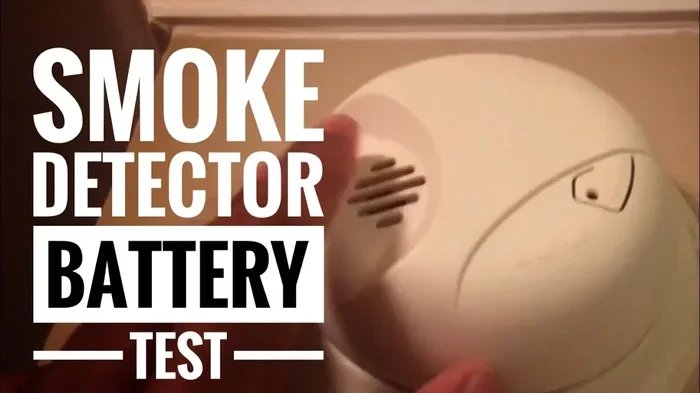
Testing your smoke detector battery is one of the simplest and most important things you can do to protect your home. A working smoke alarm saves lives, yet many people forget to check their detector regularly. This guide shows you exactly how to test smoke detector battery, when to replace it, and how to keep your fire safety system in top shape all year long.
There is nothing more important than keeping your family safe at home. One of the easiest ways to do that is by making sure your smoke detector battery is working correctly. A smoke detector is your first line of defense against fire, but only if it is functioning properly.
Many homeowners install a smoke detector and forget about it. They assume it will just work when needed. The truth is, a smoke detector battery with a dead or weak charge gives you a false sense of security. Testing your smoke detector battery takes only a few minutes, but it can make all the difference when seconds count.
In this guide, you will learn exactly how to test your smoke detector battery, how often to do it, and what to do when things go wrong. We will also cover battery types, replacement schedules, and common mistakes that put your home at risk. Think of it as your go-to smoke detector battery checklist for a safer home.
Key Takeaways
- Test monthly: Press the test button on your smoke detector every month to ensure it is working properly.
- Use the right battery: Most detectors need a 9-volt or AA battery. Check your manual for the correct type.
- Replace annually: Even if the battery still works, swap it out once a year for reliable protection.
- Replace the whole unit: Smoke detectors last about 10 years. After that, install a new one.
- Clean regularly: Dust and debris can cause false alarms and reduce detector accuracy.
- Interconnected systems matter: If one detector goes off, all should sound. Test the whole system together.
📑 Table of Contents
- Why Testing Your Smoke Detector Battery Matters
- Understanding the Types of Smoke Detectors and Batteries
- How to Test Your Smoke Detector Battery Step by Step
- When and How Often to Replace Your Battery
- Common Mistakes People Make With Smoke Detector Batteries
- Beyond the Battery: Full Smoke Detector Maintenance
- Conclusion
Why Testing Your Smoke Detector Battery Matters
Fire spreads fast. You may have as little as two minutes to escape a burning home. A working smoke alarm battery is what stands between you and disaster. Yet studies show that one in three homes has a smoke detector with a dead or missing battery.
The Role of Smoke Detectors in Home Safety
Your fire alarm system is not just a device on the ceiling. It is a life-saving tool. When smoke enters the detector, the sensor triggers a loud alarm. This alerts everyone in the home to evacuate immediately. But none of that works without a healthy smoke detector battery powering the unit.
Think of it like maintaining any other safety equipment in your home. Just as you would test a treadmill motor control board to make sure it works, you need to regularly check your smoke detector. Home safety depends on routine maintenance of all your protective devices.
What Happens When You Skip Testing
Skipping regular smoke detector maintenance is risky. A detector with a dead battery will not sound during a fire. You might not know there is a problem until it is too late. Some detectors have a low-battery warning that chirps. But many homeowners ignore this sound or disconnect the device entirely.
That is a dangerous habit. Residential fire safety depends on every detector in the home being fully operational. A single working detector can give your family the warning they need to escape safely.
Understanding the Types of Smoke Detectors and Batteries
Not all smoke detectors are the same. Knowing which type you have helps you understand how to test and maintain it properly. Different detectors use different smoke alarm battery configurations.
Battery-Operated vs Hardwired Smoke Detectors
Battery-operated smoke detectors run entirely on a battery. They are easy to install and work even during a power outage. These are common in older homes and apartments. You need to replace the smoke detector battery periodically to keep them running.
Hardwired smoke detectors connect directly to your home’s electrical system. They usually have a backup battery for power outages. Even though they are hardwired, the backup smoke alarm battery still needs regular testing and replacement.
You can find the type of detector you have by looking at the back of the unit or checking your home’s manual. If you are unsure, a licensed electrician can help identify your system.
Ionization vs Photoelectric Detectors
Ionization smoke detectors are faster at detecting fast-flaming fires. They use a small amount of radioactive material to ionize the air inside the sensing chamber. When smoke enters, it disrupts the ionization and triggers the alarm.
Photoelectric smoke detectors use a light beam to detect smoke. They are generally faster at catching slow, smoldering fires. Many modern homes benefit from having both types, or a combination unit that uses both technologies.
Regardless of the type, the detector test button works the same way. Pressing it tests the battery and the alarm sounder. This is the simplest way to verify that your unit is ready.
How to Test Your Smoke Detector Battery Step by Step
Testing your smoke detector battery is quick and easy. You should do it at least once a month. Here is exactly how to do it.
The Quick Test Method
Follow these simple steps to test your detector:
- Stand directly beneath the smoke detector.
- Press and hold the test button on the unit.
- Listen for a loud, clear alarm sound.
- Release the button and confirm the alarm stops.
If the alarm sounds loudly and clearly, your smoke detector battery has enough charge. If the sound is weak or faint, it is time to replace the battery. If there is no sound at all, the battery may be completely dead or the unit may be faulty.
What to Do If the Alarm Does Not Sound
Do not panic if your detector does not sound during a test. Try these steps first:
- Check that the battery is seated correctly in the compartment.
- Clean any dust or debris from the sensor opening.
- Try a fresh battery of the correct type.
- If the unit still does not work, replace the entire detector.
Sometimes the smoke detector beeping you hear at night is a sign of a low battery. This is the detector telling you it needs attention. Do not ignore it. Address the issue right away to keep your home security intact.
Think of regular testing like maintaining any other piece of equipment in your home. Just as you would learn to operate a treadmill without a safety key properly, you need to know how your safety devices function under different conditions.
When and How Often to Replace Your Battery
Testing is not the same as replacing. You need to do both to keep your fire safety system effective.
Signs Your Battery Needs Replacement
Watch for these warning signs that your smoke detector battery is failing:
- The detector chirps at regular intervals, usually once per minute.
- The alarm sounds weak during a monthly test.
- The detector was installed more than a year ago and has never had a battery change.
- You live in an area with frequent temperature swings, which can drain batteries faster.
Do not wait for the chirping to become annoying. Replace the battery as soon as you notice any of these signs. Emergency preparedness means your equipment is always ready to go.
The Annual Replacement Rule
Even if your detector passes the monthly test, you should still replace the smoke alarm battery once a year. A good habit is to swap batteries when you change your clocks for daylight saving time. This makes it easy to remember.
Use high-quality batteries for best results. Lithium batteries last longer than alkaline ones and are a great option for hard-to-reach detectors. Just make sure the battery type matches what your detector requires.
Common Mistakes People Make With Smoke Detector Batteries
Even well-meaning homeowners make mistakes with their smoke detector battery maintenance. Here are the most common ones and how to avoid them.
Using the Wrong Battery Type
Not every battery fits every detector. Some units need a 9-volt battery, while others use AA or AAA cells. Using the wrong type can cause poor contact or insufficient power. Always check your detector’s manual or the label on the back of the unit before buying a replacement.
Think of it like choosing the right equipment for any task. Just as you would not move a folding treadmill like a pro without knowing its weight and setup, you should not install a battery without checking compatibility first.
Ignoring the Chirping Sound
The chirping sound from a smoke detector battery is not just annoying. It is a clear signal that the battery is low. Many people remove the battery to stop the noise and forget to put a new one back in. This leaves your detector completely powerless.
If your detector chirps, replace the battery immediately. If the chirping continues after a new battery, the unit itself may need replacement.
Skipping the Cleaning
Dust, pet hair, and cobwebs can build up around your detector over time. This debris can block the sensor and cause false alarms or prevent the detector from working properly. Vacuum around the detector gently every few months to keep it clean.
Proper smoke detector maintenance includes both testing and cleaning. A clean detector is a reliable detector.
Beyond the Battery: Full Smoke Detector Maintenance
A healthy smoke detector battery is essential, but it is not the only factor in keeping your detector working. Full maintenance goes beyond just swapping batteries.
Testing the Whole Fire Alarm System
If your home has interconnected detectors, test them all at once. When one detector sounds, they should all sound together. Press the test button on one unit and walk through the house to confirm every detector activates.
This is especially important for larger homes or multi-story buildings. You want to make sure that no matter where a fire starts, everyone hears the alarm. Home safety depends on a complete and functioning fire alarm system.
Knowing Your Smoke Detector Lifespan
Smoke detectors do not last forever. Most units have a lifespan of about 10 years. After that, the sensors become less sensitive and the unit may not detect smoke reliably. Check the manufacture date on the back of your detector. If it is more than 10 years old, replace the entire unit.
This is just like any other piece of home security equipment. Regular testing keeps it working during its lifespan, but eventually, replacement is necessary for continued protection.
Just as you would care for all the equipment in your home, from how you hide a treadmill in your living room to keep things tidy, proper placement and care of your smoke detectors matters too. Make sure detectors are installed in every bedroom, outside each sleeping area, and on every floor of your home.
Conclusion
Testing your smoke detector battery is one of the simplest things you can do to protect your family and your home. It takes just a few minutes each month, but the peace of mind it gives you is priceless. A working smoke alarm battery means your fire safety system is ready when you need it most.
Follow the steps in this guide. Test monthly, replace batteries annually, clean your detectors regularly, and replace the entire unit every 10 years. These small habits add up to serious emergency preparedness. Your family deserves a home that is safe, protected, and ready for anything. Start testing your smoke detector battery today.
Frequently Asked Questions
How often should I test my smoke detector battery?
You should test your smoke detector battery at least once a month. Press the test button and listen for a loud, clear alarm sound. If the sound is weak or absent, replace the battery right away. Regular testing is the best way to ensure your fire alarm system works when you need it most.
What type of battery does a smoke detector use?
Most smoke detectors use a 9-volt battery or AA/AAA batteries. Check the label on the back of your unit or the owner’s manual to confirm the correct type. Using the wrong battery can prevent your detector from working properly and compromise your home safety.
Why does my smoke detector keep chirping even after I replace the battery?
If chirping continues after a battery replacement, the detector itself may be faulty or at the end of its lifespan. Dust in the sensor chamber can also cause false chirping. Try cleaning the unit first. If the problem persists, it is time to replace the entire smoke detector battery unit with a new one.
Can I use a lithium battery in my smoke detector?
Yes, lithium batteries are a great option for smoke detectors. They last longer than alkaline batteries, often up to 10 years, which matches the lifespan of most detectors. Just make sure the lithium battery is the correct size and voltage for your specific unit to ensure proper smoke detector maintenance.
How do I know if my smoke detector needs to be replaced entirely?
Smoke detectors typically last about 10 years from the manufacture date. Check the back of the unit for this date. If your detector fails routine tests even with a new battery, or if it has exceeded 10 years, you should replace the whole unit. This is a key part of your residential fire safety routine.
Should I test interconnected smoke detectors all at once?
Yes, if your home has interconnected detectors, test them all together. Press the test button on one unit and verify that every detector in the house sounds. This confirms that the entire fire alarm system is working and that everyone in the home will be alerted in an emergency, strengthening your overall home security.