Choosing the best yoga mat isn’t about the most expensive brand; it’s about matching your unique practice, body, and values to the right materials and design. Key factors include the mat’s material (for grip, durability, and eco-friendliness), thickness (for joint support vs. portability), and texture (for sweat management and stability). Whether you’re a hot yoga enthusiast, a restorative practitioner, or a traveler, understanding these elements will lead you to a mat that feels like an extension of your body, enhances your practice, and lasts for years.
Key Takeaways
- Material is fundamental: PVC offers durability and stickiness but is less eco-friendly; TPE is a lighter, more recyclable middle ground; natural rubber and cork provide superior grip and sustainability but vary in weight and cost.
- Thickness is a personal comfort choice: Thicker mats (4-6mm) offer more cushioning for joints and sensitive bodies but can compromise balance; thinner mats (1-3mm) provide better ground connection and portability for travel or active styles.
- Texture dictates grip and feel: Smooth mats are good for dry practices but can be slippery when sweaty; textured mats enhance grip in sweat but may be rough on skin; alignment lines are a tool, not a necessity.
- Size matters for your body: Standard mats (68” x 24”) fit most, but taller practitioners (over 6’) or those with wide stances should consider extra-long (72”+) or wide (26”+) options for full range of motion.
- Eco-conscious choices are available: Look for mats made from natural rubber, cork, cotton, or TPE, and certifications like OEKO-TEX (non-toxic) or Greenguard (low emissions) to ensure a healthier product for you and the planet.
- Maintenance extends lifespan: Clean your mat regularly with gentle, natural solutions (diluted vinegar, mat-specific sprays) and store it flat or rolled loosely away from direct sunlight to prevent material breakdown.
- Your practice style is the ultimate guide: Match mat properties to your primary yoga style—e.g., maximum grip and sweat absorption for hot yoga, portability for travel, cushioning for Yin/Restorative.
📑 Table of Contents
- Introduction: The Quest for Your Perfect Mat
- 1. The Heart of the Mat: Understanding Materials
- 2. Finding Your Sweet Spot: Thickness and Cushioning
- 3. The Grip Factor: Texture, Sweat, and Stability
- 4. Size and Portability: Not All Mats Are Created Equal
- 5. Eco-Friendly and Health-Conscious Choices
- 6. Care, Longevity, and When to Replace
- Conclusion: Your Mat, Your Practice
Introduction: The Quest for Your Perfect Mat
Stepping onto a yoga mat for the first time is an invitation. It’s a personal space, a boundary, a tool. But when you’re staring at a wall of options—different colors, materials, thicknesses, brands, and price points—that invitation can feel more like a confusing puzzle. The truth is, the best yoga mat for you is a highly personal choice. It’s not about the most popular brand or the highest price tag. It’s about finding the partner that supports your unique body, your specific style of movement, and even your personal values regarding health and sustainability.
Think of your mat as the foundation of your entire practice. The wrong mat can lead to slipping, discomfort, frustration, and even injury. The right one, however, can enhance your stability, deepen your focus, and become a cherished part of your ritual. It can mean the difference between fighting to hold a pose and sinking effortlessly into it. This guide will cut through the noise. We’ll demystify the jargon, compare materials side-by-side, and walk you through every consideration—from the feel under your palms to the impact on the planet—so you can confidently answer the question: What type of yoga mat is best for me?
1. The Heart of the Mat: Understanding Materials
The material of your yoga mat is its DNA. It dictates everything: grip, durability, weight, smell, environmental impact, and even how well it supports your poses. Here’s a breakdown of the most common materials you’ll encounter.

Visual guide about What Type of Yoga Mat Is Best for Me
Image source: matspick.com
PVC (Polyvinyl Chloride): The Durable Workhorse
PVC is the most common, affordable, and durable material on the market. It’s essentially the standard by which others are measured.
- Pros: Extremely durable and long-lasting (often 5+ years with care). Provides a consistently “sticky” surface right out of the box, even when dry. Highly resistant to moisture and sweat. Wide availability and typically the most budget-friendly.
- Cons: It’s a plastic derived from fossil fuels and is not biodegradable or easily recyclable through standard programs. Can have a strong chemical odor when new (off-gassing), which some people find unpleasant or irritating. Can become very slippery when wet with sweat unless it has a special textured pattern. Offers minimal cushioning on its own, so thickness is key.
- Best for: Beginners on a budget, studios that want a long-lasting mat for heavy use, practitioners who prioritize dry grip over hot yoga sweat absorption, and those who want a no-fuss, ultra-durable option.
TPE (Thermoplastic Elastomer): The Eco-Conscious Compromise
TPE is a newer, rubber-like material that’s often marketed as eco-friendly. It’s a blend of plastic and rubber polymers.
- Pros: More eco-friendly than PVC as it is recyclable (though facilities are not yet ubiquitous) and often made from a mix of virgin and recycled materials. Generally lighter in weight than PVC. Has a softer, more “rubbery” feel underfoot. Low odor. Provides good grip in both dry and moderately sweaty conditions.
- Cons: Not as inherently durable as high-quality PVC; can show wear and compression over time (1-3 years typical lifespan). Can be less “sticky” than premium PVC when dry. Recycling infrastructure is still developing.
- Best for: Eco-conscious yogis who still want a good balance of performance, the traveler (due to lighter weight), and those sensitive to chemical smells.
Natural Rubber: The Premium Gripper
Harvested from rubber tree sap, natural rubber mats are prized for their exceptional grip and eco-credentials.
- Pros: Outstanding, almost magnetic grip on both dry floors and sweaty skin. The grip often improves with use and sweat. Biodegradable and sourced from renewable trees (look for FSC-certified). Typically free of toxic chemicals. Provides a satisfying, dense cushioning.
- Cons: Heavier than PVC or TPE (can be 4-6+ lbs). Can cause allergic reactions in people with latex allergies (though most high-end brands purify it). Often the most expensive option. Initial rubber smell can be strong for some (though non-toxic). Can be damaged by certain essential oils or direct sunlight.
- Best for: Hot yoga and Ashtanga/Vinyasa flow practitioners who sweat profusely, anyone prioritizing top-tier grip, eco-conscious buyers willing to invest, and those who practice at home where weight is less an issue.
Cork & Other Natural Fibers (Cotton, Jute, Hemp)
These are the natural, sustainable specialists. Cork is often layered over a natural rubber base.
- Cork: Becomes more grippy when wet (perfect for hot yoga). Naturally antimicrobial and odor-resistant. Soft and warm underfoot. Sustainable, as cork is harvested without harming the tree. Can be less durable on very rough surfaces and may require occasional gentle cleaning to maintain texture.
- Cotton, Jute, Hemp: These are traditional, woven mats. They offer minimal cushioning and are primarily used for grip in very specific styles (like some forms of restorative or meditation yoga) or as a top layer over a cushioned mat. They are highly sustainable, biodegradable, and often beautiful, but not suitable as a sole mat for most active practices due to lack of cushion and potential for shifting.
- Best for: The eco-purist, hot yoga lovers (cork), those with sensitivities, or as a decorative/top-layer mat. Not ideal as a first or only mat for vigorous practice.
2. Finding Your Sweet Spot: Thickness and Cushioning
Thickness is measured in millimeters (mm). It’s the most visible spec and has a huge impact on comfort and performance. The trade-off is always between cushioning and stability.
Visual guide about What Type of Yoga Mat Is Best for Me
Image source: perwithlogo.com
The Thickness Spectrum (From Thin to Thick)
- 1mm – 2mm (Travel/Ultra-Thin): These are the featherweights. They offer minimal cushioning, focusing on ground connection and portability. They roll up tiny, often with a strap. Best for travel, for yogis who practice on very soft surfaces (like carpet), or for those who prioritize feeling every micro-movement of the floor for alignment. Can be very hard on knees and joints in kneeling poses.
- 3mm – 4mm (Standard/All-Purpose): This is the classic, most common thickness. It provides a good balance. Enough cushion to protect knees, spine, and hips in kneeling and seated poses, while still allowing for stable balance in standing poses. Works well for most styles—Hatha, Vinyasa, Iyengar, general fitness. A great starting point for beginners unsure of their needs.
- 5mm – 6mm (Cushioned/Joint-Friendly): Maximum cushioning. This thickness is a godsend for those with sensitive joints (knees, hips, spine), arthritis, or for practitioners of Yin or Restorative Yoga where poses are held for minutes. The extra padding makes seated and kneeling poses much more accessible. However, the increased softness can make balancing poses (like Tree or Half-Moon) feel less stable, as your feet can sink in slightly.
- 7mm+ (Extra Thick): Rare and specialized. Often used in therapy or for specific injuries. The cushioning is substantial, but the instability for standing poses is significant. Usually overkill for a standard yoga practice.
How to Choose Your Thickness
Ask yourself: Where do I need the most support? If you have knee pain or do lots of long-held floor poses, lean toward 5mm+. If you love balancing, dancing, and flowing, a 3mm or 4mm will give you a more connected, stable feel. If you travel constantly or practice on a hard wood floor at home and want to feel grounded, consider a 2mm. A great tip for the undecided: get a 4mm mat. It’s the Goldilocks zone for most people.
3. The Grip Factor: Texture, Sweat, and Stability
Grip is arguably the most important functional feature of a mat. Slipping is the fastest way to break your concentration and potentially strain a muscle. Grip is determined by two things: the material’s inherent stickiness and the surface texture.
Visual guide about What Type of Yoga Mat Is Best for Me
Image source: grhamoy.com
Smooth vs. Textured Surfaces
- Smooth (Polished): Found on many PVC and some TPE mats. Offers a clean, sleek look and feel. Can be very grippy when dry, but becomes dangerously slick when wet with sweat. Only suitable for gentle, non-sweaty practices or if you always use a towel on top.
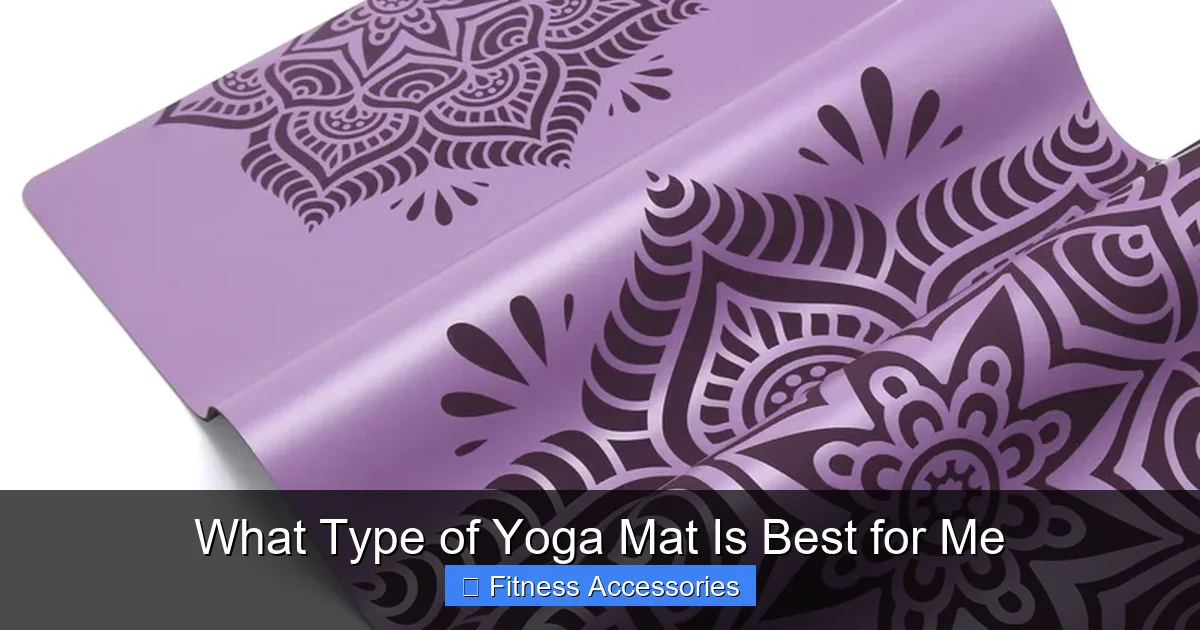
- Textured (Patterned): The vast majority of mats have some texture—dots, lines, waves, or a micro-pattern. This texture creates friction points that channel sweat away and provide physical “bite” for your hands and feet. Essential for hot yoga, vigorous Vinyasa, or anyone who sweats. The texture can range from subtle to aggressive. More aggressive texture offers more sweat grip but can be abrasive on bare skin during slides (like in Plank pose).
Alignment Lines: Helpful Tool or Distraction?
Many mats have lines printed or embedded—center lines, T-lines for feet in Tadasana, sometimes even pose guides. These can be fantastic learning tools for beginners to check their alignment, ensure symmetrical stance, and find the center of the mat. However, some advanced practitioners find them visually distracting during moving meditation. It’s purely personal preference. If you’re unsure, a mat without lines is a neutral canvas.
4. Size and Portability: Not All Mats Are Created Equal
The standard yoga mat size is approximately 68 inches long by 24 inches wide. But “standard” doesn’t mean “perfect for everyone.”
Length and Width Considerations
- For Tall Yogis (6’ and above): A 68” mat will leave your head or feet hanging off the edge during full extension poses like Downward Dog or lying down. Look for extra-long mats (72”, 74”, or even 84”). The extra length is a game-changer for comfort and alignment.
- For Wide-Stanced Practitioners: If you have broad shoulders, wide hips, or practice poses with legs wide apart (like Triangle or Wide-Legged Forward Fold), a wider mat (26” or 28”) provides crucial extra space, preventing your hands or feet from creeping off the edge.
- For Kids or Travel: Smaller, lighter mats (often 60” or shorter) are available for children or as dedicated travel mats.
Weight vs. Portability
This is a direct trade-off. A heavy, dense natural rubber mat is incredibly stable and grippy but a nightmare to carry to class. A lightweight TPE travel mat is easy to sling over your shoulder but might slide on some studio floors. Consider your routine: Do you practice at home and drive to class? Weight matters less. Are you a traveler or someone who walks/bikes to the studio? Prioritize a mat under 4 lbs. Many mats come with a carrying strap or bag—factor that into your comfort.
5. Eco-Friendly and Health-Conscious Choices
Your mat is something you spend hours a week lying on, breathing over, and touching with bare skin. The materials and production process matter for your health and the planet’s.
Toxins and Off-Gassing
Cheap PVC mats can contain plasticizers (like phthalates), heavy metals, and other chemicals that “off-gas,” especially when new. While the risk from a single mat is debated, many people report headaches, dizziness, or skin irritation. To avoid this:
- Look for OEKO-TEX Standard 100 certification, which tests for harmful substances.
- Choose PVC-free materials like TPE, natural rubber, or cork.
- Air out any new mat in a well-ventilated space for a few days before regular use.
Sustainable and Biodegradable Options
True sustainability considers the source, manufacturing, and end-of-life.
- Natural Rubber: Renewable, biodegradable (though may take years in a landfill), often harvested sustainably.
- Cork: Renewable (harvested from bark), biodegradable, antimicrobial.
- TPE: The “better plastic.” It is recyclable, and some brands use a significant percentage of post-consumer recycled content. It is not biodegradable, but its recyclability is a step up from PVC.
- Jute/Cotton: Natural, biodegradable, but often have a shorter usable life for active yoga.
Be wary of “greenwashing.” Terms like “eco-friendly” or “natural” are unregulated. Look for specific material lists and third-party certifications.
6. Care, Longevity, and When to Replace
A well-cared-for mat can last for years, but it will eventually wear out. Proper maintenance is key.
Cleaning Your Mat
Regular cleaning prevents odor, bacteria, and mildew.
- Daily/Weekly: Wipe down with a damp cloth and a drop of mild dish soap or a dedicated yoga mat cleaner. For a natural option, a 50/50 white vinegar and water spray works wonders. Avoid harsh chemicals, bleach, or abrasive scrubs.
- Deep Clean (Monthly/Quarterly): For heavily soiled mats, you can submerge most mats (check manufacturer guidelines) in a bathtub with lukewarm water and a gentle cleaner. Rinse thoroughly and hang or lay flat to dry completely, away from direct sunlight. Sunlight can degrade rubber and PVC.
- For Sticky/Sweaty Mats: A sprinkle of baking soda on a damp cloth can help absorb oils and odors.
Storage and Wear Signs
Store your mat rolled up (not folded) with the top surface facing out to prevent permanent creases. Keep it out of extreme heat (like a hot car), which can melt or warp materials.
Replace your mat when you notice:
- Persistent odor that cleaning doesn’t fix (sign of trapped bacteria/mildew).
- Flattening or permanent compression where your hands/feet go (loss of cushioning and support).
- Smooth, shiny spots that are no longer grippy, even when dry.
- Tears, rips, or significant peeling of the surface layer.
- It’s become a safety hazard due to slipping.
A typical lifespan is 1-5 years, depending on material, frequency of use, and care.
Conclusion: Your Mat, Your Practice
The journey to finding the best yoga mat is a personal one. It’s a dialogue between your body’s needs and the mat’s properties. Start by honestly assessing your primary practice style. Are you a sweaty hot yogi? Prioritize a textured, absorbent natural rubber or cork mat. A beginner with tender knees? A 5mm TPE or cushioned PVC mat is a forgiving start. A globe-trotting yogi? A lightweight, foldable TPE travel mat is your best friend. An eco-warrior? Research natural rubber with transparent sourcing or a high-recycled-content TPE.
Remember, there is no single “best” mat on the market—only the best mat for you. Use this guide as your compass. Read reviews from people with similar practices. If possible, test mats in a store—feel the texture, try a balancing pose, see how they roll. Your mat is the ground you meet every time you step onto your mat. It should support you, inspire you, and feel like home. Invest the time to choose wisely, and you’ll have a loyal companion for your yoga journey for years to come.
Frequently Asked Questions
How often should I replace my yoga mat?
This depends on material, frequency of use, and care. A high-quality PVC mat can last 5+ years with heavy use, while a TPE mat might last 1-3 years. Replace it when you notice permanent flattening, loss of grip, persistent odor despite cleaning, or visible tears. Safety is the primary indicator—if it no longer supports your practice, it’s time for a new one.
Can I use a regular towel on top of my yoga mat?
Yes, and it’s a common solution for hot yoga or very sweaty practices. A microfiber yoga towel is designed to absorb sweat and increase grip. However, it adds an extra layer and can shift. For the best experience, it’s often better to get a mat with a built-in, sweat-activated grip (like cork or textured natural rubber) so you don’t have to manage an extra item.
Is a more expensive yoga mat always better?
Not necessarily. Price often correlates with material quality (e.g., premium natural rubber), sustainability practices, and brand reputation. A $20 PVC mat can be perfectly functional for a beginner practicing gentle yoga. However, for frequent, sweaty, or intense practice, investing in a higher-quality mat (typically $80-$150) made from durable, grippy, and eco-friendly materials will last longer and perform better, offering better long-term value.
What’s the best yoga mat for sensitive skin or allergies?
Look for mats made from 100% natural, non-toxic materials with certifications like OEKO-TEX Standard 100, which guarantees no harmful chemicals. Natural rubber (if you don’t have a latex allergy), cork, and organic cotton are excellent hypoallergenic choices. Avoid cheap PVC mats, which can contain irritants and have strong off-gassing odors. Airing out a new mat for several days before use also helps.
Are travel yoga mats worth it, or are they just thinner versions?
Travel mats are specifically designed for portability—they are thinner (1-3mm), lighter (often under 3 lbs), and fold or roll into a very compact size. They sacrifice some cushioning and sometimes a bit of grip for that convenience. They are absolutely worth it if you travel frequently, practice outdoors, or have a small living space. For a dedicated home/studio practice where weight isn’t an issue, a standard 4mm mat will be more comfortable.
How do I “break in” a new yoga mat?
Some mats, especially natural rubber, need a brief break-in period. The best method is simply to practice on it regularly. The friction from your hands and feet will naturally activate and improve the grip. You can also gently wipe it with a damp cloth to remove any manufacturing residue. Avoid using soap or oils on a new mat until you know how it reacts. For very sticky PVC mats, a light mist of water on your hands/feet can help initially if it’s too aggressive.