Chicken Gizzard The Ultimate Guide To Cooking And Eating
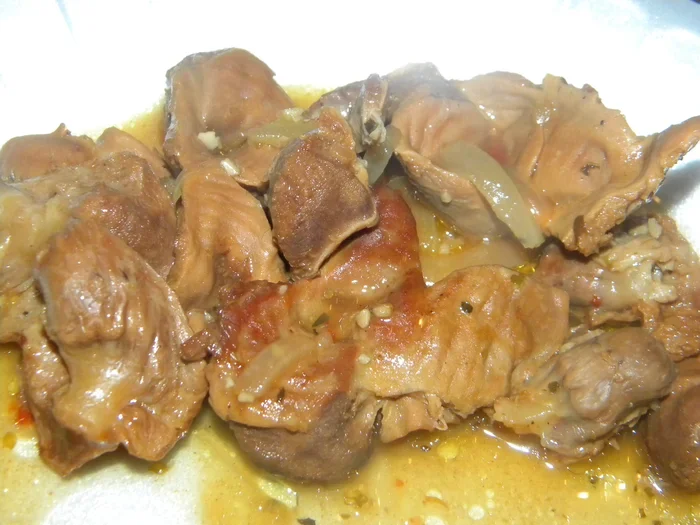
The chicken gizzard is a small but mighty organ found in poultry that packs a punch of protein and nutrients. Whether you fry it, grill it, or add it to soups, cooking gizzards is easier than you think. This guide covers everything from preparation to delicious gizzard recipes. You will learn about the nutritional value of this underrated food and how to clean and cook it like a pro.
You have probably seen chicken gizzards at the butcher counter or tucked inside a package of giblets and wondered what to do with them. This small, muscular organ from the digestive tract of poultry might look unassuming, but it is one of the most nutritious and flavorful cuts of meat you can cook. Chicken gizzard is a staple in kitchens around the world, from Southern barbecue joints to Asian street food stalls.
Many people shy away from organ meats, but the truth is that gizzards are affordable, packed with protein, and incredibly easy to prepare once you know the basics. In this guide, we will walk you through everything you need to know about cooking gizzards, from cleaning and prep to the best cooking methods and mouthwatering recipes. Whether you are a curious beginner or a seasoned cook looking to expand your repertoire, this guide has you covered.
Key Takeaways
- Nutrient-Dense Food: Chicken gizzards are rich in protein, iron, and B vitamins, making them a healthy addition to any diet.
- Versatile Ingredient: You can fry, grill, stew, or add gizzards to soups and salads for bold flavor.
- Easy to Prepare: Cleaning and prepping gizzards is simple once you know the basic steps.
- Budget-Friendly: Organ meats like gizzards are affordable and packed with more nutrition than many cuts of meat.
- Popular Worldwide: From Southern cooking to Asian street food, gizzard dishes are enjoyed across many cultures.
- Great for Beginners: Even novice cooks can master gizzard recipes with the right tips and techniques.
📑 Table of Contents
- What Is a Chicken Gizzard?
- Nutritional Value of Chicken Gizzard
- How to Clean and Prepare Chicken Gizzards
- Best Cooking Methods for Chicken Gizzard
- Popular Gizzard Dishes From Around the World
- Common Mistakes When Cooking Gizzards
- Expert Tips for Perfect Gizzards Every Time
- Where to Buy Chicken Gizzards
- Conclusion
What Is a Chicken Gizzard?
A chicken gizzard is a small, fist-sized organ located in the bird’s digestive system. It works like a grinding mill, breaking down food that the chicken eats. Because it does this job, the gizzard has a tough, fibrous texture that requires proper cooking to become tender and delicious.
Many people confuse gizzards with other giblets, which is the general term for the heart, liver, and gizzard found inside the cavity of a whole chicken. While all three are nutritious, the gizzard stands out for its unique chewy texture and rich, savory flavor. It is considered organ meat, and organ meats are widely recognized as some of the most nutrient-dense foods available.
In many cultures, gizzards are a beloved delicacy. In the American South, fried gizzard is a popular bar food. In Japan, grilled gizzard skewers are a common street snack. In West Africa, gizzards are stewed in rich tomato sauces. No matter where you come from, there is a good chance gizzard dishes are part of your culinary heritage.
Nutritional Value of Chicken Gizzard
One of the biggest reasons to start eating gizzards is the impressive gizzard nutrition facts. Organ meats are often more nutritious than muscle meats, and gizzards are no exception. Here is a closer look at what a serving of chicken gizzard brings to the table.
Protein Powerhouse
Gizzards are extremely high in protein. A single serving provides a significant portion of your daily protein needs. This makes them an excellent choice for anyone looking to build muscle, recover from exercise, or simply eat a more protein-rich diet. Protein helps repair tissues, supports immune function, and keeps you feeling full longer.
Rich in Vitamins and Minerals
Beyond protein, gizzards are loaded with essential vitamins and minerals. They are particularly high in iron, which supports healthy blood and energy levels. They also contain B vitamins, especially B12, which is important for nerve function and red blood cell production. Zinc, selenium, and phosphorus are also present in meaningful amounts.
Low in Fat
Compared to many cuts of chicken meat, gizzards are relatively low in fat. This makes them a great option for those watching their fat intake while still wanting a hearty, satisfying protein source. The gizzard health benefits include supporting muscle growth, boosting energy, and aiding in oxygen transport through the body.
Quick Nutrition Snapshot
- High in protein: Supports muscle building and repair
- Rich in iron: Helps prevent anemia and boosts energy
- Good source of B12: Supports brain and nerve health
- Low in fat: Great for lean protein diets
- Contains zinc and selenium: Supports immune function
How to Clean and Prepare Chicken Gizzards
Before you cook gizzards, you need to clean and prep them properly. The good news is that this process is straightforward and does not take long. Once you get the hang of it, you will be able to prep gizzards in minutes.
Step-by-Step Cleaning Process
- Remove the gizzard: If you bought a whole chicken, locate the gizzard inside the cavity. It is usually packaged together with the heart and liver as part of the giblets.
- Peel the outer membrane: Use your fingers or a small knife to peel away the thin, yellowish outer lining. This membrane can be tough and is not meant to be eaten.
- Cut the gizzard open: Slice the gizzard in half lengthwise. You will see a tough, muscular interior with some grit or partially digested material inside.
- Rinse thoroughly: Rinse the gizzard under cold running water. Use your fingers to remove any grit or残留 material from the inner walls.
- Trim excess fat: Trim away any yellow fat or sinew that you find attached to the gizzard.
- Pat dry: Use paper towels to pat the cleaned gizzards dry before seasoning or cooking.
Tips for Better Prep
For the best results, soak cleaned gizzards in salted water for about 30 minutes before cooking. This helps draw out any remaining grit and tenderizes the meat slightly. Some cooks also like to simmer gizzards in salted water for 15 to 20 minutes before frying or grilling. This pre-cooking step makes the final texture much more tender and enjoyable.
Best Cooking Methods for Chicken Gizzard
One of the great things about gizzards is their versatility. You can cook them in many different ways, and each method brings out a unique flavor and texture. Here are the most popular methods for cooking gizzards at home.
Fried Gizzard
Deep fried gizzard is perhaps the most popular way to enjoy this cut, especially in the American South. The process is simple. After cleaning and optionally pre-boiling the gizzards, you dredge them in seasoned flour or batter and fry them in hot oil until golden brown. The result is a crispy outside with a tender, juicy inside.
Fried gizzards are commonly served with hot sauce, ranch dressing, or a squeeze of lemon. They make an excellent appetizer or bar snack. If you have never tried fried gizzard, you are missing out on one of the most satisfying snacks you can make at home.
Grilled Gizzard
Grilling gizzards gives them a smoky, charred flavor that is hard to beat. After cleaning and optionally simmering them, toss the gizzards in olive oil, salt, pepper, and your favorite spices. Grill them over medium-high heat for about 3 to 4 minutes per side until they are cooked through and have nice grill marks.
Grilled gizzards work great as skewers or served over a fresh salad. They pair well with a squeeze of lime and a drizzle of chimichurri. This method is perfect for summer cookouts and backyard gatherings.
Stewed Gizzard
Stewing is a wonderful way to make gizzards tender and flavorful. Simmer cleaned gizzards in a pot with onions, garlic, tomatoes, and your choice of spices. Low and slow cooking breaks down the tough fibers and creates a rich, savory stew that pairs beautifully with rice, bread, or mashed potatoes.
Stewed gizzards are a comfort food staple in many cultures. The long cooking time ensures that every bite is soft and full of flavor. This is also a great method for beginners who want a hands-off cooking approach.
Gizzard Soup and Broth
Adding gizzards to soups and broths is an excellent way to extract their rich flavor and nutrients. Gizzard broth is deeply savory and makes a wonderful base for noodle soups, rice dishes, or simply sipping on its own. You can add gizzards to any soup recipe that calls for chicken or other organ meats.
Popular Gizzard Dishes From Around the World
The beauty of the chicken gizzard is that it transcends cultural boundaries. Nearly every cuisine that uses poultry has found a way to incorporate gizzards into beloved dishes. Here are some of the most popular gizzard dishes you can explore.
Southern Fried Gizzards: A classic in the American South, these are breaded and deep fried until crispy. They are often served with mashed potatoes and gravy or alongside coleslaw and cornbread.
Jollof Gizzard Stew (West Africa): In West African cooking, gizzards are stewed in a rich tomato-based sauce with peppers, onions, and spices. It is served over rice and is a crowd favorite at family gatherings.
Yakitori Gizzard (Japan): In Japan, chicken gizzards are skewered and grilled as part of yakitori. They are seasoned with tare sauce, a sweet and savory glaze, and cooked over charcoal. The result is a tender, flavorful bite that is perfect with beer.
Gizzard Tacos (Mexico): In Mexican cuisine, gizzards are often boiled, then shredded and used in tacos. They are topped with salsa, cilantro, onion, and a squeeze of lime for a delicious street food experience.
Gizzard Curry (South Asia): In India, Pakistan, and Bangladesh, gizzards are cooked into rich curries with coconut milk, turmeric, cumin, and chili. The slow-cooked curry turns the gizzards meltingly tender and infuses them with incredible depth of flavor.
Common Mistakes When Cooking Gizzards
Even though gizzards are forgiving to cook, there are a few common mistakes that can lead to tough, chewy, or unpleasant results. Here are the pitfalls to avoid.
- Skipping the cleaning step: Not removing the outer membrane or rinsing out the grit will leave you with an unpleasant texture and flavor. Always clean gizzards thoroughly before cooking.
- Cooking them too fast: Gizzards need time to become tender. High heat for a short time can leave them rubbery and tough. Low and slow cooking is the key to tenderness.
- Not pre-boiling: If you plan to fry or grill gizzards, simmering them first for 15 to 20 minutes ensures a more pleasant texture. Skipping this step can result in a chewy bite that is hard to enjoy.
- Over-seasoning: Gizzards have a strong, natural flavor of their own. Heavy seasoning can mask that flavor. A light touch with salt, pepper, and a few spices goes a long way.
- Buying low-quality gizzards: Always source gizzards from reputable suppliers. Fresh, clean gizzards from well-raised poultry make a noticeable difference in taste and texture.
Expert Tips for Perfect Gizzards Every Time
Want to take your gizzard cooking to the next level? Here are some expert tips that make all the difference.
- Marinate before cooking: A simple marinade of soy sauce, garlic, ginger, and a splash of vinegar can tenderize gizzards and add depth of flavor. Marinate for at least one hour or overnight for the best results.
- Use a pressure cooker: If you want tender gizzards in a fraction of the time, a pressure cooker is your best friend. It breaks down the tough fibers quickly and evenly.
- Slice against the grain: When serving cooked gizzards, slice them against the grain to make them easier to chew and more tender in the mouth.
- Rest before serving: Let cooked gizzards rest for a few minutes before serving. This allows the juices to redistribute and makes for a more flavorful bite.
- Experiment with sauces: Gizzards pair well with a wide range of sauces, from buffalo sauce to teriyaki to chimichurri. Do not be afraid to get creative with your flavor combinations.
Where to Buy Chicken Gizzards
Finding quality gizzards is easier than you might think. Most grocery stores that sell whole chickens carry giblets, which include the gizzard. Asian and international markets often have gizzards available in larger quantities and at lower prices. Local butcher shops are another excellent source, and they can often provide gizzards from free-range or organic poultry.
When buying gizzards, look for ones that are a deep reddish-brown color and smell fresh. Avoid gizzards that have a grayish tint or an off smell. Fresh gizzards should have a clean, slightly metallic aroma. Store them in the refrigerator and use them within one to two days, or freeze them for up to three months for the best quality.
Conclusion
The chicken gizzard is one of the most underrated and nutritious cuts of meat you can cook. It is affordable, packed with protein and essential nutrients, and incredibly versatile in the kitchen. Whether you prefer them fried, grilled, stewed, or in soup, there is a gizzard dish out there for everyone.
Once you learn how to clean and cook gizzards properly, you will wonder why you ever overlooked them. They are a wonderful addition to any kitchen and a great way to make the most of every part of the bird. So next time you see gizzards at the store, grab a pack, try one of the recipes in this guide, and discover the delicious world of organ meat cooking for yourself.
Start simple with fried gizzards or a hearty gizzard stew, and work your way up to more adventurous dishes. The gizzard health benefits and incredible flavor make it well worth the effort. Happy cooking!
Frequently Asked Questions
What does a chicken gizzard taste like?
A chicken gizzard has a mild, slightly gamey flavor that is similar to dark meat chicken. When cooked properly, it has a chewy yet tender texture that many people find satisfying. The taste can vary depending on the cooking method, with fried gizzards having a richer, crispier flavor and stewed gizzards being more tender and savory.
Are chicken gizzards healthy to eat?
Yes, chicken gizzards are very healthy. They are high in protein, low in fat, and rich in essential vitamins and minerals like iron, B12, and zinc. Organ meats like gizzards are considered some of the most nutrient-dense foods available. They support muscle growth, energy levels, and overall immune health.
How do you make gizzards tender?
The key to tender gizzards is cooking them low and slow. Simmering them in salted water for 15 to 20 minutes before frying or grilling makes a big difference. You can also use a pressure cooker or a slow cooker to break down the tough fibers. Marinating gizzards before cooking also helps tenderize them and adds flavor.
Can you eat the gizzard membrane?
No, you should remove the outer membrane before cooking. The yellowish lining on the outside of the gizzard is tough and not pleasant to eat. Simply peel it off with your fingers or a small knife after cleaning the gizzard. The inner muscular wall of the gizzard is the part that is meant to be eaten.
How long do chicken gizzards last in the fridge?
Fresh gizzards should be stored in the refrigerator and used within one to two days. If you need to store them longer, place them in an airtight container or freezer bag and freeze them for up to three months. Always thaw frozen gizzards in the refrigerator overnight before cooking.
What is the difference between giblets and gizzards?
Giblets is the collective term for the heart, liver, and gizzard found inside a whole chicken. The gizzard is just one of the giblets. While all three are nutritious, the gizzard has a distinct chewy texture and is the most muscular of the group. Giblets are often sold together as a package, but you can also buy gizzards separately at many butcher shops and markets.
=== CONCLUSION ===
The chicken gizzard is a powerhouse of nutrition and flavor that deserves a spot in your kitchen. From its impressive protein content to its versatility in the kitchen, there are countless reasons to start cooking gizzards today. Whether you are frying them up for a crispy snack, stewing them for a comforting meal, or adding them to your favorite soup recipe, gizzards deliver bold taste and great health benefits in every bite.
Remember to clean them properly, cook them with patience, and experiment with different flavors and methods. The more you cook with gizzards, the more you will appreciate this humble yet extraordinary cut of meat. So go ahead, grab some gizzards, and put one of these recipes to the test. Your taste buds and your body will thank you.