Everything You Need to Know About Avocado Calories
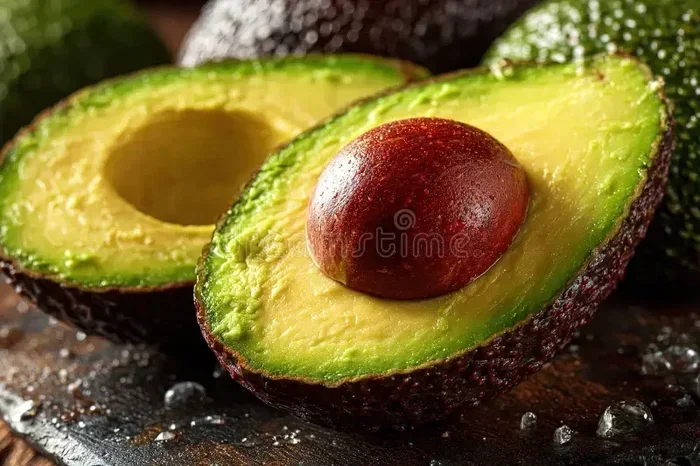
Avocado calories pack a powerful nutritional punch in every serving. A single medium avocado contains roughly 240 calories, mostly from healthy fats that support heart health and satiety. Understanding avocado calories helps you make smarter food choices whether you are managing your weight or fueling an active lifestyle. This guide breaks down everything you need to know about avocado nutrition, serving sizes, and how avocado fits into a balanced diet.
Key Takeaways
- Calorie Density: Avocados are calorie-dense because of their high healthy fat content, but these fats offer serious health benefits.
- Serving Size Matters: A typical serving is one-third or half an avocado, which controls your calorie intake while delivering nutrients.
- Healthy Fats: The monounsaturated fats in avocados support heart health, brain function, and nutrient absorption.
- Nutrient Powerhouse: Avocados provide potassium, fiber, vitamins K, C, E, and B6 in every serving.
- Weight Management: Despite being calorie-rich, avocados promote fullness and can support healthy weight goals.
- Versatile Food: Avocados work in salads, smoothies, toast, and many other meals to boost nutrition.
📑 Table of Contents
What Are Avocado Calories?
Avocado calories refer to the energy content found in this creamy, green fruit. Unlike most fruits, avocados are high in fat. But here is the good news. That fat is the healthy kind your body needs.
A whole Hass avocado typically contains around 240 calories. A half avocado has about 120 calories. One-third of an avocado comes in at roughly 80 calories. These numbers make avocado calories easy to track if you know your serving size.
The calorie breakdown looks like this. Most calories come from fat, about 22 grams per whole avocado. Carbs contribute around 12 grams, and protein adds about 3 grams. This macronutrient profile makes avocados unique among fruits.
Why Avocado Calories Are Different From Other Fruits
Most fruits get their calories from carbohydrates and natural sugars. Avocados flip the script. The majority of their energy comes from fat. Specifically, monounsaturated fats. These are the same heart-healthy fats found in olive oil and nuts.
This difference matters. When you compare avocado calories to an apple or a banana, the numbers look higher. But the nutritional value is completely different. Avocados deliver essential fatty acids, fiber, and a wide range of vitamins.
Think of avocado calories as fuel for your body. They keep you full longer, support brain function, and help absorb vitamins from other foods. That is why nutritionists love this fruit so much.
Avocado Calories by Serving Size
Knowing how many calories are in different portions of avocado helps you plan meals better. Here is a simple breakdown.
- One-third of an avocado: About 80 calories
- Half an avocado: About 120 calories
- Two-thirds of an avocado: About 160 calories
- One whole avocado: About 240 calories
These numbers can vary slightly based on the size and variety of the avocado. Florida avocados tend to be larger and have more water content, which slightly lowers their calorie count per ounce. Hass avocados, the most common type, are denser and richer in flavor.
Using a kitchen scale helps you get precise portions. Weighing your avocado before slicing ensures you know exactly how many calories you are consuming. This simple habit makes a big difference in tracking your daily intake.
How to Measure Avocado Calories Accurately
Not all avocados weigh the same. A small avocado might weigh 150 grams, while a large one can reach 300 grams or more. The calorie content scales with size.
Here are some practical tips for measuring accurately:
- Weigh the whole avocado before cutting it.
- Use the USDA FoodData Central database for reference values.
- Remember that the pit and skin are not eaten, so only count the flesh.
- Track portions using measuring cups if a scale is not available.
Many nutrition apps let you log avocado by portion. Simply search for avocado and select the serving size that matches what you ate. This makes tracking effortless and accurate.
Nutritional Profile of Avocado Calories
Avocado calories come with a bonus. Every calorie brings along a wealth of nutrients. Let us break down what you get in a typical half-avocado serving.
Healthy Fats
The fat content in avocados is their biggest selling point. About 10 grams of fat per half avocado, and most of it is monounsaturated. This type of fat supports healthy cholesterol levels and reduces inflammation in the body.
Monounsaturated fats also help your body absorb fat-soluble vitamins. Vitamins A, D, E, and K need dietary fat to be properly absorbed. Eating avocado alongside vegetables boosts the nutrient uptake from your entire meal.
Fiber Content
Avocados are an excellent source of dietary fiber. A half avocado provides about 5 to 6 grams of fiber. That is roughly 20 percent of your daily recommended intake.
Fiber keeps your digestive system running smoothly. It also helps control blood sugar levels and keeps you feeling full after meals. This makes avocado a great choice for anyone watching their calorie intake.
Vitamins and Minerals
Avocados deliver a surprising amount of vitamins and minerals. Here is what a half avocado offers:
- Potassium: More than a banana, supporting heart and muscle function
- Vitamin K: Important for bone health and blood clotting
- Vitamin C: Boosts immune function and skin health
- Vitamin E: Acts as an antioxidant protecting your cells
- B Vitamins: Support energy production and brain function
The potassium content in avocados is especially noteworthy. Most people do not get enough potassium in their daily diet. Avocado calories help fill that gap naturally.
How Avocado Calories Fit Into a Balanced Diet
Adding avocado to your meals is easy, but understanding how the calories fit into your daily budget is key. A moderately active adult typically needs 1,800 to 2,500 calories per day. A half avocado at 120 calories takes up about 5 to 7 percent of that total.
That is a reasonable amount for the nutrition you get back. The healthy fats, fiber, and micronutrients make every calorie count. Avocado calories are not empty calories. They deliver real value to your body.
Many people worry that avocado is too high in fat and calories. But research shows that the type of fat matters more than the total amount. Monounsaturated fats from whole foods like avocados support weight management and heart health when eaten in moderation.
Avocado Calories for Weight Management
Paradoxically, eating calorie-dense foods like avocado can help with weight control. The healthy fats and fiber slow digestion. This means you feel satisfied longer after eating.
Studies have found that people who regularly eat avocados tend to have lower body weight and better overall nutrition. The key is portion control. Stick to one-half or one-third of an avocado per serving to enjoy the benefits without overdoing it.
Avocado Calories for Active Lifestyles
Active individuals need fuel that provides sustained energy. Avocado calories do exactly that. The combination of healthy fats and fiber provides slow-burning energy throughout the day.
Some people like to add avocado to their pre-workout meals. The fats provide a steady energy source without causing a blood sugar spike. After exercise, avocado pairs well with protein-rich foods for recovery.
For comparison, the energy from a serving of avocado can sustain you through activities that burn significant calories. For instance, doing how many calories a kettlebell swing burns shows that a single swing burns roughly 10 to 15 calories. A half avocado provides enough energy to power through a solid kettlebell session.
Similarly, if you are tracking your workout output, understanding that 100 kettlebell swings burn around 100 to 150 calories helps put avocado calories in perspective. A half avocado provides comparable energy to what you might burn in a short, intense workout session.
Comparing Avocado Calories to Other Foods
To truly understand avocado calories, it helps to compare them to other common foods. This gives you a practical sense of what you are eating.
| Food | Serving Size | Calories |
|---|---|---|
| Avocado (whole) | 1 medium (150g) | 240 |
| Avocado (half) | Half a medium avocado | 120 |
| Banana | 1 medium | 105 |
| White Bread (2 slices) | 2 slices | 140 |
| Olive Oil (1 tbsp) | 1 tablespoon | 120 |
| Almonds | 1 ounce (23 nuts) | 164 |
| Egg (large) | 1 egg | 72 |
As you can see, avocado calories are comparable to other healthy fat sources like olive oil and nuts. But unlike those foods, avocados also bring fiber and a broader range of vitamins to the table.
When you swap butter or mayonnaise for avocado on your toast, you increase the nutritional value of your meal significantly. The calories are similar, but the health benefits are far greater.
Common Myths About Avocado Calories
There are several misconceptions about avocados and their calorie content. Let us clear a few of them up.
Myth 1: Avocados Are Too High in Calories to Be Healthy
The calorie content of avocados is higher than most fruits. But calories are not the enemy. Nutrient-dense calories from whole foods like avocados support your health in many ways. The fats, fiber, and vitamins make every calorie worthwhile.
Myth 2: All the Fat in Avocados Is Bad
Avocados are mostly made up of monounsaturated fats. These are the fats that support heart health and reduce bad cholesterol. Eating avocado in moderation is beneficial, not harmful.
Myth 3: You Should Avoid Avocado If You Are Trying to Lose Weight
Research actually shows the opposite. People who eat avocados regularly tend to have better weight management outcomes. The satiety from healthy fats and fiber helps control appetite and reduce overall calorie intake throughout the day.
Some fitness enthusiasts balance their avocado intake with regular exercise. For example, knowing how many calories you burn doing kettlebell swings gives you a clear picture of your energy balance. A half avocado provides fuel that supports a productive workout without exceeding your daily calorie goals.
Best Ways to Enjoy Avocado Calories
Avocados are incredibly versatile. You can add them to almost any meal. Here are some easy and delicious ideas.
- On toast: Mash half an avocado on whole-grain toast with a pinch of salt and pepper.
- In salads: Slice avocado and toss it into your favorite green salad for extra creaminess.
- In smoothies: Blend half an avocado with spinach, banana, and almond milk for a creamy shake.
- As a spread: Use avocado instead of mayo or butter on sandwiches and wraps.
- In eggs: Top scrambled eggs or omelets with fresh avocado slices.
- Guacamole: Mash avocado with lime juice, onion, cilantro, and tomato for a classic dip.
Each of these options delivers the nutritional benefits of avocado calories in a satisfying way. The key is to enjoy avocado as part of a varied and balanced diet.
Storing and Ripening Avocados
Proper storage keeps your avocados fresh and nutritious. Store unripe avocados at room temperature. Once ripe, move them to the refrigerator to slow further ripening.
If your avocado is already cut, squeeze lemon or lime juice on the exposed flesh. This prevents browning and keeps the avocado fresh for the next meal. Wrapping it tightly in plastic wrap also helps.
Final Thoughts on Avocado Calories
Avocado calories are more than just a number on a nutrition label. They represent a whole food packed with healthy fats, fiber, and essential nutrients. Whether you are eating half an avocado on toast or adding it to a smoothie, you are giving your body quality fuel.
Understanding avocado calories empowers you to make informed food choices. You can enjoy this nutritious fruit without guilt, knowing that every calorie brings real health benefits. The key is moderation and awareness of portion sizes.
So go ahead and enjoy your avocado. It is one of the few foods that tastes great, looks beautiful, and nourishes your body at the same time. Make avocado calories a regular part of your healthy eating plan and feel the difference.
Frequently Asked Questions
How many calories are in a whole avocado?
A whole medium Hass avocado contains approximately 240 calories. The exact number depends on the size and variety. Larger avocados can have up to 300 calories, while smaller ones may have closer to 200 calories.
Are avocado calories bad for you?
No, avocado calories are not bad for you. The calories come from healthy monounsaturated fats, fiber, and a wide range of vitamins and minerals. These nutrients support heart health, digestion, and overall well-being when consumed in moderation.
How many calories are in half an avocado?
Half of a medium avocado contains about 120 calories. This serving size provides roughly 10 grams of healthy fat, 6 grams of fiber, and a good amount of potassium and vitamins.
Can eating avocado help with weight loss?
Yes, avocado can support weight loss. The healthy fats and fiber promote feelings of fullness, which may reduce overall calorie intake. Studies show that people who regularly eat avocados tend to have better weight management results.
How do avocado calories compare to banana calories?
A whole avocado has about 240 calories while a medium banana has about 105 calories. However, avocado provides healthy fats and more fiber, while banana offers more natural sugars and carbohydrates. Both are nutritious but serve different nutritional roles.
What is the best time to eat avocado for energy?
Avocado works well at any time of day. Many people enjoy it at breakfast on toast, at lunch in salads, or at dinner in main dishes. Its combination of healthy fats and fiber provides sustained energy, making it a great choice before or after physical activity.