How to Cook Rhubarb and Make the Best Desserts Ever
Cooking rhubarb is simple, fun, and opens the door to delicious desserts like pies, crumbles, and compotes. This guide covers everything from picking the best stalks to baking the perfect rhubarb pie. You will learn prep techniques, cooking methods, and expert tips that make your rhubarb desserts shine every single time.
Rhubarb is one of the most underrated ingredients in the kitchen. It is tart, vibrant, and absolutely perfect for desserts. If you have ever walked past a garden or farmer’s market and spotted those bright pink stalks, you have probably wondered what to do with them. The good news is that cooking rhubarb is incredibly easy, and the results are nothing short of amazing.
Whether you want a classic rhubarb pie, a warm crumble, or a simple sauce to drizzle over ice cream, this guide has you covered. We will walk you through everything step by step. You will learn how to select, prep, and cook rhubarb like a pro. By the end, you will be ready to make the best rhubarb desserts you have ever tasted.
Let us be real for a moment. Rhubarb can feel intimidating if you have never cooked with it before. The stalks look tough, the leaves are poisonous, and you are not sure where to start. But here is the truth: rhubarb is one of the easiest ingredients to work with. It does not need fancy techniques or expensive equipment. All you need is a little patience and a sweet tooth. So grab your apron, and let us dive in.
Key Takeaways
- Fresh rhubarb is versatile: It works beautifully in pies, crumbles, sauces, and compotes.
- Proper prep matters: Washing, trimming, and cutting rhubarb correctly sets you up for success.
- Balance the tartness: Pairing rhubarb with sugar, strawberries, or vanilla enhances its natural flavor.
- Multiple cooking methods work: You can simmer, roast, or bake rhubarb depending on the dessert.
- Storage is easy: Cooked rhubarb keeps well in the fridge and freezer for future use.
- Start simple: Even beginners can make amazing rhubarb desserts with basic ingredients and patience.
📑 Table of Contents
Understanding Rhubarb: What It Is and Why It Works
What Exactly Is Rhubarb?
Rhubarb is a perennial plant with long, thick stalks that range in color from bright red to pale pink and even green. Most people think of it as a fruit, but botanically, it is a vegetable. However, we almost always treat it like a fruit in the kitchen because of its tangy, tart flavor. Rhubarb is a staple in British baking and has been a favorite dessert ingredient for generations.
The stalks are the only part you should ever eat. The leaves contain oxalic acid, which is toxic, so always discard them. When you cook rhubarb, the heat breaks down the tough fibers and transforms the sharp tartness into a sweet, jammy, incredibly delicious filling. The flavor becomes rich and complex, especially when you add sugar or pair it with strawberries.
Why Cook Rhubarb for Desserts?
There are so many reasons to cook rhubarb. First, it is incredibly versatile. You can use it in pies, tarts, crumbles, fools, sauces, and even cakes. Second, rhubarb is naturally low in calories, making it a guilt-free dessert option. Third, it is packed with vitamins and antioxidants, including vitamin K and calcium. And finally, rhubarb is a seasonal superfood that is most abundant and affordable in spring and early summer.
If you are tracking your nutrition, rhubarb is a smart choice. It is similar to how you might track your meals using a fitness device. Just as you might log your kettlebell workout on Apple Watch to monitor progress, you can track your healthy eating habits with ingredients like rhubarb that deliver nutrition without excess calories.
How to Prep Rhubarb for Cooking
Selecting the Best Rhubarb
When you are shopping for rhubarb, look for stalks that are firm and crisp. The color should be vibrant, whether deep red or bright pink. Avoid stalks that look limp, wrinkled, or bruised. Fresh rhubarb snaps easily when you bend it, which is a great sign of quality. The size does not matter as much as the firmness. Both thin and thick stalks work well for cooking.
If you grow rhubarb in your garden, harvest the stalks when they are about 10 to 15 inches long. Pull them gently at the base rather than cutting them. This encourages the plant to keep producing throughout the season. Think of it the same way you would think about knowing what size kettlebell to use — picking the right size makes all the difference in the final result.
Washing and Trimming
Start by rinsing the stalks under cold running water. Use your fingers to gently remove any dirt or debris. Pat them dry with a clean towel. Next, trim off both ends of each stalk. Cut about a quarter inch from the top and bottom. Remove any leaves that are still attached, as they are not safe to eat.
If your rhubarb stalks are very thick, you may want to peel the outer layer with a vegetable peeler. Thin stalks usually do not need peeling. The goal is to remove any stringy or tough parts that could affect the texture of your final dessert.
Cutting Rhubarb for Cooking
Cutting rhubarb is straightforward. Slice the stalks into pieces about half an inch to one inch long. Uniform pieces cook evenly, so try to keep them similar in size. For pies and crumbles, slightly larger chunks work well because they hold their shape during baking. For sauces and compotes, smaller pieces break down faster and create a smoother texture.
A quick tip: do not use a dull knife. Rhubarb stalks can be quite firm, and a sharp knife makes clean cuts that look better and cook more evenly. A dull blade can crush the fibers and cause the pieces to release too much liquid too early.
Basic Methods for Cooking Rhubarb
Stovetop Simmering
Simmering is the most common and simplest way to cook rhubarb. Place your chopped stalks in a saucepan and add sugar. A good starting ratio is one cup of sugar for every four cups of rhubarb. You can adjust this based on how tart your rhubarb is and how sweet you like your desserts. Add a splash of water or orange juice to help the sugar dissolve and create a lovely liquid base.
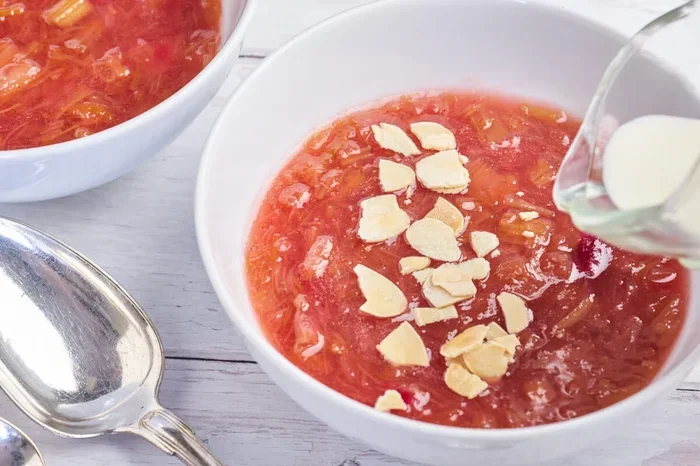
Bring the mixture to a gentle boil over medium heat, then reduce the heat and let it simmer for about 10 to 15 minutes. Stir occasionally. The rhubarb will break down and turn into a beautiful, jammy consistency. This method is perfect for making rhubarb sauce, pie filling, or a topping for yogurt and ice cream.
Roasting Rhubarb
Roasting rhubarb is a fantastic option if you want a deeper, more concentrated flavor. Preheat your oven to 375°F. Spread the chopped rhubarb on a lined baking sheet and drizzle with sugar. You can also add vanilla extract or a pinch of cinnamon for extra flavor. Roast for about 20 to 25 minutes until the stalks are soft and the juices have thickened slightly.
Roasted rhubarb has a slightly caramelized edge that adds complexity to any dessert. It works wonderfully as a filling for tarts, a layer in parfaits, or a topping for pancakes and waffles. The slow roasting process concentrates the natural sugars and creates a rich, dessert-like flavor with minimal effort.
Making Rhubarb Compote
A rhubarb compote is a cooked fruit mixture that is slightly thicker than a sauce. To make one, follow the simmering method but add a thickener like cornstarch or arrowroot powder near the end of cooking. Mix one tablespoon of cornstarch with one tablespoon of cold water, then stir it into the simmering rhubarb. Cook for another two to three minutes until the mixture thickens.
Rhubarb compote keeps well in the refrigerator for up to a week. You can spoon it over oatmeal, swirl it into cheesecake batter, or use it as a filling for pastries. It is a make-ahead dessert staple that saves you time when you want something sweet and impressive without last-minute stress.
Best Rhubarb Desserts to Try at Home
Classic Rhubarb Pie
Rhubarb pie is the crown jewel of rhubarb desserts. Start with a pre-made or homemade pie crust. Fill it with cooked rhubarb mixture, making sure to drain any excess liquid so the crust stays crisp. Add a top crust or a crumbly streusel topping, depending on your preference. Bake at 425°F for 15 minutes, then reduce the heat to 350°F and bake for an additional 30 to 35 minutes.
The key to a perfect rhubarb pie is balance. The tartness of the rhubarb needs enough sugar to complement it without overpowering the flavor. A splash of lemon juice brightens the filling, and a hint of vanilla adds warmth. Serve it warm with a scoop of vanilla ice cream for the ultimate treat.
Rhubarb Crumble
A rhubarb crumble is easier than pie and just as delicious. Spread raw or lightly cooked rhubarb in a baking dish. Top it with a mixture of flour, butter, oats, brown sugar, and a pinch of salt. Bake at 350°F for about 35 to 40 minutes until the topping is golden and crispy and the rhubarb is bubbling underneath.
Crumble is forgiving, which makes it perfect for beginners. You do not need precise measurements. Just eyeball the ingredients and mix them together with your fingers. The beauty of a crumble is its rustic charm. It looks homemade and tastes even better. Serve it with cream or custard for a comforting dessert that everyone will love.
Rhubarb Sauce for Ice Cream and Pudding
Rhubarb sauce is the simplest dessert you can make, and it is absolutely stunning. Simmer rhubarb with sugar and a little water until it breaks down into a smooth, tangy sauce. Strain it if you prefer a silky texture, or leave it chunky for more character. Let it cool before serving over ice cream, chocolate pudding, or angel food cake.
This sauce also makes a beautiful addition to breakfast. Spoon it over pancakes, waffles, or French toast. It pairs especially well with vanilla-flavored desserts because the tartness cuts through the richness and cleanses the palate. Once you make it, you will find yourself reaching for this sauce all the time.
Expert Tips for Perfect Rhubarb Every Time
Follow these simple tips to elevate your rhubarb cooking every single time:
- Balance tartness with sweetness: Different rhubarb stalks vary in tartness. Taste a piece before cooking and adjust your sugar accordingly. Adding a handful of strawberries is a natural way to soften the tart flavor.
- Do not overcook: Rhubarb breaks down quickly. For dishes where you want chunks, cook it just until tender. Overcooked rhubarb turns mushy and loses its vibrant color.
- Use an acidic ingredient: A squeeze of lemon juice or a splash of orange juice enhances the flavor and helps preserve the bright pink color of the rhubarb.
- Add spices thoughtfully: Cinnamon, ginger, and vanilla pair beautifully with rhubarb. Start with small amounts and adjust to your taste.
- Cool before using in pies: Always let your rhubarb filling cool before pouring it into a pie crust. Hot filling can melt the butter in the crust and make it soggy.
- Experiment with pairings: Rhubarb loves strawberries, raspberries, ginger, and orange zest. Try different combinations to find your favorite flavor profile.
Common Mistakes to Avoid When Cooking Rhubarb
Even experienced cooks make mistakes with rhubarb. Here are the most common ones and how to avoid them:
- Forgetting to remove the leaves: Rhubarb leaves contain oxalic acid and are toxic. Always remove and discard them before cooking. This is a non-negotiable safety step.
- Using too little sugar: Rhubarb is naturally very tart. If you do not add enough sweetener, the dessert will be unpleasantly sour. Start with more sugar than you think you need and adjust to taste.
- Skipping the thickener: If you are making a pie or crumble filling without pre-cooking the rhubarb, the raw stalks release a lot of liquid during baking. Use cornstarch or flour to thicken the filling and prevent a soggy bottom.
- Not storing properly: Cooked rhubarb should be refrigerated within two hours of cooking. It keeps in the fridge for up to five days and in the freezer for up to three months.
- Using rhubarb that is too old: Very old, limp rhubarb stalks have lost moisture and flavor. Always choose fresh, firm stalks for the best results.
Avoiding these mistakes will save you time, money, and frustration. It is like learning proper form when lifting weights. Getting the basics right from the start prevents problems later. Whether you are tracking your workout or your recipe, the fundamentals matter.
Storing and Using Leftover Cooked Rhubarb
Cooked rhubarb is one of those ingredients that keeps giving. If you make more than you need, store it properly and enjoy it throughout the week. Place leftovers in an airtight container and refrigerate for up to five days. For longer storage, freeze the cooked rhubarb in portion-sized containers or freezer bags. It keeps well in the freezer for up to three months.
Leftover rhubarb is incredibly versatile. Use it as a topping for morning yogurt, fold it into muffin batter, or spread it on toast with a little butter and cream cheese. You can also swirl it into cake batter or use it as a filling for hand pies and turnovers. The possibilities are endless, and leftover rhubarb is too good to waste.
Conclusion
Cooking rhubarb at home is one of the simplest and most rewarding things you can do in the kitchen. From selecting fresh stalks to choosing your favorite cooking method, every step is straightforward and enjoyable. Whether you are making a classic rhubarb pie, a warm crumble, or a simple sauce, the results are always delicious. Rhubarb brings a bright, tangy flavor that elevates any dessert and impresses your guests.
Start with the basics, follow the tips in this guide, and do not be afraid to experiment. The beauty of cooking with rhubarb is that there is no single right way to do it. Find your favorite recipes, make them your own, and enjoy the process. Once you taste the difference between fresh, homemade rhubarb desserts and store-bought alternatives, you will never go back. So head to your kitchen, grab some rhubarb, and start creating your own sweet masterpieces today.
Frequently Asked Questions
Can you eat rhubarb raw?
Yes, you can eat rhubarb raw, but it is extremely tart and not very pleasant on its own. Most people prefer to cook rhubarb with sugar to balance the sharpness. Raw rhubarb works well in salads when paired with sweet fruits and a light dressing, but it is much more commonly enjoyed cooked.
Is rhubarb healthy to eat regularly?
Yes, rhubarb is a healthy food that is low in calories and rich in fiber, vitamin K, and antioxidants. It supports digestive health and bone health thanks to its nutrient profile. However, because rhubarb leaves contain oxalic acid, you should always remove and discard them before cooking and eating the stalks.
What is the best way to sweeten rhubarb?
Granulated white sugar is the most common sweetener for rhubarb, but you can also use brown sugar, honey, or maple syrup for different flavor profiles. A general rule is one cup of sugar per four cups of rhubarb, but you should adjust based on the tartness of your stalks and your personal preference. Adding strawberries or raspberries also naturally adds sweetness.
Can you freeze cooked rhubarb?
Yes, cooked rhubarb freezes very well. Let it cool completely, then transfer it to airtight containers or freezer-safe bags. It will keep in the freezer for up to three months. When you are ready to use it, thaw it in the refrigerator overnight. Frozen cooked rhubarb works perfectly in pies, crumbles, and sauces.
Why is my rhubarb pie soggy?
A soggy rhubarb pie is usually caused by too much liquid in the filling or an underbaked crust. To prevent this, pre-cook your rhubarb filling to release excess moisture before adding it to the pie crust. You can also use a thickener like cornstarch or flour, and make sure to bake the pie long enough for the crust to become fully crisp and golden.
What desserts can you make with rhubarb besides pie?
Rhubarb is incredibly versatile and works in many desserts beyond pie. Try making a rhubarb crumble, rhubarb compote for ice cream, rhubarb fool (a layered cream and fruit dessert), rhubarb cake, or rhubarb hand pies. You can also use it as a topping for yogurt, oatmeal, or pancakes. The tangy flavor pairs beautifully with creamy and sweet dessert bases.